
Why did daikon start to bloom and what should I do?
Daikon, also known as Japanese or Chinese radish, is a root vegetable with excellent flavor. Unlike radishes, which can be bitter, this root vegetable has a juicy, sweet taste.
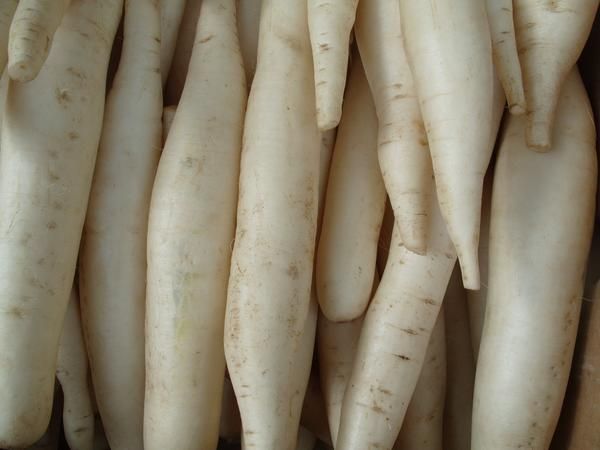
Japanese radish is considered an easy-to-care-for vegetable crop. However, to avoid flowering and ensure a good harvest, it's important to plant it at the right time and follow a few simple growing rules. If not cared for properly, Chinese radish will bolt. Unfortunately, once the daikon has blossomed, you can no longer expect a harvest of juicy and tasty root vegetables.
What should I do if my daikon has started to bloom? This question is of interest to many gardeners, as it's a problem faced by both beginners and experienced growers. If inflorescences have begun to form in the beds, this indicates that the plants are beginning to grow. Is there anything I can do to save the harvest? The chances are slim, but every gardener should try. First, pull out the plants that have formed inflorescences and cover the others with dark plastic. It's possible that not all of the planted radishes will grow, and some of the harvest may be saved.
The phrase "better safe than sorry" applies perfectly to this situation. To avoid getting frustrated when your daikon and radish beds are blooming profusely, try to analyze the situation, identify any care errors, and prevent a similar occurrence next year.
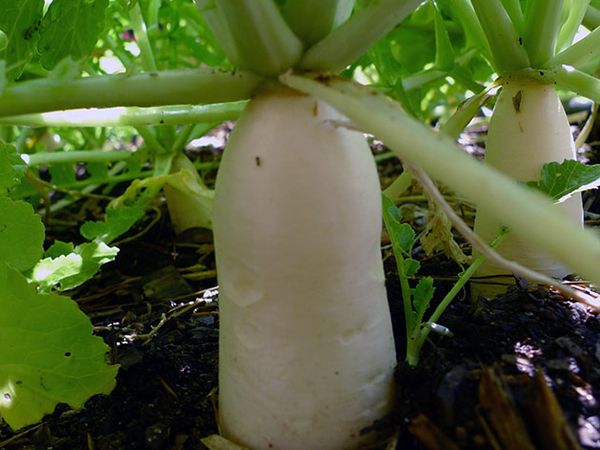
The main reasons for the formation of inflorescences on Japanese radish include:
- incorrectly chosen timing for sowing seeds (following the recommendations of farmers with many years of experience, try to sow daikon no earlier than the second half of July);
- in overly dense beds, radishes begin to grow;
- insufficient watering;
- lack of additional feeding in the form of fertilizers;
- incorrectly chosen location for sowing this vegetable crop (it is worth mentioning that radish prefers sunny areas of the garden).
Choose time-tested varieties of Japanese radish for planting: for example, the Dragon, Dubinushka, Sasha, Elephant's Tusk, and Minowasi varieties bloom significantly less frequently.
Video: "The Benefits of Daikon"
This video will tell you about the beneficial properties and contraindications of daikon.