
Why isn't your cherry tree producing fruit?
Content
How to determine the cause
Cherry tree fruiting depends on many factors, including environmental factors and poor agricultural practices. Cherries typically begin bearing fruit 4–5 years after planting. If they haven't bloomed within this period, the problem likely stems from improper planting or care. For example, a cherry tree won't produce fruit if it's growing in acidic soil. Therefore, before planting, it's important to check the soil's pH—it should be neutral or close to it.
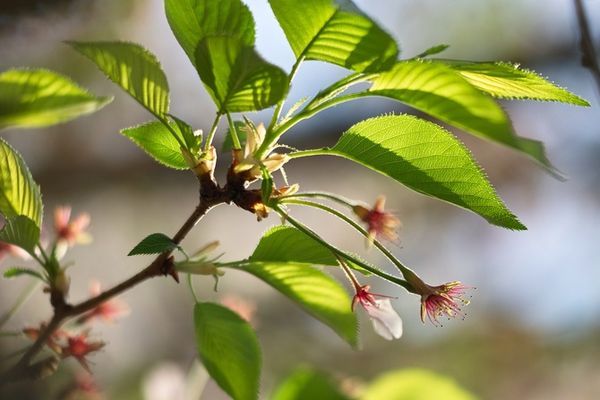
Another unfavorable factor is the close proximity of groundwater, which causes the roots to rot, which weakens the tree. Insufficient pruning or lack thereof leads to a dense crown and insufficient lighting, but if you remove excess branches, the cherry tree will again become a fruit-bearing tree. Perhaps the seedling was grown from a seed—it's a "wild" tree—in which case it simply needs grafting. If the cherry tree has bloomed profusely but the buds haven't formed, there's a serious reason.
Pollination
Most cherry varieties are cross-pollinated. There is a small category of varieties that are self-fertile (able to pollinate themselves), but even then, only 40% of the crop will produce fruit. All other cherry varieties require a pollinator—another variety planted nearby (within 15–20 meters) and blooming at the same time—otherwise, the cherry will bloom and the fruit will never set.
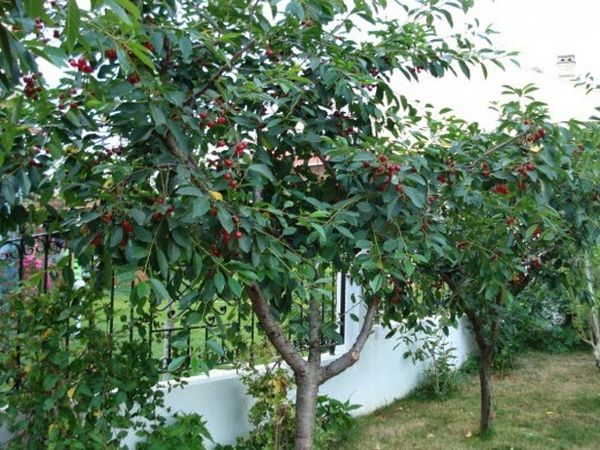
To avoid this, it's important to choose your varieties wisely and not limit yourself to just one. When purchasing a seedling, be sure to inquire about its pollination type. A regular harvest can only be expected if several different varieties are planted in the garden, all with overlapping flowering times. Any stone fruit, such as the felt cherry, can act as a pollinator. Cherry trees also thrive alongside sweet cherries—cross-pollination improves the cherries' flavor.
Diseases
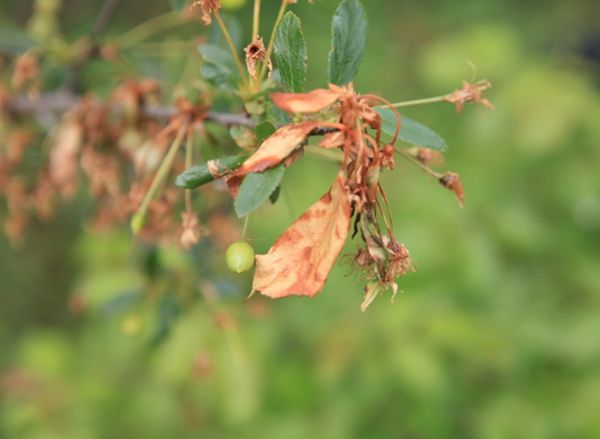
Fungal diseases are another reason why cherries do not bear fruit. Coccomycosis affects not only the fruit but also the leaves, as evidenced by a brown or reddish coating on the leaves that appears in summer. Over the course of a year, the tree weakens, becomes susceptible to frost, and fails to bloom or set fruit buds in the spring.
Another dangerous fungal disease is monilial blight (Moniliosis). This fungus becomes active in the spring, attacking shoots and fruit buds, preventing cherry trees from blooming or setting fruit. The fungus can be suppressed by spraying the trees with Bordeaux mixture before the sap begins to flow. Plant debris from the affected tree should be collected and burned.
Pests
Unfortunately, cherries, like all stone fruit, are susceptible to pests. The tree can be attacked by aphids, fruit mites, red mites, various species of moths and sawflies, bark beetles, geometers, and many other insects. Each of these insects harms the tree in its own way, but ultimately, the plant becomes weak and vulnerable, stopping further growth and fruiting.
It is necessary to monitor the condition of the garden, and carry out preventative treatment of the crown with insecticides (Nitrafen, iron or copper sulfate) every year in early spring and then during the summer season.
Climate conditions
For a cherry tree to bear fruit regularly, it requires comfortable conditions. High humidity, dampness, and excessively dry and hot weather can negatively impact the health and fruiting of even the healthiest tree. It's no secret that cold and rainy weather reduces the activity of pollinating insects, and hot conditions cause pollen to fall from flowers, resulting in fewer fruit buds.
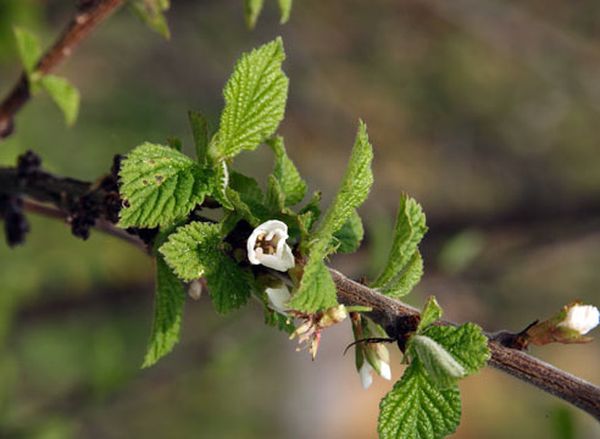
Recurring spring frosts are the biggest problem for gardeners, as they cause flower buds to freeze. Cherry trees are especially vulnerable if they were overwatered and over-fertilized with nitrogen in the fall. There are also many varieties with low winter hardiness—this is precisely why felt cherries, a heat-loving plant, often fail to bloom or bear fruit. The only solution is to plant winter-hardy varieties and cover the trees during periods of high risk.
Fertilizer
Cherry trees are sensitive to soil conditions. If the soil is insufficiently fertile, a good harvest is unlikely. However, an excess of nutrients can also lead to reduced fruiting. For example, after applying nitrogen fertilizer, flower buds open significantly later than expected, while excess nitrogen can cause flowers and fruit buds to fall off entirely.
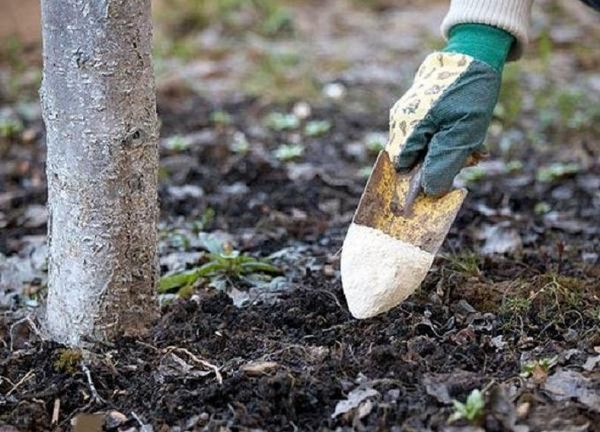
To ensure regular fruiting, fertilizers should be applied correctly and in a timely manner. Young seedlings generally do not require additional feeding, unless the soil is too depleted. Complex fertilizers containing nitrogen, potassium, and phosphorus should be applied in the third or fourth year. In the fall, only potassium and phosphorus are applied. Before wintering, humus and ash can be added to the tree trunk circle.
Natural causes
Nothing lasts forever, including trees. If your cherry tree has been growing for over 20 years and recently has started producing poorly, the cause is most likely age—that is, natural aging. Cherry trees can live for about 30 years, but their yield declines much earlier.
You can, of course, perform rejuvenating pruning, annually removing inward-growing shoots that cause crowding, but this will only temporarily increase yields, as the plant has exhausted its resources. But don't be sad about this, as it will free up space in the garden for new, potentially more promising varieties.
Video: "Why isn't my cherry tree bearing fruit?"
This video will tell you why your cherry tree may not produce fruit.