
Why aren't my tomatoes blooming and what can I do to make them bloom?
Content
Possible causes and solutions
Why don't tomatoes bloom, even though all the conditions for their fruitful development are in place? There could be several reasons. First, the plants are overfed with fertilizer, which causes them to actively grow green mass but fail to form inflorescences. Second, a lack of nutrients, which simply prevents the plant from blooming. Third, temperature fluctuations or excessively high temperatures, which sterilize the inflorescences. Fourth, disease.
The list could go on and on, so let's take a closer look at some of the options and figure out what to do in each case.
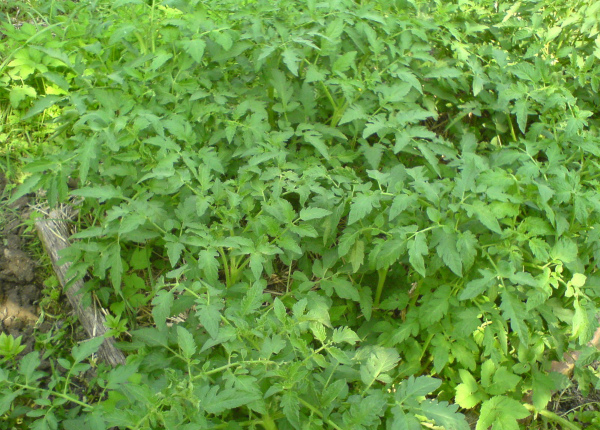
Quality of seedlings
The quality of seedlings and seeds is crucial. The producer may have handled the seeds poorly during storage, packaging, or processing, making them unsuitable for fruiting. To avoid this, be sure to check the seeds for germination before planting and disinfect them.
Fertilizers
If your seedlings have grown into large, beautiful, dense, green bushes, but still haven't set fruit, you may have overdosed the nitrogen fertilizer. Nitrogen stimulates greening, but it doesn't promote flowering or fruit formation. You can remedy this by adding sawdust to the soil, which will absorb some of the nitrogen fertilizer. Within a few days, you'll see your tomatoes blooming.
Sometimes the cause is a lack of fertilizer. Tomatoes are particularly susceptible to problems when they lack phosphorus and magnesium. Try to maintain the balance of nutrients in the soil throughout the season. Alternatively, apply yeast fertilizer to ensure the plant receives a safe dose of nutrients.
Remember that you should fertilize tomatoes no more than 4 times during the entire season.
Air temperature
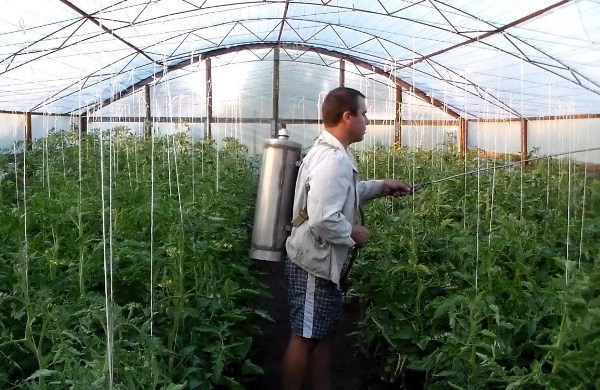
It's not uncommon for tomatoes to fail to bloom due to too-low temperatures in the open ground. However, excessively high temperatures in a greenhouse can also lead to tomato infertility. A comfortable air temperature range of 16 to 30°C (61 to 86°F)—or higher or lower—can stress tomatoes, preventing them from blooming. What should be done in this case?
When tomatoes are growing in a greenhouse and are suffering from high temperatures, it's important to ventilate the room as often as possible, protect it from sunlight, and provide shade. If the temperature is too low, however, it's best to insulate the room, for example, by adding rotted manure in the spring as a biofuel.
If the greenhouse temperature is too high at night, this could also be one reason why the plants aren't blooming: they're expending all their energy reserves on respiration. Again, you should ventilate the room or install containers of water to absorb some of the heat and maintain humidity.
Insufficient lighting
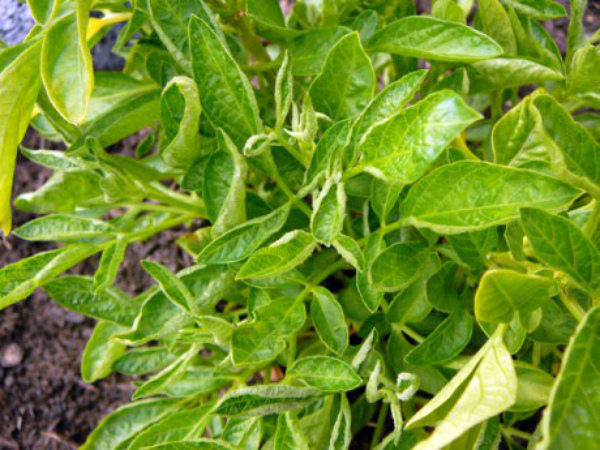
Tomatoes don't tolerate either too much or too little sunlight. Maintaining a balance between the two is crucial. Insufficient light is likely due to over-density planting; shaded tomato plants don't bloom because they don't see the purpose and light. Remove side shoots and thin out the tomato rows thoroughly to allow more space for growth. The tomatoes will likely bloom after this procedure. Thinning should be done every few weeks to prevent the beds from becoming dense.
Weather
Sometimes plants don't bloom due to bad weather. If it was rainy and cloudy just before the flowering period, that's the reason. The pollen becomes too heavy, making pollination impossible. In this case, you'll need to make a boric acid solution and spray the bushes to attract insects that will pollinate the plants. If the tomatoes are growing in a greenhouse, insects won't help. What should you do in this case? Shake the bushes yourself to encourage pollination.
Weak root system
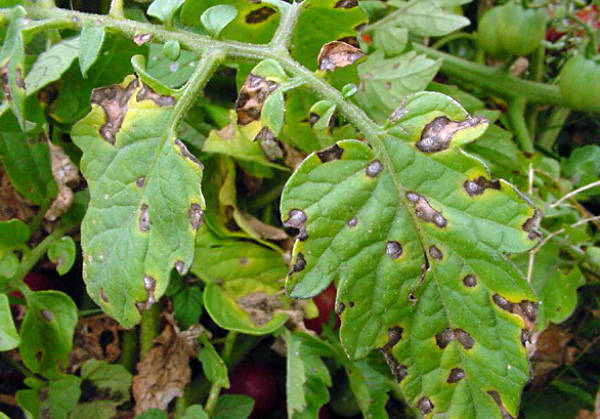
An underdeveloped root system is a death sentence for tomato plants. Why are roots developing poorly, and what can be done? First of all, regularly remove side shoots and pinches, and remove damaged and yellowed leaves. Mulching the soil can help. Make sure the plant receives sufficient moisture and nutrients.
Diseases
Finally, the last option that answers the question “why” is disease. Tomatoes are a crop susceptible to fungal diseases, so if you haven't carried out preventative measures against late blight and tobacco mosaic virus, this is one of the possible reasons why tomatoes aren't blooming. Infected plants cannot remain in the greenhouse, so they should be removed, and the remaining ones should be thoroughly treated with antiseptic and antifungal preparations.
Video: "Tomato Flowering and Fruiting Stimulator"
Take the advice of the author of this video, who recommends using a fruiting stimulant as a solution to the problem of tomato plants not blooming. Learn more in the video.