
Why does a plum tree drop green fruit and what can I do about it?
Content
Overview of the main reasons
Spring freezing
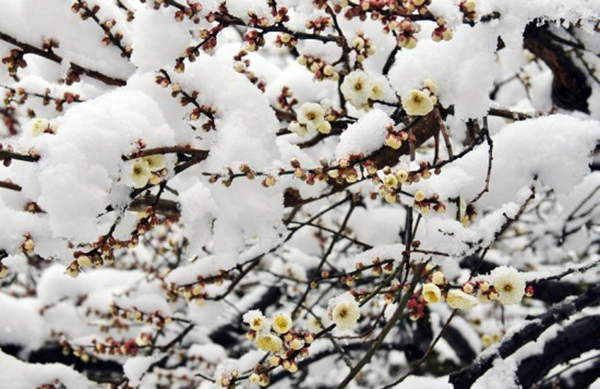
The most common reason plums fall off before they're ripe is because the pistil has frozen during flowering. This can be difficult to spot right away, making it difficult for gardeners to recognize the frost damage. White corollas, on the other hand, will give the appearance of blooming. However, if you examine the flower closely, the frozen pistil will not be green, but brown or even black.
Incorrect watering
Plum trees can begin to drop if the owner doesn't follow a proper watering schedule. Some plum varieties are very sensitive to soil moisture. This is because the root system of these fruit trees is close to the ground surface. For this reason, they need to be watered more frequently. If there's insufficient moisture, the fruits will become smaller and begin to fall off.
Nutritional deficiencies
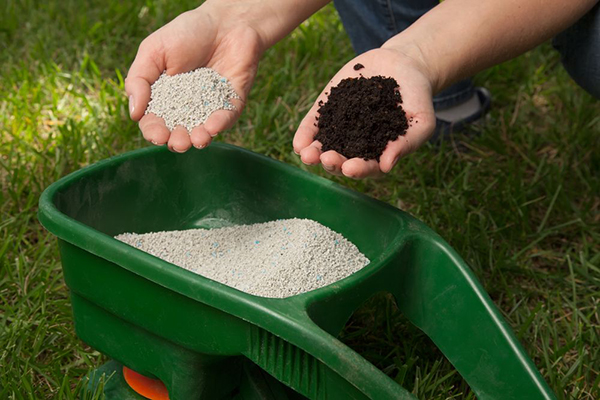
Poor soil is another reason plums drop. The better the tree is fertilized, the more fruit will be preserved until the fruit ripens. For example, if the soil lacks nitrogen, the leaves will turn yellow. Low potassium levels will prevent fruit from setting properly. Organic and mineral fertilizers should be applied regularly, and liquid fertilizers should be used during the growing season.
Poor pollination
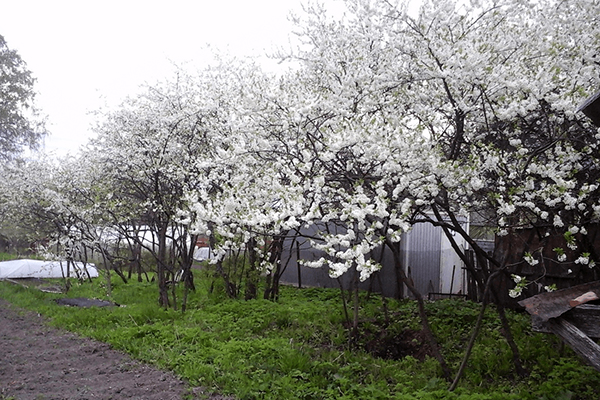
Another reason plums are dropping fruit is due to poor pollination. This happens when only one variety is planted in a plot. For good fruiting, at least two varieties are needed, both blooming at the same time. This is because plums are cross-pollinated.
Don't expect a large harvest if it rains constantly during flowering. In such weather, insects are practically inactive.
Diseases and pests
Fruit may also fail to ripen due to disease or insect infestation. For example, if a tree is infected with a fungal disease called clasterosporium, the plum will rot right down to the pit, without ever ripening. The fungus is especially prevalent in rainy weather. Another dangerous fungal disease is coccomycosis. It causes the tree to shed its leaves as early as midsummer, and the fruit stops developing and dries up.
Fruit rot most often affects stone fruits. Its presence is indicated by a rotting spot on the fruit that quickly spreads across the entire surface.
A frequent visitor to plum trees is the plum codling moth. This brown-winged butterfly lays its eggs directly into the fruit. An amber liquid oozes from the pest's burrow. The moth tunnels through the plum's flesh, eating it from the inside.
Video: "Plum Tree Care - 6 Acres"
In this video, an expert will explain how to get your plum tree to produce a good harvest every year.
What to do
We've identified the main reasons why plums drop fruit. Now let's talk about what to do to prevent the tree from dropping unripe plums.
First, inspect the plum tree for signs of disease or the presence of "uninvited guests." If diseases or pests are detected, treatment should begin immediately.
To prevent damage from diseases or harmful insects, plums must be treated with biological preparations in the spring and summer. Prune regularly to prevent the crown from becoming too dense. Immediately destroy fallen fruit affected by fungus, and also eliminate insects that carry diseases.
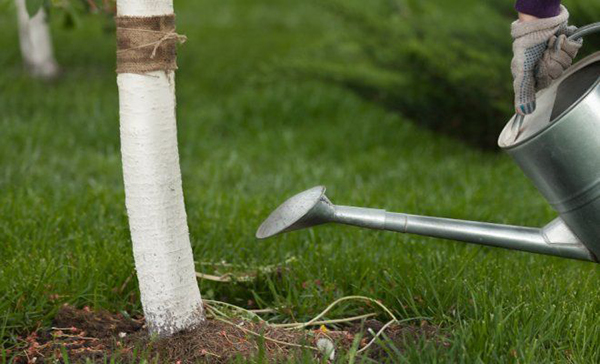
Maintain a consistent watering schedule: at least 3-5 times throughout the season. Watering should be done to a depth of 40 to 60 cm. However, when creating a watering schedule, consider the climate and specific features of the region, the amount of precipitation, and the depth of the groundwater table.
We remind you that poor soil is a common reason why fruits fail to ripen. It's essential to feed the tree with organic fertilizer in June. This will support the plum tree as the fruit develops and ripens.
To prevent crop failure due to a lack of pollinators, plant several plum varieties in the same plot. If there are enough pollinators, but the tree produces a meager harvest or drops fruit year after year, discard it.