
Why doesn't the plum tree bear fruit after planting?
Content
Reasons
Many gardeners face the question of why their plum tree isn't producing fruit or blooming. Mistakes made in caring for the plant aren't always to blame. However, it's worth highlighting the most common factors that can negatively impact your plum tree's fruiting.
Video: "Why the plum tree isn't bearing fruit"
In this video, an expert will discuss the compatibility of different types of plums and why they don't bear fruit.
Soil
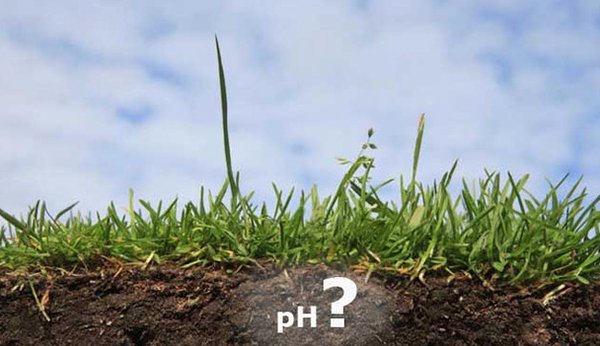
Why a plum tree doesn't bloom, even though you're trying to care for it properly, is a common problem among Russian gardeners. Often, the root cause is poor soil composition. Plum trees prefer slightly acidic soil. Under these conditions, the plant thrives. To make your soil composition slightly acidic or neutral, you need to saturate the soil with wood ash or slaked lime.
You can confirm that poor soil and high acidity are the cause of your plum tree's lack of blossom by inspecting the area. If you notice a whitish layer resembling ash on the soil, it means the soil in your garden is indeed acidic and not suitable for plum tree rooting.
Incorrect landing
It's also worth clarifying why a plum tree blooms but doesn't bear fruit in advance to avoid any difficulties during planting. However, this is where many novice gardeners make their biggest mistakes. As a result, the plant develops into a weak one, unable to bear fruit abundantly.
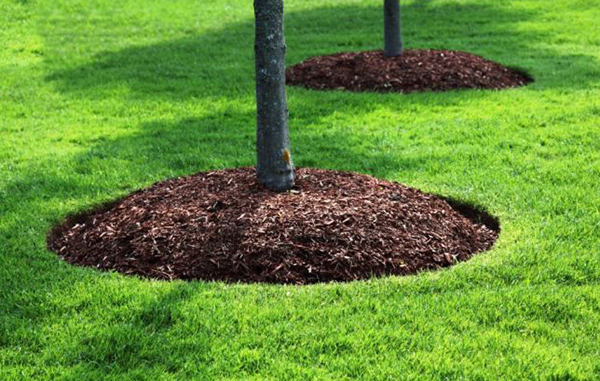
The problem is that plum trees are sometimes planted incorrectly—they're buried so deep that their root collar isn't visible at all. This is a serious mistake, as the tree's root collar should be visible above the soil. If you haven't followed this recommendation, don't be surprised if, over the years, your plum tree fails to bloom and produces no fruit.
Watering mode
To ensure plum blossoms and fruiting every year, its soil must be moistened regularly and in reasonable amounts. Plum fruiting will be consistent if you follow these soil watering guidelines:
- It is recommended to water the plum tree for the first time during the growing season when inflorescences appear on it;
- the substrate must also be irrigated during the period of ovary formation;
- when the seeds are actively growing, you can’t do without watering;
- It is recommended to moisten the soil separately in September.
If you do not irrigate the plum substrate within the specified timeframe, you cannot expect abundant fruiting.
Timing of fertilizing
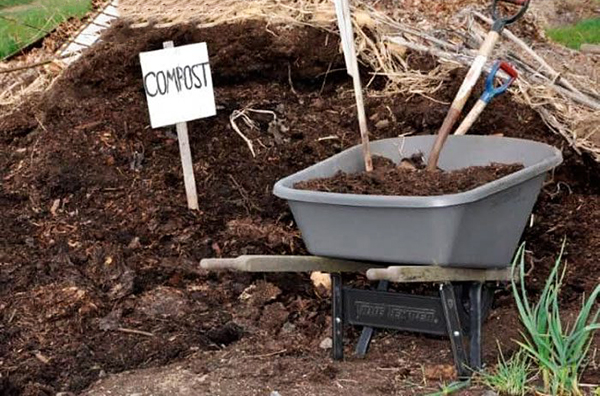
When time passes and the plum tree still does not begin to bear fruit, the main reason may be due to improper fertilization or its complete absence. You can make the plant bloom every year if you regularly feed it with the beneficial components it needs.
When fertilizing the plant, you need to take into account the following recommendations:
- Just before the flowering phase begins, feed the plum tree with urea. Additionally, you can add some organic fertilizer to the soil, such as rotted manure or an infusion of bird droppings.
- In July, when the fruits are actively ripening, it is time to feed the plum tree with a mixture of organic fertilizers;
- After you have harvested the crop, you can add phosphorus and potassium compounds to the soil.
Knowing how long it takes to feed your plum tree, as well as which nutrients it needs most, will help you enjoy a full harvest.
Tree damage
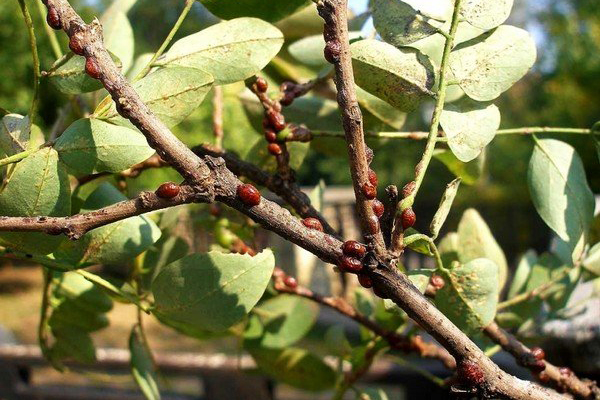
Knowing the year your plum tree begins bearing fruit after planting can make you concerned if it fails to bloom or produce fruit. This could be due to mechanical damage, pest infestations, or disease. You can combat this problem with specialized chemicals.
Other reasons
Plum fruiting can be adversely affected by weak rhizomes, the infertility of the variety you've chosen, and certain climatic conditions in your region. Preventing the plant's demise is entirely possible. However, first, you need to determine the cause of your plum tree's problems.
What to do
If your fruit tree is growing but not producing plums, you need to take comprehensive measures. Be sure to fertilize, especially if you notice the plant's foliage turning yellow. Don't forget about watering, as well as protecting it from insects and diseases. This way, you won't have to figure out why your plum tree isn't producing fruit.