
Why isn't my pear tree bearing fruit and what should I do with it?
Content
Peculiarities of flowering and fruiting of pears
It should be noted that this fruit is quite unpretentious and does not require any special care.
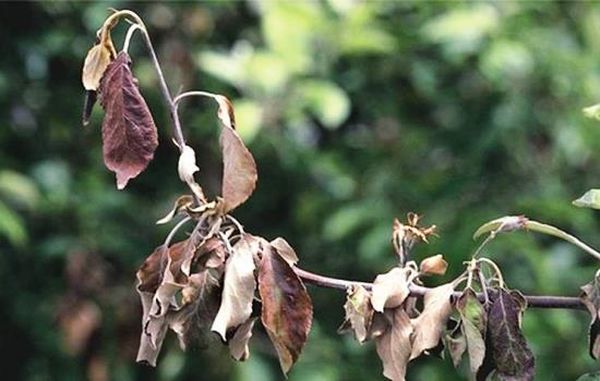
On average, a harvest appears after 5-8 years, depending on the variety. However, there are also trees that will not begin to bear fruit until 12-15 years later. The Annushka, Pamyati Yakovleva, Chizhovskaya, and Medovaya varieties are considered early bearers. The Duchess, Williams, and Talgarskaya Krasavitsa varieties bear fruit at a medium age. The Favoritka, Bessemyanka, and Limonka varieties begin bearing fruit later than others.
Experts note that the average fruit-bearing age is 60–70 years. However, there are examples of pears being harvested for 110–140 years straight. Moreover, the yield per hectare ranges from four to five tons. The highest recorded yield is one ton of pears from a single tree!
You will be able to harvest annually if the tree is properly cared for.
It's important to remember that pollination is difficult because pears are self-sterile. When planting, space different varieties 3–4 meters apart. However, the distance should not exceed 30 meters, otherwise the plants will simply not be able to pollinate.
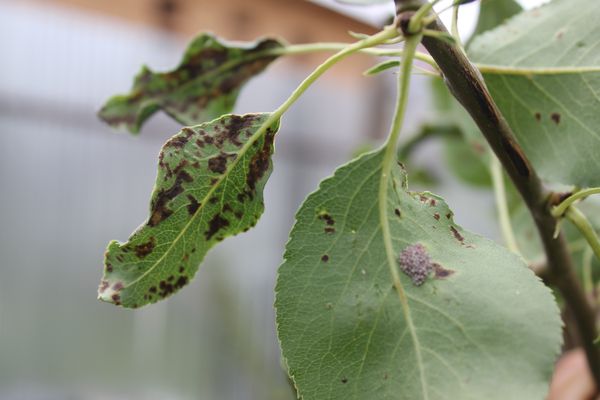
This fruit tree is frost-sensitive. Therefore, during a sudden cold snap, while there's still no snow, gardeners recommend applying a layer of mulch around the trunk, covering the entire tree's crown. They also recommend using covering materials such as pine needles, branches, and leaves.
If something bad happens and the bark cracks due to frost, coat it with clay or garden pitch, then wrap it in cloth.
Why doesn't the tree bear fruit?
You'll be surprised how many factors there are that prevent your tree from delighting you with a tasty and abundant harvest.
When it comes to purchasing seedlings, gardeners recommend buying from reputable nurseries. If a pear tree hasn't borne fruit for more than its varietal characteristics dictate, you've purchased a so-called "wild" tree. It can be identified by its small leaves and the presence of thorns on the ends of its shoots. It grows well, but is unable to bear fruit.
Pay special attention when planting this fruit tree: the root collar must be in place, namely at the level of the top layer of soil. If it is planted deeper, there is a risk of rot, which will weaken the plant and eventually lead to its death. If the root collar is planted too shallow, it risks freezing, and the roots will simply dry out.
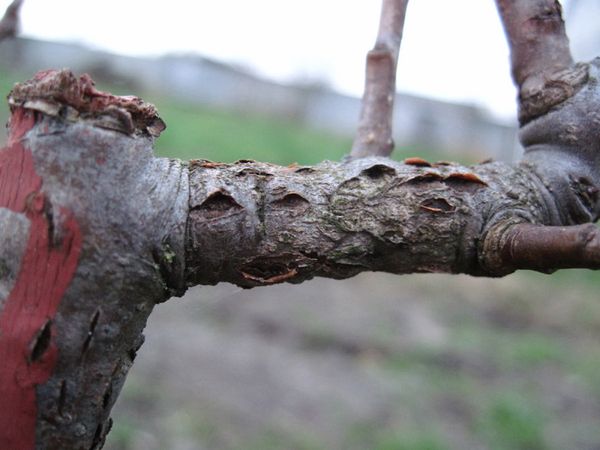
Soil composition is particularly important when growing virtually all types of fruit crops. High acidity negatively impacts pear fruiting. Excessively wet soil or close groundwater levels will lead to waterlogging and excessive moisture in the root system. As a result, the plant will be unable to produce fruit. The same problem arises if the soil is poor and lacks minerals and other nutrients.
Having assessed the previous problem, many people make another common mistake: over-saturating the soil. Fertilizing must be done correctly; otherwise, the foliage will grow vigorously, but the tree will not flower or bear fruit.
Quite often, the reason a plant doesn't want to bear fruit is insufficient light in the area. A high fence, tall trees, or buildings nearby can prevent you from seeing the long-awaited blooms.
If the location and soil conditions are satisfactory, note that self-sterility can create some difficulties with pollination. Different varieties should be planted nearby. If this is not possible, graft another variety onto the tree to ensure cross-pollination.
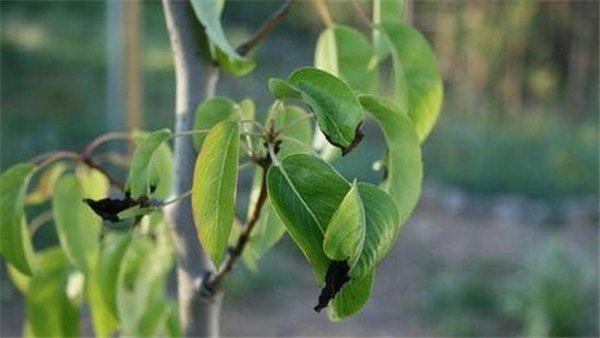
Remember that we are dealing with a heat-loving plant. A pear tree will not bear fruit if exposed to frost. Low temperatures and winds are among the main enemies of your harvest.
Overgrown branches and densely growing crown areas are considered unfavorable factors. Incorrect pruning will cause wilting and small fruit. Avoid overdoing thinning, as aggressive thinning can cause significant stress on the tree. This can lead to questions about whether the tree will produce fruit after such a procedure.
Don't forget about garden pests like psyllids and apple blossom beetles. These insects suck the sap from your trees and also carry fungal infections.
How to make a tree bear fruit
Based on the reasons for the lack of harvest, there are several methods for forcing a pear tree to bear fruit:
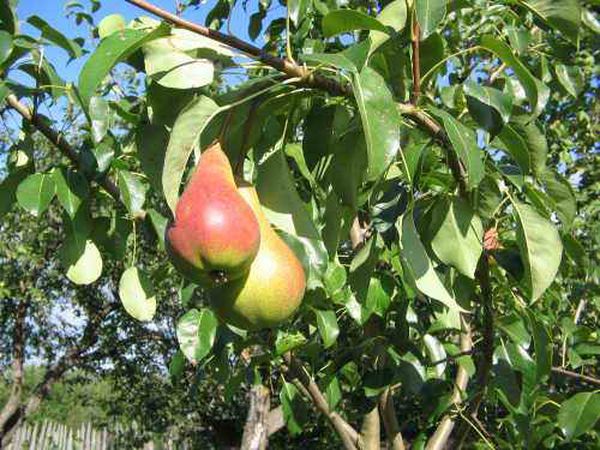
- Check the pollination conditions of your trees. It might be worth grafting some pears from other varieties. This will allow them to grow in suitable conditions for cross-pollination.
- If your pear tree is not producing fruit, make sure the plant is not freezing or suffering from strong winds.
- Pay attention to the location of the root collar. What should you do if it's too deep? Spread the top layer of soil, gradually removing the required amount. If it's too high above ground level, hill it up.
- To prevent the branches from becoming too dense and creating unnecessary shade, prune them. Also, bend the branches using weights or stakes. Be careful and vigilant to avoid damaging the plant.
- Take all precautions to control insect pests.
Proper care of pear trees will definitely lead you to a rich harvest!
Video: How to Make a Tree Bear Fruit
This video will tell you what to do if a tree stops bearing fruit.