
Growing dill: secrets from experts
Content
Choosing a location
Dill grows best in areas with a deep layer of fertile, loose soil and a low water table. Its special requirements include a pH level close to neutral. Dill dislikes acidic soils and won't grow in soil fertilized with lime or dolomite flour. The plant's roots extend deep into the soil but have few branches, hence its demand for good soil structure and moderate moisture.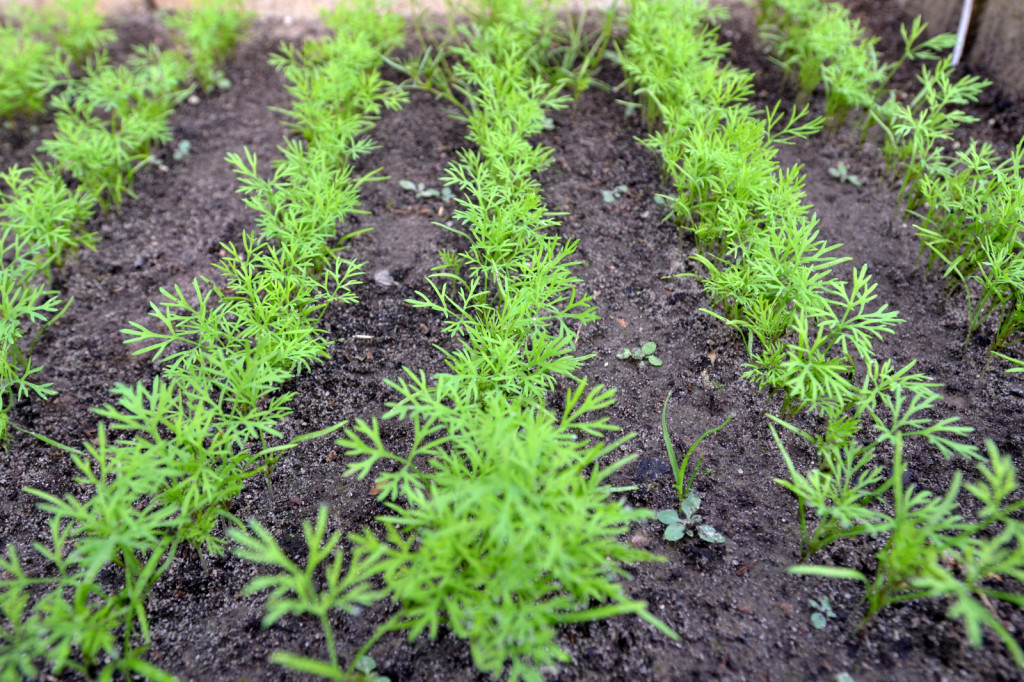
In regions with high rainfall and high groundwater levels, it's recommended to plant dill on raised beds. Therefore, it's easiest to plant dill in beds that have been well-fertilized for previous crops.
Good precursors for dill include cucumbers, tomatoes, cabbage, and legumes. If you're just preparing the bed, start in the fall. Dig the soil to the depth of a spade, adding approximately 3 kg of rotted manure, 15 g of ammonium nitrate, 10 g each of superphosphate and potassium salt per square meter. Dill should be grown in well-lit areas; in the shade, the plants will stretch and turn pale.
When choosing a place for dill, it is useful to consider that the best neighbors for it are onions, lettuce, cucumbers and cabbage.
Video "Growing"
This video will show you how to grow a bountiful harvest of dill.
Fertilizing crops
Fertilizer applied in the fall is usually sufficient for dill for the entire growing season, and the crops don't require additional feeding. However, dill can be planted repeatedly. If soil fertility is in question, fertilize no more than twice. To do this, dilute 20-25 g of urea and 15-20 g of potassium salt in 10 liters of water. Yellowing leaves and early flowering indicate a nitrogen deficiency. One teaspoon of urea per bucket of water will solve this problem. Those who prefer organic farming can dilute mullein with water at a ratio of 1:10. However, don't overuse nitrogen fertilizers, as dill accumulates a lot of nitrates in its leaves. When growing your own vegetables, you have the right to decide how much nitrate to consume, if any. It might not be worth chasing the amount of green foliage.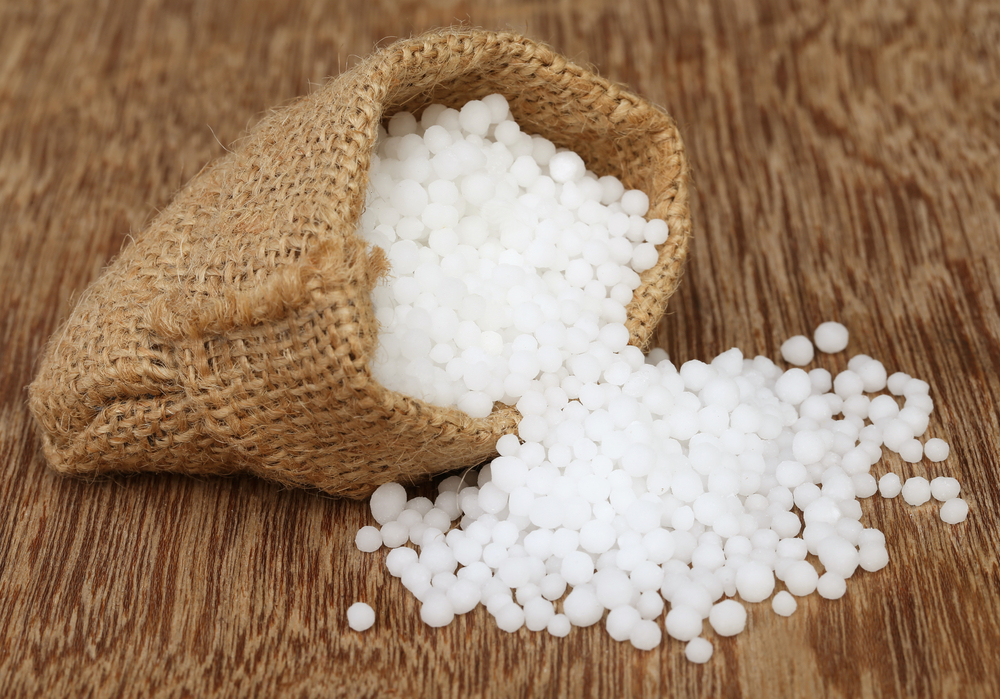
You can’t sprinkle dill with ash, as this will cause the leaves to turn red and slow down growth. In general, given the short growing season, it is better to prepare the soil for planting in advance or apply fertilizer in a form that will provide the plant with the nutrients it needs in a timely manner.
Landing features
Dill is a fairly cold-hardy plant. The seeds begin to germinate when the soil warms to 3°C. A temperature of 8-10°C is sufficient for normal development. However, germination takes up to two weeks due to the high amount of essential oils they contain. The earliest seedlings to emerge are from last year's fallen seeds, which are well saturated with moisture. Therefore, to speed up the harvest, the seeds are soaked. To do this, they are tied in a piece of cloth and placed in room-temperature water for three days. The water is changed five times a day, then the seeds are lightly dried and sown in the soil. To ensure a continuous harvest, plantings are spaced two weeks apart.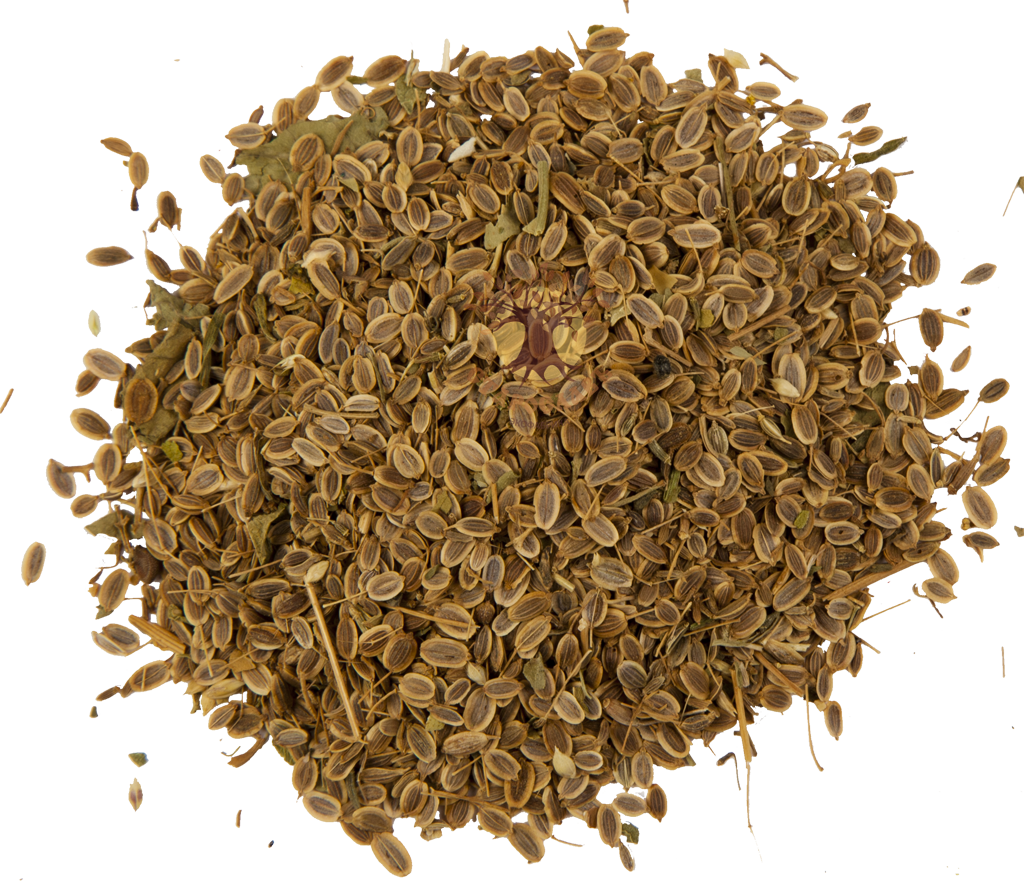
Dill is very sensitive to daylight hours. Flower formation accelerates if the daylight period exceeds 14 hours. By exploiting this property and choosing the right varieties for their ripening times, you can create a plentiful supply of dill. Plant late-ripening varieties in spring and mid-summer, and early-ripening varieties in late May and early June, which bloom quickly even in cool summers.
By planting dill in the beds cleared by onions, you can harvest it in September or October. For an early harvest, sow the seeds as soon as the snow melts, covering them with plastic to speed germination.
When sowing dill, it's more effective to make furrows 5 cm wide and 2-3 cm deep rather than strips, scattering the seeds across the entire width. Once the seedlings emerge, pull out the excess plants whole, combining harvesting with weeding. This will reduce root damage to adjacent plants. Space adjacent furrows 25 cm apart.
Selecting a variety
We've covered how to grow dill. Now let's take a broader approach: how do you grow good dill? Choosing the right varieties will help.
The timing of stem formation determines whether the dill harvest will be in the form of seeds or greens. Dill is divided into three groups: early, mid-season, and late stem formation.
Early varieties typically produce 4-6 leaves and an umbel. Mid-season varieties have a more spreading rosette of 6-10 leaves and a good seed yield. With the same sowing dates, ripening occurs a week later. Late-ripening varieties have a bushy, spreading, low rosette of leaves, and the umbel does not have time to ripen.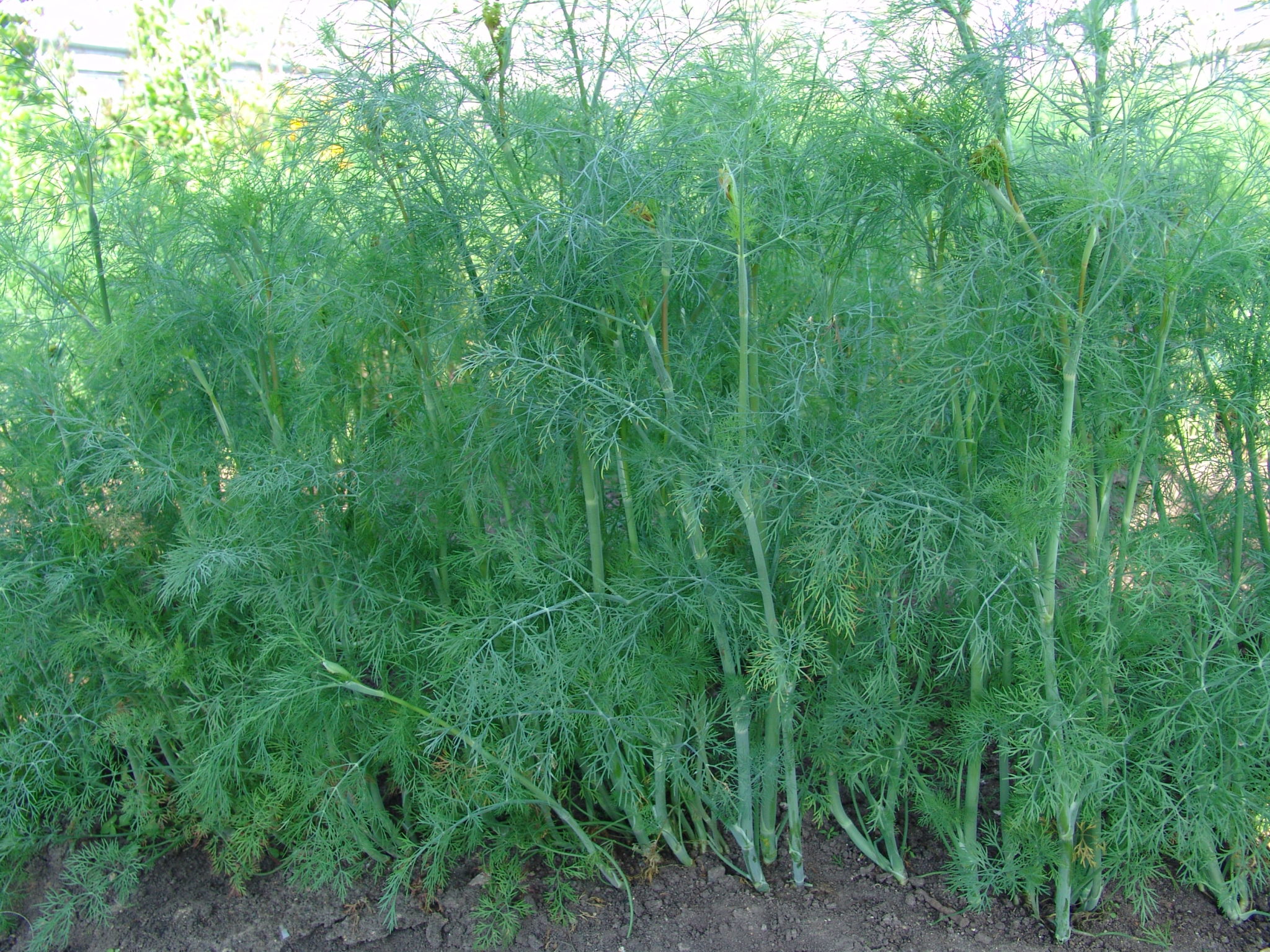
Early varieties include Umbrella, Dalniy, Grenadier, and Redut. The most popular variety in this category is Gribovsky, which even reproduces by self-seeding. It's suitable for growing dill on a windowsill in winter.
Mid-season varieties: Amazon, Kibray, Alligator, Richelieu, Umbrella, Max.
Late varieties: Superducat OE, Salute, Kutuzovsky, Uzory. Late varieties are distinguished by their more lush foliage. Some are distinguished by their ability to form lateral shoots in the leaf axils, hence their name "bushy."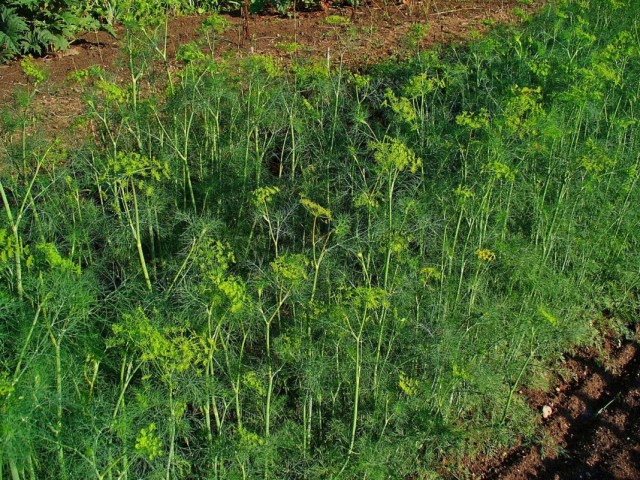
Growing bush dill is different in that it's slightly more demanding of soil nutrients due to its abundant vegetative growth, and the seeds must be planted at wider intervals. Regular thinning ensures a distance of up to 25 cm between plants.
Pests and their control
Powdery mildew, caused by the fungus Erysiphe umbelliferarum, affects not only dill but also its relatives—carrots, parsnips, fennel, and celery. It spreads in damp weather. Initially resembling a web, then resembling traces of whitewash, the fungus gradually infects the entire plant. The plant loses its juiciness, aroma, and flavor. There is no cure.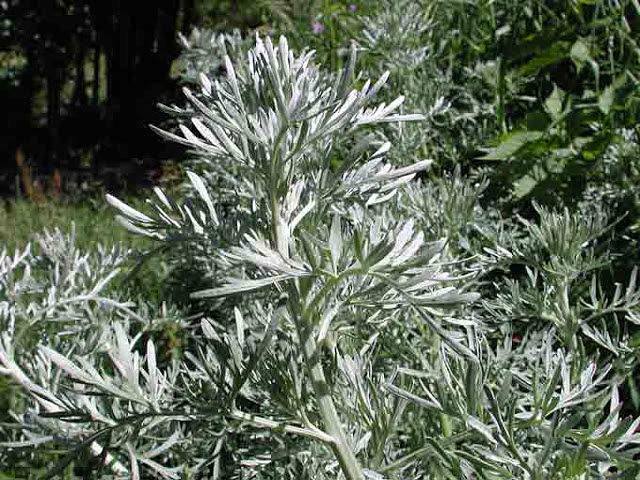
Fusarium wilt first affects the lower leaves, causing them to turn yellow, then turn reddish or brown. The causative agent, Fusarium fungi, accumulate and overwinter in the soil. Its development is facilitated by warm, humid weather and pest transmission.
- Umbrella bugs. These bugs and their larvae suck the sap from young shoots, seeds, and inflorescences, leading to the death of the above-ground parts of plants.
- Aphids. It's impossible to count the number of leaves a colony of these tiny insects can consume and the number of diseases they can cause. Immediate action is required when they appear.
Treat growing dill effectively with the biological product "Fitoverm." Dissolve 1 ampoule (5 ml) in 1 liter of water. After treatment, aphids die within 12-14 hours. The effect lasts for 7 days.
It is impossible to fight pests with chemical methods, so the fight consists of using preventative measures, observing crop rotation, destroying plant residues and deep digging of the soil.
Video "Dill in Winter"
From the video you will learn how to care for dill greens.