
Features of growing sorrel in open ground
Content
Processing the landing site
Sorrel is typically grown outdoors. It's such an easy-to-grow crop that you can sow it almost any time in your garden or at home, and then reap a harvest of fresh, green leaves. However, if you're going to plant vegetables, you should strive to get the best possible yield from a small plot. To achieve this, you usually select a good site and prepare it in advance.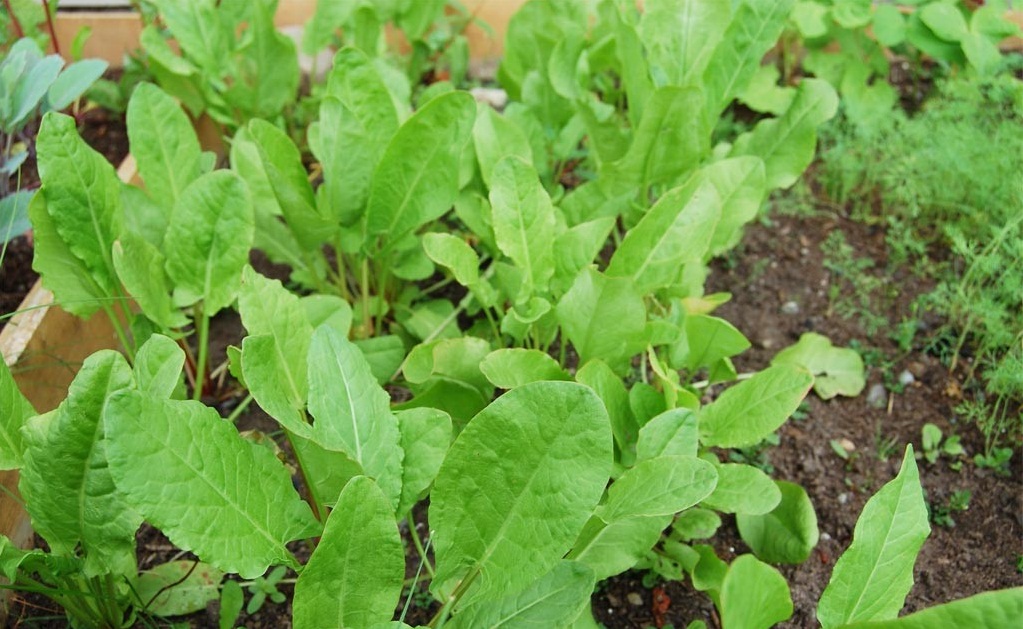
Sorrel grows well in fertile, slightly acidic loams or sandy loams; drained peatlands are ideal. It prefers light partial shade under young trees. It requires moisture, but not waterlogging; groundwater levels should be at least a meter below the surface. It's best to choose a bed where pumpkins, beets, onions, or greens were previously grown.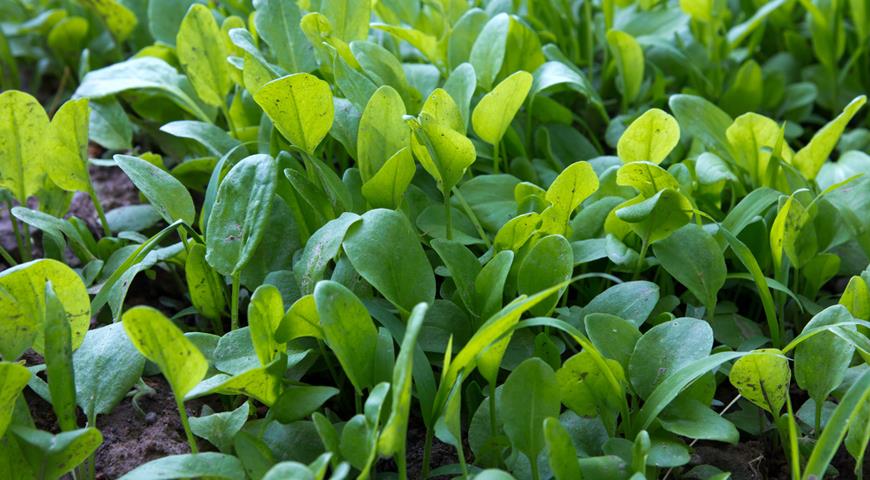
In the fall, you need to choose a spot for sorrel, but it shouldn't be too large—a plot no larger than 1.5 square meters can provide a year-round supply of sorrel for a family of five. It's best to clear the area of weeds and dig it to the depth of a spade. You can also add compost, humus (or even manure), superphosphate, and potassium chloride. Then, keep the area weed-free. In the spring, just before planting, loosen the soil.
Video "Secrets of Growing"
This video will teach you secrets to growing sorrel.
Specifics of sowing operations
Sorrel can be sown outdoors throughout almost the entire warm season. This is done in the spring in March or April, as soon as the ground thaws. A temperature of +3°C (36°F) is sufficient for the seeds to germinate. The soil has accumulated enough moisture to produce lush greens. Sow in midsummer or late fall.
In early spring, as soon as the ground thaws, you can begin sowing. In the bed prepared in the fall, make furrows 1.5 cm deep, leaving up to 25 cm between rows.This plant's seeds are small and need to be sown infrequently, so 2 grams of seed per square meter is sufficient. They can be sown dry or soaked in water for two hours to speed germination. The soil should still be fairly moist, so there's no need to water them before sowing. Cover the seeds with soil and press firmly to ensure they are in firm contact with the soil.
The first shoots appear within two weeks. However, you can speed up the process by covering the seedlings with plastic or non-woven material, which will create a greenhouse effect. In such a warm, humid greenhouse, the seeds will germinate in 5-6 days. The cover should be uncovered as soon as the shoots appear to prevent them from stretching too much under the cover. Then, thin the plants out twice as they grow, leaving at least 10 cm between the bushes. In the summer, that is, in two months, you can sample the harvest, and then harvest it throughout the summer.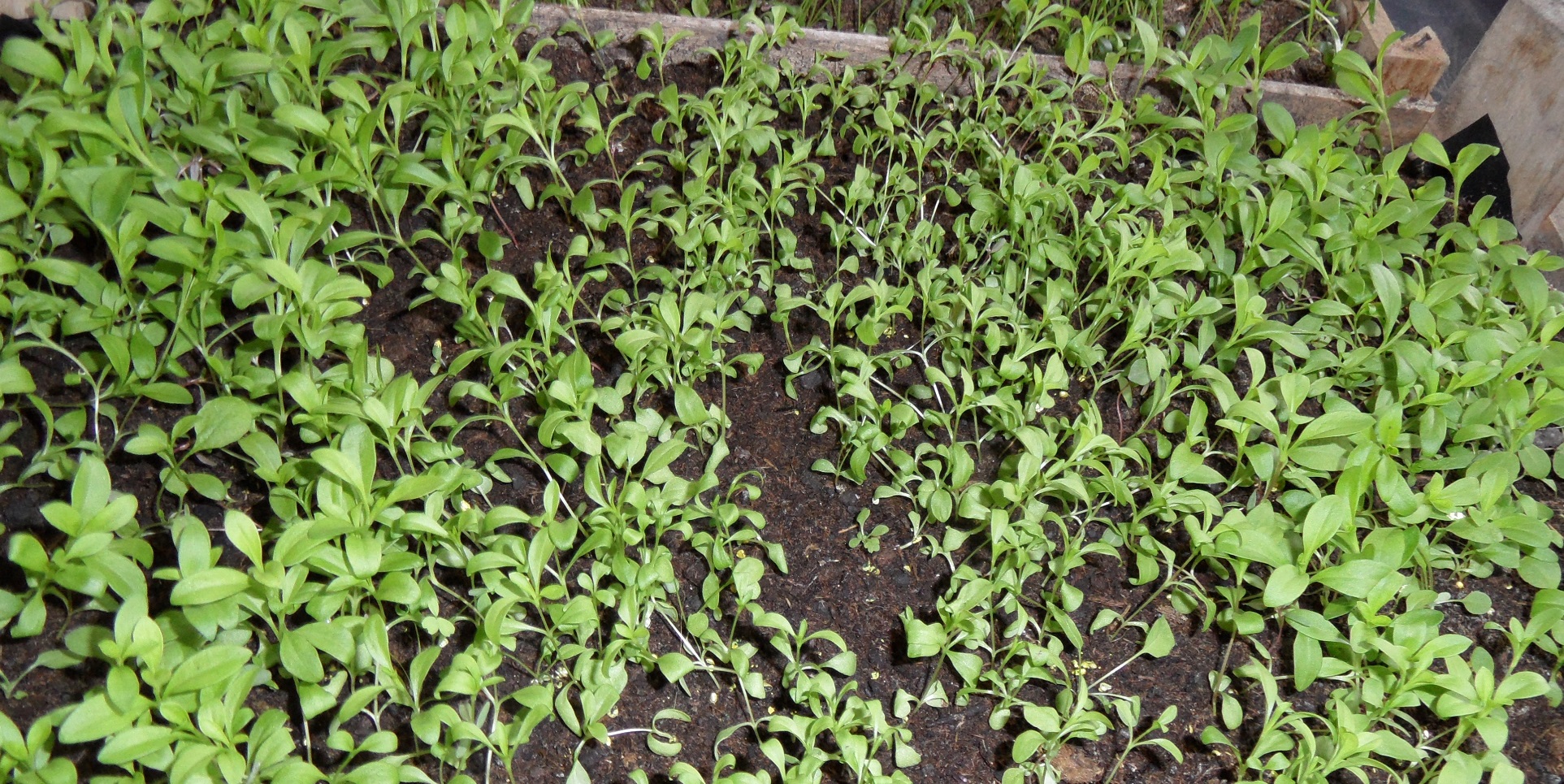
Summer sowing is done after harvesting radishes, early cabbage, or lettuce. A bed is prepared in the vacated area and watered before sowing. Sorrel sown in summer will require care for the rest of the season, requiring regular watering. The harvest won't be available until the following spring, but it will begin to grow in early spring, as soon as the ground thaws. Fall sowing is done before winter, so the seeds don't have time to germinate in the fall. By doing so in the spring, they will receive excellent hardening during winter frosts, ensuring almost 100% germination. If a thaw catches the seeds in the ground, they may germinate but freeze over the winter. Therefore, winter sowing isn't always successful; it's difficult to time it correctly, so it's best to take your time and sow no earlier than November.
Care Features
Sorrel is an unpretentious plant; a wild relative of our cultivated varieties, it still thrives without any care. Meanwhile, our bushes, which vary in shape, leaf size and color, flavor nuances, and ripening times, require fairly standard care. This includes weeding, loosening the soil, watering, fertilizing, and protecting against pests and diseases.
Weeds should be removed throughout the season, not just by pulling them out but also by removing them from the beds and not leaving them between rows—this is the best disease prevention. The soil around the plants should be loosened, preventing crusting after watering and liquid fertilizers.
This leafy vegetable thrives on moisture and needs to be watered regularly, depending on the weather—the hotter the weather, the more frequently. A lack of moisture can trigger early flowering in the first year, although under normal conditions, this perennial plant should bloom only in its second year. However, overwatering should be avoided, as this can lead to root rot.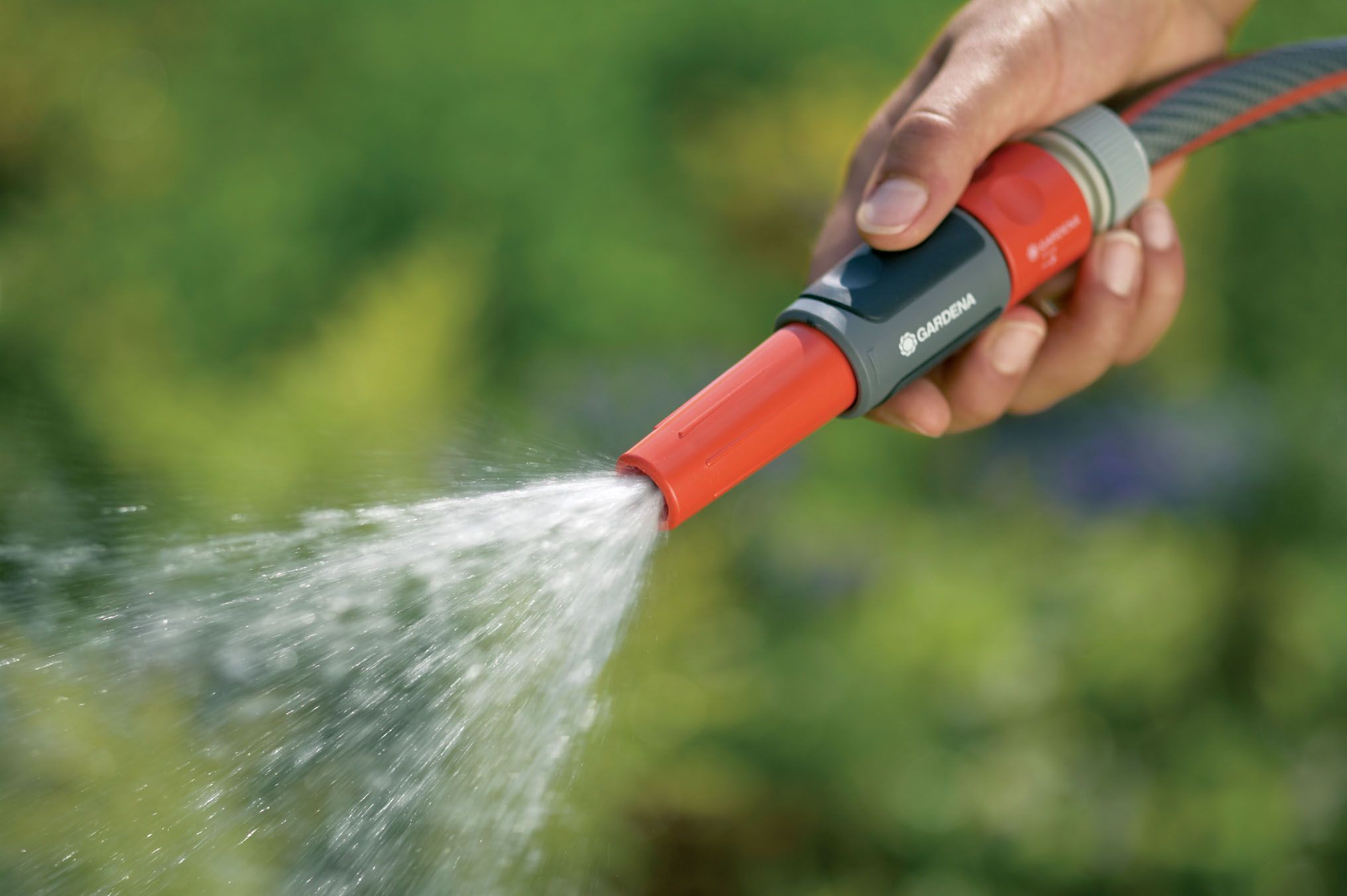
Fertilizers are applied after cutting the leaves to maintain the plant's strength and stimulate new growth. Typically, nitrogen-rich mineral fertilizers are used. Many gardeners, after the first leaf cutting in the spring, water the bed with a nettle infusion diluted tenfold with cow manure. In the fall, after the last cutting, they spread humus mixed with soil around the bushes. Experienced gardeners advise applying fertilizer between the rows rather than under the bushes themselves. The type of fertilizer depends on the weather: if it's dry and hot, liquid fertilizers are needed; in rainy weather, dry fertilizers are better. If the bed was well fertilized before planting, the main fertilizers are applied the following year; overdoing it is dangerous, as excess nutrients are deposited in the leaves.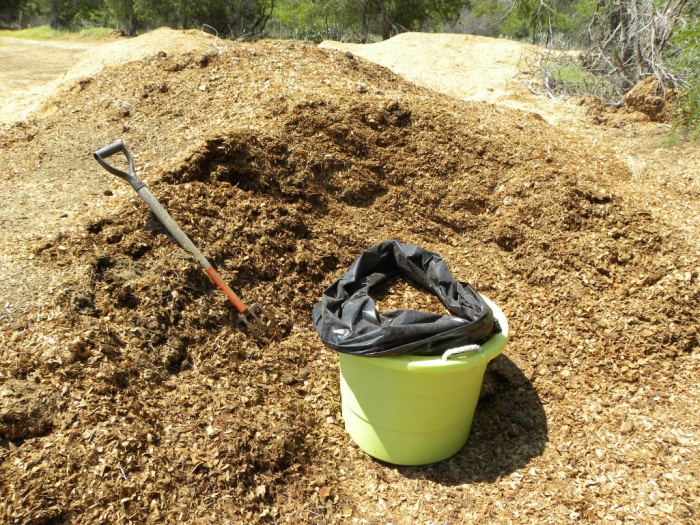
Sorrel rarely gets sick; if it does, it's because it wasn't cared for properly. Rust, which causes spots on the leaves (which then develop holes in the center of the spots), can lead to the death of the plant. To avoid this, keep the bed clean, don't leave any uprooted grass among the plants, and loosen the soil. If rust does appear, copper sulfate can help. This treatment should only be carried out after harvest.
Overwatering can lead to root rot, which should also be monitored. The bushes produce their greatest harvest in the second year, bearing fruit well for four years, but then the yield declines, as does the plant's vigor, making them more susceptible to disease. After four years of cultivation, it's advisable to rotate the plant's location—this is also a form of disease prevention.
The sour plant doesn't have many enemies. Its leaves are popular with sorrel leaf-borers and sawflies, and sorrel aphids can also attack. If you plant chamomile, garlic, coriander, or calendula nearby, the pests will likely avoid the bed. If not, you'll need to use a dust or nicotine sulfate (for aphids), but this treatment is done after harvest. If you can't wait, simply cut off all the leaves a couple of times after treatment, avoiding eating them. Then, eat the next harvest.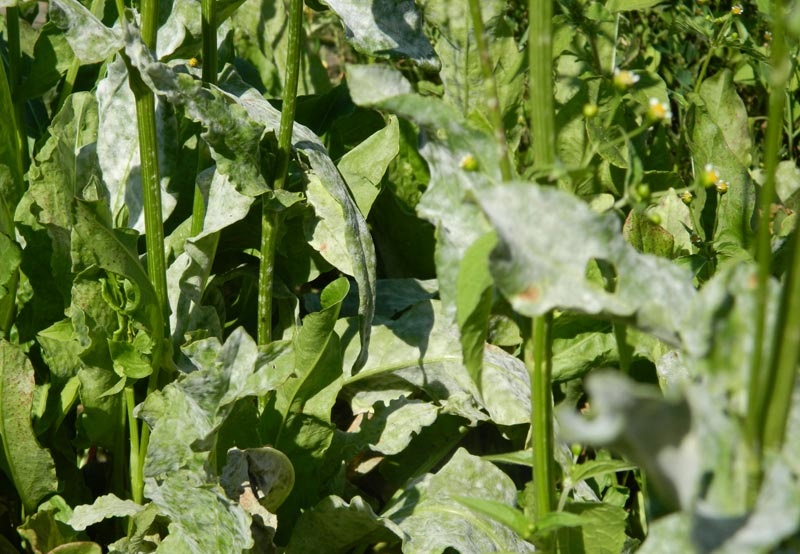
Before winter, cut off all the leaves. Don't leave them until frost sets in, otherwise they'll inevitably collapse and become compacted, reducing air and moisture reaching the roots. There's no need to cover sorrel for the winter, especially if snow is expected; this will preserve the roots until next spring.
Harvesting and seed preparation
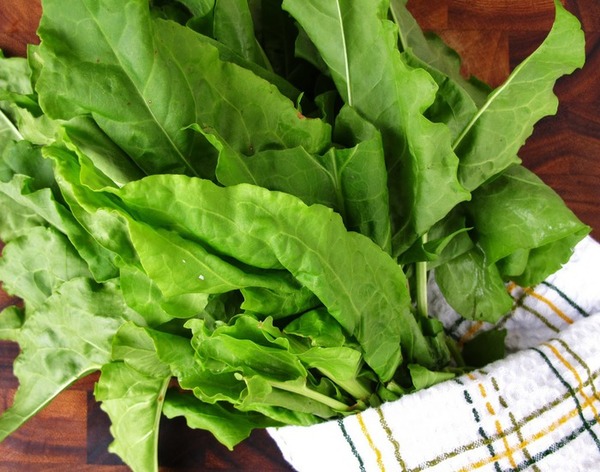
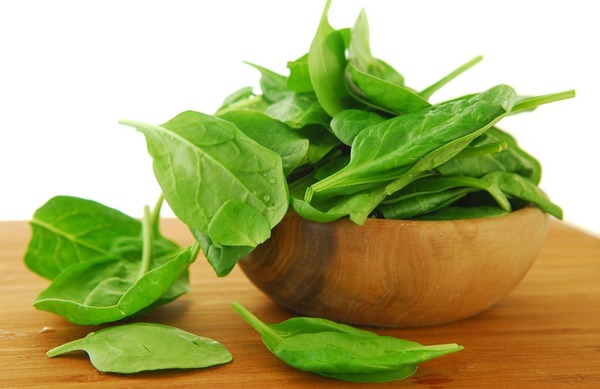
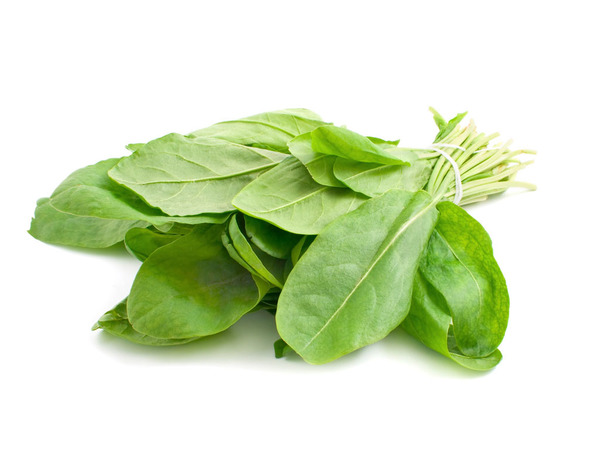
The harvest is done by cutting the leaves with a sharp knife or simply plucking them with your fingers. Pulling a leaf can stretch the entire bush, preventing its growth. The leaves are cut in the morning or evening, as they are not as juicy during the day. At least four harvests are usually obtained per season. A month before the onset of frost, the leaves are cut off to allow the plants to accumulate strength before winter. The final cutting no longer feels like a harvest, but rather like preparation for winter.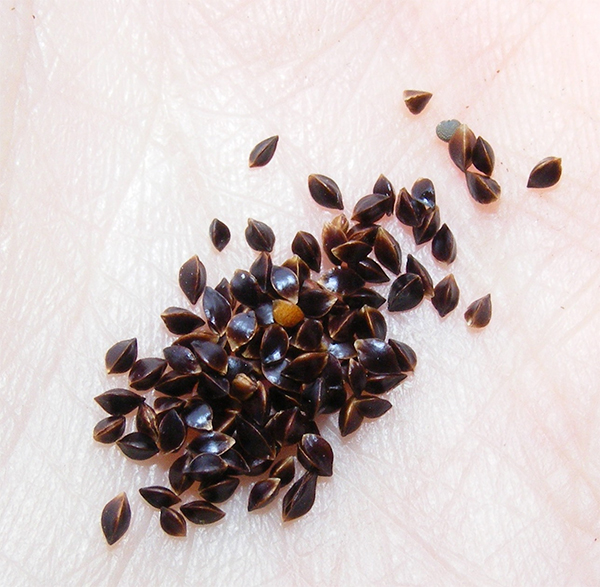
Fresh leaves are used in salads, first and second courses, and pies. They will keep for up to 10 days on the bottom shelf of the refrigerator, but don't wrap them tightly in plastic. It's better to loosely place the dried leaves in a ventilated container or a perforated cardboard box. For the winter, they can be frozen, salted, or canned.
If you want to collect seeds, allow the plants to bloom in their second year (leaving flower stalks on 2-3 bushes is sufficient). Small white flowers appear in the second half of May, and by mid-July, the inflorescences turn brown. They are cut, dried for about 10 days, and then rubbed between the palms of your hands. The light chaff is blown out, leaving the seeds. They remain viable for four years. This is precisely the time after which you should rotate the plants and their growing location to ensure a consistent harvest of healthy sorrel.
Video "Care Features"
This video will show you how to care for sorrel.