
Growing rosemary outdoors and indoors
Content
Description and characteristics of rosemary
Rosemary grows naturally in open ground year-round. The average height of the bush, covered with thin, needle-like leaves, reaches 2 meters. The plant blooms with small flowers of a delicate bluish hue. There are only about five known varieties of rosemary, but two are commonly grown in Russia: common rosemary and medicinal rosemary.
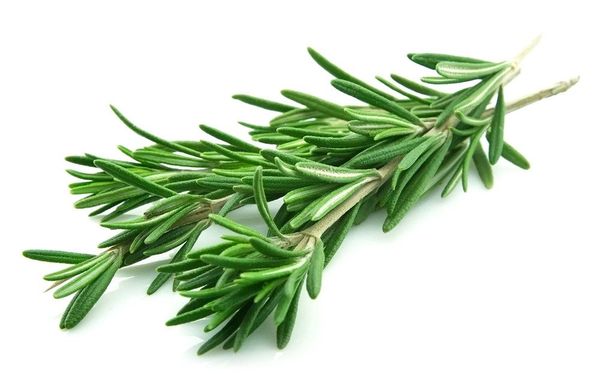
It is noteworthy that the spice is valued not only for its exceptional aroma in cooking, but is also included in many medicinal tinctures and herbal teas.
Necessary conditions for growing
Growing rosemary in our climate requires certain conditions. Remember: rosemary seedlings are frost-sensitive, don't like drafts or shade, and prefer light, loose, and nutritious soil.
In open ground
Rosemary is a heat-loving plant, so it's best to wait until warm spring weather arrives before planting it in the garden. The optimal time is late May, when the plant is sure to establish itself well. The planting site should be sunny and sheltered from strong winds. It's important to maintain a proper watering schedule: keep the soil consistently moist, but not wet.
In apartment conditions
Planting rosemary in a pot indoors requires following almost the same rules as growing it outdoors. You'll need to maintain a constant temperature of 20°C, place the container on a south-facing windowsill, and monitor the soil's moisture levels.
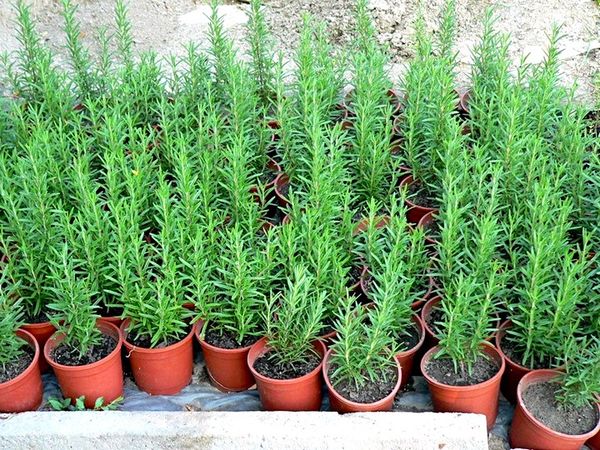
Landing rules
To grow a beautiful, vigorous rosemary bush, it's important to consider not only the plant's requirements but also all mandatory planting conditions.
Into open ground
So, once you've chosen a planting site, it's time to consider the soil composition. Preparing the optimal soil mixture is easy: just mix two handfuls of regular lime, 2 kg of coarse sand, 2 kg of compost, about 5 kg of leaf mold, and a few handfuls of sawdust.
Maintain proper spacing between holes: the more vigorous your rosemary plants are, the more widely spaced they should be. On average, space plants 50 cm apart. Remember to plant rosemary only after all danger of night frost, even light ones, has passed.
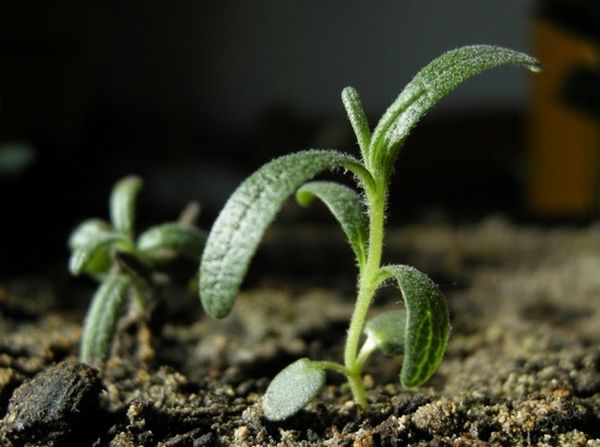
Rosemary can be planted or sown. If you have several established cuttings from a mature plant, planting rosemary directly into the ground is easy. Alternatively, you can sow the seeds for seedlings, allowing them to germinate indoors, or even root cuttings by trimming the top shoots of the plants.
In apartment conditions
Growing aromatic rosemary indoors begins with sowing the seeds. They are planted in light, well-moistened soil at the end of winter. The container is covered with glass or transparent film and placed in a cool room with a temperature of around 5–6°C for several weeks. Then, the pot is moved to a warmer location, where the seedlings will emerge (after about a month).
When the plants grow a little and already look like small bushes, they are transplanted into separate boxes, and after some time they are planted in a permanent location.
Care Features
Caring for the plant is easy, and the process is not much different whether you're growing rosemary in a garden bed or in a pot on your balcony.
In open ground
Caring for rosemary outdoors is fairly simple. It's important to keep the soil in the rosemary bed slightly moist, especially during hot summers. Regular fertilizing is also essential throughout the active growth period. Complex nutrient mixtures are commonly used for this purpose. Standard gardening practices, such as loosening the soil and removing weeds, will also be necessary.
Overwintering in open ground is possible, but only if you've chosen a frost-hardy variety. Before leaving the bush until spring, you need to securely cover the rosemary for the winter to prevent it from dying.
In apartment conditions
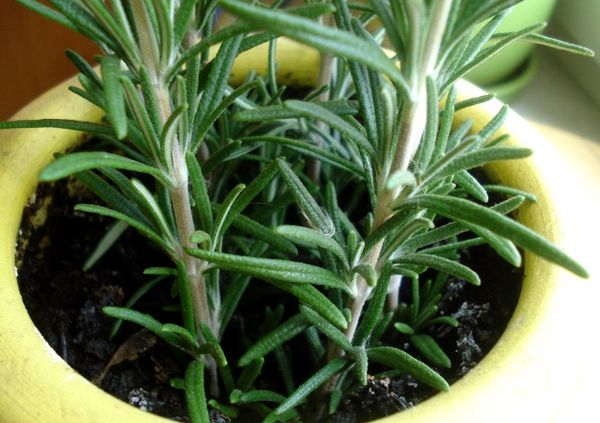
If you're growing rosemary on your balcony, you need to follow a similar set of steps, except for preparing it for winter. When cold weather arrives, bring the rosemary pots indoors where the temperature won't rise above 11°C (52°F), water occasionally, and maintain artificial lighting for at least 7 hours a day. When growing indoors, it's also important to ensure that excess water doesn't accumulate in the plant trays, as this can cause the leaves to turn yellow.
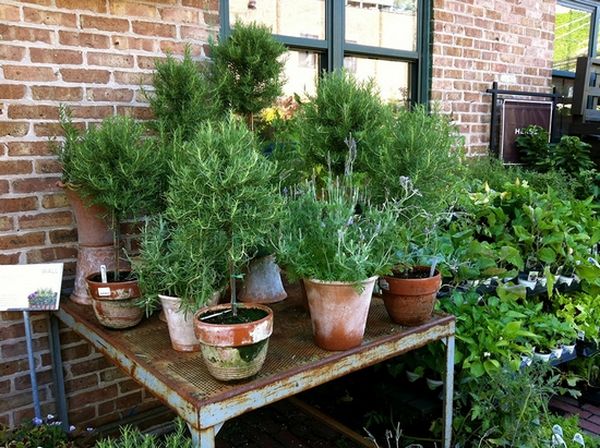
Rules of reproduction
As mentioned, this plant can be propagated in several ways: from seed, by sowing seedlings, by rooting cuttings taken from an adult plant, or by planting cuttings obtained by dividing and replanting overgrown bushes. The latter two methods allow you to obtain a large plant much faster than waiting for the bush to grow from a seed.
Pest and disease control
You might be surprised, but you're unlikely to see a pest-infested rosemary bush in an outdoor garden. This is due to the spice's pungent aroma, which repels most insects. The same applies to diseases—rosemary is remarkably easy-to-grow and resistant to pests. However, if you keep your rosemary indoors, be prepared to contend with whiteflies and powdery mildew.
This spice can be dried, frozen, or refrigerated—whatever you prefer. The main thing is that it will always give you a breath of fresh air with the indescribable aroma of the Mediterranean coast.
Video: "The Benefits of Rosemary"
In this video, Elena Malysheva and experts will explain why everyone should consume rosemary.