
Sorrel: Description, Cultivation, and Care
Content
Description
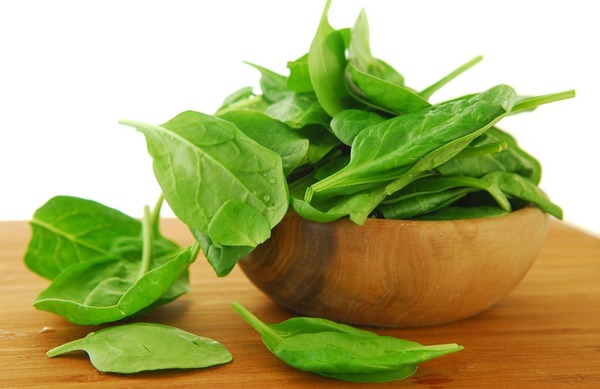
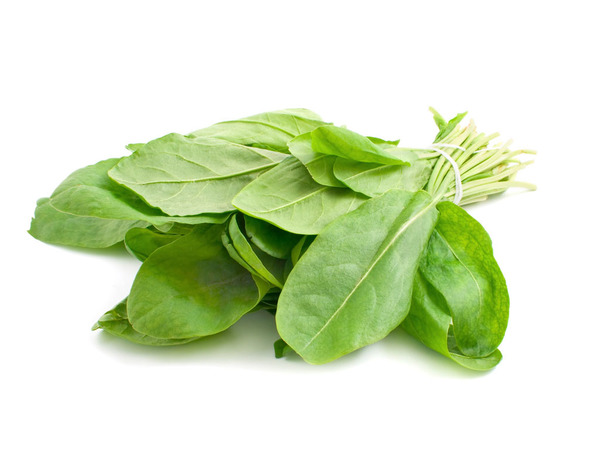
Sorrel is a perennial, cold-hardy crop. It can be planted in the same spot for no more than a few years, after which it should be replanted. The plant has a strong root system, allowing it to penetrate almost half a meter into the ground. Broadleaf sorrel (the most common variety) can withstand temperatures down to -25°C. Slightly acidic soil with high fertility is ideal for growing this crop.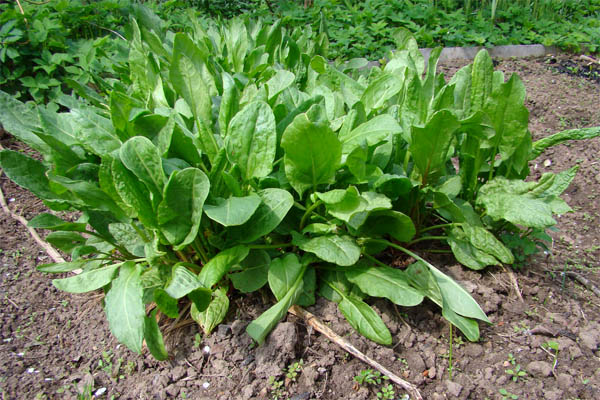
Sorrel is considered an early crop. As soon as the snow melts and the first spring sun appears, the greenery will delight with its first shoots. By late spring, the young leaves will reach a length of 0.07–0.1 meters. They can be harvested at this stage. A second harvest can be expected within two weeks. Harvesting ends in late July, when the leaves have accumulated a significant amount of acid.
Sorrel is very beneficial for the human body, as it contains a lot of vitamin C and acids (citric and malic). It is also rich in potassium, iron, and other micronutrients. The greens are an excellent substitute for cabbage in borscht and can be used to make a puree. The plant can also be added to salads. The healthy leaves can also be eaten canned, preserving all the beneficial properties of the plant.
Video "Description"
From the video you will learn the characteristic features of sorrel.
Growing
How to grow sorrel in your garden? First, you need to choose the right planting location. To ensure a bountiful harvest, choose a moist area. However, it shouldn't become stagnant. The soil should be kept free of weeds, especially couch grass, which sorrel simply hates. 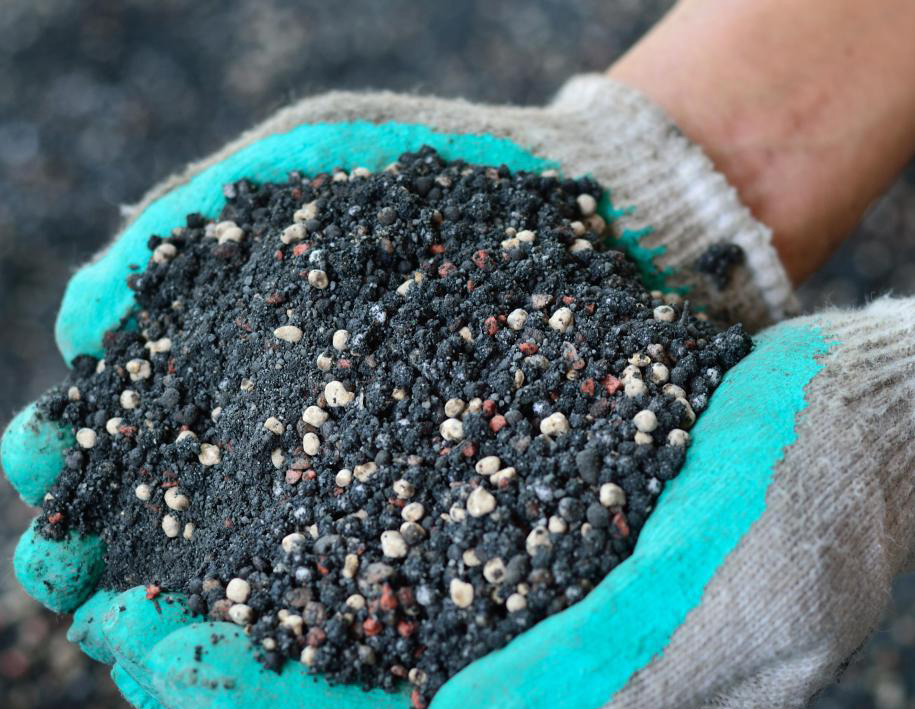 It's best to plant sorrel in sandy or loamy soils with humus added. Well-drained peat soil is a good option for sorrel. An important rule: groundwater should be close to the surface, no deeper than a meter. The herb grows best in slightly acidic soil. Moreover, sorrel grown in this manner will be productive even without liming.
To harvest a bountiful sorrel crop, in addition to pre-treating the seeds, you also need to prepare the soil. To do this, add 6 kilograms of humus and 3 grams of potassium chloride and superphosphate. This amount of fertilizer is applicable per unit area.
When spring arrives, before sowing, ammonium nitrate, potassium salt, superphosphate, urea, and compost should be added to the soil at doses of 0.002, 0.04, 0.4, and 3 kilograms, respectively. All fertilizers should be mixed and only then applied to the soil.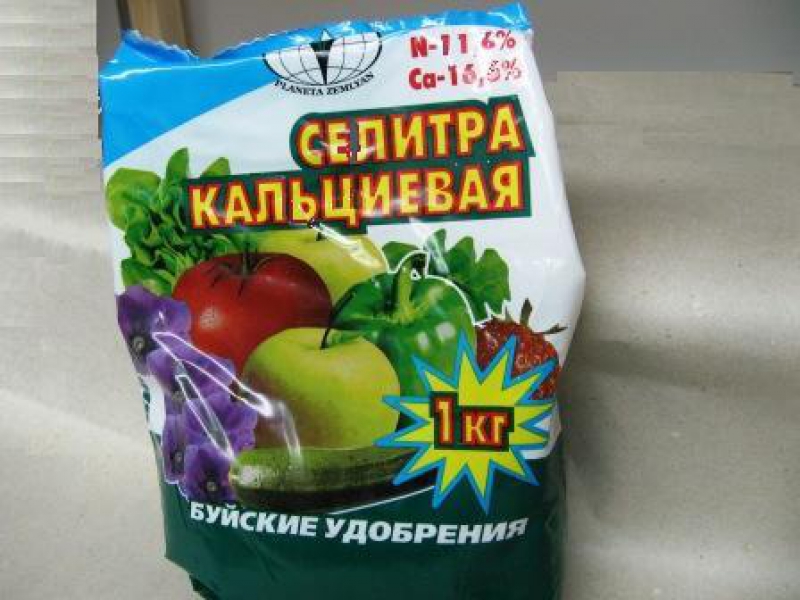
Many people wonder how to grow sorrel on a windowsill and whether it's possible. The answer is a resounding yes. The procedure for planting the herb in a pot isn't much different from planting it in the open ground. Because sorrel is so easy to grow, you don't have to worry about it freezing on a windowsill.
Care
Although the plant is considered low-maintenance, it still requires care. Firstly, this herb is sensitive to watering. In dry summers, the plant's rosette will develop poorly, which may result in the sorrel ceasing to bloom. This negatively impacts the yield. Therefore, it's essential to water the plant regularly in summer.
Secondly, in the spring, when greenery begins to actively grow, the soil should be loosened and mulched. It's a good idea to add fertilizer containing phosphorus or potassium.
Thirdly, in the fall, it's worth fertilizing the spaces between the rows with humus or compost. Five kilograms of nutrients per unit area is sufficient.
A year later, a complex fertilizer is applied: 20 grams of urea and potassium chloride and 0.30 grams of superphosphate per unit area.
Harvesting
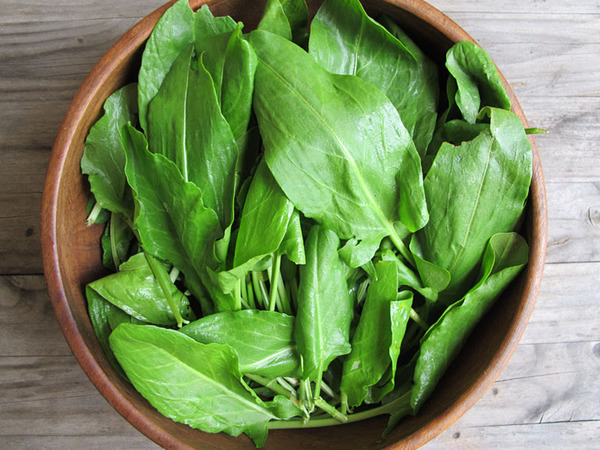
You'll figure out when to harvest cultivated sorrel yourself. The leaves should be cut young, as they are more nutritious due to their low oxalic acid content. After the rosette has formed five leaves, they are cut with a knife. To do this, step back 0.03–0.04 meters from the surface and cut the leaves at a right angle. When harvesting, extreme care must be taken to avoid damaging the apical buds. Leaves can be plucked or cut off. However, care must be taken to avoid damaging the rosette.
Before harvesting, clear nearby weeds and loosen the space between rows. It's best to harvest the leaves in the morning or evening. A single plant can be harvested about five times.
During the dry period of the year, it is best to feed the greenery with fertilizer solutions, and during the rainy period - with dry nutrients.
After 3-4 years from planting, the plant's leaves cannot be cut off and used for food.
Pests
Garden sorrel is a favorite food of aphids. To repel the pest, simply spray the plants with a tobacco solution and remove all remaining residue after harvesting.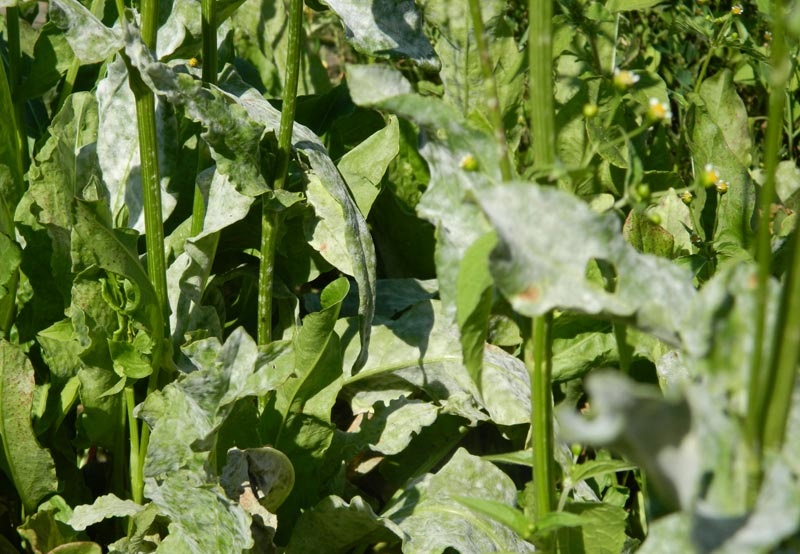
Often, small holes left by the sorrel leaf beetle appear on the leaves of the crop.
So, growing and caring for sorrel is very simple.
Video "Planting and Growing"
This video will show you how to plant and grow sorrel.