
Growing oregano: planting and care features
Content
Description
Where oregano grows, people are calmer and healthier, because tea with this herb calms the nervous system, fights inflammatory processes in the respiratory system, helps with digestion, and enriches with vitamin C.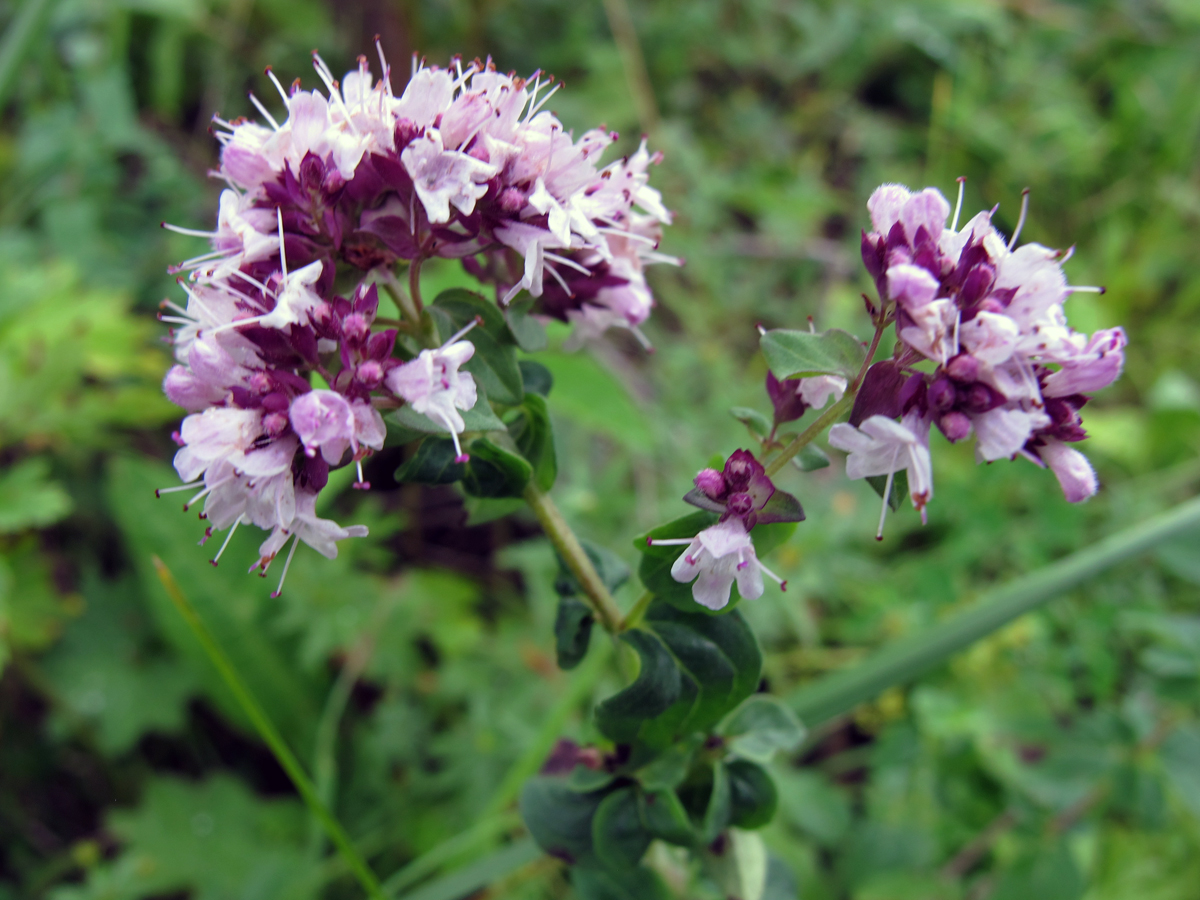
This perennial herbaceous plant grows throughout Europe and the Mediterranean, but in Russia it is only found in the Far North. Oregano prefers open, sunny locations, so it grows in clearings, meadows, and on hillsides. It has a straight, tetrahedral stem with soft hairs, a creeping root, and oblong leaves that end in a pointed edge. They are dark green on the upper side and slightly silvery on the underside. It grows to a height of 0.5–0.7 m and blooms in midsummer. The flowers are small, reddish-lilac, gathered in corymbose-paniculate inflorescences; the seeds ripen by the end of August.
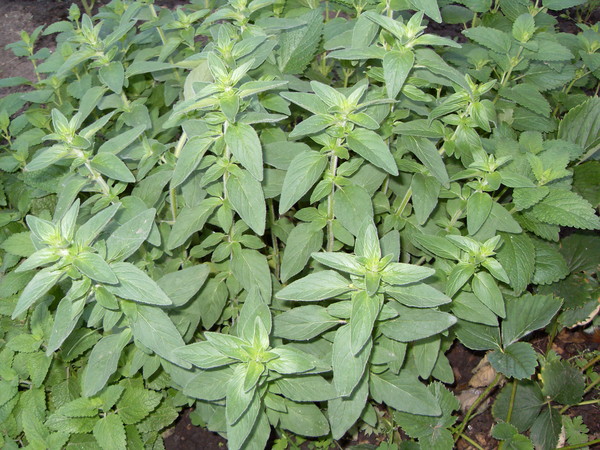
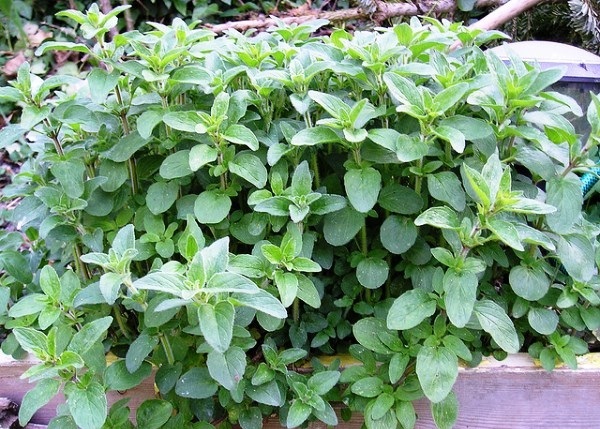
The plant has a delicate, spicy aroma and a slightly bitter taste. It is grown for its essential oil and as a honey plant. Many gardeners plant it in their gardens to add fresh leaves to salads, and then to drink the aromatic tea all winter long or to treat a cold, if needed.
Video: "Beneficial Properties of Oregano"
From the video you will learn about the beneficial properties of this extraordinary spice.
Landing
People often ask how to grow oregano because, even without considering its beneficial properties, this beautiful herb is grown for ornamental purposes. It's often used in borders, mixed borders, flower beds, rock gardens, and moth gardens. Gardeners also plant it to repel harmful insects. It propagates by seeds, cuttings, root division, and layering.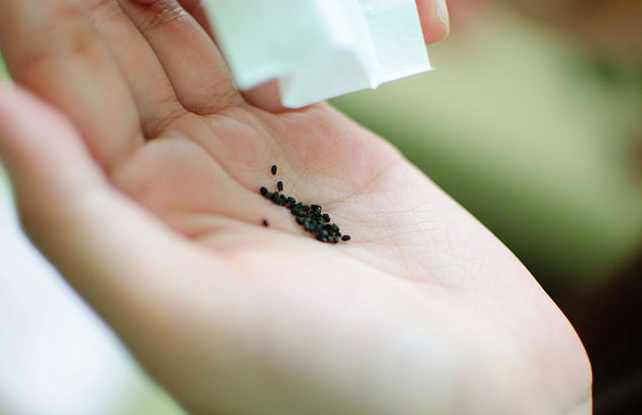
If you can obtain a plant part from a friend or family member, it's not necessary to do so only in the spring. Transplanted root sections (with several buds), rooted shoots, or cuttings can be taken even in midsummer. They simply need to be planted in light, non-acidic soil and then watered thoroughly until new shoots begin to grow.
Seeds are usually sown in early spring. If they are sown in the garden, which should not happen until May (they will then need to be replanted once or twice), the new plants will bloom only the following year. If you want flowers this year, you need to grow the seedlings first and then plant them in the planned location.
Seeds for seedlings are sown in March. Use a container with drainage holes, fill it with light, nutritious soil (such as garden soil with some sand), moisten it, make furrows or holes up to 1.5 cm deep, place the seeds, cover with a thin layer of soil, and moisten again with a spray bottle. Then cover the seedlings with glass or plastic wrap until germination. Periodic ventilation and watering are recommended.
Growing
After a couple of true leaves appear, the plants are transplanted into individual pots, watered, rotated, and hardened off until May, when the truly warm spring arrives. The seedlings grow without any extra care. They need to be watered regularly, preventing the soil from drying out. A few times with a mineral fertilizer solution can help them gain strength, but don't overdo it, as this can cause the plants to grow too vigorously.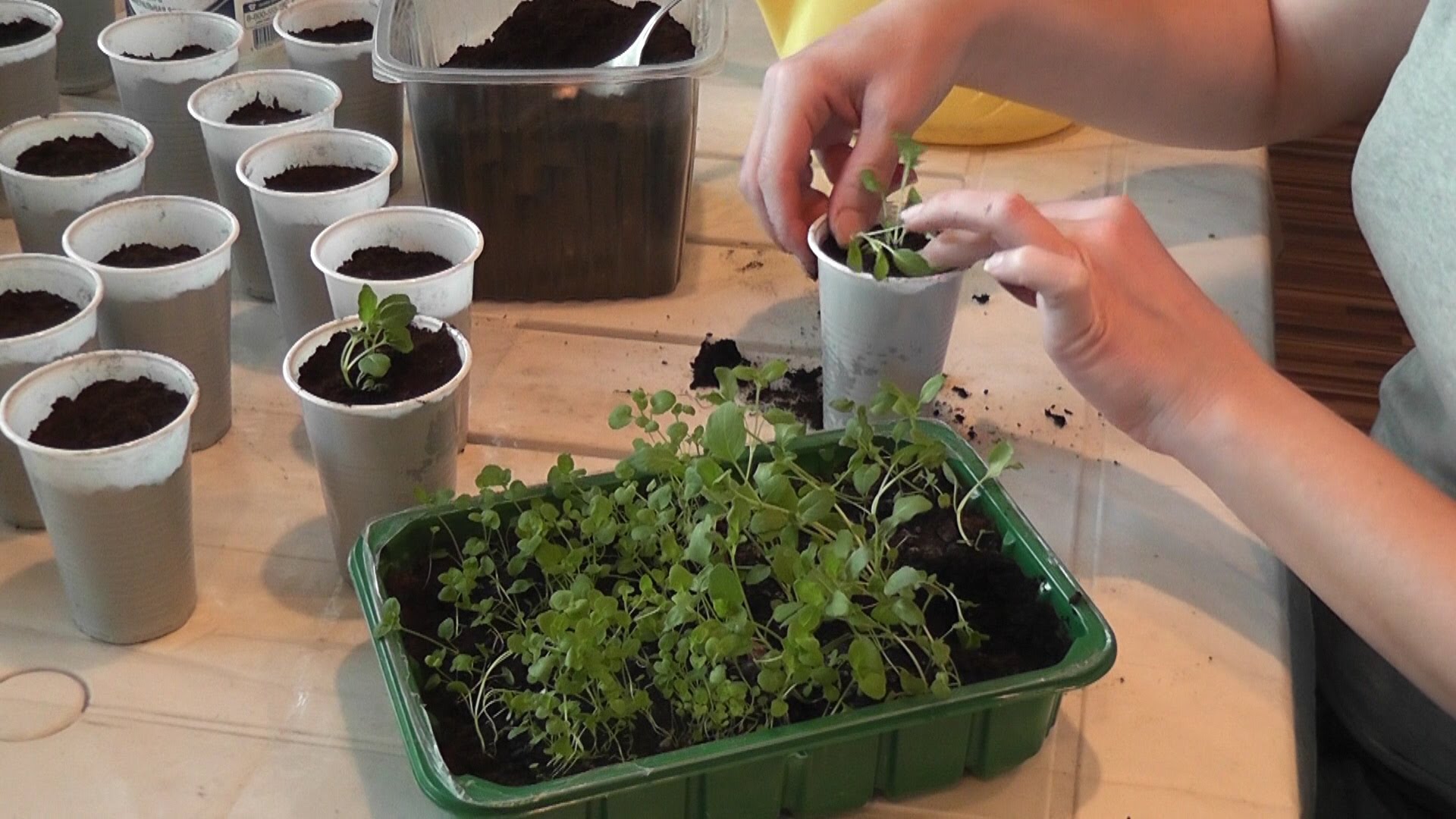
Plant oregano in a bright, open spot, spacing it 30 cm between plants and 50 cm between rows. It's undemanding about soil, but grows best in light, fertile, neutral soils, such as well-drained sandy loam. Avoid planting it in a waterlogged area; it won't like heavy clay soil, but it will still grow, with smaller bushes and fewer ornamental plants and fewer nutrients. Oregano can be grown not only in flowerbeds or vegetable gardens; it thrives in pots that can be placed on a windowsill or balcony; there are even varieties suitable for hanging. Some homeowners plant individual plants among vegetables to protect them from pests; its aroma is disliked by many harmful insects.
Care
Even beginners can grow oregano, requiring minimal care. It needs to be watered moderately, as both overwatering and underwatering will inevitably affect the amount of essential oil produced. For the first two to three years, you'll need to weed the area frequently and loosen the soil around each plant. After three years, the plants will have grown so large that there's no room for weeds, so weeding will become very infrequent.
This perennial herb can grow for up to 25 years in one place, but it is advisable to replant it, dividing the bushes every 5 years, so that its decorative appearance is preserved.
If herbs are cut for drying or oil extraction several times per season, it's advisable to fertilize them after each harvest with a solution of chicken manure infusion (cow manure is also an option) or with complex mineral fertilizers. When growing fragrant herbs for personal use or in flower beds, it's best to avoid fertilizing them to avoid excessive growth.
Storage
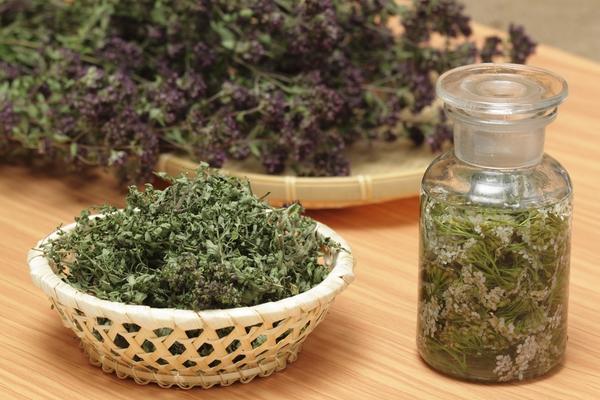
When to harvest oregano is a simple matter. It's harvested almost all summer, as soon as the buds have fully opened. Once all the sprigs with leaves and flowers have been collected (cut to lengths of 20-30 cm), they should be dried outdoors under a canopy or in a ventilated area. When the herb is properly dried, the leaves will crumble and the stems will break.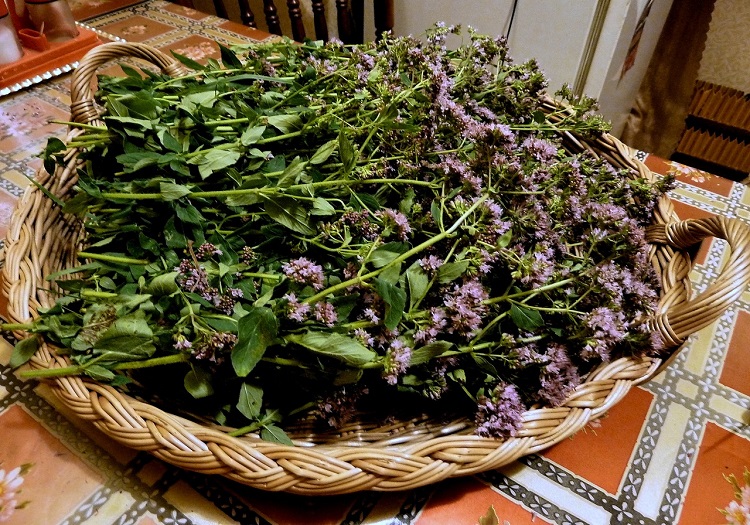
Store oregano in paper or cloth bags, separate from other herbs. Sprigs can be used for up to a year and a half; storing the ground herb in an airtight container extends its shelf life to three years.
Video: Growing Oregano
This video will show you how to grow oregano.