
Rules for growing basil in open ground and in a greenhouse
Content
Soil preparation and seed selection
Knowing how to grow basil at home will allow you to reap a bountiful harvest in your own garden. First, prepare the soil. It's best to plant basil in a south-facing area of your garden, and plant it along a fence to prevent cold winds from bothering it.
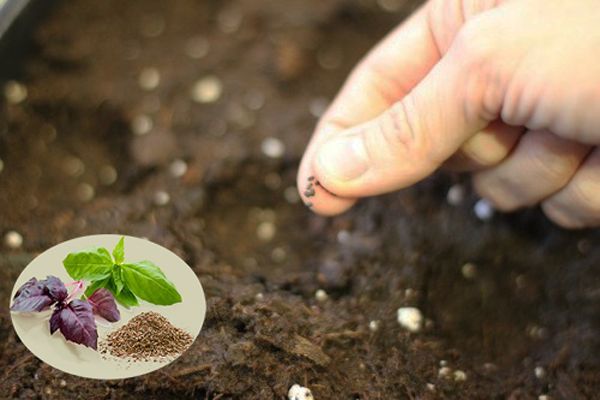
The substrate for basil should be rich in organic matter. This is why it's recommended to sow basil seeds in areas previously occupied by cucumbers and tomatoes (they enrich the soil with organic matter).
To grow basil in your garden, you need to prepare the soil in the fall: dig up the garden and then add fertilizer (humus and compost, superphosphate, potassium salt).In this case, by spring, a nutritious soil layer will have formed in your garden, into which you can plant basil. But that's not all. Careful preparation is required not only for the substrate but also for the seed.
Typically, the seeds that gardeners buy at fairs, specialty stores, or markets are covered in a thick shell because they were impregnated with essential oils before packaging. This won't negatively impact the seeds' germination if they are kept in a warm place for approximately 1.5 to 2 weeks immediately before rooting. During this time, the seeds will warm up, and the essential oils will evaporate.
Methods and necessary conditions
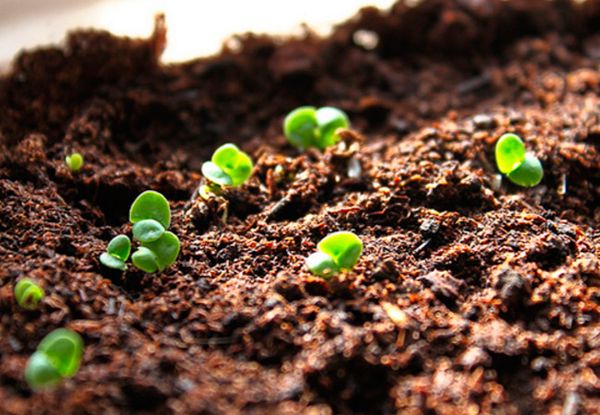
Growing and caring for this herb is a straightforward process. However, it's important to follow a few guidelines if you want to reap a truly bountiful harvest. It can be grown both in a greenhouse and outdoors. It can be planted both as seedlings and directly in the garden. Below, we'll explore how basil grows indoors and what you need to know to plant it efficiently using various methods.
Growing from seedlings
The optimal period for greenhouse work is late March to early April. You'll need a wide container and nutritious soil. It's recommended to sow the seeds at a depth of no more than 10 mm. You'll then monitor the seedlings and transplant the strongest cuttings into individual containers. Perennial basil is best grown as seedlings in a greenhouse rather than indoors, as the seedlings acclimate more quickly there.
Growing from seeds
You can plant the seeds directly in open ground. Immediately before rooting, it's best to soak the seedlings in a growth stimulant and leave them for 9 hours. At the planting stage, dig shallow trenches with a hoe and sow the basil seeds into them.
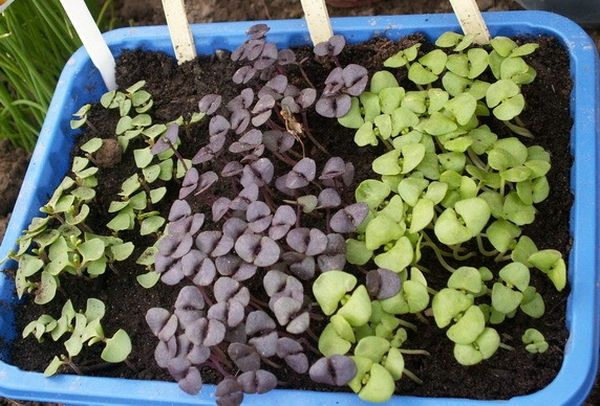
Remember, it's best to wait at least two weeks after the last frost. This herb is sensitive to cold, so it can be planted when there are no longer any expected temperature fluctuations.
Another key point: it is advisable to cover the area planted with basil with film, and you can remove it when the seedlings appear.
Features of cultivation
Basil sprouts quite vigorously, so soon after planting, you'll need to care for the seedlings that emerge from the ground. Conditions will vary slightly depending on whether you're growing the herb in a greenhouse or a garden. In either case, basil requires careful care.
In open ground
Purple basil grows successfully outdoors, but it's best to remember basic care. Timely watering is crucial. Avoid overwatering: it's recommended to moisten the soil as the soil dries out.
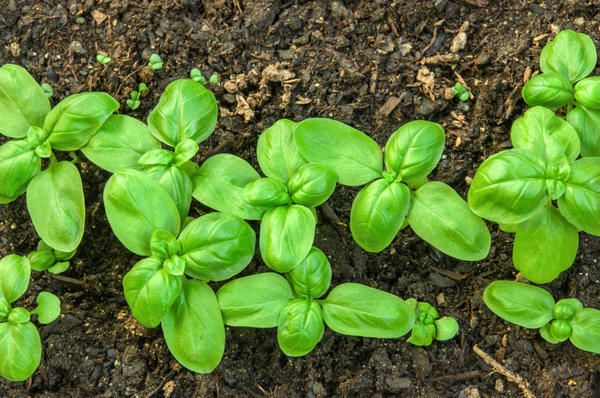
Regular fertilizing is essential. This should be done at least once a month. Prefer nitrogen-rich fertilizers, as they stimulate vigorous foliar growth. Remember to remove flower stalks from the plant periodically—this will result in overgrown seedlings that won't flower.
In the greenhouse
Growing purple basil in a greenhouse is no less painstaking. It's recommended to maintain a stable temperature of 23–27°C in the greenhouse. Once the seedlings emerge, place the container in a well-lit area and water it once a day. These are the key steps for caring for basil seedlings if you've decided to grow them in a greenhouse.
Care and pest control
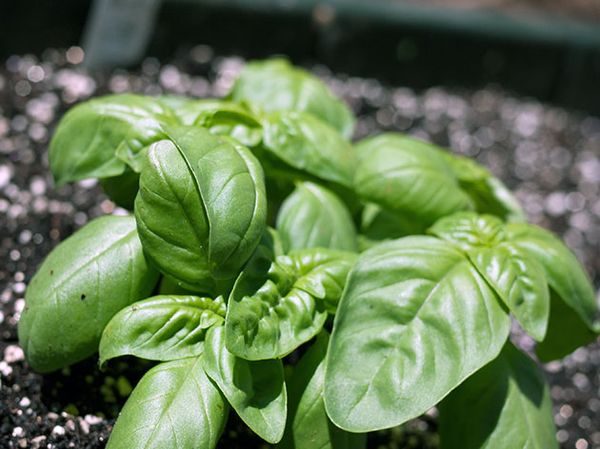
Knowing how long indoor basil grows, how to provide it with proper care, and how to create the optimal microclimate for seedling development will help you achieve the desired results and reap a harvest you'll be pleased with.
However, remember that proper care involves more than just watering, regular fertilizing, lighting, and soil loosening. It's also crucial to protect your plant from pests and diseases. These do happen, especially when growing herbs outdoors.
Basil seedlings often germinate, but can then be affected by blackleg, a fungal disease. This can be prevented by treating the seedlings with a copper sulfate solution. Overall, there's no need to worry about the growth of this herb. Create an optimal microclimate for it, do everything necessary to ensure vigorous growth, and planting the seedlings will yield results.
Video: Growing Basil
This video will teach you how to properly grow basil, its growth rate, and planting times.