
Description of popular varieties and types of mint
Content
About the plant
Common mint, like other varieties, is a perennial plant that thrives in cultivated soils. It belongs to the Lamiaceae family. It is unfussy when it comes to growing conditions: it thrives in both sunny and shaded areas. The plant resembles a small herbaceous bush with flexible stems bearing clusters of small flowers. The flowering period lasts almost all summer. Different varieties can grow to heights ranging from 30 cm to 1 m, and sometimes even higher.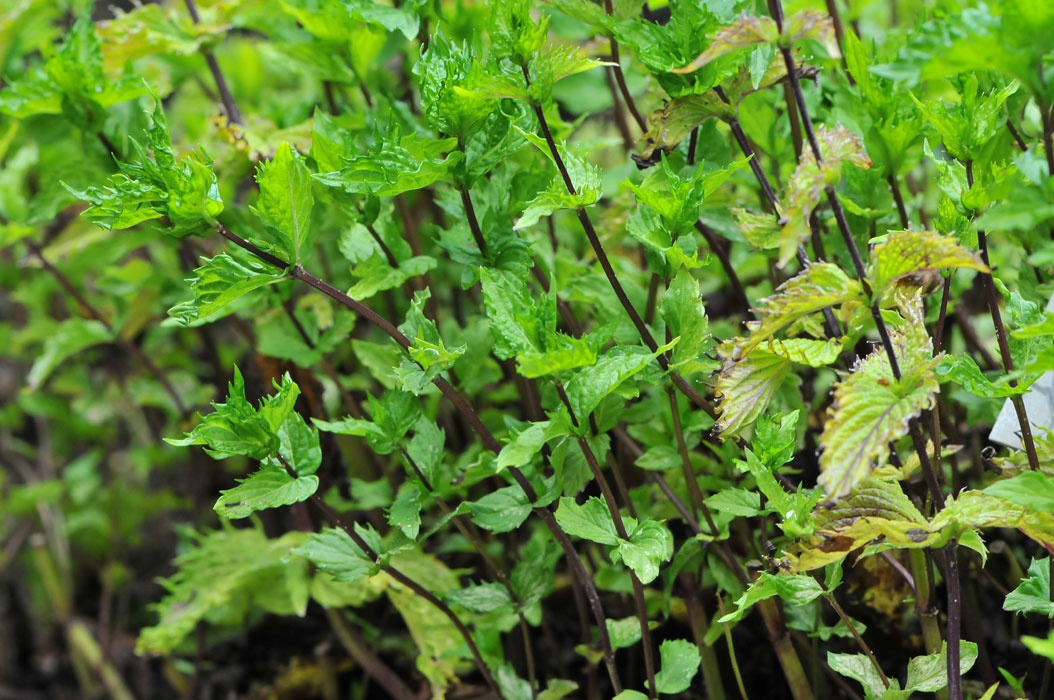
A distinctive feature of almost every type (catmint, peppermint, common mint, ombalo, etc.) is a distinct, cooling, mentholated flavor. These plants are very aromatic, which is why many varieties are particularly prized in cooking.
The aerial parts of various varieties of plants (catnip, ombalo, etc.) are harvested for culinary purposes after the flowering period has ended. This is when the leaves accumulate the maximum amount of essential oils, giving them a menthol flavor. Cut stems and leaves should be stored in a dark container. They can be used as ingredients in various dishes or added to tea.
In addition, many varieties (catmint, peppermint, common mint, chocolate mint, ombalo, etc.) are grown commercially to produce menthol essential oils, widely used in medicine and perfumery. The menthol aroma emitted by the bushes helps people focus and calm down.
The leaves and petioles of this crop have the following medicinal properties:
- have antispasmodic, antiseptic and analgesic effects;
- relieve inflammation in the respiratory tract;
- have a beneficial effect on the nervous system (calming effect).
All varieties of this plant (catmint, peppermint, common mint, ombalo, etc.) are undemanding in terms of fertilizer. Moderate watering is all that's needed to thrive.
Propagation of all varieties is carried out in the following ways:
- roots;
- rooting of leaves;
- petioles;
- seeds.
If you decide to grow this plant in your garden, it's best to do so in special pots rather than in open ground. When growing it in your garden, it's important to remember that the plant's beneficial properties directly depend on the percentage of essential oils in its leaves and stems. This, in turn, depends on the growing conditions. In warmer regions, catnip, ombalo, and other varieties will be richer in essential oils. It's in these regions that the plant is cultivated commercially.
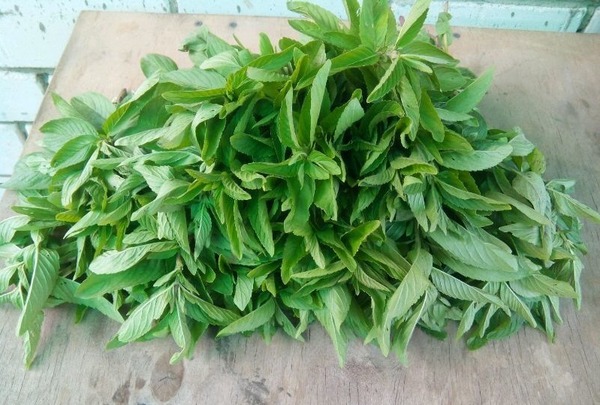
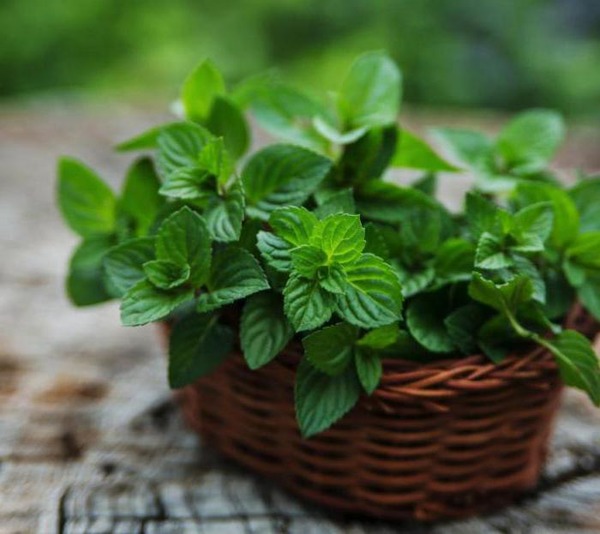
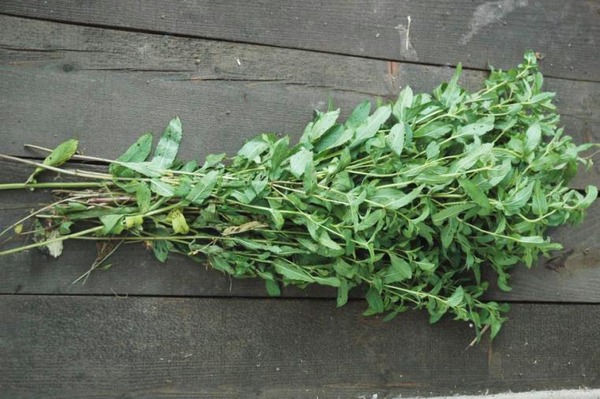
Mint varieties differ in their inflorescences, leaf shapes, and properties. Therefore, when choosing a mint plant for your garden, it's important to know the different types of mint and their key properties.
Video "Mint"
In this video, a farmer talks about different varieties of mint and the specifics of growing them.
Types of mint
To date, a wide variety of this crop has been discovered: at least 25 cultivars, as well as approximately 10 natural hybrids. Let's take a closer look at the most popular and interesting species.
Catnip
The most famous variety is catnip, or catnip. The plant is so named because it has a lemony scent that attracts cats. The leaves have a pleasant, slightly bitter taste.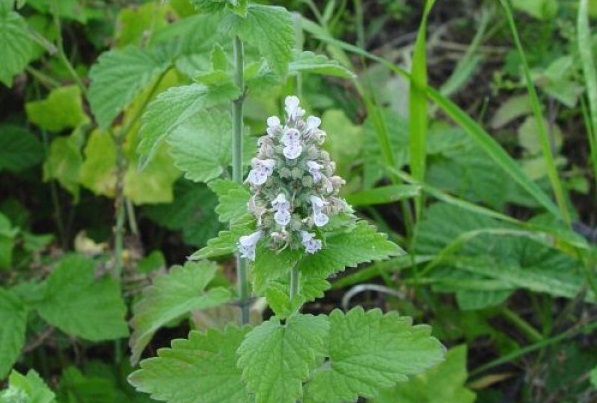
Catnip is often used medicinally, but is also prized by gardeners for its decorative appearance. Its stems can grow up to 100 cm tall. The bush is formed by four-sided, branched shoots bearing opposite, oblong, and pubescent leaves. The stems bear bluish-purple or white inflorescences.
Care is simple, requiring only moderate watering. Catnip is also characterized by increased winter hardiness.
This plant grows in Western Europe, the European part of Russia, the Far East and the Caucasus, as well as in many other countries of the world.
Lemon balm
Another popular variety of this plant is lemon balm, also known as melon balm, or lemon mint. This cold-hardy plant produces excellent honey. Stems can grow up to 125 cm tall, with the upper parts of the shoots being most fragrant. Opposite, ovate leaves form on the bush. Melissa blooms with small pink or white flowers. If lemon balm grows in areas with stagnant water, it may be susceptible to fungal diseases.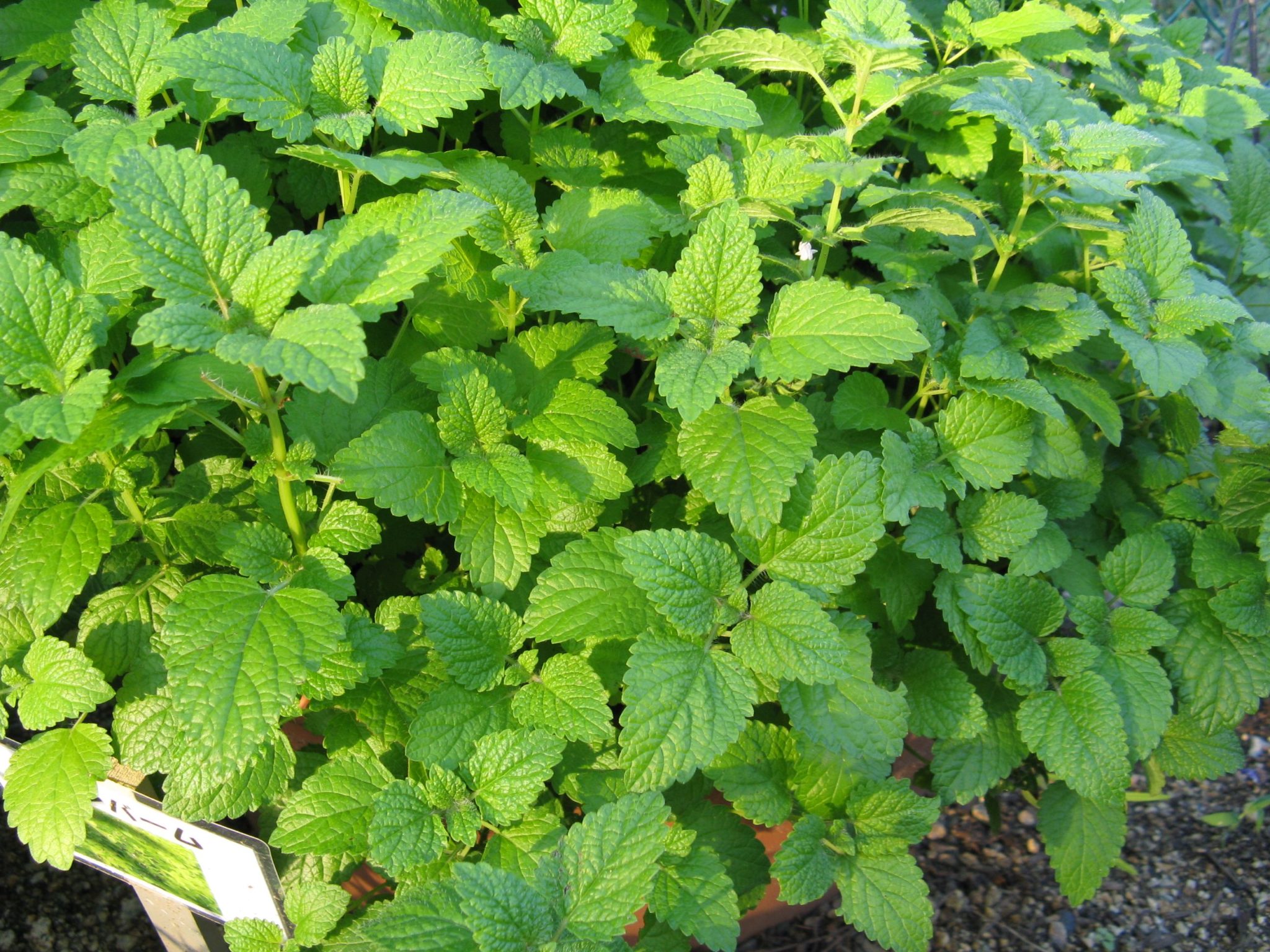
Lemon balm is especially prized in cooking for its distinctive flavor, which combines freshness and citrus notes. Lemon balm has eight subspecies, distinguished by leaf color, winter hardiness, and stem height.
Pennyroyal
Marsh mint is an interesting plant. Its stems can either trail or grow upward. In the latter case, shoots can grow up to 40 cm.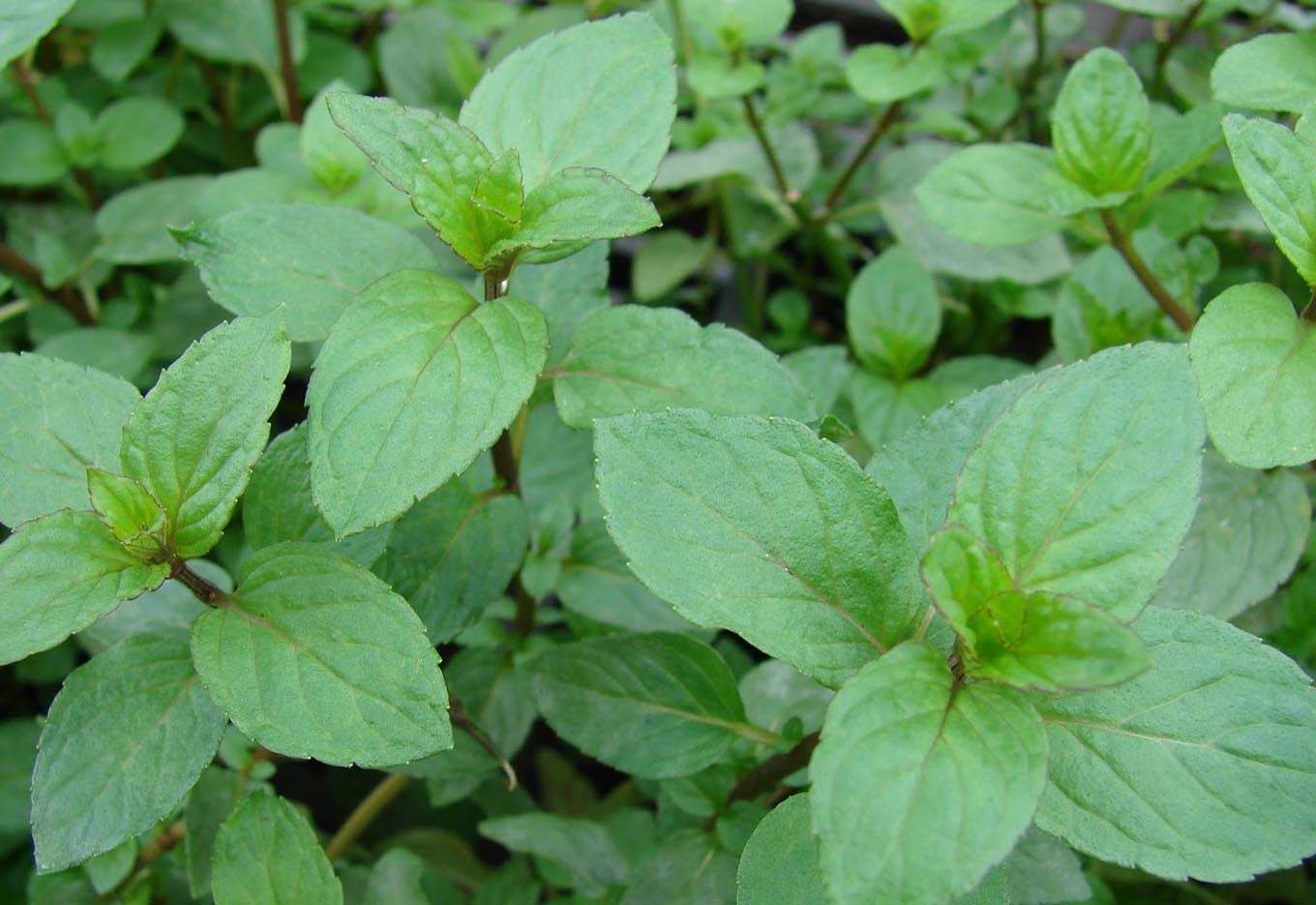
Pennyroyal has smooth, oval-shaped leaves. Expressive pinkish-purple flowers form on the stems, growing at the base of the leaves. Pennyroyal's main characteristic is the high content of pulegone in the leaves, which gives them a pleasant, antiseptic scent. In large quantities, this variety is poisonous and can cause miscarriages.
Moroccan mint
A rather interesting variety of this plant is Moroccan mint. As you might guess, it originates in Morocco.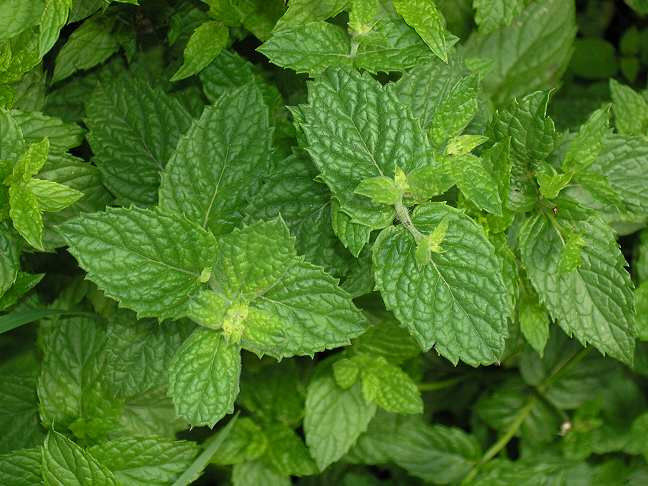
This is the most delicious and aromatic variety, so it is used as a seasoning in many dishes. It's worth noting that the plant pairs well with various types of tea. It is also used as a sedative. Its medicinal properties are also beneficial in the treatment of gastrointestinal conditions.
Chocolate mint
The most unusual variety is chocolate mint. The plant got its name for its delicate chocolate flavor. It is a variety of peppermint.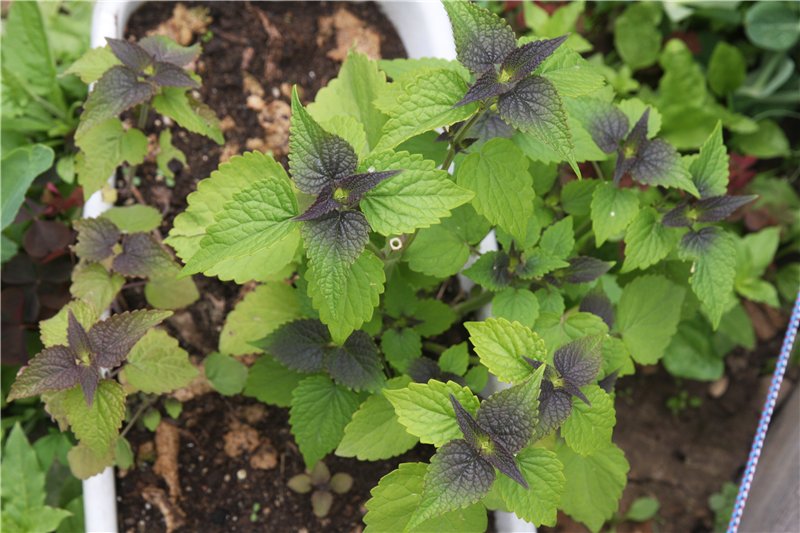
The stems bear rounded leaves with a dark purple or green-crimson hue. The shoots grow quite quickly. The plant thrives near bodies of water and in damp areas. However, such areas require good sun exposure, although partial shade is also acceptable.
Garden mint
In addition to the varieties mentioned above, garden mint is also worth considering. It doesn't have the same distinct flavor as other varieties, but it's equally popular in terms of planting. It grows wild in Russia (southern and southwestern regions). Shady, moist areas are ideal for its cultivation.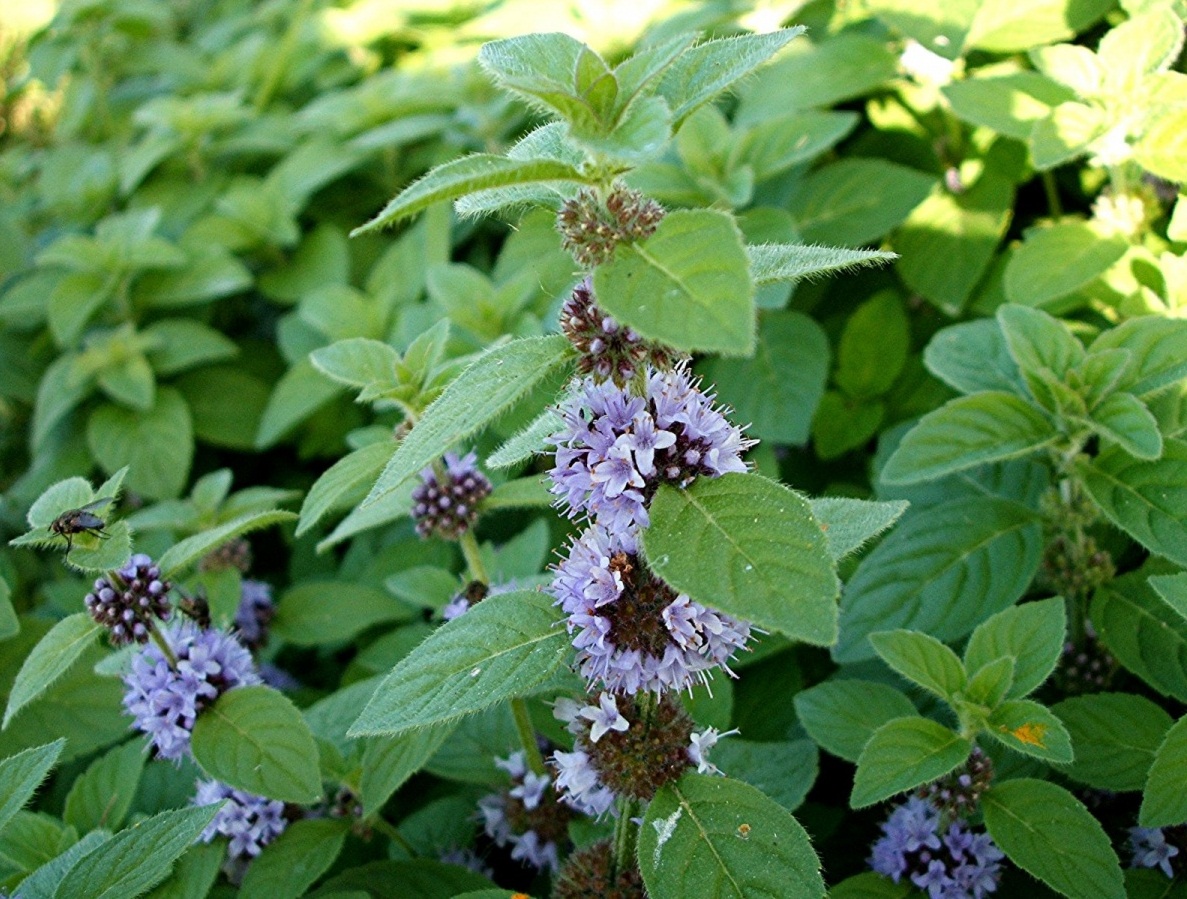
The plant forms a tetrahedral annual stem that can grow up to one meter in height. It can also expand considerably in width. Ovate and oblong leaves form on the shoot. The upper surface of the leaf blade is completely smooth. Hairs are present only on the underside. The leaves, fresh or dried, have a spicy aroma and a slightly pungent flavor. Therefore, they are often used as a seasoning in various culinary creations.
The bush blooms from mid-July until the end of summer, producing small purple flowers.
Ombalo flea mint
An interesting variety of mint is the flea mint ombalo, often simply called ombalo. A distinctive feature of this plant is the high concentration of pulegone and limonene in its leaves and shoots, rather than menthol as in other varieties. Ombalo forms small bushes, no more than 30 cm tall. Its stems often trail along the ground, resembling creeping thyme in appearance.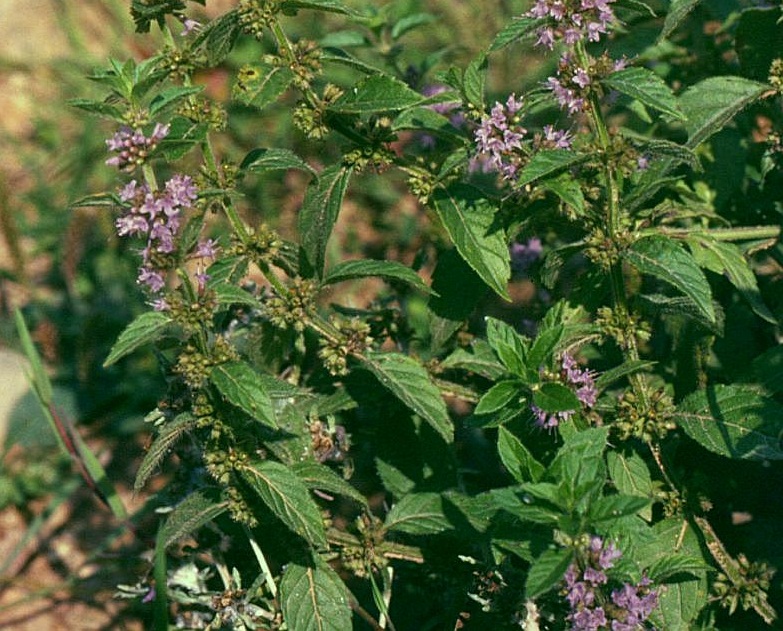
This is an ornamental, heat-loving plant, considered an excellent honey plant. Densely pubescent leaves form on low shoots, gathered in a false whorl.
This variety is used to repel insects. For this purpose, a dried herb bouquet, in addition to ombalo, can include other plants containing pulegone (for example, lemon balm).
Horsemint
Marsh horehound is a rather interesting plant. It has many names, one of which is horse mint. Its bushes consist of pubescent, erect stems that reach a height of about 60 cm. Opposite, oval-shaped leaves form on the shoots. Their undersides are moderately pubescent.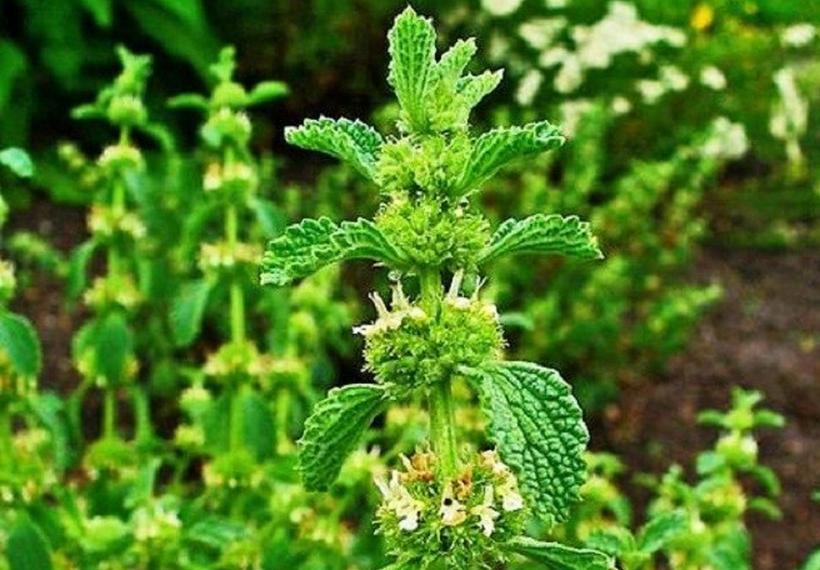
Horsemint blooms throughout the summer. Flowers form in the axils of the terminal leaves. Their color can range from dark purple to white-pink.
Marsh cinquefoil thrives in fairly well-lit areas. It can be found in clearings, forests, ravines, wastelands, and even landfills.
Peppermint
Finally, I'd like to talk about peppermint. There are two varieties of this plant: white and black. The black variety is considered the most common. A distinctive feature of this variety is its high content of essential oils. It is also characterized by serrated and purple leaf edges. The leaves emit a pleasant, delicate aroma.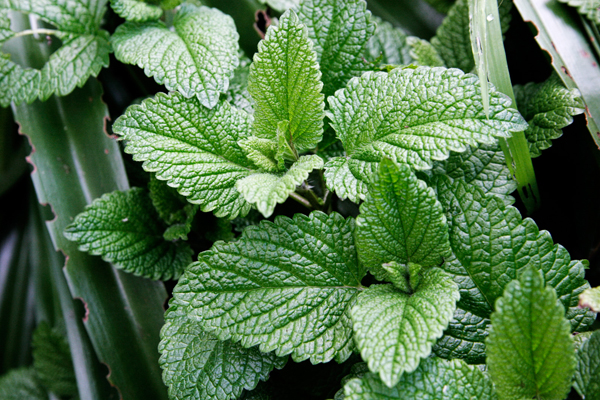
The stems reach a height of 80 cm. The bush consists of tetrahedral stems with numerous branches. Small flowers form at the tops of the shoots.
Mint comes in a wide variety. Each variety has its own distinctive characteristics, including both pronounced medicinal properties and distinctive flavor.
Video: How to Grow Mint
The video shows all the intricacies of growing different varieties of mint.