
Rules for caring for spinach in open ground
Content
Soil for spinach
This crop combines the essential characteristics of a gardener: a healthy and tasty leafy vegetable, yet completely low-maintenance. Before planting, prepare the soil.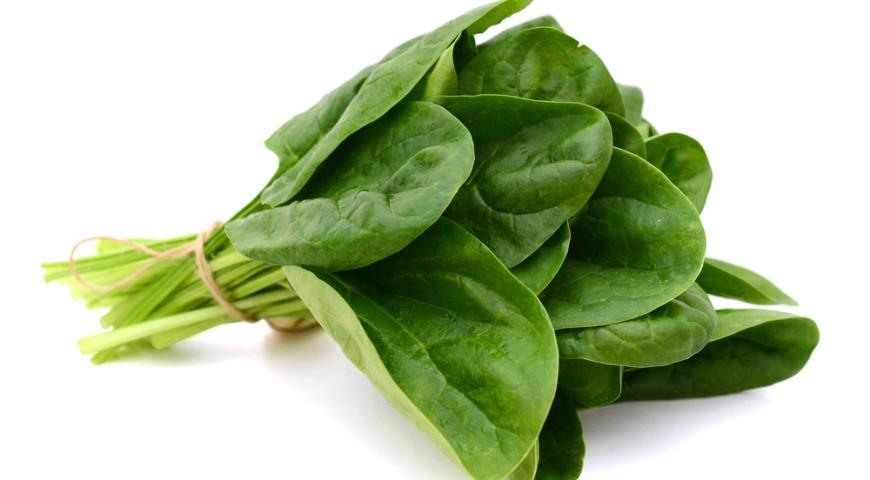
Growing this vegetable doesn't require a large plot of land or a dedicated space. Even a small area will suffice; a garden bed, where spinach will grace the ground with its dark green foliage, is perfectly suitable.
To successfully grow and produce abundant fruit from spinach leafy greens, rich and loose soil is essential. High levels of air and water permeability are considered the key to successful cultivation.
Loamy soil is considered favorable for planting, while dense soil with a soil crust is completely unsuitable for growing spinach. Soil acidity is a key factor influencing the vegetable's yield.
A neutral soil pH is considered ideal. In the spring, before planting, the area is cultivated.
When considering the history of the plot where you plan to plant leafy green seeds, favorable predecessors include cucumbers, tomatoes, zucchini, asparagus, beans, and lentils. To plant leafy greens, select a plot with ample sunlight.
Video "Sowing"
From the video you will learn how to sow spinach.
Fertilizing spinach
Since spinach matures quickly, the fertilizer used must be effective and fast-acting. To achieve this, in early March, spread granular urea over the area selected for planting.
The next step in fertilizing the soil is to add humus to the area where you plan to plant the seeds.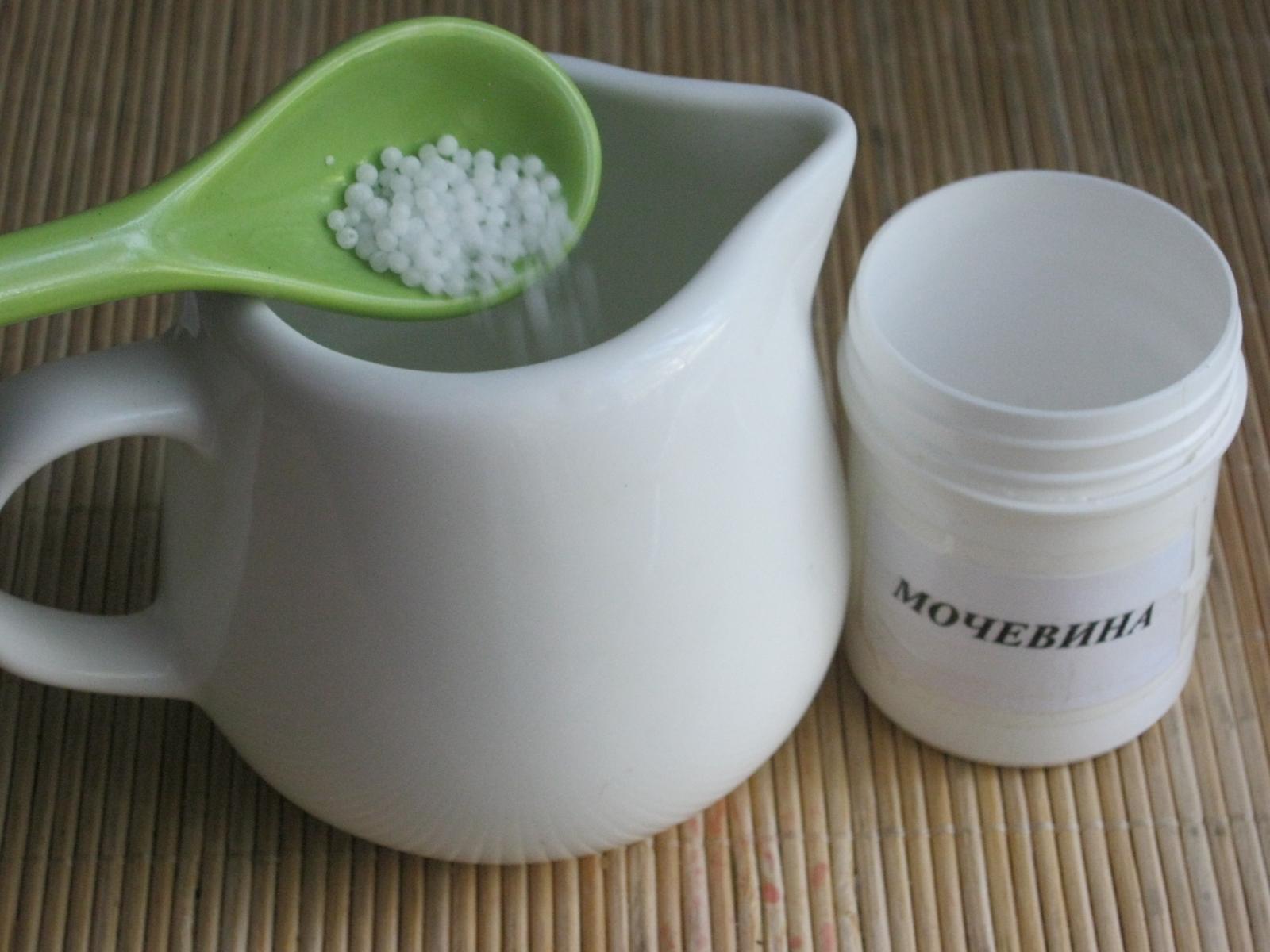
There's also a method for autumn plot preparation for growing spinach outdoors, which is used by many gardeners. To do this, potassium and phosphorus fertilizers are spread over the plot in the fall, along with humus or well-rotted manure, covering every square meter of the future planting area. This soil enrichment is carried out while simultaneously tilling the soil.
If leafy greens are to be planted in areas without black soil, the following mineral fertilizers should be applied before sowing: 15 g of potassium, 7 g of phosphorus, and 10 g of nitrogen. The dosage is calculated per square meter. Given that spinach leaves tend to accumulate nitrates, it's not recommended to use nitrogen-containing fertilizers in the spring.
Sowing spinach
How to grow spinach in the garden? It's most often grown from seeds. Before planting spinach, the seeds need to be prepared. This must be done correctly, otherwise you may never see the long-awaited sprouts.
The seeds are soaked in warm water for several days, then blotted, dried, and sown in the field. The crop is sown either in beds or rows.The first option is optimal for planting in a site with heavy, dense soil, and the second is for more airy and favorable soil.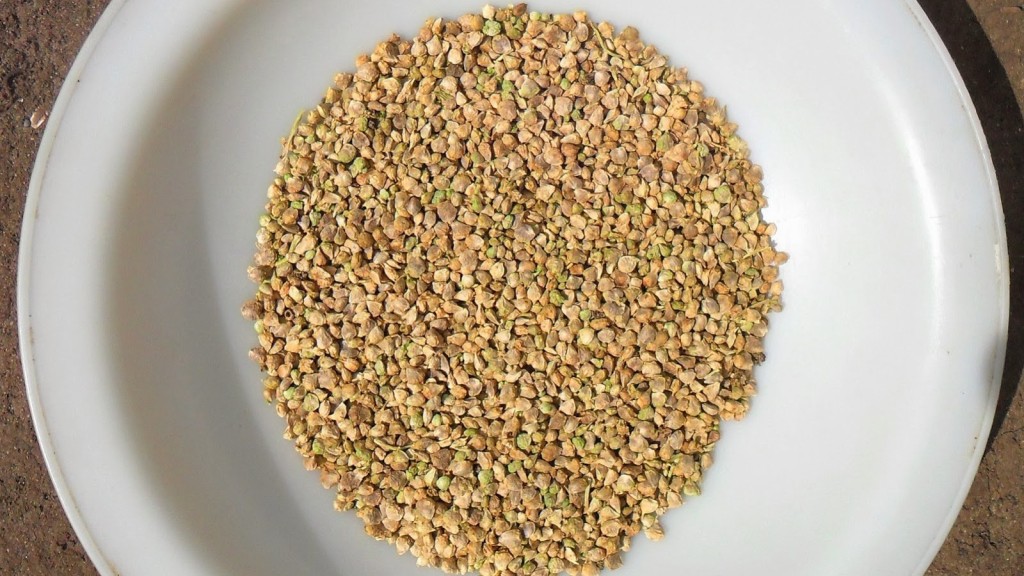
Spinach planting material (seeds) is planted 2.5-3.5 cm deep into the soil, leaving row spacing at 30 cm.
Since spinach is a cold-hardy crop, it's best to begin sowing immediately after the snow melts, which means it's possible to do so even at temperatures as low as 4°C. Under these conditions, the seeds germinate quite successfully.
The method for growing spinach is identical to that of radishes, so these plants are often grown next to each other.
In the best case scenario, the first harvest from young leaves can be collected within 30-40 days from the emergence of the first shoots.
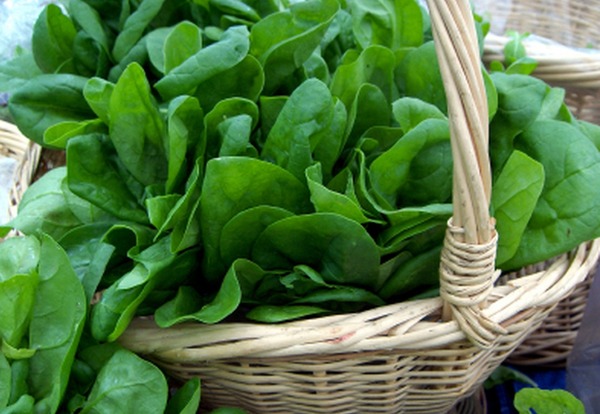
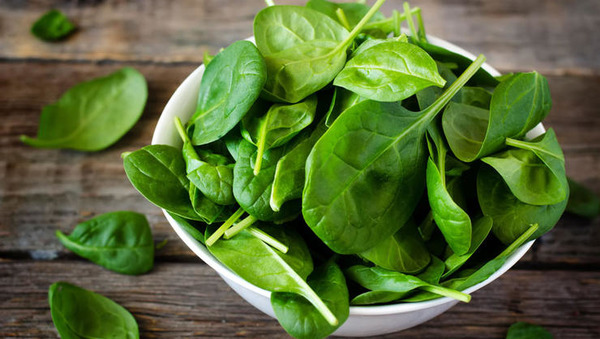
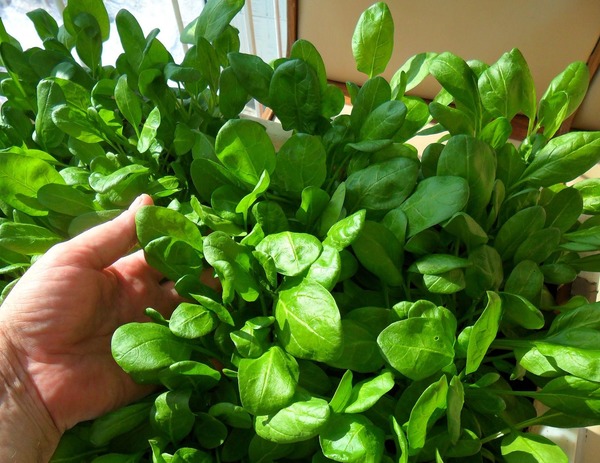
Spinach is planted from mid-April to mid-May, but of course, everything depends on the climate and geographical location of the region.
Considering the plant's moisture requirements, late planting in dry soil will not yield the desired results. This crop does not tolerate hot and dry weather. For this reason, the earlier the better principle applies.
Once the soil is ready for sowing, to ensure a consistent harvest, plant the plants at the end of August. This way, you can enjoy the first leaves as early as spring.
Plants planted before the first frost will usually quickly sprout their first shoots. The plant will then overwinter safely, and when the spring snow melts in two weeks, you can harvest a full crop of fresh, green, juicy leaves.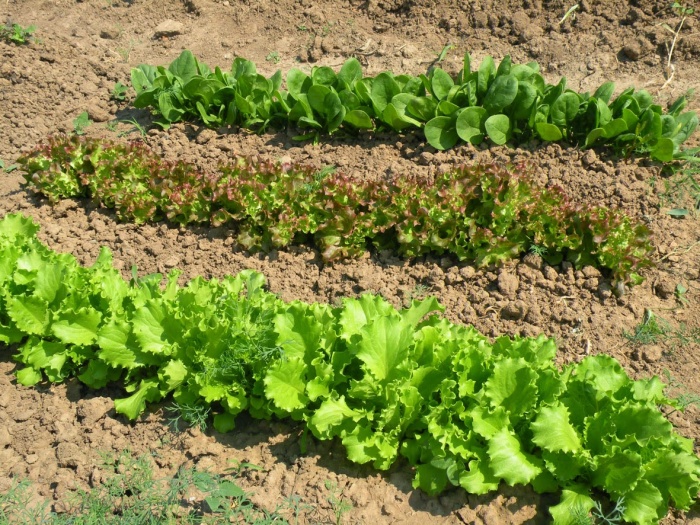
September sowings will emerge this year and overwinter with virtually no problems. With the arrival of spring, they will thaw and begin vigorous growth. If planted in October, the green petals will ripen as early as mid-autumn. To ensure a harvest throughout the six months—from spring to autumn—it's important to select the best varieties and sow seeds periodically.
Caring for spinach
To ensure proper plant development and a harmonious, undisturbed growth process, open-ground spinach care should be carried out competently and expertly. Caring for planted leafy vegetables begins with thinning the rows and beds where the crop is growing.
Thinning is done by removing excess, weaker seedlings, thus leaving a distance of 8-10 cm at the two-true leaf stage. Seedlings should be thinned as early as possible, as they can flower too quickly in dense rows, and all the plant's energy will be devoted to the formation of flowers and then seeds.
When the plants begin to touch each other, thin them out a second time, leaving 15 cm gaps. The removed plants can be eaten. During the growing season, the plant also requires ammonium nitrate fertilization at a rate of 10-25 g per 1 m².
The next step in care involves clearing the area of weeds and irrigating the soil. During periods of drought, watering is essential. Spinach is also extremely sensitive to moisture stress during the seed germination stage and after the leaves have formed. Regular and timely watering prevents the shoots from bolting.
To ensure a bountiful spinach harvest, pinch out the upper leaves of mature plants to stimulate new growth. The soil between rows requires periodic loosening. To protect leafy vegetables from diseases such as downy mildew, leaf aphids, and beet yellows, it's important to understand that these diseases are favored by damp weather. 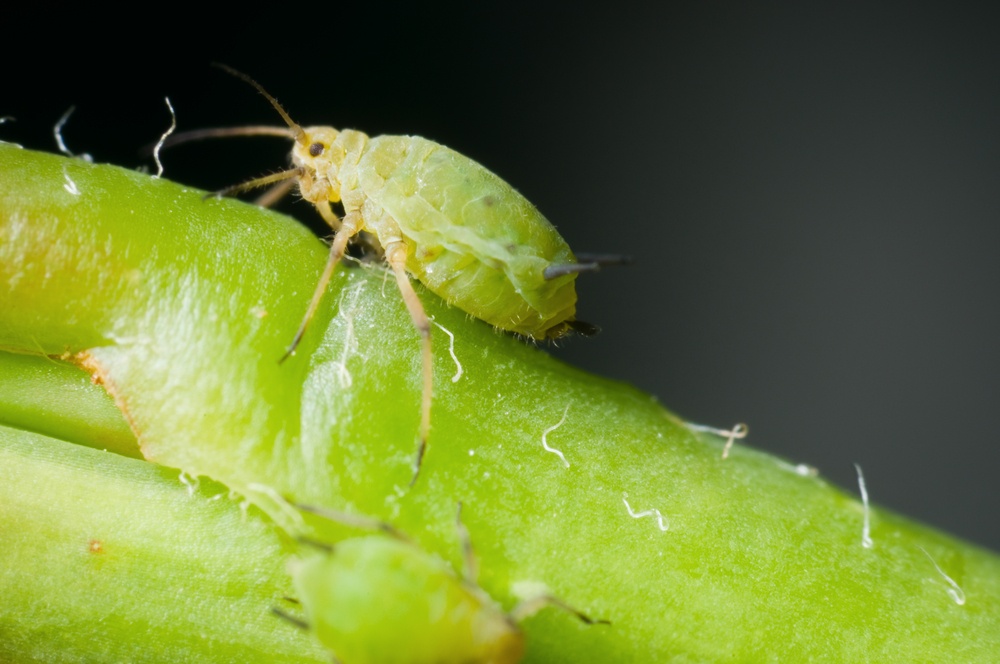
The beet leaf nematode, a common affliction of beets, attacks the crop's leaves. To prevent this affliction, aphid control measures are taken and the crop is isolated from the host plants, in this case beets.
Harvesting
Harvesting can begin when the leaves reach the desired size, that is, when the plant has 4-6 leaves. Young and fragile leaves are harvested first. This continuous harvesting stimulates the growth of new shoots.
Summer varieties are harvested with up to half of their leaves, while winter varieties are harvested carefully, as they are very fragile, and are harvested by hand.
For eating, you need large shoots of spinach that do not yet have stems.
You can harvest the entire crop at once or partially, picking off the leaves as they form, in which case the harvesting of leaves will last for weeks.
You should be extremely careful with spinach leaves; do not tear them, but break them off slightly so as not to uproot the plant.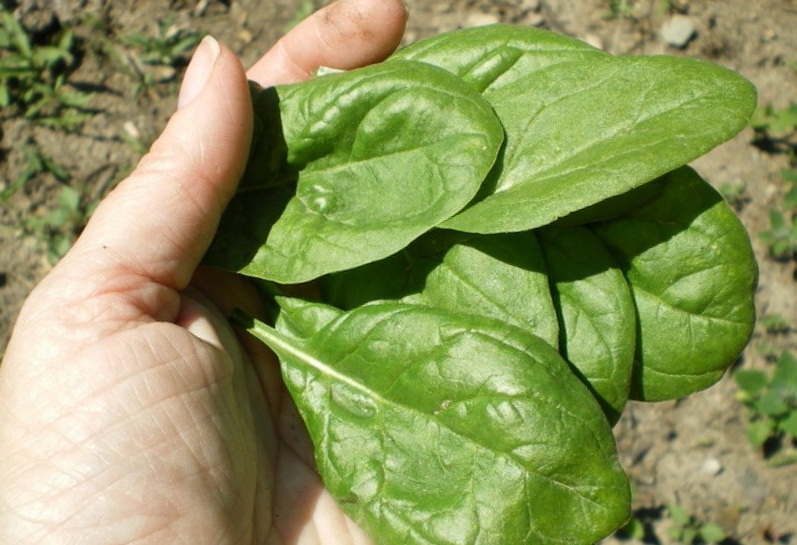
When leafy vegetables are planted densely in a garden bed, and their rosettes become crowded, young seedlings are picked to thin them out. Young plants are perfectly edible.
The best time to harvest spinach is morning or evening, as leaves picked during the day can quickly wilt and become limp. Harvesting spinach during rain is not recommended, as wet leaves can cause rot.
If a lot of spinach has grown or there is a need to clear a plot for planting other vegetables or root crops, then it is torn off along with the roots and placed in a container with the roots down.
The root of the plant is washed (water should not get on the leaves) and blotted with a napkin.
Spinach can be stored in the refrigerator in plastic wrap or a plastic container for no more than 24 hours.
You should not wet or wash the leaves before placing them in the chamber, as this will reduce their storage time.
When transporting crops over long distances, ice is placed in containers with leaves.
Spinach leaves are best eaten fresh, immediately after harvesting.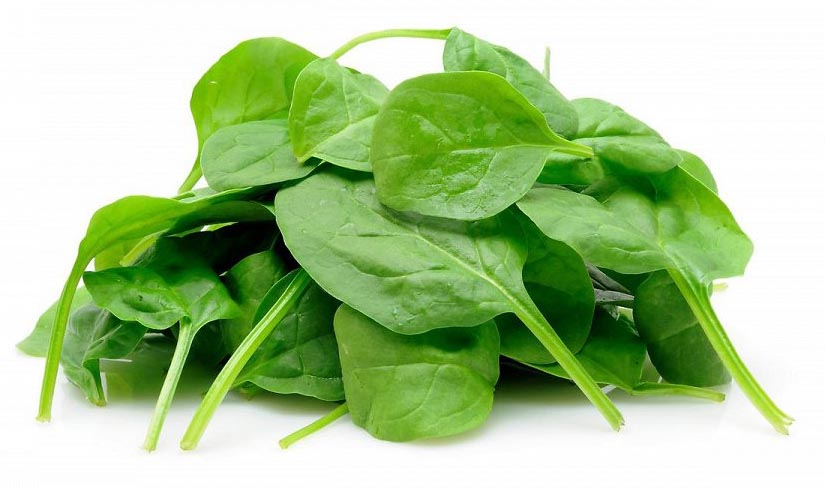
The plant contains many useful components: fiber, organic acids, a balanced multivitamin complex: vitamins A, C, B, folic acid, a high content of vitamin E, minerals - iron, potassium, magnesium.
Consuming the leaves has a beneficial effect on the body, helping to prevent gastrointestinal diseases, anemia, diabetes, and hypertension. The fiber in the leaves improves intestinal motility, improves digestion, and so on.
Unfortunately, spinach, a leafy vegetable, doesn't keep fresh for long. To ensure these valuable green shoots are consumed in winter, they are dried, canned, and frozen.
Video "Leaving"
This video will show you how to care for spinach.