
Arugula plant: care features
Content
Description
Arugula is a herbaceous plant, usually an annual (rarely biennial), belonging to the Brassicaceae family. It grows wild on many continents (Asia, Central Europe, Africa, and India). Cultivated varieties are widely used in cooking as a spicy flavoring, as well as in folk medicine. Arugula's culinary value lies not only in its leaves, which are primarily eaten fresh, but also in its flowers and seeds, which are used to make spices and oils.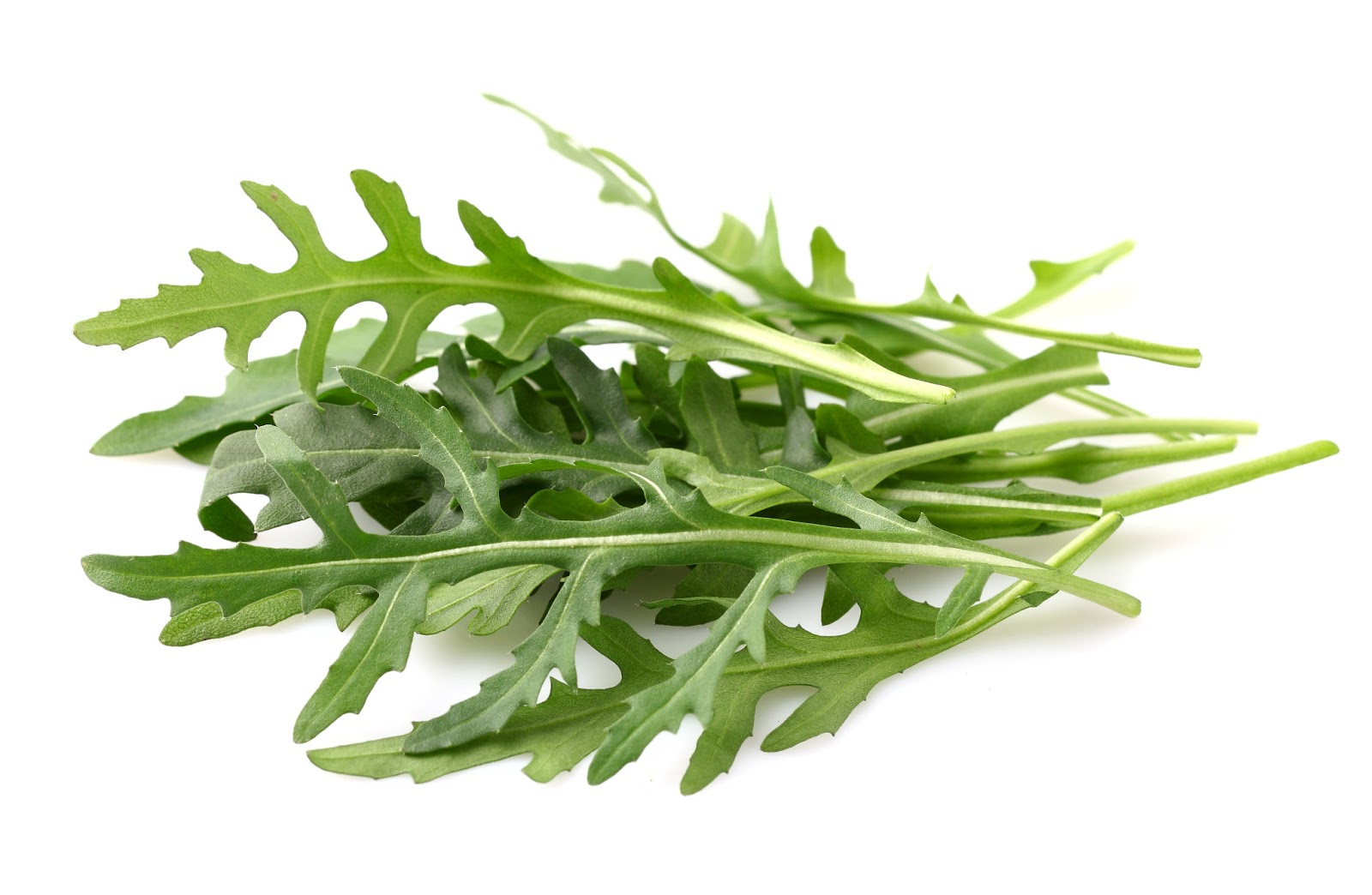
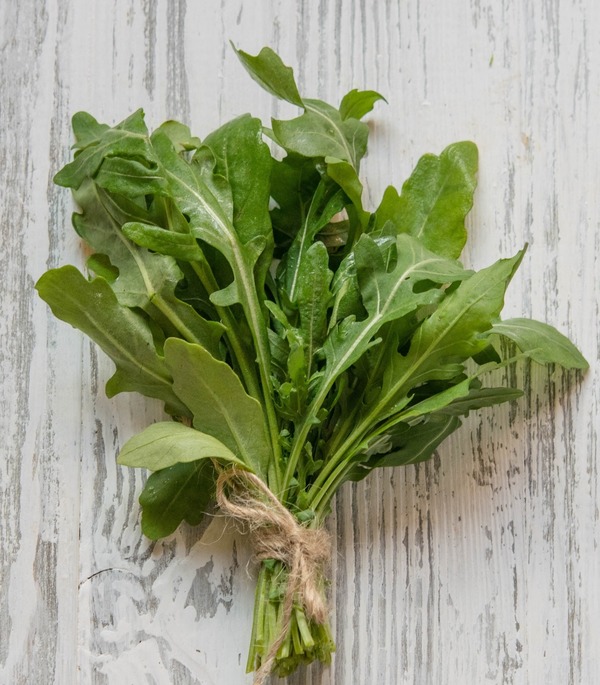
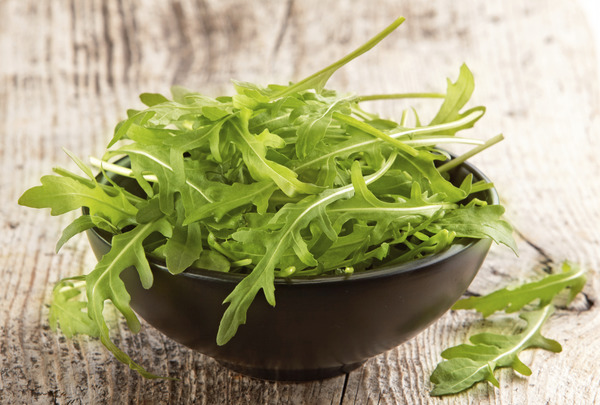
Arugula is a small (20-60 cm tall) rosette-shaped plant with a straight, slightly drooping stem, at the end of which an inflorescence forms. The plant's leaves are dark green, lobed at the edges, juicy, thin or fleshy depending on the variety, with a characteristic bitter, nutty flavor. The bushes bloom in May to early June with small flowers in small clusters. Arugula seeds ripen in a pod that forms where the inflorescences once were.
Video "Beneficial Properties"
From the video you will learn about the beneficial properties of mustard herb.
Planting seedlings
Arugula can be grown from seedlings and seeds. In temperate climates, the crop is sown directly into the ground in mid-April. In northern regions with cold winters and long springs, it's best to grow the greens from seedlings.
Sowing seeds for seedlings should be done in early March, but each region may have its own planting time. First, the seeds are placed in a moist substrate, where the seedlings will emerge, and then transplanted into individual pots. The substrate can be the same soil in which the seedlings will grow, but before sowing the seeds, it must be thoroughly disinfected: heated over a fire, doused with boiling water, or treated with a potassium permanganate solution.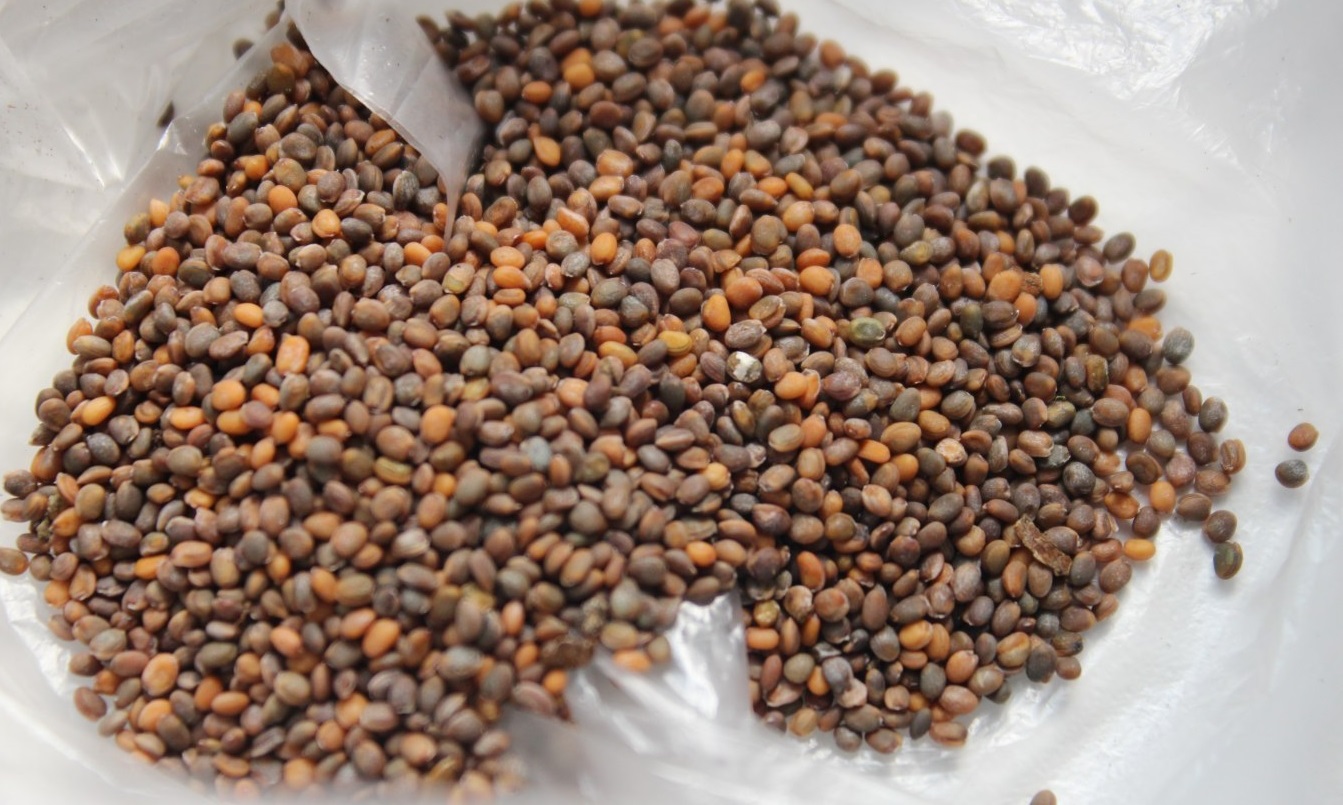
Before planting, it's also recommended to soak the seeds for several hours in a light solution of potassium permanganate. Next, fill a seedling box or container 10 cm deep with moistened substrate. Spread the seeds over the surface at a distance of 2-3 cm, cover with a 1 cm layer of sand, moisten again, and place in a bright location (no need to cover).
In 3-5 days, seedlings will begin to emerge en masse. Initial care for the seedlings consists only of watering and gently loosening the soil. Once two true leaves have formed, the plants are pricked out into individual pots filled with peat substrate, two at a time, or transplanted into spacious boxes, spaced 10 cm apart. Once the seedlings have established themselves somewhat, they are transplanted into the ground along with the soil, being careful not to damage the roots.
Growing at home
Arugula thrives in any conditions, so it can easily be grown on a windowsill. For planting, purchase a ready-made universal soil mix with a neutral or slightly alkaline pH. During warmer months, you can prepare your own soil using two parts turf, two parts compost, and one part coarse sand. Before sowing, mix all ingredients thoroughly and pour boiling water over them.
You can sow seeds in any container (containers, boxes, juice or milk cartons), but it's more convenient to plant them in flower pots. Arugula plants in pots look very decorative, forming a lush rosette of beautiful feathery leaves, allowing you to not only enjoy these vitamin-rich greens but also decorate your space.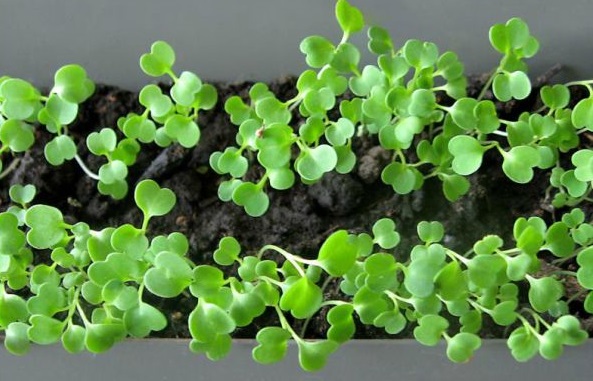
Since indoor arugula doesn't require transplanting, it's best to sow the seeds directly, eliminating the need for thinning at 10-15 cm intervals, or 2-3 seeds per pot. Place drainage material at the bottom of the planting container, then fill it with soil. Place the seeds on the surface, as if they were seedlings, and then cover with a layer of soil.
For home growing, it's recommended to choose early varieties; they produce a harvest within 20 days of germination. For comfortable development, arugula requires only watering and a temperature of 18-20°C. If organic matter was added to the soil at planting, no further fertilization is necessary. Using mineral mixtures is especially discouraged, as the thin leaves quickly accumulate toxic substances.
Growing in open ground
In a garden bed, arugula rosettes grow especially lush, and the leaves are juicy, but to achieve this, it is necessary to follow all the rules for planting in unprotected soil:
- Before sowing seeds, it is recommended to enrich the soil with organic matter - this will allow you to do without additional feeding during the growing season;
- the distance between rows should be at least 30 cm;
- The seeds are sown to a depth of no more than 1.5 cm, it is better to distribute the material over the surface, and then sprinkle it with soil - sowing in rows is not recommended, since the sprouts are very delicate and will take a long time to germinate;
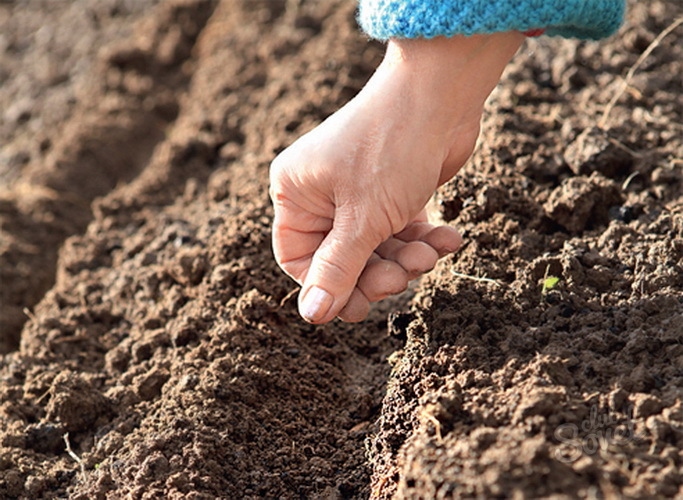
- After the last thinning, the distance between plants should be 15-20 cm - loose placement is necessary in order to achieve the characteristic nutty taste and aroma of the leaves;
- when planted in a sunny place, the leaves grow more juicy and tasty;
- Regular watering will help extend the harvest season - due to heat and dry soil, plants bloom, after which the leaves become very bitter and tasteless;
- To ensure a good yield, crop rotation should be observed and the planting location should be changed annually. Potatoes, tomatoes, legumes, and pumpkin crops are considered favorable predecessors for arugula.
Arugula pests and diseases
Thanks to the essential oils in its leaves and stems, arugula is virtually pest-free. In rare cases, young greens may be attacked by flea beetles or cabbage moths. These insects pierce the leaves, causing damage to the crop. To prevent pest infestations, it is recommended to cover the garden bed with agrospan or other non-woven material immediately after sowing the greens. If insects attack mature seedlings, it is recommended to treat the plants with ash, tobacco, or ground red pepper. These treatments are also effective against slugs, which sometimes appear in the garden bed after rain.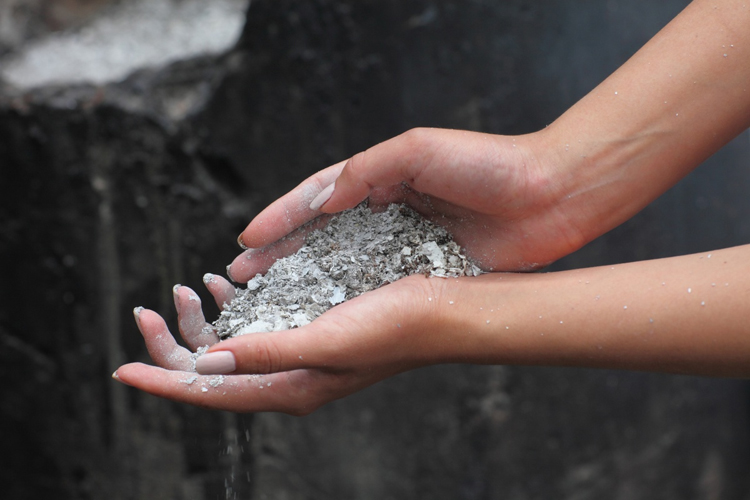
Diseases are more complex. As soon as humidity rises slightly, arugula becomes susceptible to fungal diseases. The leaves turn yellow, indicating a fusarium infection, brown spots appear on them (a symptom of downy mildew), or the veins on the leaves become dark, even black. Since arugula leaves are very delicate, treatment is futile; they won't return to green. If this problem has already occurred, the bed needs to be relocated.
Types and varieties
Cultivated arugula is divided into two types: annual and biennial. Biennial plants have more robust stems and rhizomes, allowing them to easily survive the winter and produce new stems and foliage in the spring. Annuals have a growing season limited to one. Annual varieties are subdivided into cultivars based on maturity: early (20-25 days) and mid-season (30-35 days).
The most popular varieties of arugula are:
- Dikovina is the most frequently used mid-season variety in cooking, the rosette is low (18-20 cm), compact, the leaves are large, lyre-shaped, with a soft, slightly spicy taste;
- Victoria is an early variety, the harvest of which can be collected 20 days after emergence, the rosette is low (15-18 cm), dense, formed around the stem, the leaves are bright, very juicy, contain many vitamins;
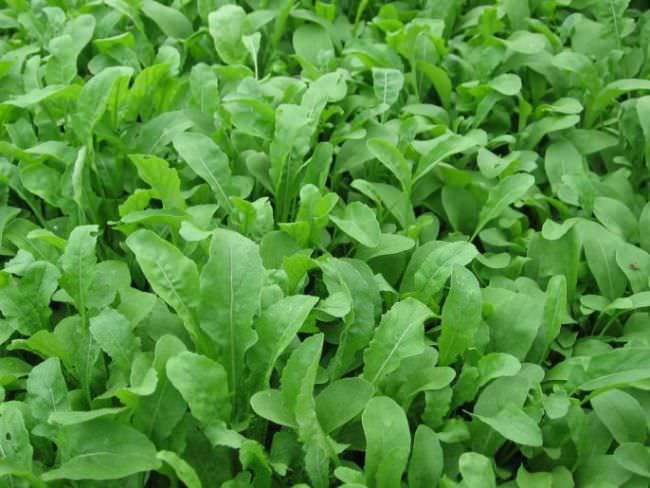
- Olivetta is an early variety, ripening 3 weeks after the emergence of sprouts, the rosette is erect, low (15-20 cm), the leaves are dissected, thin, have a specific bitter-nutty taste, for which they are highly valued in cooking;
- Cupodon's Arrows is a mid-season variety (35 days) with a beautiful, lush rosette up to 30 cm high, narrow, deeply dissected leaves with a specific bitter taste;
- Spartak is an early (21 days) arugula that forms a beautiful compact rosette of delicate, rounded leaves rich in vitamins and essential oils, suitable for growing at home;
- Rocket is another early variety (25 days) with a specific nutty flavor, the rosette is compact (up to 20 cm high), formed around the stem, the leaves are dark green, long, pinnately dissected;
- Patience is a mid-season and the latest variety (40-45 days), the leaves are dark green, long, deeply dissected, and have a distinct nutty-mustard flavor.
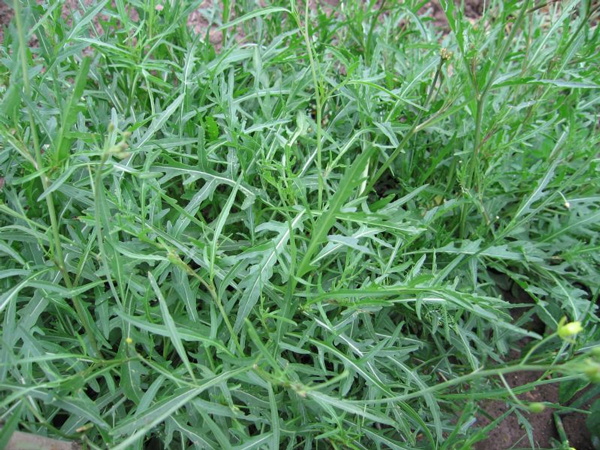
No less popular are the varieties Poker, Sicily, Euphoria, and Rococo, which can also take a worthy place on your site.
Harm and benefit
Arugula, or mustard herb as it's commonly known, contains many biologically active substances, vitamins, and minerals, which give the plant its healing properties. This herb has long been used in folk medicine to treat migraines, boils, and relieve pain from bruises, wounds, and sprains. Today, fresh arugula is successfully used to treat problem skin, dermatitis, and to lighten age spots and freckles.
Arugula's nutritional composition is rich and varied. It contains a lot of phosphorus and magnesium, as well as sodium, calcium, zinc, manganese, selenium, copper, and iron. It also contains vitamins A, C, E, beta-carotene, almost all the B vitamins, and a very high amount of vitamin K.
In addition, it contains acids, fatty oils and esters that have antibacterial, antiscorbutic and anti-inflammatory effects.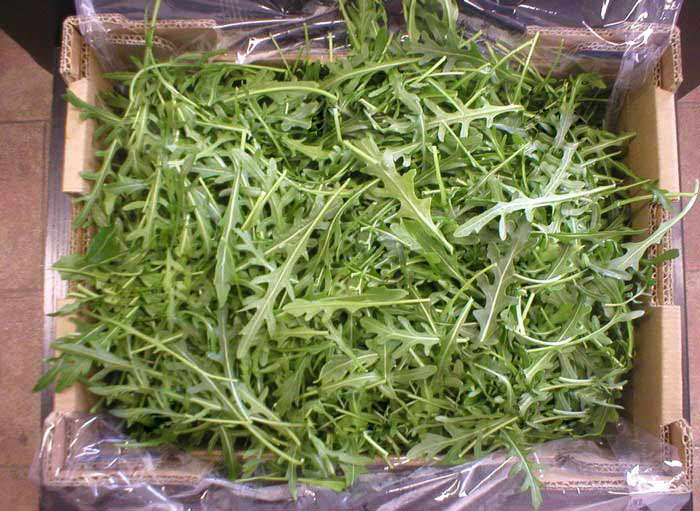
Fresh herbs in the daily diet improve digestion, have a beneficial effect on the skin, remove excess fluid, boost hemoglobin and immunity, and restore metabolic processes. Nursing mothers are recommended to use herbs to restore lactation, and the elderly benefit from them as a general strengthening agent.
You can eat arugula as much as you like, as it only contains 24 calories. However, like any food, it has some contraindications, including gastritis, colitis, kidney stones, certain liver conditions, and, of course, individual intolerances.
Video "Growing"
From the video you will learn how to grow arugula.