
A review of 10 flowering indoor plants
Content
Pros and cons of such plants
Flowering yet low-maintenance houseplants are the ideal choice for gardeners. They serve primarily an aesthetic function. Furthermore, these green specimens can have a beneficial effect on health, improve overall vitality, and significantly improve mood.
Houseplants are believed to destroy toxins and other harmful microorganisms, in return enriching the indoor air with oxygen. Therefore, it's recommended to have these plants in your home not only as living decoration but also for their health benefits.
Video "Flowering Houseplants"
In this video, an expert will talk about how to decorate your home and office interior and choose the right flowering houseplants.
Possible options
Indoor flowers that bloom year-round will truly enhance your home. They're impossible to miss, as their lush, vibrant blooms captivate everyone's attention. Plus, you want to enjoy the beauty of flowers even when the frosts are still raging outside and spring is still a long way off.
That's why you should first study the most common flowering houseplant varieties. Only then will you be able to clearly determine which specimens to add to your collection.
Pelargonium
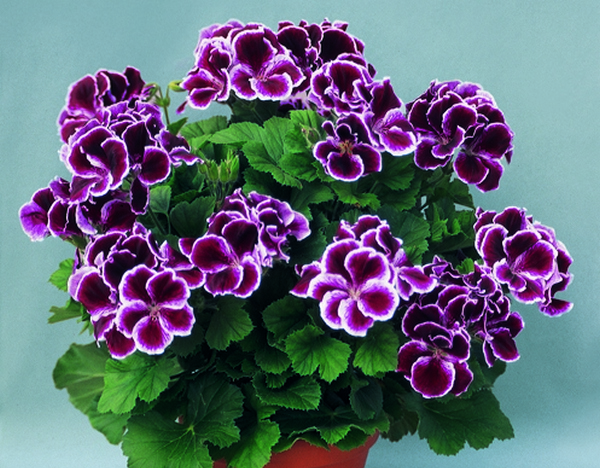
This indoor flowering plant attracts attention with its vibrant double blooms in shades of red, white, pink, and raspberry. What's most remarkable about this plant is that it blooms almost continuously. The height of this miniature shrub is adjustable: place the pot in a shaded area, and the stems will begin to stretch. Moderate watering is recommended, but high humidity is not necessary.
Begonia
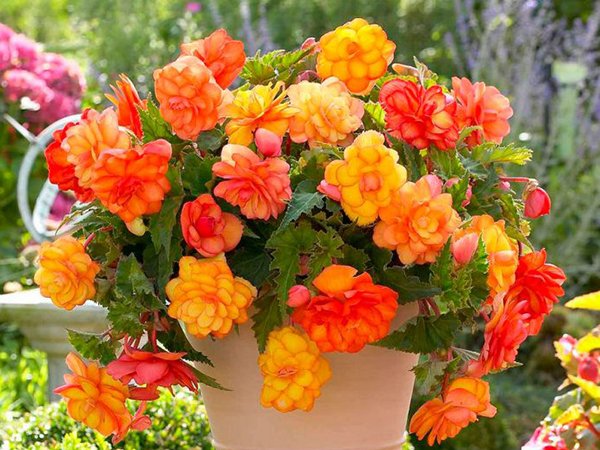
Some plants not only bloom beautifully but also stand out from the crowd with their unusual, vibrantly colored leaves. Florists worldwide cultivate approximately 1,000 varieties in this category, all of which make aesthetic additions to any home.
To grow begonias, you need to maintain the appropriate temperature in your home (around 20°C). Otherwise, they simply won't bloom.
In general, begonias are easy to care for, but it is recommended to simply remove wilted leaves and flowers from the stem.
Balsam
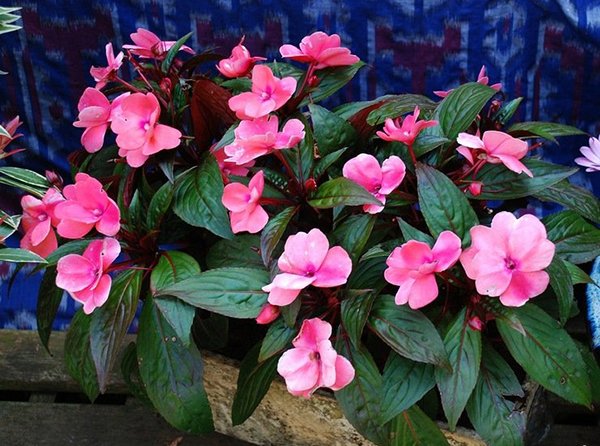
This beautiful houseplant is popularly known as "little flame." During flowering, the leaves and stems of this amazing plant are simply hidden behind the vibrant blooms. Even a novice can grow it, but some recommendations should still be taken into account. For example, it's not advisable to place the balsam pot on an open windowsill, as direct sunlight can damage it. This plant is considered a sun-loving plant, but the light should be indirect.
Interestingly, artificial lighting is no problem for this green specimen. This makes it perfectly suitable for growing in an office or city apartment. Another important point in caring for this flower: it is recommended to repot it at least every 3-4 years, as a renewed plant blooms much better.
Fuchsia
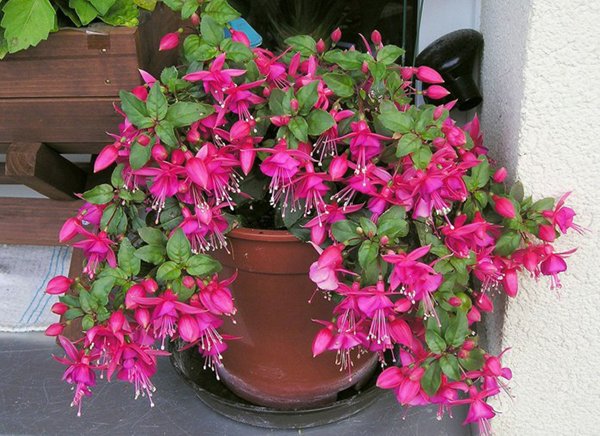
Fuchsias are best grown in high humidity and indirect light. They should be misted occasionally to ensure long-lasting blooms. The flowers come in white, red, and purple. To ensure successful overwintering, fuchsias should be moved to a cool, shaded location. Watering should be moderate.
Azalea
This houseplant isn't exactly low-maintenance, but it does have its advantages. It blooms in shades of red, pink, white, and even purple. Create favorable conditions for it, and it will delight you with its blooms almost year-round.
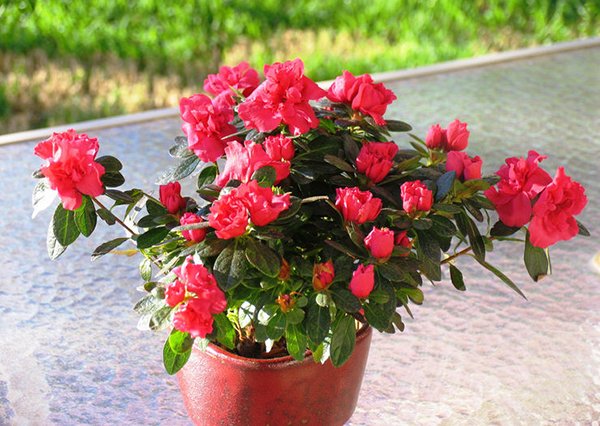
Spathiphyllum or flageolet
What makes this plant remarkable is its snow-white, unusually shaped flowers, which are often grown for cut flowers. The room where this plant is grown should be kept warm, with diffused lighting and humid air.
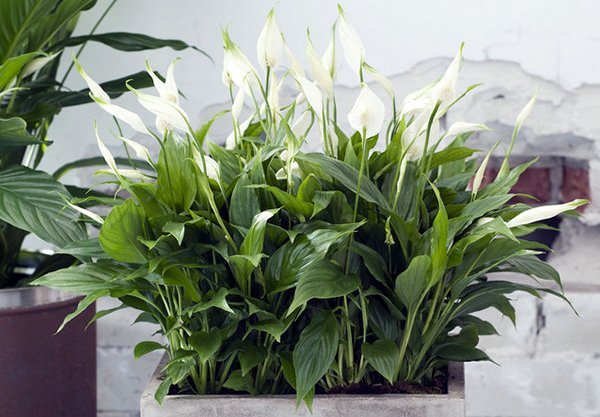
Hibiscus
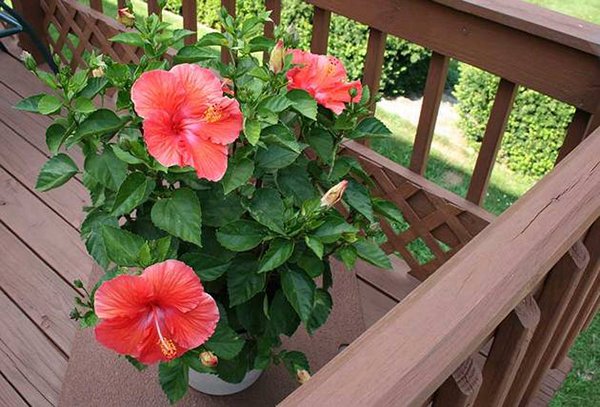
This houseplant is cultivated by Russian gardeners both as a standard and as a miniature shrub. This specimen can grow quite large. Its flowers bloom in shades of red, pink, and even coral. It's easy to care for; you just need to maintain an optimal microclimate.
Kalanchoe
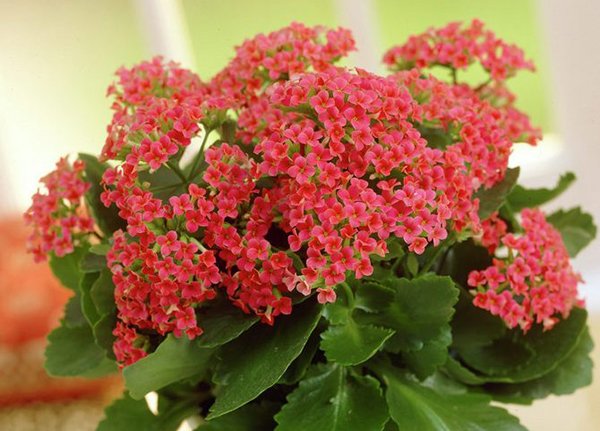
During the flowering season, the Kalanchoe plant is covered in bright yellow and orange flowers. When caring for it, it's crucial not to overwater the soil, otherwise the flowering specimen may die. Kalanchoe is considered a sun-loving plant, but it also thrives in shade.
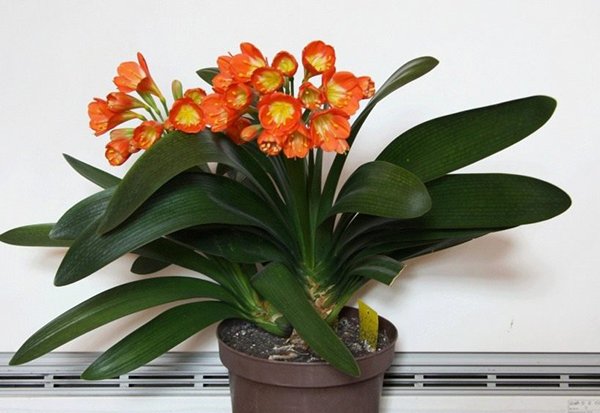
Clivia
This flowering specimen has a basal rosette from which long, leathery leaves emerge. The flower stalk consists of bright orange flowers that resemble a corolla in structure. Provide this plant with proper care, and its blooms will last for about three weeks.
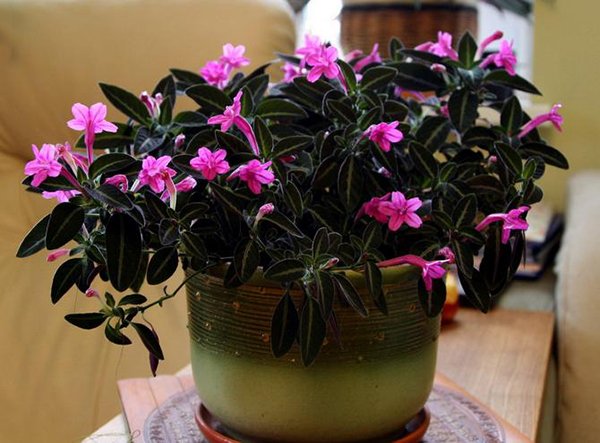
Ruellia
This plant is an evergreen specimen with lanceolate leaves. Its flowers come in shades of crimson, bright pink, and purple. Ruellia blooms around the end of August and continues to bloom until December.
Interestingly, this flower specimen is considered a good addition to a winter garden, and it is not too difficult to care for. For example, any soil will do for it.
Be sure to check out the list of the most beautiful flowering plants and choose the best options before purchasing seeds and cuttings for planting.