
Spinach varieties: description and cultivation
Content
Peculiarities
Spinach is a cross-pollinated annual dioecious plant. It belongs to the Chenopodiaceae family. It consists of male and female plants. The former are usually sparsely foliated, while the latter produce large leaves.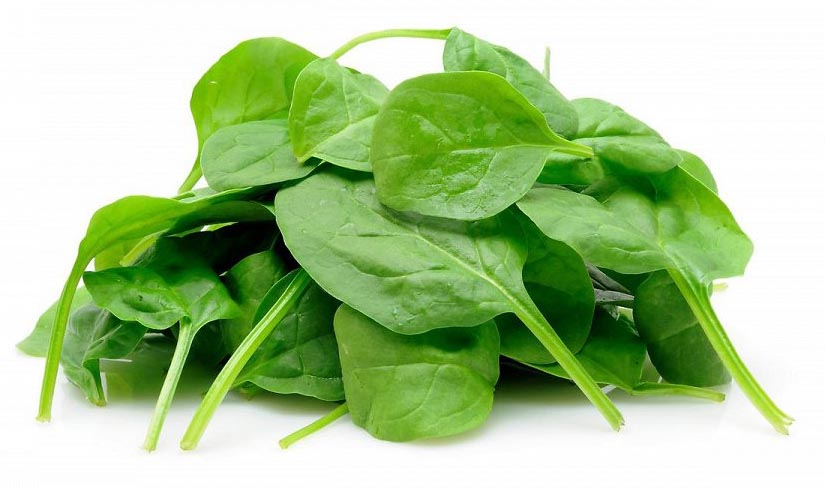
The stems can grow up to 60 cm in height, although this varies depending on the plant species. The stems produce angular or round fruits, often referred to as seeds. They are gray in color and have small spines.
The main advantages of this culture are:
- useful properties;
- easy care;
- good cold resistance.
These qualities are inherent in all varieties of this garden crop.
Video "Beneficial Properties"
From the video you will learn about the beneficial properties of spinach.
Varieties
Today, gardeners grow a wide variety of spinach varieties. The most popular are:
- Strawberry spinach. Although it's an annual plant, it can produce new shoots the following year if stems are left unharvested. Strawberry spinach has a thick, branched root, making it difficult to pull out of the ground. Its leaves don't resemble spinach in appearance, as they are not fleshy. The leaf edges are pointed and toothed. The fruit resembles a berry, similar to a bright red strawberry.
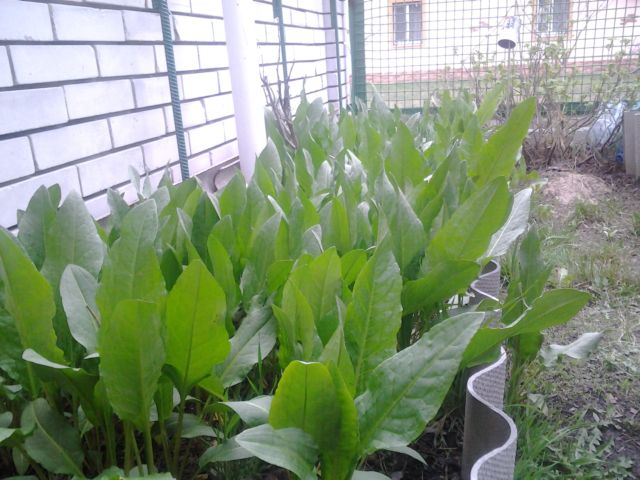
- Uteusha. This is a hybrid developed by Ukrainian breeder Yu. A. Uteusha. It can be eaten by humans, poultry, cattle, and rabbits. Uteusha spinach grows very quickly. The plant literally grows before your eyes. Its leaves contain many nutrients and valuable substances;
- Matador. This is a mid-season variety. Seedlings reach maturity 40-50 days after emergence. The rosette is compact and semi-upright. It is characterized by weak branching. It has smooth, gray-green, oval leaves. Matador spinach is very easy to grow and is sown directly into the ground. The only thing to remember is regular watering. The plant is very demanding in terms of moisture and has good resistance to bolting.
- Malabar spinach. It is also called Ceylon spinach, curly spinach, and other names. There are varieties with green and red leaves. It is native to India and is found naturally in the tropics. Therefore, moisture and warmth are essential for cultivation. It can be grown from cuttings or seeds;
- Fat-leaved. This is a late-ripening variety. The plant forms a beautiful rosette. The leaves are green, juicy, and smooth. The leaf blade may have faint bubbles;
- Krepysh. A mid-season, high-yielding variety. The bush consists of semi-raised leaves with a glossy surface. They have faint bubbles on their surface. The leaves are green. It has excellent cold tolerance. If watered sufficiently during growth, it produces an excellent harvest.
Another interesting variety is New Zealand spinach. It's not a cultivar, but a distinct plant species. New Zealand spinach can grow up to one meter in height. It's an annual plant with a twining stem, producing fleshy, dark-green, triangular-shaped leaves.
The harvest consists of the upper part of the shoot, which can be pruned repeatedly. The first pruning can be done one month after sowing. Its nutritional properties and flavor are reminiscent of the garden variety. Sown seeds germinate well in fertile soil. This variety requires warmth and light, and requires frequent watering.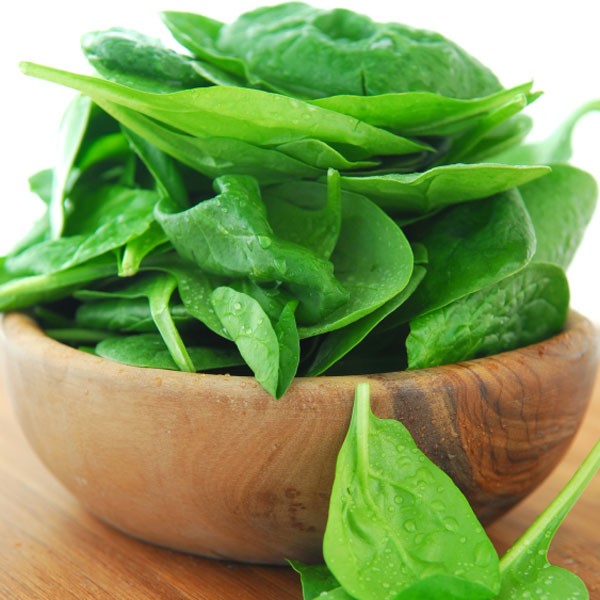
The first shoots of New Zealand cherries appear approximately 20-25 days after sowing. Experts recommend using seedlings for planting.
Spinach, the varieties of which are presented above, is the best choice for the garden. However, there are other varieties suitable for growing in certain regions of the country.
Growing
Each type of spinach has its own growing requirements. But in general, the cultivation technique for this crop is simple and involves a few systematic steps:
- watering;
- weeding;
- top dressing.
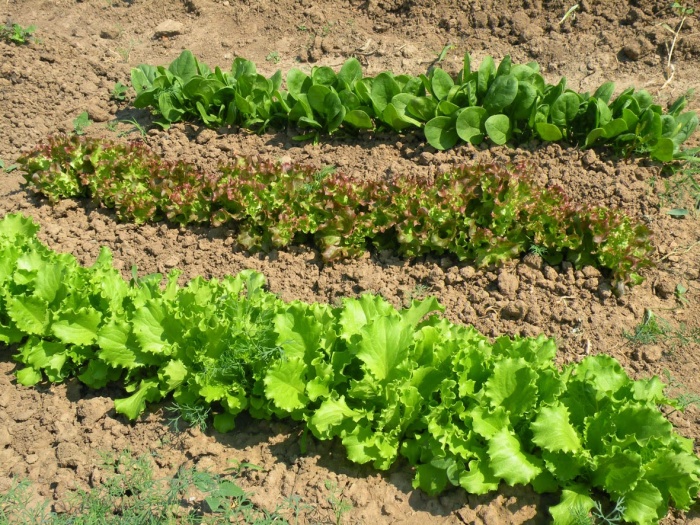
It's important to know that plants quickly lose their marketable qualities in hot and dry weather. At the same time, flowering shoots begin to actively form.
When choosing a growing location, it is necessary to give preference to roadside soils that are well lit and warmed up during the day.
Seeds sown in the ground begin to germinate when the temperature rises to 4 degrees Celsius. The optimal temperature is 15 degrees Celsius. Once the shoots reach the rosette stage, they can withstand temperatures as low as -6 degrees Celsius.
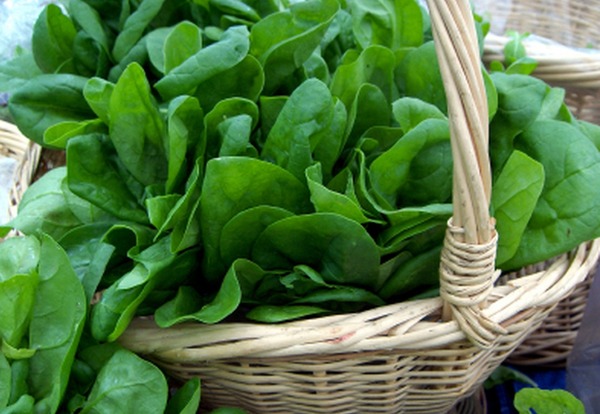
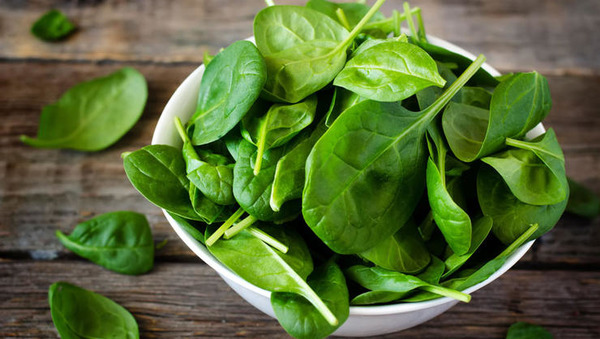
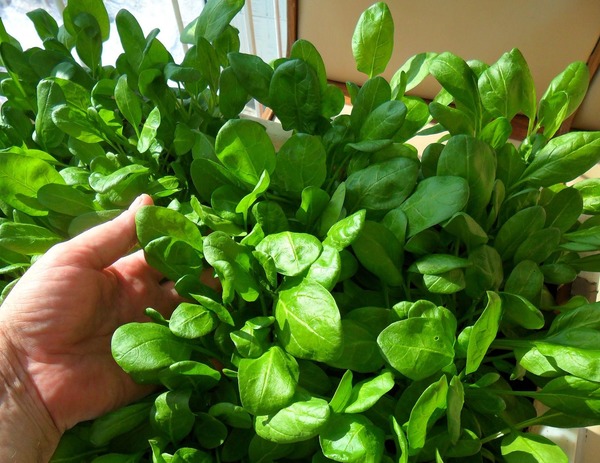
The ease of cultivation and the low maintenance requirements of some varieties have made spinach a popular agricultural crop. Before choosing a variety, it's important to understand the growing conditions required. After all, our country has a wide range of climatic conditions, and ignoring them will not yield the desired harvest.
Beneficial properties
Gardeners actively grow spinach for its many beneficial properties. This plant is considered a valuable dietary product. Its leaves contain:
- dry matter – 10%;
- sugars – 1.4%;
- protein – 3.4%.
They contain vitamins A, C, and B, as well as phosphorus, potassium, and iron. Therefore, the plant is often included in children's diets.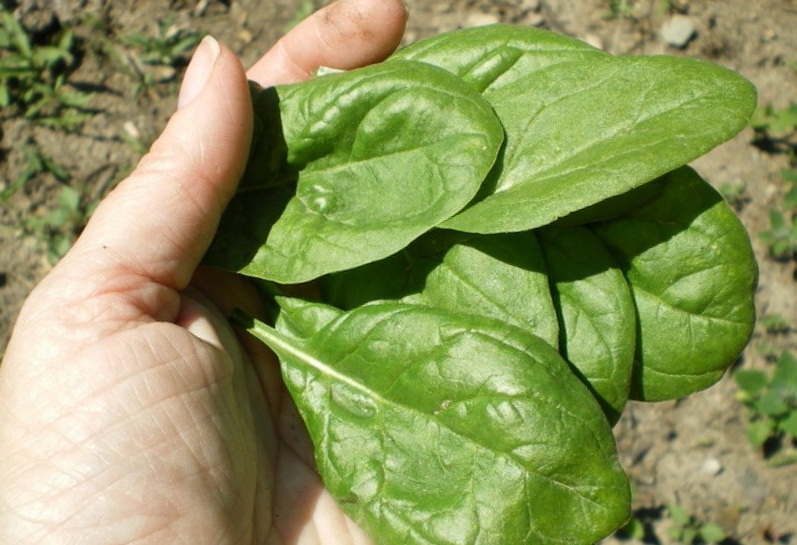
The rosettes are used as food. They can be eaten both raw and cooked.
Spinach is a very useful garden crop. It's fairly easy to grow in your own garden. However, there are a few rules to follow. It's especially important to water the plants regularly and thoroughly.
Video "Growing"
This video will show you how to grow spinach correctly and effectively.