
Harvesting mint: when to harvest and how to store
Content
Mint harvesting
Like any other fragrant herb, this one is best preserved until winter, ready to be used in delicious tea and various medicinal treatments. It should be dried to prevent rotting and mold from developing on the surface.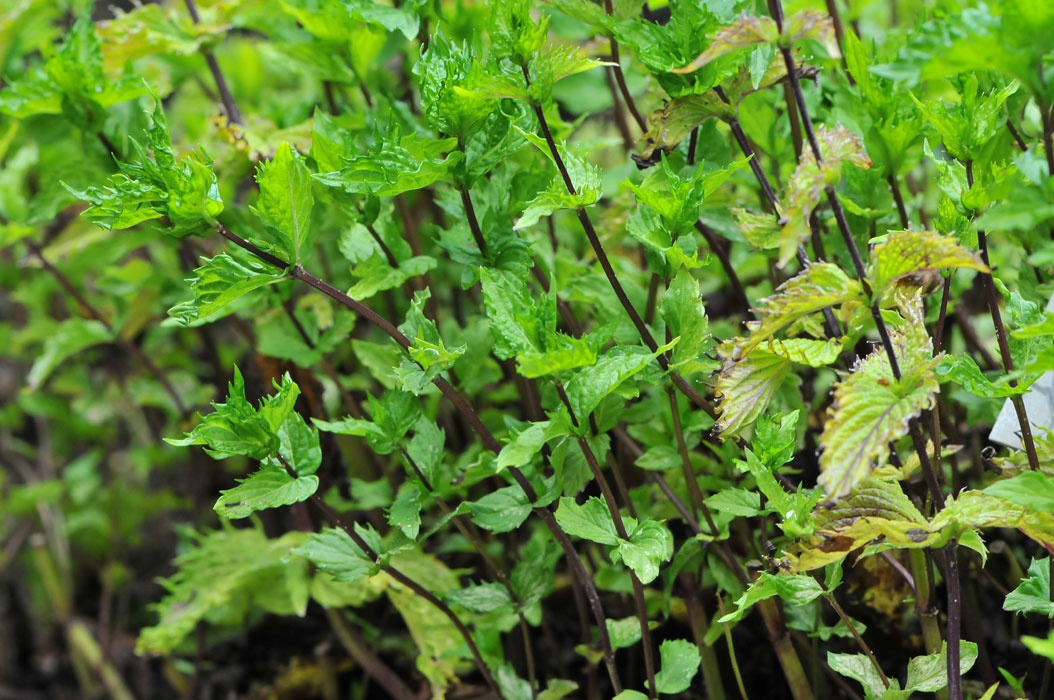
It is necessary to collect and store the culture correctly so that it does not subsequently lose its appearance and healing properties. If you do everything correctly, you'll be able to use this aromatic herb for your own needs all year long. It's important not only to carefully harvest the plants but also to choose the right place and time for storing them. Knowing the proper methods for drying and storing harvested plants will also help.
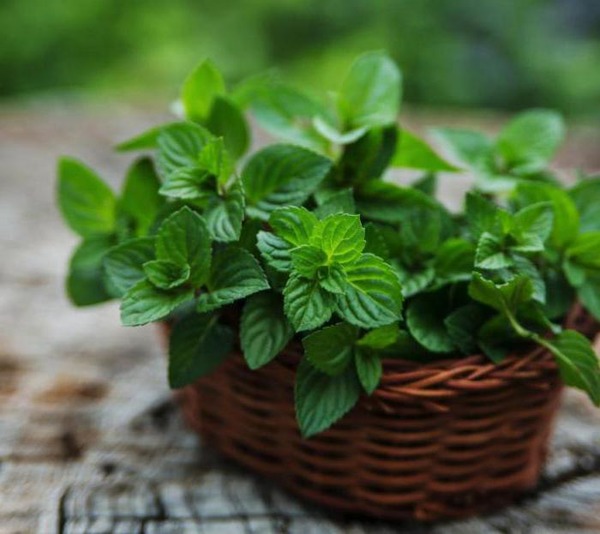
There are recommendations for harvesting this medicinal herb. It's best to avoid plants located near roads or in heavily polluted areas. It's recommended to find a clearing away from the city. Very young plants should also be avoided. Cut the mint close to the ground. Do not pluck it by hand. It's recommended to trim the stem by a third of its length. This will ensure rapid growth, allowing for another harvest this season.
Video "Mint Harvesting"
This video will show you how to properly harvest mint.
Time to collect
Many people wonder when mint should be harvested to ensure they obtain only high-quality and beneficial herbs. This should be done in the first months of summer, when the plant is actively growing and flowering. Harvesting is planned based on the intended use of the plant parts. Menthol extract can be obtained during the full flowering period. To dry the plant with its stems, harvesting is best done before the buds appear, that is, before flowering. After flowering, mint can be harvested anywhere, but it's best to stay away from city streets. If you do everything correctly, you'll be able to enjoy the pleasantly scented mint harvest all year long.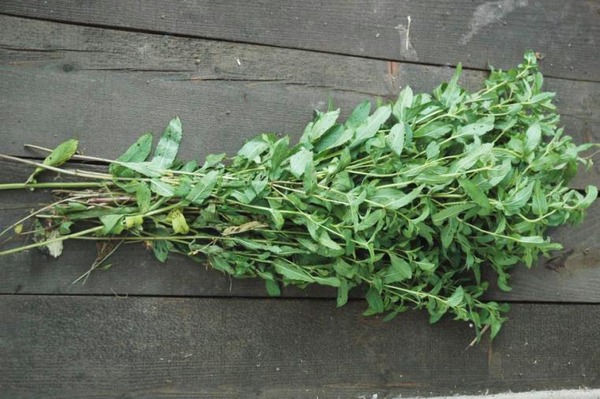
Remember that mint leaves can be harvested in the spring to brew a fragrant tea, which is effective against headaches, colds, and intestinal problems. The peak harvesting season is July. This is when the green foliage reaches its peak, allowing the plant to develop its characteristic minty aroma.
Harvest 1-3 times per month. The frequency depends on how long the herbs have been growing in their current location. Mint can survive for about 4-5 years without replanting. From the second year onward, it grows quite densely. Harvesting should be avoided early in the morning or on rainy days.
Proper storage
It's recommended to hang cut stems with leaves and flowers in bunches in a dry, well-ventilated area away from sunlight. A room in an apartment, a shed, or an attic will do. You can spread the herbs on a surface of paper or a clean cloth. Make sure to spread them in a thin layer to ensure they dry thoroughly. If you place the herbs on the floor, turn them at least twice during the drying process.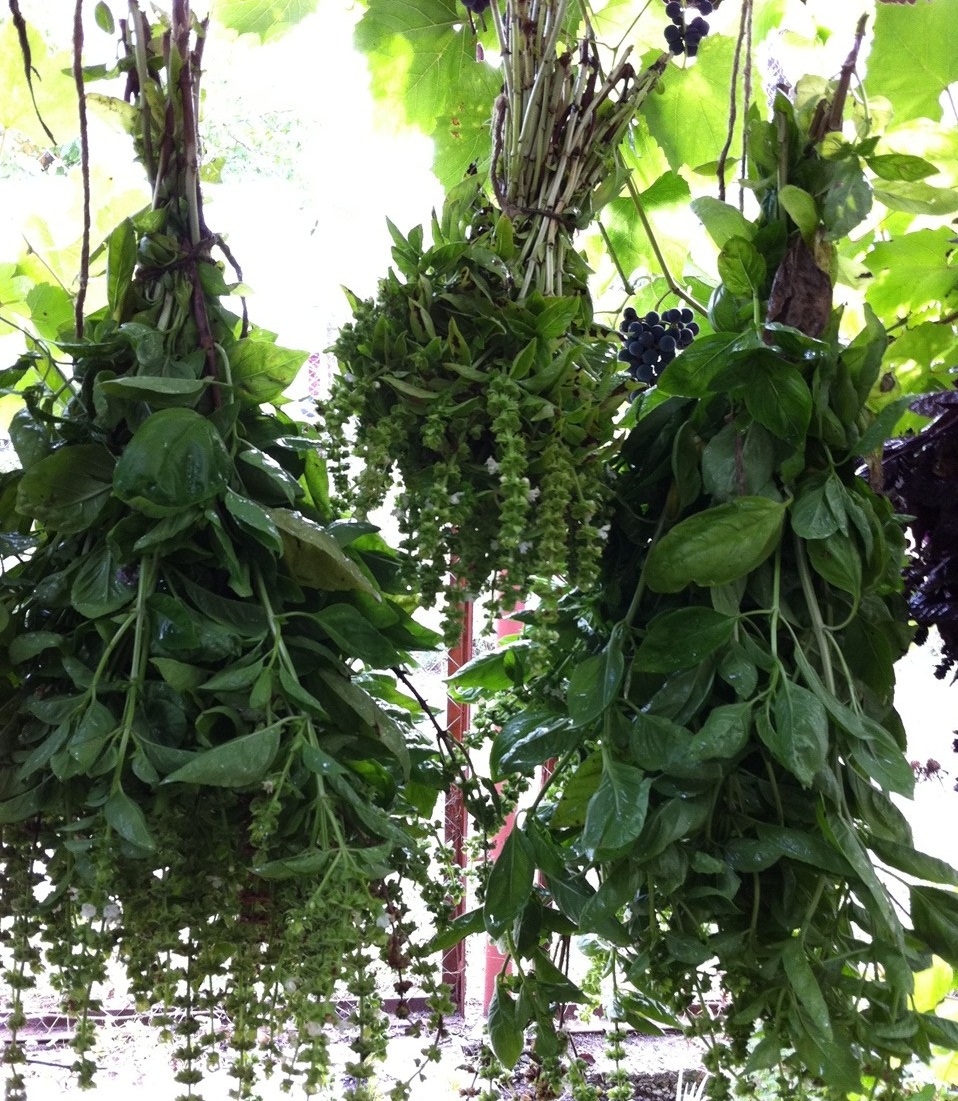
Using an oven is not recommended. Drying the herb in an oven can cause it to lose many of its medicinal properties. Dried mint is usually stored over winter in a cardboard box, a glass jar with a lid, or a cloth bag. Grinding the dried herb into a powder is acceptable, but it should be stored in a tightly sealed container. Unlike whole dried mint, it can lose many of its beneficial properties. Dried sprigs or powder are not recommended for storage longer than two years.
Video: How to Properly Store Mint
This video will show you how to properly store mint so it doesn't lose its magical properties.