
How to Grow Arugula on a Windowsill: Tips for Beginners
Content
Features of cultivation
Before you begin growing a plant like arugula at home, it's important to understand all the intricacies of the process. Only then will you achieve the desired results with minimal effort, time, and stress.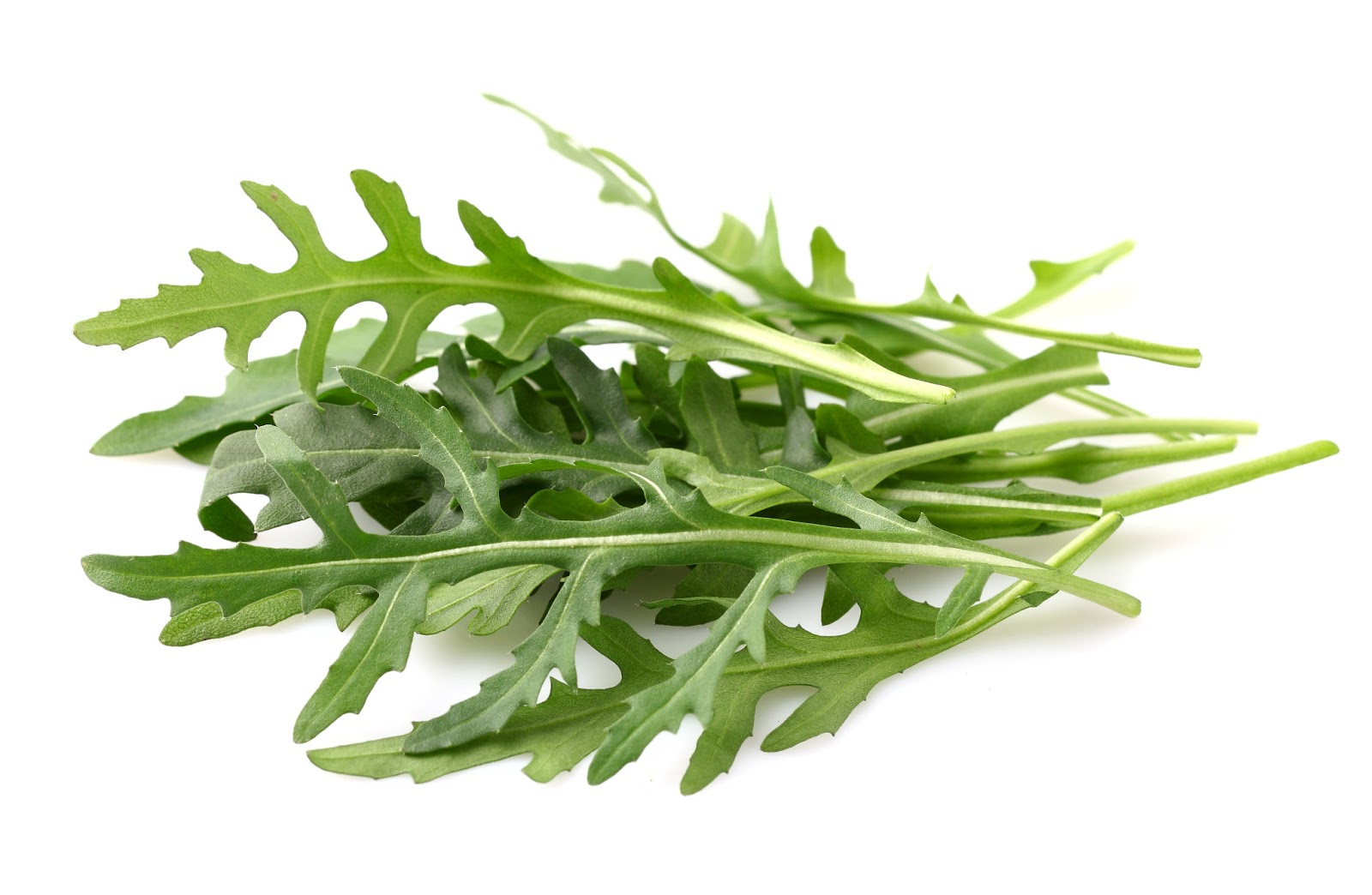
What is arugula? It's an annual plant belonging to the Brassicaceae family. It's an early-ripening vegetable and a type of leafy green. This crop is becoming increasingly popular among gardeners every year due to its unique and refined flavor. It's also a very healthy green. The crop originated in our country from the Mediterranean coast.
A huge advantage of growing this plant indoors is its ease of care. It's completely unfussy and thrives in a variety of containers: flower pots, wooden boxes, or plastic trays.
When growing this greenery on a windowsill, you need to know the following things:
- The soil should be slightly alkaline or neutral. You can use soil that has been planted after squash or legume crops. However, a suitable soil can also be prepared by mixing sand, humus, and turf soil in a ratio of 1:2:2.
- The soil must be disinfected. It's best to bake it in the oven for 30 minutes;
- Drainage must be placed at the bottom of the selected container. This can be pebbles, expanded clay, or broken brick;
- The plant requires good lighting. Therefore, windowsills facing south should be preferred. If the light in the house is insufficient, additional lighting should be provided using regular fluorescent lamps. The light source should be 60 cm from the plant.
- Arugula should not be exposed to direct sunlight. Therefore, a screen should be placed around the pot. Sheets of plain white paper can be used. Use this to block the upper part of the window opening.
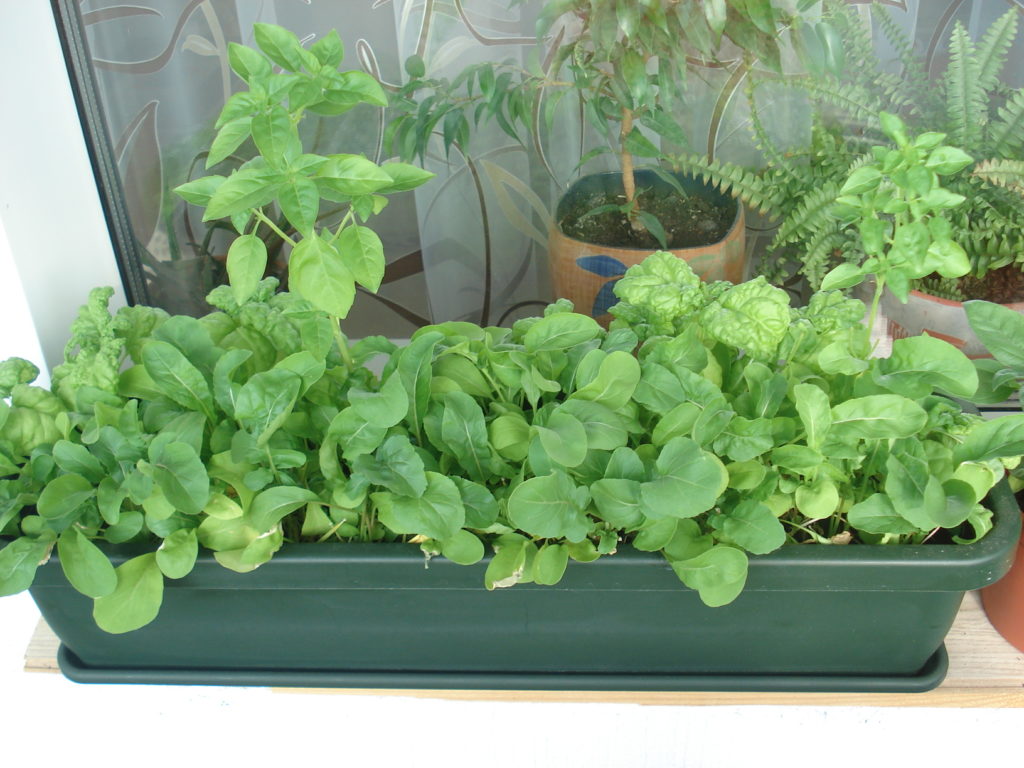
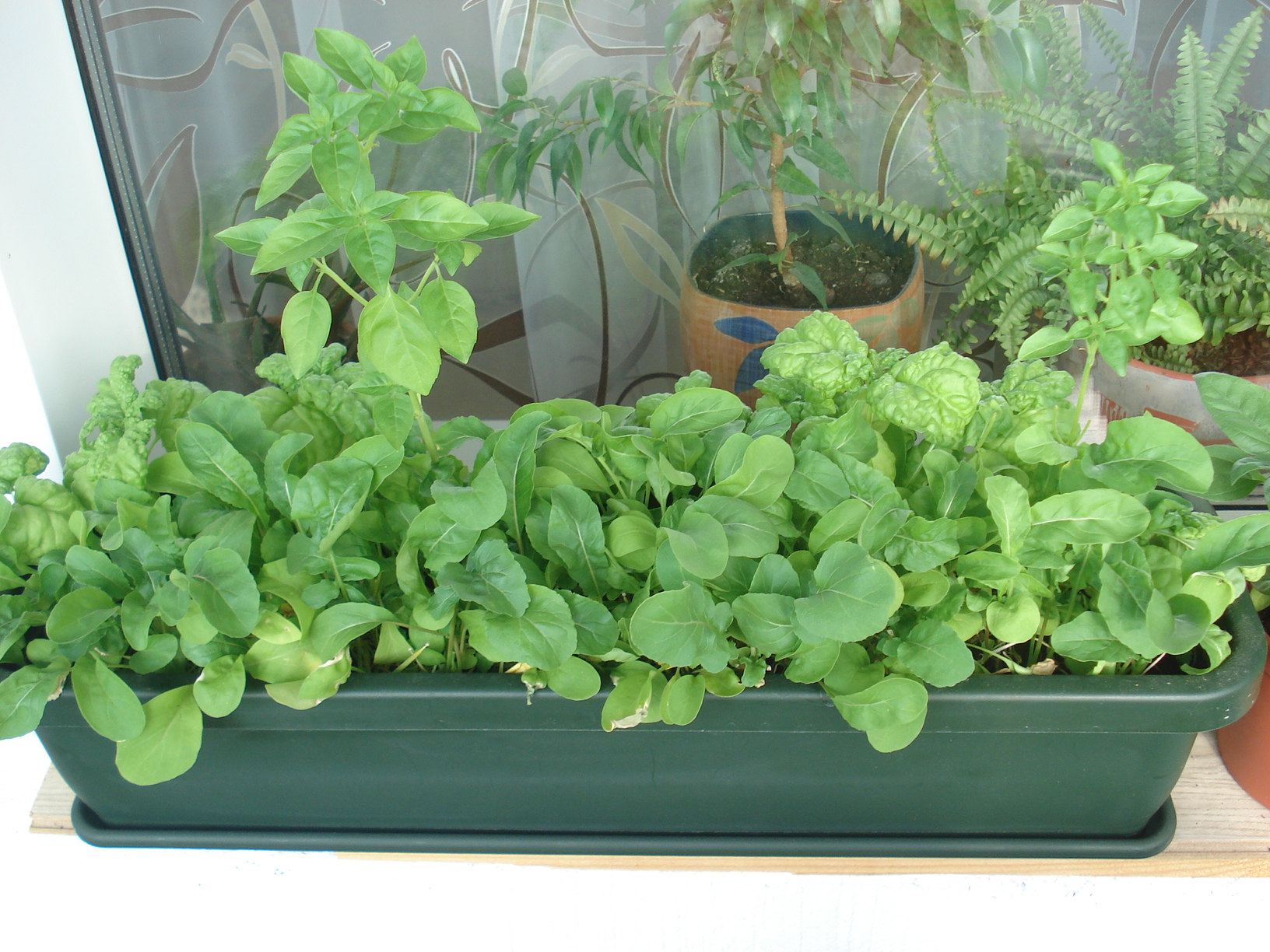
In principle, these are all the nuances you should be aware of if you're considering growing this plant at home. Minor adjustments to cultivation techniques may be necessary when growing specific varieties. However, these are usually minor, and ignorance of them won't have any serious consequences for the ripening of the future harvest.
When choosing arugula varieties for growing indoors or at home, experts recommend choosing varieties such as Sicilia, Roquette, and Corsica. These are early-ripening varieties, so they will yield a harvest approximately 35-38 days after planting the seeds in prepared soil.
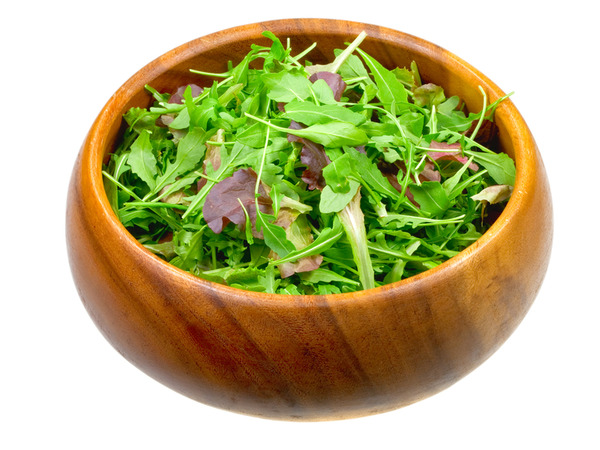
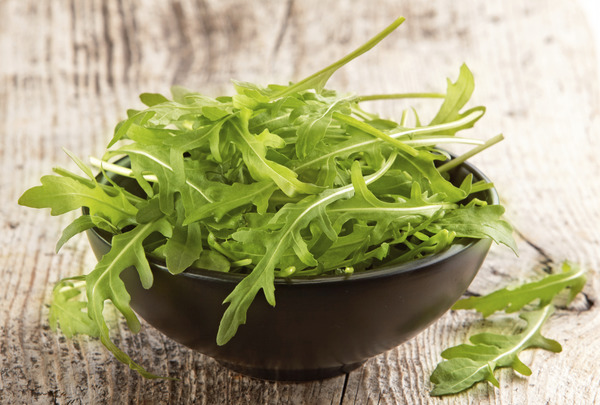
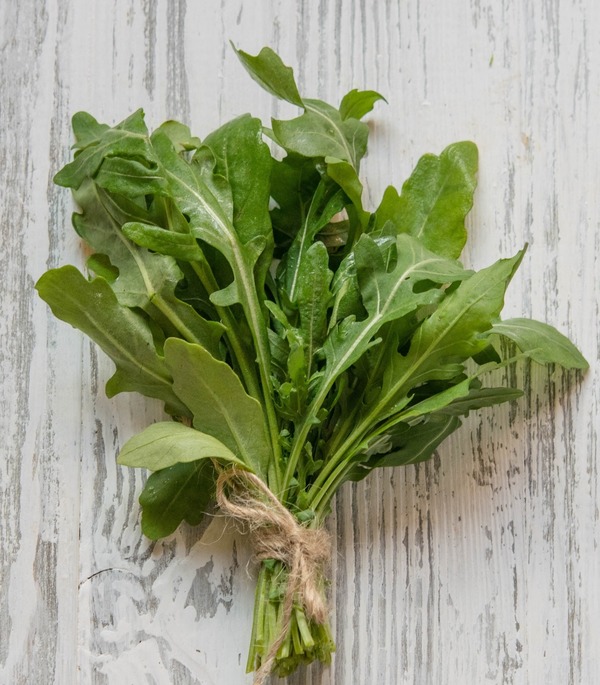
However, it's important to remember that the success of the entire project depends on the proper execution of each stage (seed selection, sowing, and subsequent care of the sprouted seedlings). Only by following all recommendations at each stage will you end up with delicious and highly nutritious greens. Moreover, improper care is the first to degrade the greens' nutritional qualities.
Video "Beneficial Properties"
From this video you will learn about the beneficial properties of arugula.
Sowing
Growing any crop at home or in the garden always begins with selecting the right seeds. Arugula seeds can be purchased at a specialty store, received as a gift from neighbors, or prepared at home. In any case, it's important that the seeds are healthy and disinfected. Otherwise, you could face a lot of trouble when the plant starts to get sick.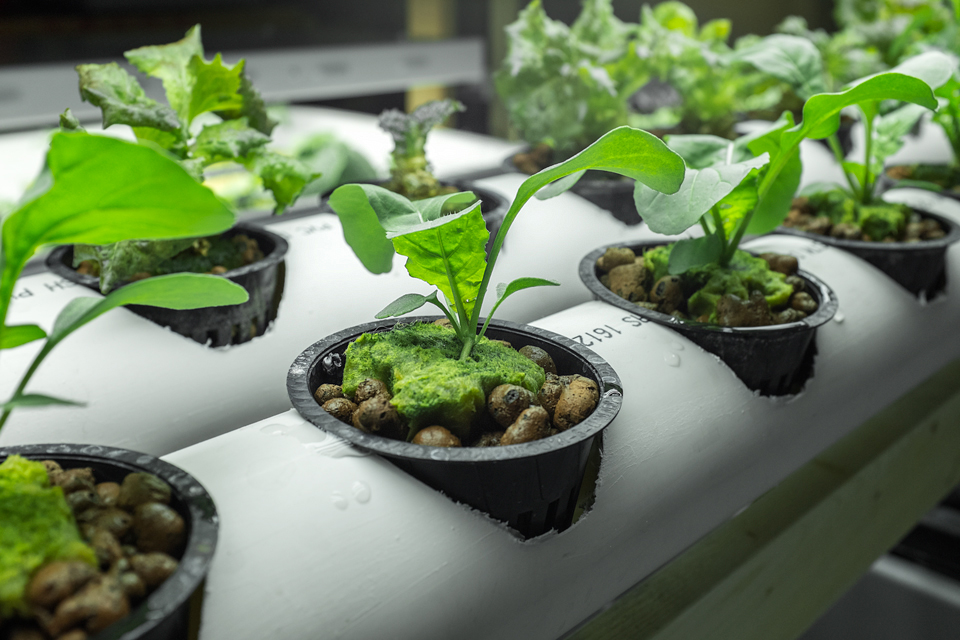
Planting selected arugula seeds is done using the surface sowing method. This is done as follows:
- the seeds are laid out on moist soil;
- there should be a gap of 3 centimeters between the seeds;
- Then they are covered with a thin layer of soil. The layer of soil poured on top should be about 1-1.5 centimeters thick;
- Then, the soil should be thoroughly watered with warm, settled water. Use a spray bottle to distribute the moisture evenly across the entire soil surface.
The choice of container type depends on how many plants you plan to grow. If you're only growing a small number, you can use a flowerpot. If you prefer a pot, choose containers with sides no taller than 12 centimeters. The soil layer should be 6-7 centimeters deep. If you're planning a small garden at home, it's best to use long plastic trays or wooden boxes.
Place the seed containers in a warm location. They can be placed near radiators. This crop will thrive in a wide temperature range from 10 to 25 degrees Celsius.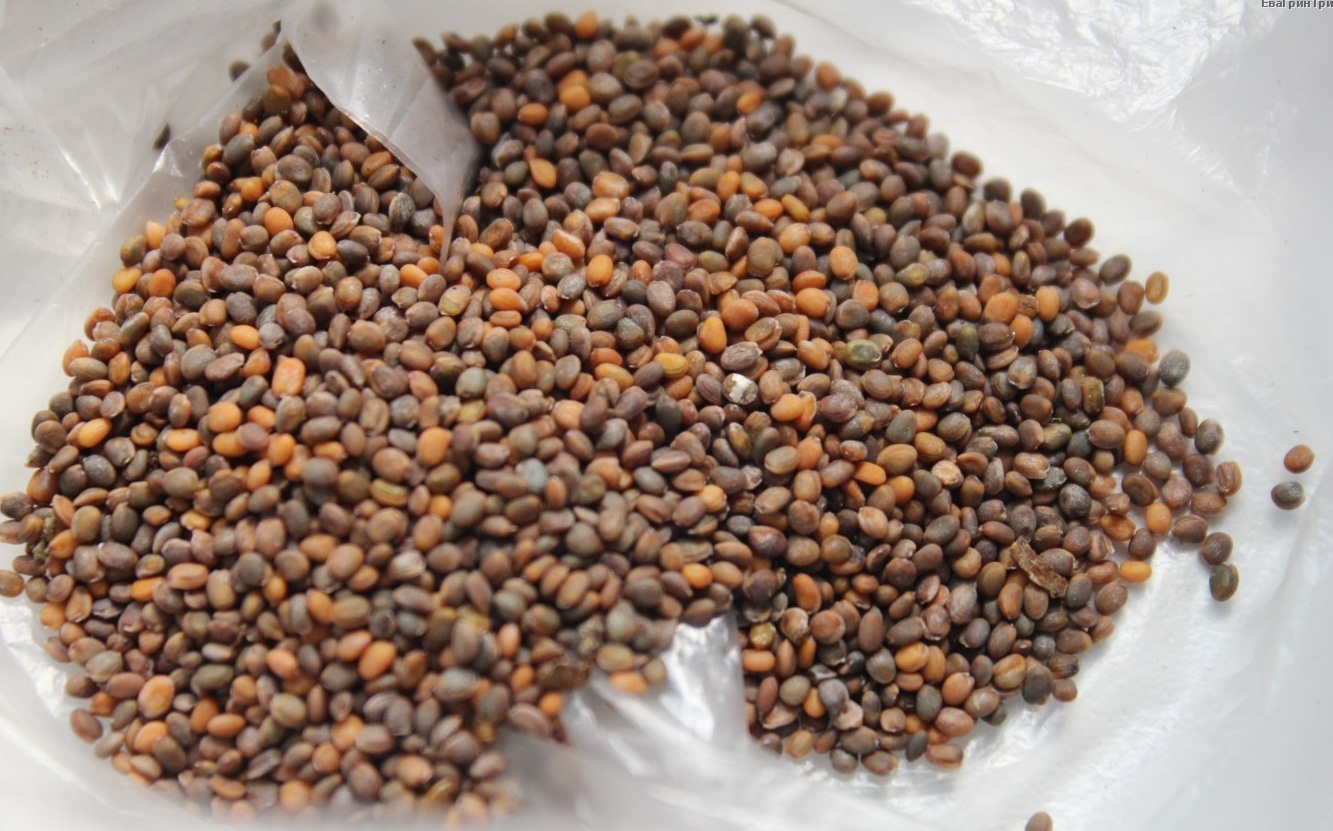
After sowing the seeds, it's recommended to cover the container with glass or plastic film. Then place the seedlings in a dark place. Under these conditions, the first shoots will appear in about 5-6 days. During this period, the film should be periodically peeled back to allow the soil to circulate. Once the seedlings have emerged, remove the film or glass from the container. The pot or box should then be placed in a well-lit area. This will be the permanent growing location. Therefore, it's important to choose it carefully, weighing all the pros and cons.
Watering
Arugula needs to be watered generously, but within reasonable limits. Therefore, it's recommended to water the plants daily using a spray bottle. In fact, virtually all subsequent care for the plant boils down to daily watering.
Care and feeding
When growing arugula indoors, be sure to keep the leaves from becoming leggy. Their color should always be vibrant. Any changes in color or leaf length indicate inadequate lighting. Installing supplemental lighting can help resolve any lighting issues. This is especially important for plants grown in winter. During this time, supplemental lighting should compensate for approximately four hours of additional natural light.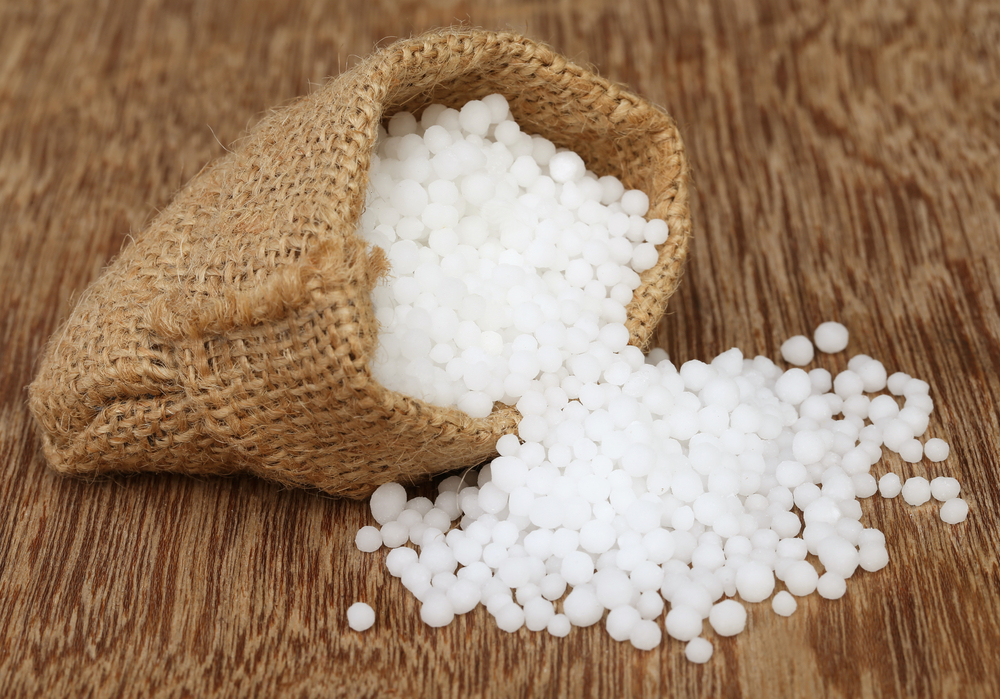
When caring for this plant, it's important to understand that it very quickly absorbs any substances that enter the soil with water. For this reason, experts advise against fertilizing arugula. Using chemical fertilizers will quickly accumulate toxic and poisonous substances (such as nitrates) in the greens. This will negate any beneficial properties. In this state, it will be unfit for human consumption, and all the efforts to grow it will be wasted. Therefore, adding mineral or organic fertilizers to the container where arugula is growing should be avoided under any circumstances.
Arugula is very easy to care for. Therefore, anyone with no experience in gardening but a love of tasty, healthy, and nutritious food can grow it without any problem.
Harvesting
If arugula seedlings have been cared for properly, you can harvest your first crop in just 8-10 days. The plant grows very quickly, and a week and a half is definitely enough time for young, vitamin-rich leaves to form. They make a wonderful addition to any salad.
The leaves can be actively picked once they reach a height of 10 centimeters. However, some sources suggest harvesting this crop a month after sowing the planting material.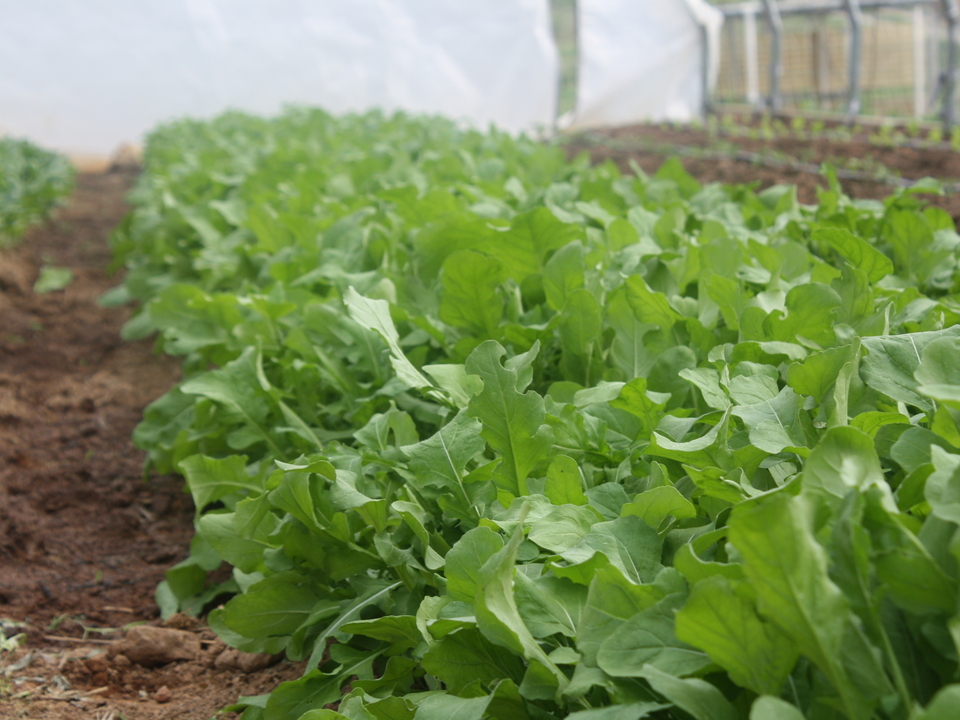
It's worth noting that when harvesting ripe greens, don't wait until the plant is flowering. Harvesting should be done as needed. If you don't over-harvest the greens, they can last for about 45 days.
After the arugula has finished blooming and most of the leaves have been picked, you can reseed the empty container. This way, you'll always have fresh, vitamin-rich greens on your table.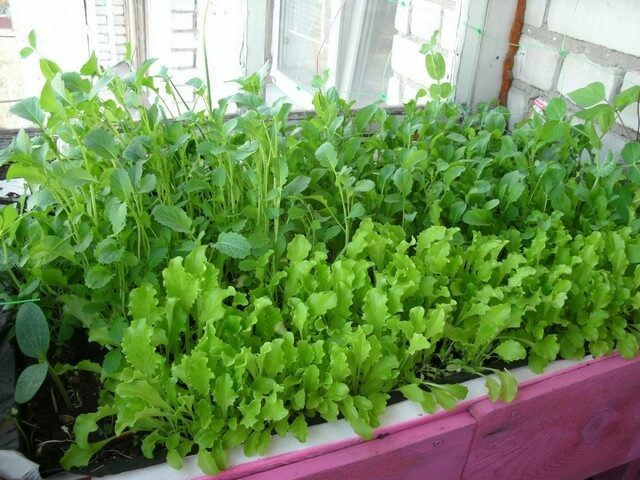
As you can see, growing arugula at home is a very simple process. It's even considered an ideal crop, perfect for growing on a windowsill. It requires minimal care, consisting only of properly adjusted lighting and daily watering. By planting this plant in a flowerpot, you'll always have a source of vitamins, as well as a delicious, fresh ingredient for culinary masterpieces.
Video "Growing"
This video will show you how to grow arugula at home.