
Planting and caring for sorrel: how to get a good harvest
Content
Soil preparation
To ensure your sorrel harvest meets your expectations, prepare the soil in the fall. Add 6 kg of compost per square meter of soil and 30 g each of superphosphate and potassium chloride to the selected bed.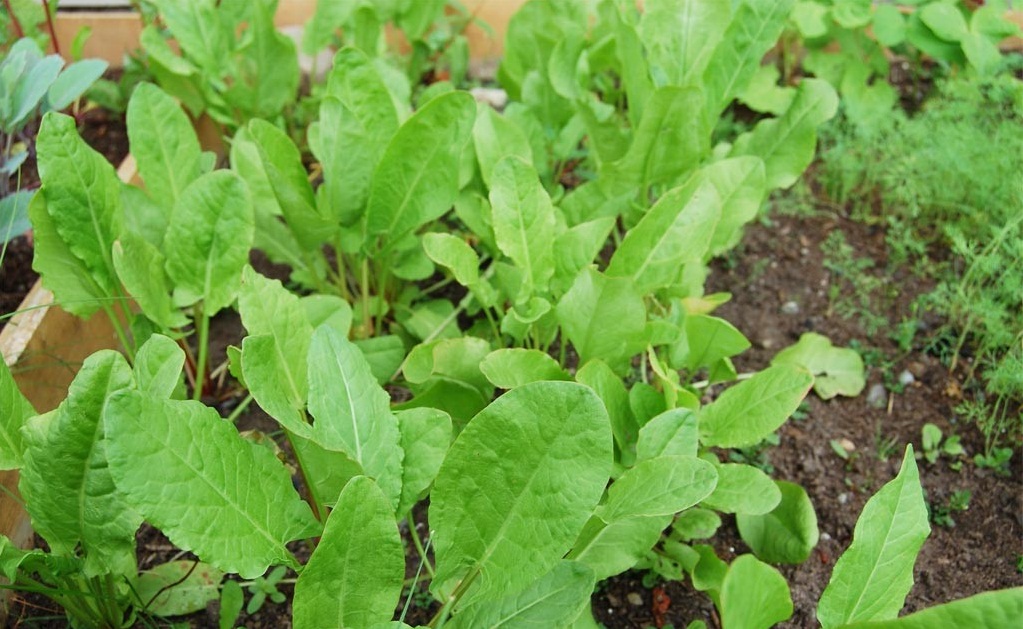
When spring arrives, just before planting the sorrel, apply another nutrient "cocktail" to the soil: 3 kg of compost, 40 g of urea, 4 g of any superphosphate, and 2 g each of potassium salt and ammonium nitrate. Mix all ingredients thoroughly and apply them to the soil in the bed where you plan to plant the sorrel seeds.
Video: Planting and Growing Sorrel
This video will show you how to properly plant and grow sorrel.
Landing
Every gardener decides for themselves when to plant sorrel. There are no strict planting dates. If you have the desire and opportunity, you can sow the crop in early spring. In southern regions, even sorrel planted in summer will have enough time to ripen. However, keep in mind that the plant needs time to grow and produce green foliage, which will take about six weeks. For example, sorrel bushes planted in mid-July will produce their first harvest as early as early September. However, if you plan to plant sorrel solely for your own use, it's best to do so in early spring. During the spring months, the soil retains more moisture, meaning you won't have to waste time and energy watering your sorrel beds.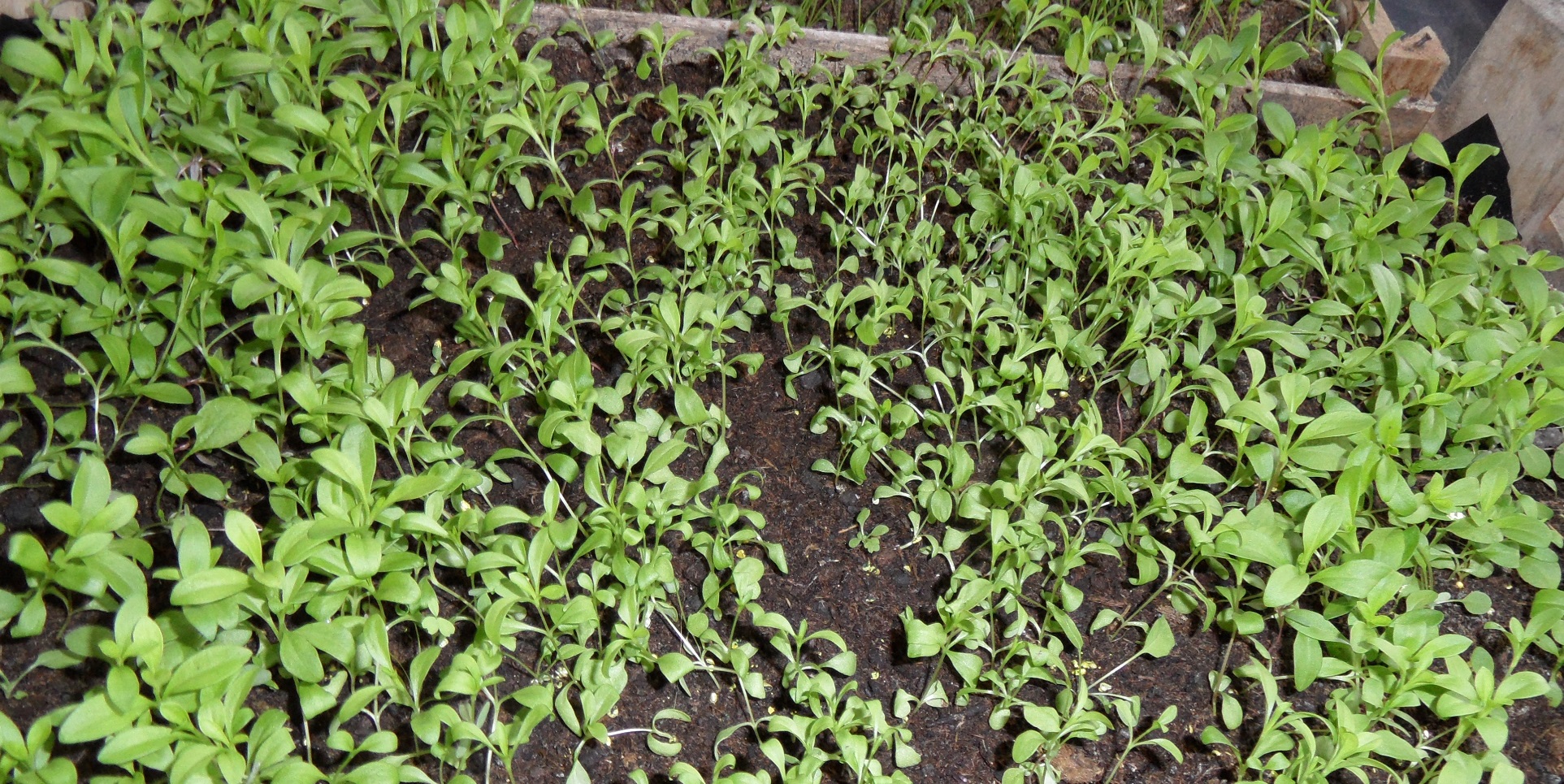
Another important point is the long germination period. Sorrel takes a long time to grow from seed. Germination takes a long time, especially if the soil is not moist enough. Sorrel should be sown according to the following scheme: the distance between plants within one row should be at least 5 cm, and between rows – about 20 cm.
Growing from seeds
As with any crop, pre-sowing seed preparation is essential for sorrel. Of course, if you don't have time, you'll have to sow directly from the package. But if you want to increase germination, try soaking the seeds in water, wrapping them in cheesecloth, and leaving them for two days. This will allow the seeds to absorb water and germinate faster. You can also add a small amount of fertilizer to the water, which will help the future sorrel plants grow stronger.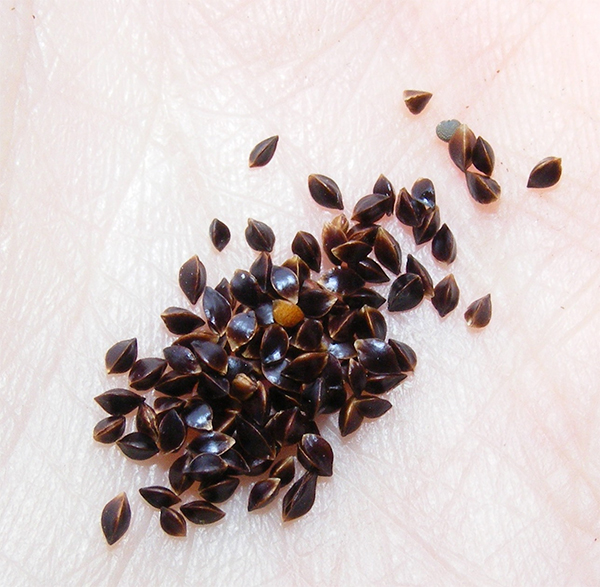
So, the soil is prepared, the seed material is processed, you can start sowing.
Form even planting rows, clearing the soil of weeds first. If the soil is clearly not moist, you can water the prepared rows generously. Place the sorrel seeds into the soil to a depth of about 1.5 cm.
Once the sowing process is complete, be sure to mulch the rows with a peat mixture or cover them with dry soil. Typically, the first shoots will appear in the bed no earlier than two weeks, but creating a small greenhouse over the seedlings can significantly speed up germination, with the first sprouts appearing as early as five or six days later. Once the seedlings have emerged, the sorrel needs thinning – leave only the strongest and most developed plants, leaving about 10 cm between them.
How to care
Sorrel is rightly considered an undemanding plant; the only thing it needs is adequate watering. If the air temperature exceeds 26 degrees Celsius and there's a clear lack of moisture, the leaf rosette will develop poorly or even stop altogether, and the sorrel plant itself will flower too quickly. This is known to negatively impact the taste of the greens and significantly shorten the harvest period. Therefore, be sure to water the plants regularly, and you can also remove the first flower stalks to extend the growing season.
As soon as the sorrel bushes begin to actively develop, it's time to loosen the soil, remove weeds, and mulch the beds. You can add a small amount of potassium or phosphorus fertilizer during watering. With the arrival of autumn, it's time to add organic matter: compost should be applied between the rows at a rate of 5 kg per square meter.
Harvesting Rules
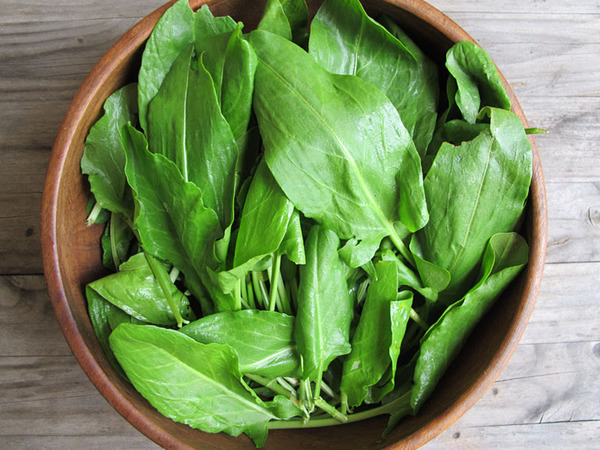
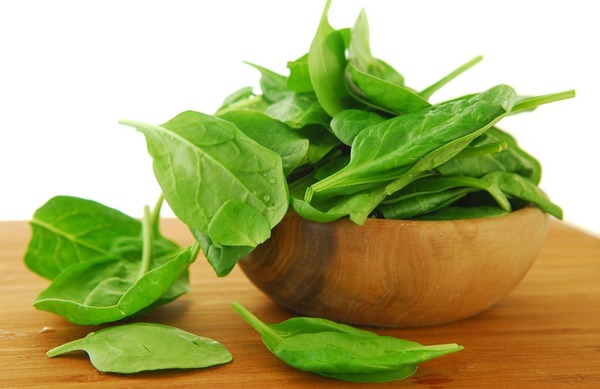
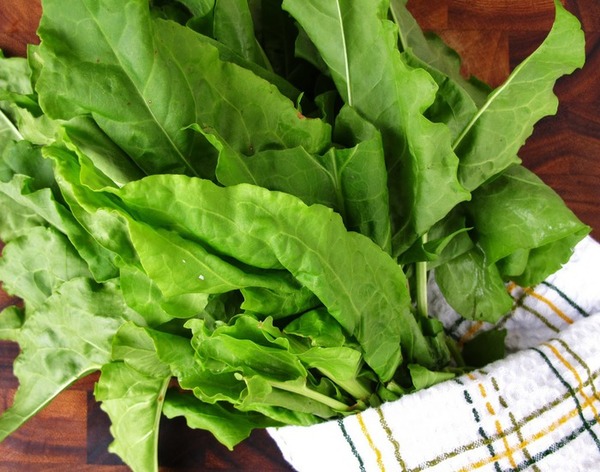
Sorrel is best harvested when the leaves are very young; their flavor is then beyond reproach. Once the plant has formed five leaves, you can begin pruning. Start about 5 cm from the soil surface and cut the leaf with a sharp knife, being careful not to damage the rosette. You can cut the leaves from each plant about five times.
The crop's lifespan is about four years; after this time, sorrel becomes unsuitable. The beds are then dug over, and the question arises as to what to plant after sorrel. Given that sorrel strongly acidifies the soil, radishes or horseradish will thrive after sorrel. Liming the soil will also be necessary to reduce its acidity.
How to fight pests
The main scourge of sorrel plantings is downy mildew. This disease can be prevented by heat-treating the seeds before sowing. Another frequent "guest" on greenery is garden aphids, which can be controlled by regularly spraying with tobacco infusion. Sometimes, treating the beds with wood ash may be necessary if sorrel leaf beetles appear (you'll know they're there if you see small holes in the leaves).
Video: Caring for Sorrel
This video will show you how to care for sorrel.