
Rules for planting and caring for dill in open ground
Content
Neighborhood with other cultures
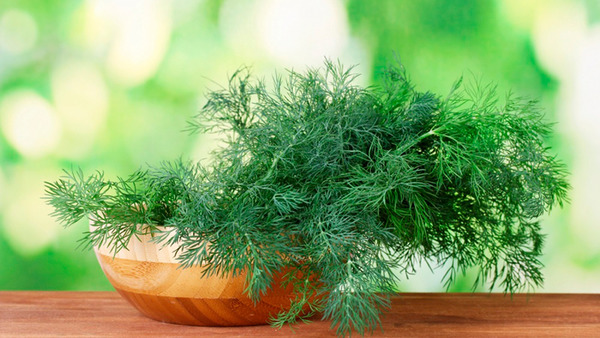
In general, dill doesn't conflict with other vegetables, herbs, or anything else that grows in almost everyone's garden. The main thing to remember is to avoid planting dill where there was a celery bed last year. Furthermore, planting dill outdoors should be planned so as not to cause damage. This means avoiding growing dill near the stems of other vegetables, otherwise it will rob the other plant of nutrients, sucking out all the juices through the base or roots.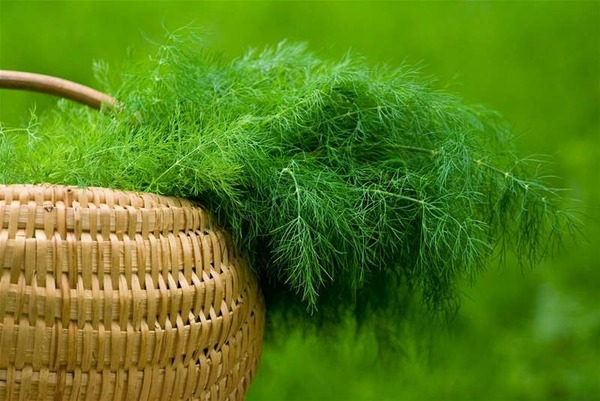
Video: Planting Dill in Winter
In this video, you'll learn about the results of planting dill in the fall. You'll see what it looks like, the challenges we encountered during its cultivation, what you need for this process, and more.
Optimal conditions
If you want to harvest dill as early as possible, you should sow the seeds before winter or in early spring. However, remember that planting dill after liming or adding dolomite flour is strictly prohibited! Also, avoid sprinkling the seedbed with ash when sowing. Also, remember that acidic, marshy soil is detrimental to dill; we strongly advise against planting it there.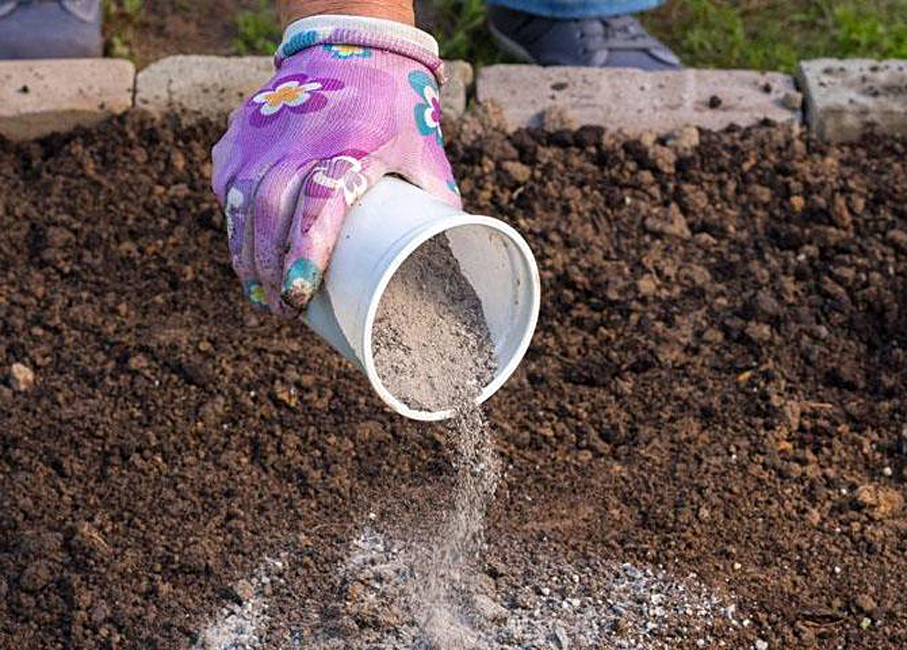
The soil is applied to a sunny part of the garden, and the soil is dug deeply. Fertilizer should be added to each bucket of soil. Ash should not be added under any circumstances!
Typically, seeds germinate at temperatures between 2 and 4 degrees Celsius. The optimal temperature is 16 degrees Celsius. The plant can grow in light shade, but it's best to plant it in sunny areas. Greenery forms when daylight lasts at least 9-11 hours, but for seed formation, 14-16 hours of daylight are needed.
Dill requires neutral soil, a sunny spot or very light shade, moderate watering (make sure the water doesn't stagnate), and balanced fertilizer. It will turn red in acidic soil and yellow in alkaline soil. For healthy dill growth, a humus-rich soil layer is essential. Fertilizing will help it produce plenty of greenery.
Delay autumn sowing to prevent the replacement seeds from sprouting too early. Prepare the first beds first. At the first frost, plant the seeds and cover them with frozen soil.
Soil for planting
Dill should be planted and cared for outdoors in humid weather; otherwise, the dill will wilt and its leaves will become tough. The soil should be at least 70% moist, and the air humidity should be above 60%.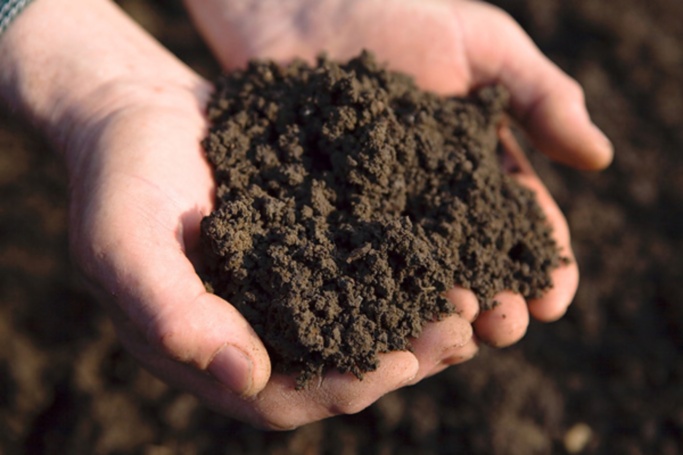
Before planting, be sure to fertilize the soil with organic fertilizer – 3-5 kilograms of manure or 6 kilograms of compost.
Mineral fertilizers 160 grams of potassium salt or 220 grams of superphosphate.
Landing
You can sow seeds from mid-spring to June. Before planting, you need to prepare the seeds, which means germinating them at home. Try soaking them in an ash solution for two days. Alternatively, place them in a cheesecloth bag filled with warm water for a few days. However, if you're planting before winter, you don't need to treat the seeds. Also, don't try to speed up germination if you're sowing early. If you're sowing at a time when frost is physically impossible, you can speed up germination by soaking the seeds in special stimulators for a few days.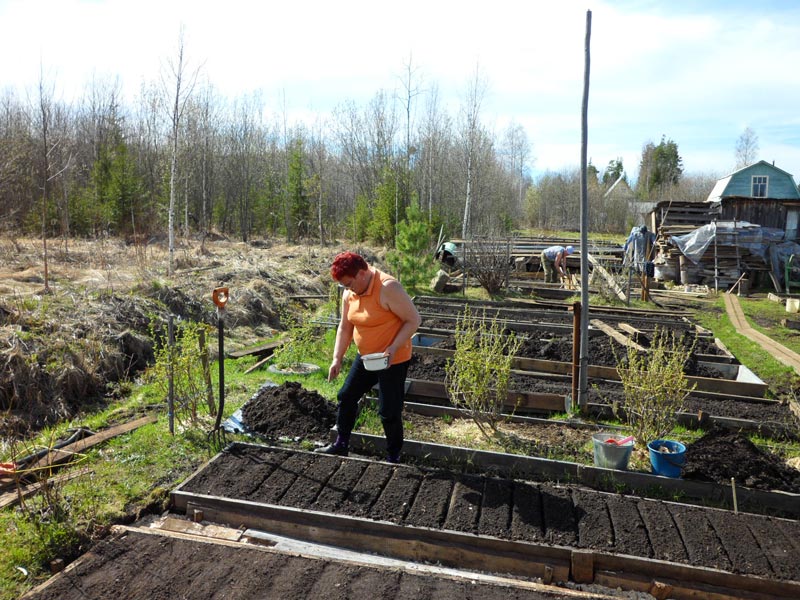
In order for dill to develop, it needs nitrogen fertilizers.
However, greens accumulate nitrates, which negate all their beneficial properties and can even be harmful. Therefore, it's best to feed dill with a fermented nettle infusion. It's especially important to note that aphids hate this infusion! So, you can apply both feeding and protection at the same time. Avoid using insecticides!
If you want to repel aphids, you can spray them with alcohol. Use 2 tablespoons of "Troy" per 10 liters of water and spray. Use only ethyl alcohol. When the aphids fall, simply cover them with soil.
It also hates the smell of thyme. It also dislikes organic fertilizers and saltpeter. However, it's important to remember that fungi thrive in soils rich in nitrogen. Therefore, it's important to maintain a balance: avoid overfeeding, avoid overwatering, and loosen the soil occasionally.
Citrus peels or onion peels are excellent pest repellents. Soak them in hot water for several days. If you see aphids, spray your dill with this solution.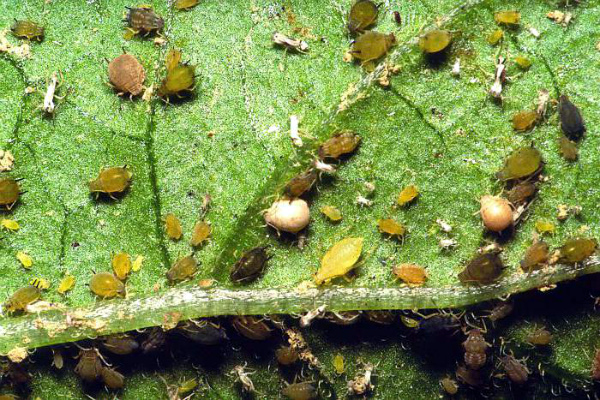
If you notice the branches turning yellow, try feeding the plant with saltpeter, watering it at the roots. If you see leaves with a red tint, add phosphorus. If the bush is wilting despite watering, there could be several reasons. The most common are root rot or improper care. Unfortunately, there's no way to save such a plant.
Plant the seeds a few centimeters deep. Remember that two grams of seeds are enough for one square meter. You can sow dill in rows, but thinning will be necessary.
Care
Dill is a very easy-to-grow plant. When caring for it, the main rules are:
- Water 1-2 times a week.
- Loosen the soil periodically.
- Remove weeds as they appear.
- Thin out overly dense plantings.
- Feed the plant with potassium fertilizers.
- Hilling up the greens and, of course, harvesting the crop when it ripens.
The greens can be eaten immediately, but if you want to store them, it's best to pick them when the flowers are forming. At this point, they'll be about 30 cm tall. Harvest the dill early in the morning; it may wilt slightly during the day.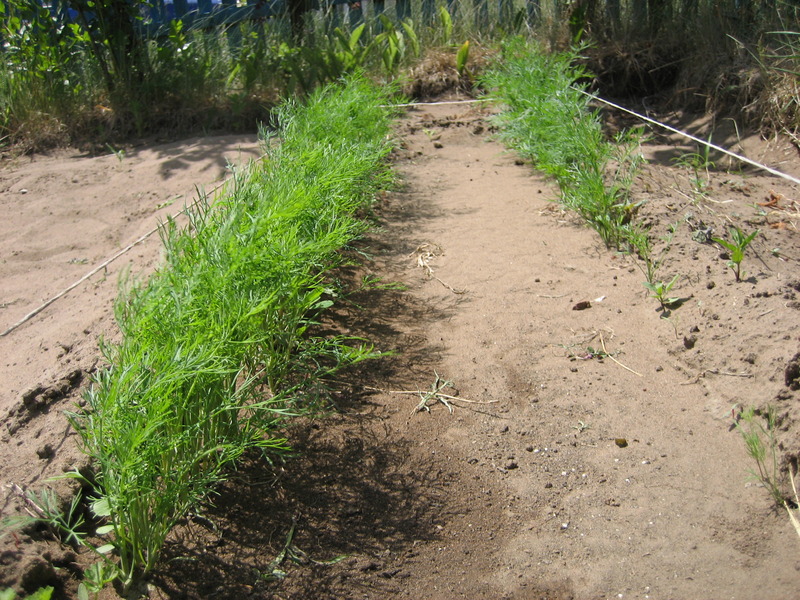
If you want to always have fresh greens in your garden, sow new seeds every few months.
The advantages of planting dill outdoors are its rich vitamin content and its ease of care and harvesting. Growing dill outdoors also requires minimal effort while producing the most vitamin-rich greens. This is because it thrives in long daylight hours and full sun, and tolerates cold and poor soil conditions.
The downsides include weather dependence and a short growing season. Also, the seeds take a long time to germinate due to their essential oil content. To reduce the time, simply soak the seeds in warm water for a couple of days—all the essential oils will be absorbed. Remember to change the water periodically.
Video: Growing the Best Varieties of Dill
This video will tell you which varieties of dill are considered the best and how to grow them.