
Arugula Salad: Features, Planting, and Care
Content
Peculiarities
Arugula is a herbaceous plant growing 40 to 60 cm tall with a branched stem and pinnately dissected leaves. Besides the aforementioned name, other names are also found in specialized literature: Arugula sativa, Arugula sativa, and Arugula sativa. This plant belongs to the cabbage family. The inflorescence, a sparse raceme, is similar in color to its close relatives—radishes, horseradish, and daikon.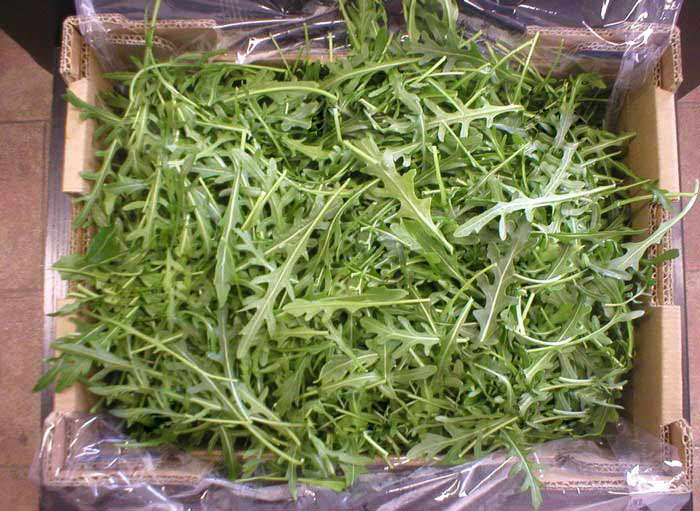
Flowering occurs in late May or early June and continues for a month. The seeds, ranging from 1 to 3 mm in size, form inside the pod, a characteristic fruit found throughout the family. A single pod can contain up to 30 light-brown seeds. The root structure is taproot.
There are a few varieties of arugula, which differ in ripening time.
Early maturing varieties: 'Rocket,' 'Olivetta,' 'Poker,' 'Spartak,' 'Victoria,' 'Taganskaya Semko.' Ripening period: 20-25 days. Yield: 1.3-1.5 kg/m².
Mid-season varieties include 'Sicily,' 'Dikovina,' 'Cupid's Arrows,' 'Solitaire,' 'Emerald,' 'Corsica,' and 'Grace.' Full maturation of the leaf rosettes occurs around day 35. Varieties in this group are distinguished by a richer flavor and a comparatively long shelf life. The average yield is higher than that of early-ripening varieties—2-2.5 kg/m².
The arugula variety "Solitaire" deserves special attention; it can be grown as a biennial crop. In the first year, the leaves reach full maturity in 35-40 days, and after wintering, they will begin to grow back with the onset of warm weather. Arugula leaves are most often used fresh, so it's important to remember that the younger they are, the more delicate and pleasant the flavor.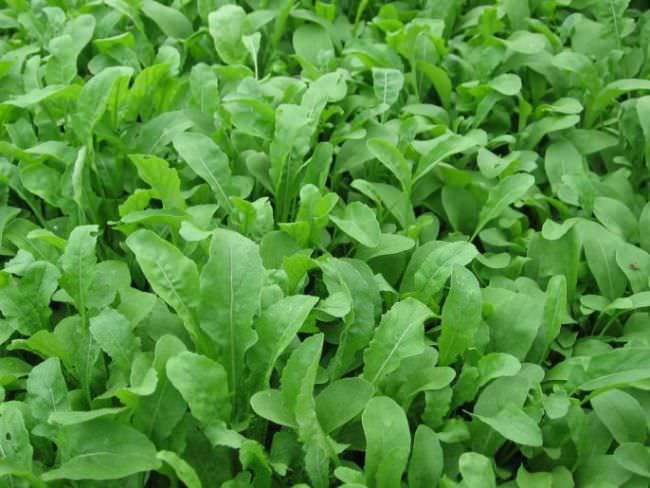
When preparing dishes, arugula is torn by hand; the leaves darken when touched by a knife. As the leaves age, they become coarse and acquire a pungent, bitter flavor. The seeds are also used as a seasoning for preserves. They can easily replace mustard seeds, as they contain a high amount of mustard oil.
Video "Beneficial Properties"
From the video you will learn about the beneficial properties of this herb.
Growing in open ground
Growing arugula is easy, given its low maintenance. One important consideration is choosing the right planting site. The soil should be neutral and slightly alkaline. Arugula won't grow in acidic soil. However, it will produce a good harvest in limed soil with a high calcium content.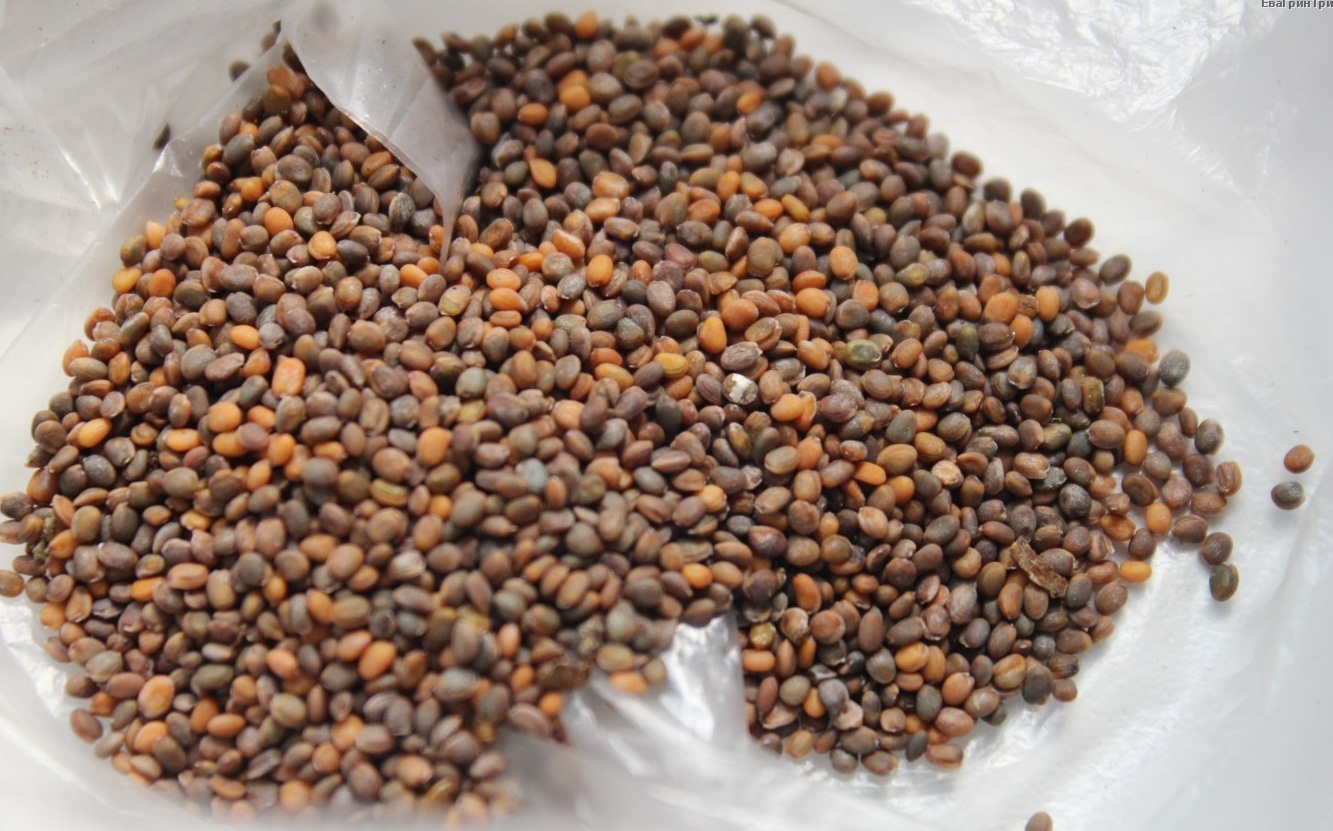
The plant is a sun-loving plant, but thrives in the dappled shade of tall plants or with partial protection from the hot midday sun. In dense shade, arugula will grow stunted, and the flavor will leave much to be desired.
For a good and healthy harvest, it's crucial to choose the right predecessors, as we grow many members of the cabbage family in our gardens, which also share common diseases and pests. Therefore, avoid planting arugula after cabbage, radishes, horseradish, daikon, or turnips. It's best to use beds previously planted with carrots, squash, potatoes, beans, and tomatoes.
Arugula is a frost-hardy crop and can withstand temperatures as low as -7°C (-7°F). However, if this period is prolonged, the plant becomes stunted and leaf growth stops. Sow seeds outdoors in late March or early April. Plant at a depth of 1.5 cm. Furrows are spaced every 40 cm. Space the seeds 15-20 cm apart. If frost is forecast and the seedlings are already greening, you can cover them overnight with caps made from cut-in-half plastic bottles. To obtain a profusion of greens, arugula can be planted throughout the summer; the last time, sow seeds outdoors is in early August.
To get early greens, you can plant arugula seedlings. In this case, sowing the seeds begins in early March. You will need a container at least 10 cm deep and soil. The soil can be taken from the garden bed where you plan to grow the arugula. The seeds, previously disinfected for two hours in a weak solution of potassium permanganate, are placed in a container filled with soil and covered with a layer of 1-1.5 cm.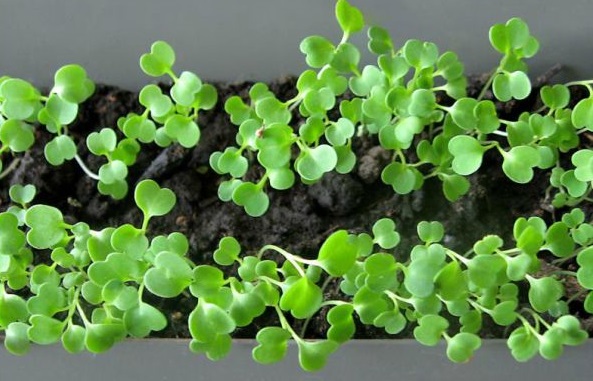
Pricking out seedlings is optional, so space the seeds 10 cm apart. Place the container in a warm, well-lit area. Seedlings should appear within 5 days. Care includes regular watering and loosening the soil.
Caring for plantings
Along with its high nutritional value, ease of maintenance is another valuable quality of this lettuce. Arugula is easy to plant and care for, which can be summed up in two words: watering and loosening the soil. Fertilizing this plant is strictly prohibited due to its tendency to accumulate nitrates.
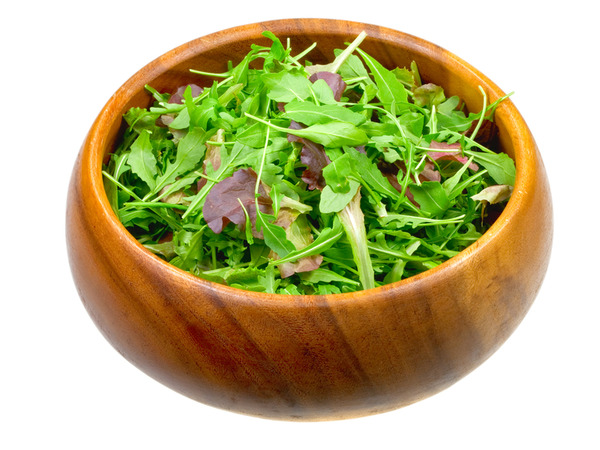
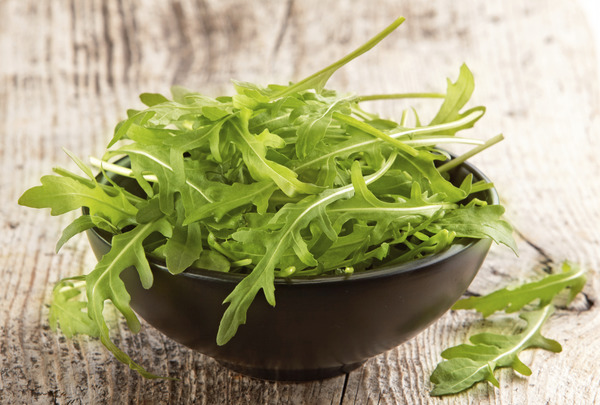
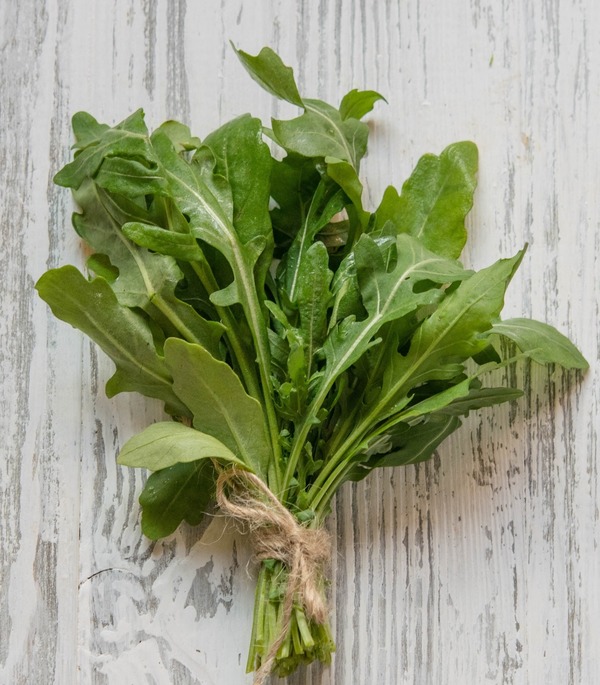
If plants are planted densely in a row, they should be thinned out, leaving 30 cm between neighbors. Seedlings should be planted at the same distance. Water frequently—once every two days. If the plants are not sufficiently moist, the leaves will become bitter. Harvesting can begin when the plants reach 10 cm.
Growing at home
In winter, it's easy to grow this herb even on a windowsill. It's best to use a deeper pot than for seedlings. Ten centimeters is the minimum required depth. The distance between seeds should also be increased to 15-20 cm. The rest of the process is the same as for growing seedlings. The acceptable temperature range is quite wide—from 10 to 25 degrees Celsius. Therefore, you can even place the plant on an insulated balcony. 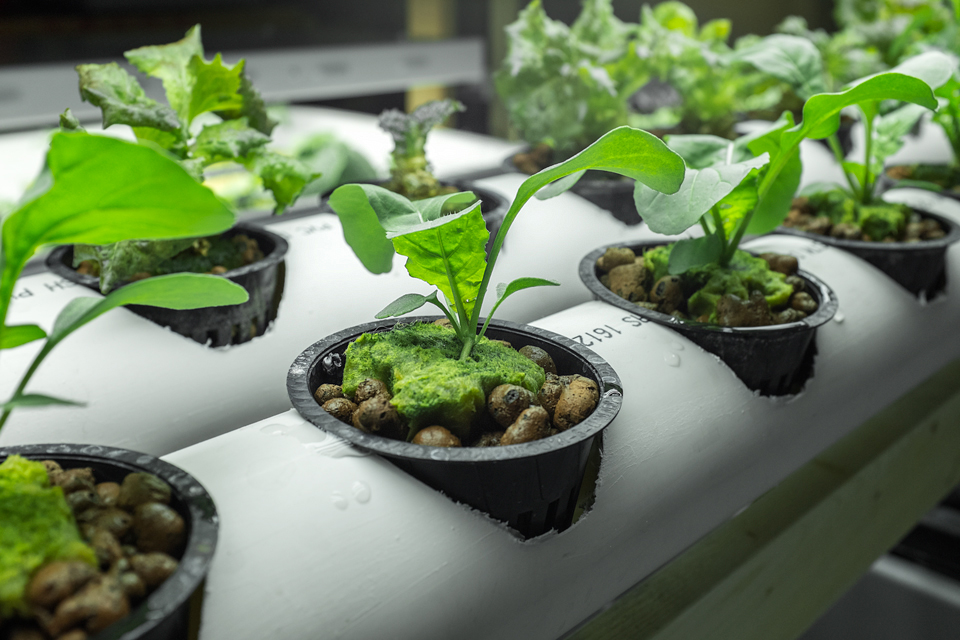 The most important thing is for the plant to receive maximum sunlight. Care is the same as for a garden bed: frequent, generous watering and loosening the soil. It's best to remove any flowers that form to prevent the leaves from aging. With proper care, the plant will delight you for six weeks.
Growing in a greenhouse
Arugula isn't a problem to grow in a greenhouse. Given its quick ripening period and relatively high price, this crop can bring in a good profit. Arugula is planted on the shady side of the greenhouse to prevent the delicate leaves from getting sunburned. Since every centimeter of space is precious in a greenhouse, it can be mixed with cucumbers, tomatoes, and peppers.
Pest control
Arugula has few pests, most of which are intolerant of the essential oils it's so rich in. There are a few main enemies: flea beetles and cabbage moths. The former can be controlled by dusting with red pepper, tobacco dust, or wood ash. Infusions of wormwood, potato, or tomato tops can help against cabbage moths.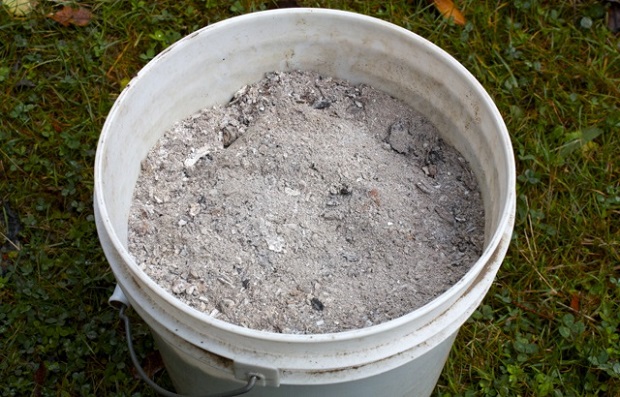
In hot, humid weather, crops can be susceptible to fungal diseases, such as downy mildew and fusarium. These appear as dark spots on leaves and stems. Treatment is futile, as fungicides cannot be used.
The plants need to be removed. Prevention involves proper crop rotation, timely thinning, and weed control.
Video "Growing"
This video will give you step-by-step instructions on how to grow arugula.