
Parsley root: growing and care
Content
Features of cultivation
Root parsley is very popular among nutritionists. It contains a large number of vitamins, microelements, and other nutrients. However, despite its benefits for humans, it is rarely grown. Leafy greens remain more popular today. This phenomenon is easily explained by gardeners' misconceptions about the specifics of caring for root greens. However, if you learn the specifics and cultivation techniques of this variety, growing it will not only be easier but also more enjoyable. It's worth noting that root celery is significantly more difficult to grow than similar parsley.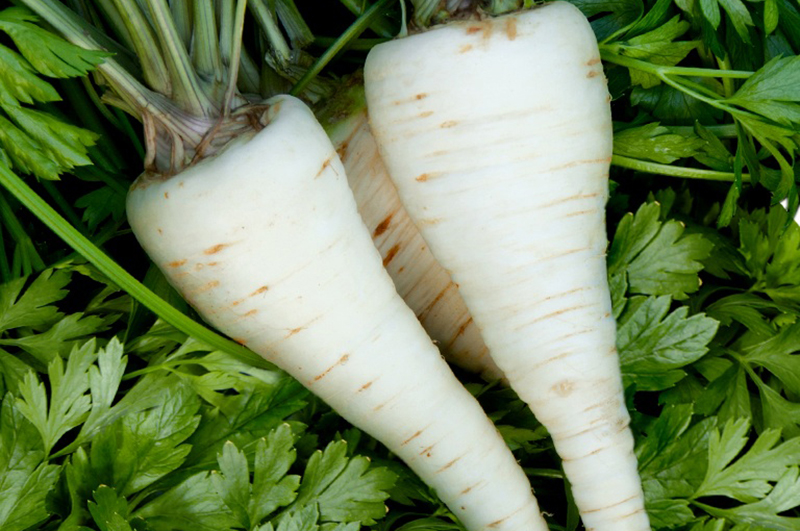
You can get a rich harvest of high-quality plant fruits by following these recommendations:
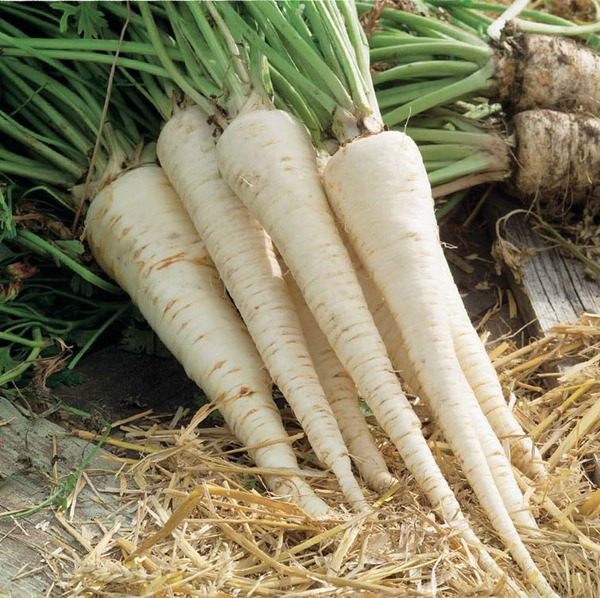
Since this variety has a taproot, it should be planted directly in its permanent location without subsequent transplanting. Avoid growing it in areas previously occupied by carrots. Conversely, areas previously occupied by cabbage, onions, tomatoes, cucumbers, or potatoes are ideal for growing parsley root. This will ensure juicy and plump fruits.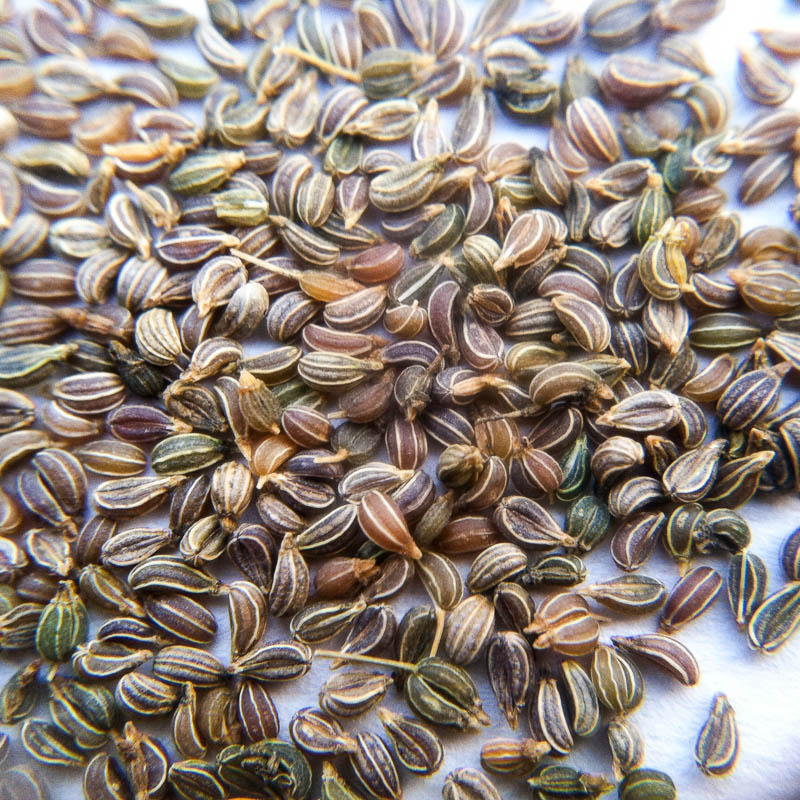
When growing parsley for greens, the seeds need to be prepared in advance. Simply soaking them for a few days is sufficient. However, if you plan to grow root parsley, there's no need to soak the seeds. Soaking and rinsing remove potassium from the seeds, weakening the plant.
Caring for this variety essentially involves watering, loosening the soil, and periodic weeding. To obtain the largest possible fruits, thinning the plantings at least twice is necessary. The first thinning is done with a distance of 2.5 centimeters between plants. After 10-14 days, the distance is maintained at 4-7 centimeters. This variety requires a high degree of watering, which is essential during root formation. Throughout the plant's development, the soil is constantly loosened, removing all weeds. Fertilizing is necessary 2-3 times during the growing season.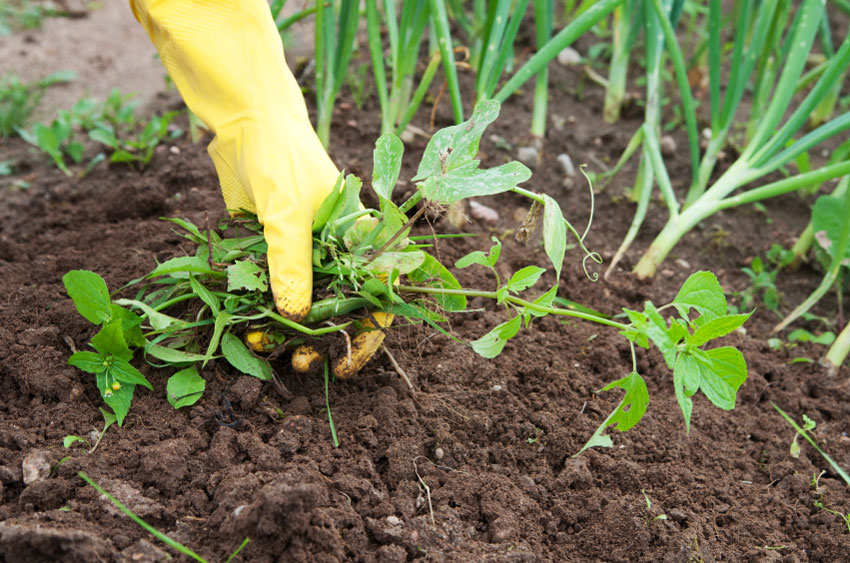
Some gardeners prefer to grow herbs for the winter indoors on a windowsill. Pots and boxes are ideal for this purpose. A small container easily accommodates two or three root vegetables. Plants should be spaced 3-4 centimeters apart in the box. Rows should be spaced 8-10 centimeters apart. Maintenance includes watering once a week.
Growing parsley in a greenhouse
This parsley variety is often grown in a greenhouse, especially since the process is quite simple. Another significant advantage of growing parsley in protected soil is the ability to plant the root crop for the winter.
Light loam and sod-podzolic soils are ideal for greenhouse cultivation. Seedlings should be provided with adequate lighting using fluorescent lamps. Greenhouse vegetable care also includes drip irrigation.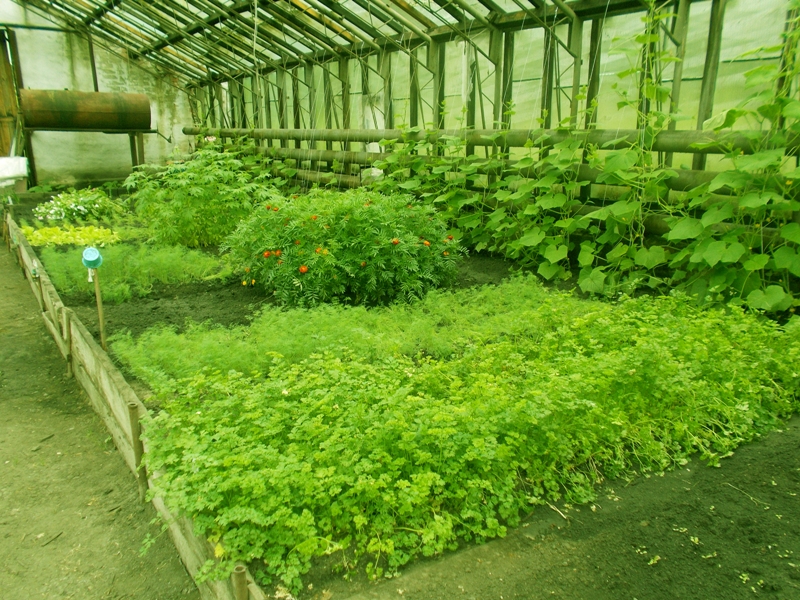
Growing root crops in heavy soils can cause them to become unsightly. A good option for growing root crops in protected soil is using movable film tunnels. Planting should begin in late January, or even later. The distance between seed holes should be at least 10-12 centimeters. As sprouts emerge, they should be thinned out. The distance between seedlings should be 2-4 centimeters.
After this, plant care will include weed control, maintaining appropriate temperature conditions, and periodically ventilating the room. Sudden temperature fluctuations should be avoided.
The use of biofuel in agricultural technology requires its thickness to be 10-12 centimeters.
Video: How to Get a Rich Parsley Harvest
The author of this video shares the secrets of growing parsley.
Care
Parsley is best grown in fertile, loose soil. Acidic or neutral soil conditions are acceptable. It thrives in both sun and shade. Soil preparation should begin in the fall. The soil is dug over, manure, superphosphate, and potassium salt are added, and the plant is left to grow over the winter. Fertilize again in the spring, using both potassium and phosphate fertilizers. Adding saltpeter or urea is also beneficial.
Seeds are sown in the second half of April. Soaking them in a damp cloth or gauze for 3-4 days will increase germination.
After the sprouts appear, the seeds are sown into the ground to a depth of 1.5 centimeters.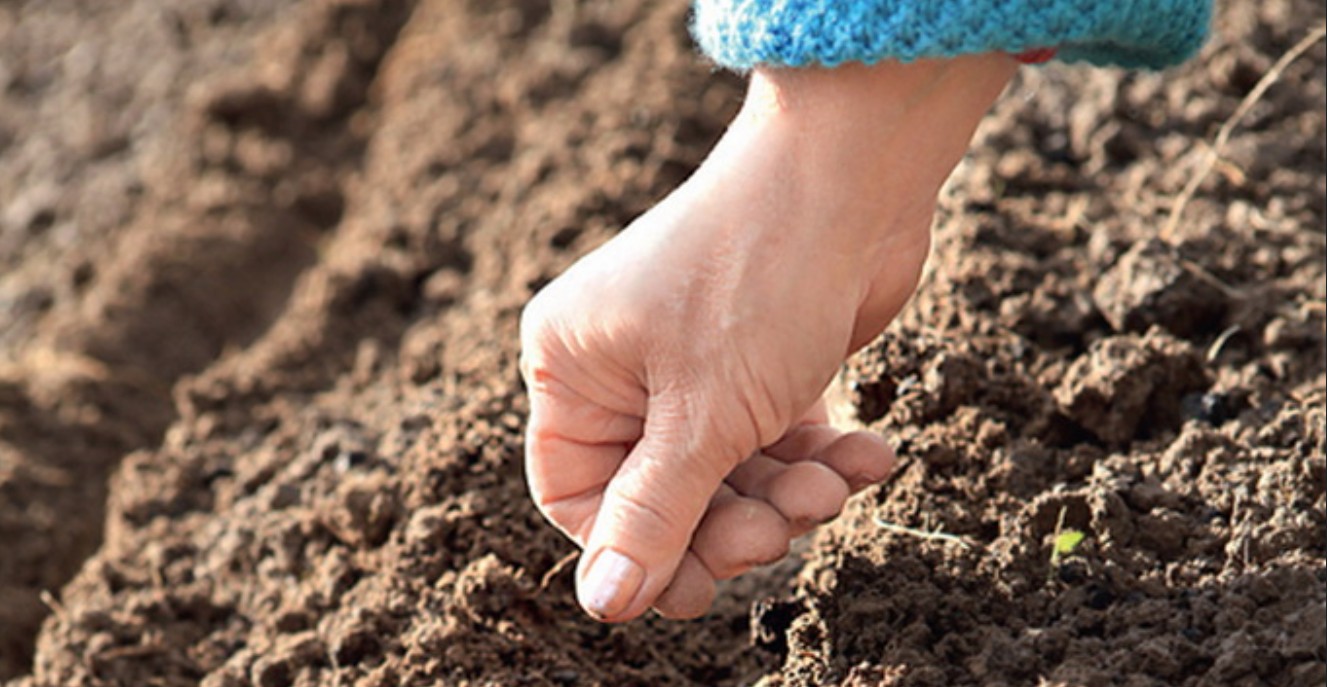
Using this planting method, the first sprouts appear within a couple of weeks. If you sow dry seeds, the seedlings will appear only after a month. To ensure a constant supply of greens, sow every couple of weeks.
The plant is cold-hardy. Therefore, it can be planted in winter, for example, in November. However, such late planting is only possible if the region doesn't experience winter thaws. Without snow, the seedlings are likely to perish.
Caring for the crop involves protecting it from pests and diseases. The most common pests are onion yellows, carrot bacterial rot, fall armyworm, celery mosaic, carrot fly, and slugs.
The seeds are placed in holes spaced 15 centimeters apart. The holes are filled with water before planting.
Proper care of the crop is impossible without fertilizing. The best fertilizer for vegetables is cow manure. Chicken or rabbit manure also enriches the soil. However, these organic substances should only be used after preparation.
Fill half a bucket of manure with water and mix thoroughly. Leave the resulting "solution" in the sun for 3-4 days to ferment. Fertilize with 10 liters of water and a liter of the prepared mixture. Mix the solution thoroughly and then apply it to the root vegetables. This procedure should be repeated twice per season.
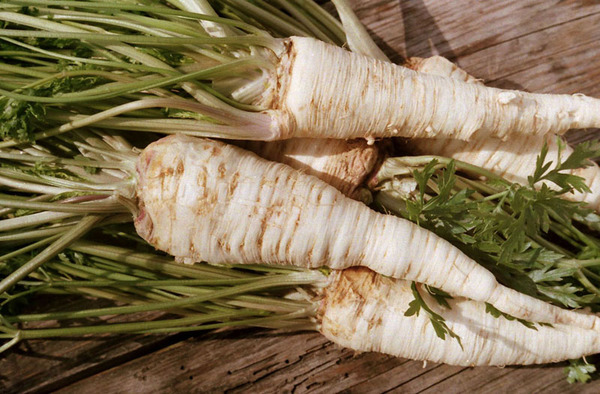
Watering and weeding are essential procedures for caring for this crop. Harvesting takes place in mid-September on dry, sunny days when the probability of precipitation is close to zero.
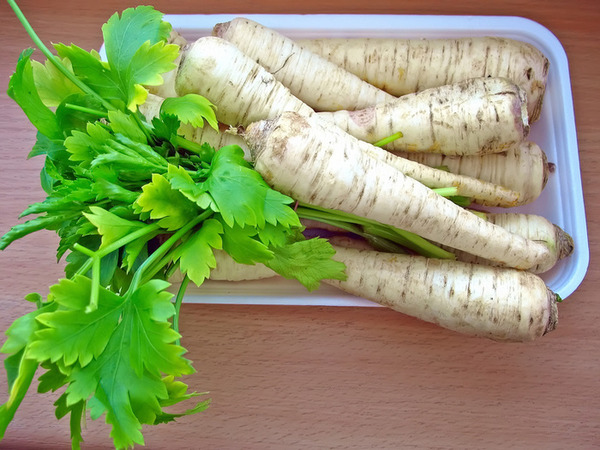
Root parsley is a unique root vegetable. It contains several times more vitamin C than lemon. Its easy care, and the ability to be planted in the winter, make it increasingly popular. And while the green variety is more commonly used, this root vegetable is also worthy of your attention.
Video: How to Grow Parsley
The video reveals the peculiarities of caring for parsley.