
How to Store Leaf Celery in Winter
Content
Storage methods
If you search hard enough, you can find fresh leaves for sale even in winter. But you'll have to shell out a pretty penny for them, and when you get home and try the greens, you'll likely be disappointed by their bland flavor, lack of aroma, or even their complete lack of resemblance to regular celery. 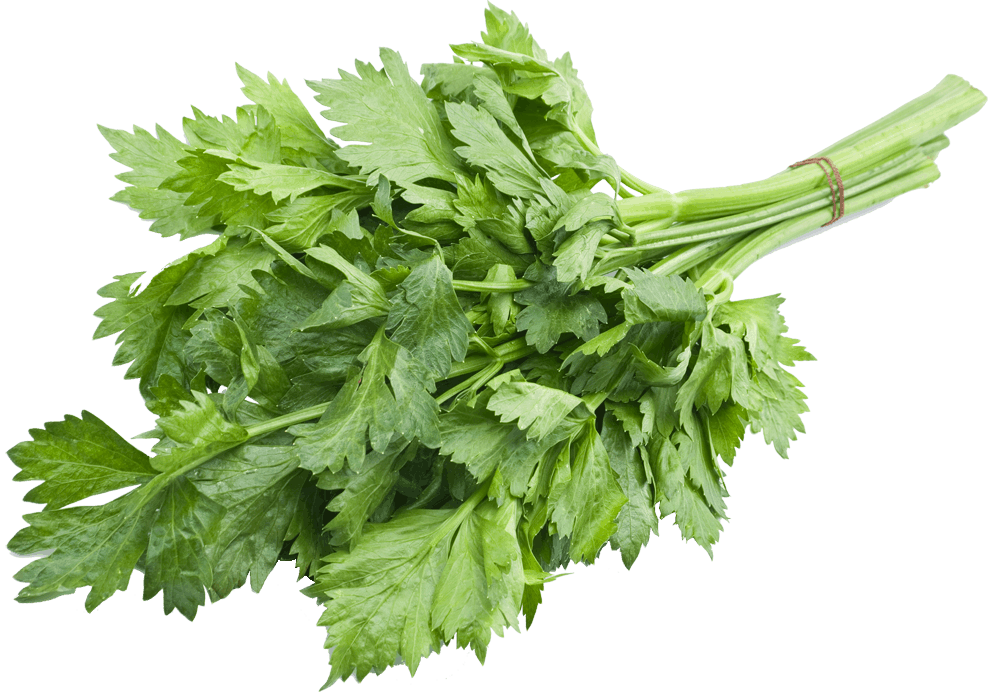
As a result, you're guaranteed to be disappointed: firstly, because of the poor quality of the product, and secondly, because of wasted money. Therefore, we suggest you learn how to preserve your own celery all winter long, without losing its nutritional value and with minimal loss of flavor.
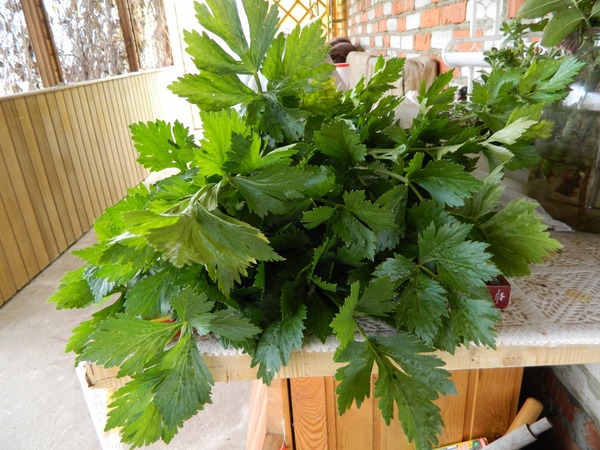
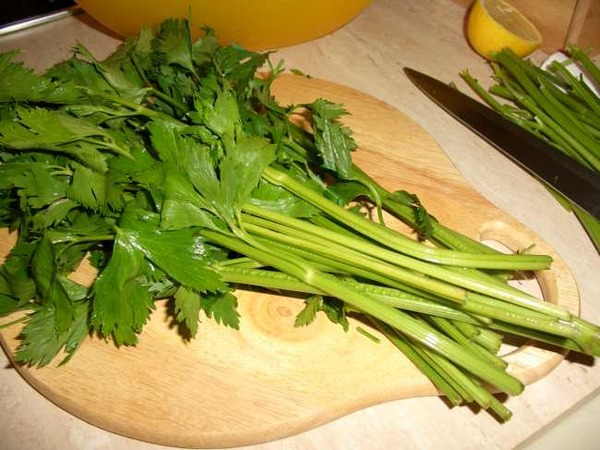
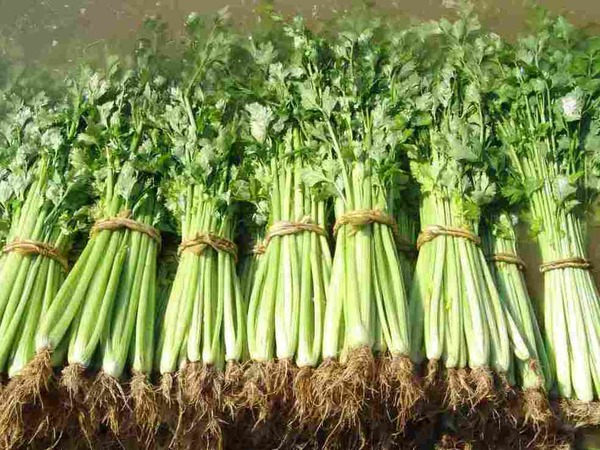
The first thing that comes to mind when wanting to preserve greens is simply drying or freezing them. While both options are often used and have every right to exist, there are also many other ways to provide your family with beneficial micronutrients throughout the winter.
Video: "Ways to Store Celery"
From the video you will learn about the most common storage methods.
Drying
One of the simplest, most accessible, and most effective ways to preserve herbs is to simply dry them. This method of storage preserves the leaves, preserving most of their micronutrients and essential oils.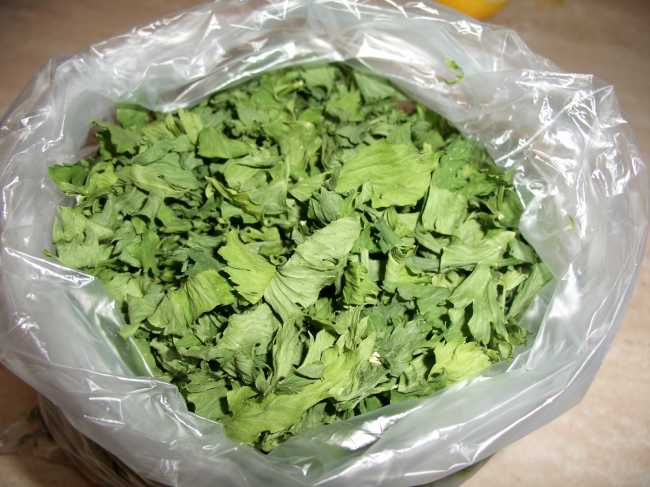
Dried celery is prepared as follows: the leaves are plucked from the stems, tied into small bunches and hung in a well-ventilated area, protected from direct sunlight. Another drying option is to spread the leaves on a dry, clean surface, covering them with a sheet of paper. The celery will dry completely in about 30 days. Once this happens, grind the leaves into a powder and place them in an airtight glass container or cloth bag for storage.
Keeping fresh
If you want to treat yourself to fresh celery in the middle of winter, here's how to do it. Dig up the celery plant in the fall, keeping the root ball around it, and bury it in a basement. If this method isn't suitable, you can try another approach: remove all the greens from the stalks, dry the stalks slightly, wrap them in plastic, and refrigerate. As long as the temperature doesn't rise above 1°C (33°F), the celery stalks will keep until spring without any loss.
Freezing
One of the most common methods for preserving greens. Unfortunately, this method deprives celery of most of its beneficial properties, but even those that remain are considered quite sufficient for winter. To freeze, celery leaves are chopped, placed in ice cube trays, covered with water, and frozen. If you want to freeze whole stalks, place them in a special plastic container and place them in the freezer.
Dry salting
Celery greens prepared this way can be used in absolutely any dish, but it's important to remember that this spice contains a large amount of salt. The pickling method is simple: for every kilogram of washed, dried, and chopped greens, add about 250 grams of salt, mix thoroughly, and pack tightly into prepared jars. As soon as juice begins to appear on the surface, the jars are sealed and stored in a cool, dark place.
Pickling
Of course, this method of preserving for future use is more often used for roots - pickled celery root is an excellent savory snack.
You can also use the marinade for the leaves: they also make a delicious appetizer for meat, potato, and fish dishes. To do this, place a few cloves of garlic and 2-3 bay leaves in the bottom of prepared 1-liter jars, then pack the herbs tightly, pressing them down lightly.
The prepared jars are filled with the marinade. Prepare the following: 1 cup vinegar, 100 g granulated sugar, and 80 g salt per 4 cups water. Bring everything to a boil and pour the marinade over the celery. The preparation requires sterilization: sterilize each liter jar for 20 minutes, then seal.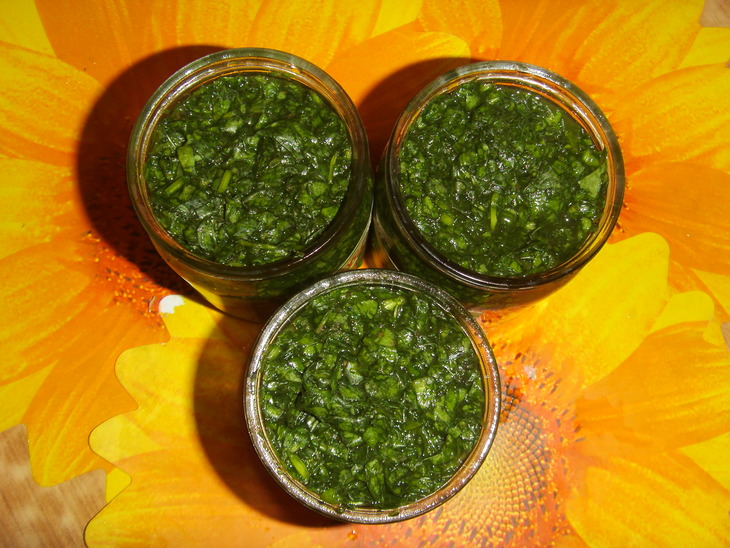
As you can see, there are many options for storing this tasty and healthy herb, and every home cook can easily find the one they like best. You can also try preparing celery in several different ways, so next year you'll know for sure which one is the tastiest and healthiest.
Video: "The Health Benefits of Celery"
From the video you will learn about the beneficial properties of celery root.