
Secrets to Growing Leaf Celery
Content
Botanical description
Today, celery is grown in virtually every part of Russia and in the central Russian region. Even a novice can reap a harvest, as leaf celery is relatively easy to grow, provided it receives minimal growing conditions. Cultivating this leafy vegetable is quite simple in any garden plot.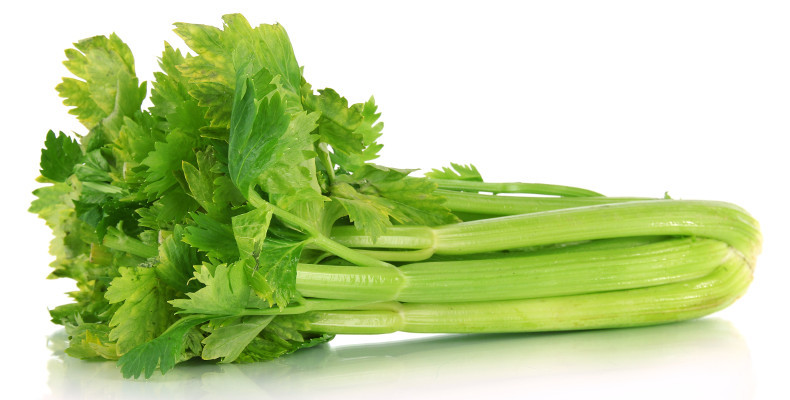
Please note that even a basic understanding of various vegetable crops will enable you to understand how to grow them properly and which cultivation techniques will be most optimal and effective. As a result, you will be able to adjust the growing process of any crop, taking into account the climatic characteristics of your region.
Celery belongs to the Apiaceae (also known as Zonicae) family. Currently, there are over 20 species of this plant. One of the most common is the celery, which is considered a vegetable crop.
Depending on the variety, celery is typically grown for its aromatic greens or roots. The harvest can be collected in the first year after planting, even though the plant itself is a biennial. It flowers and produces seeds only in the second year.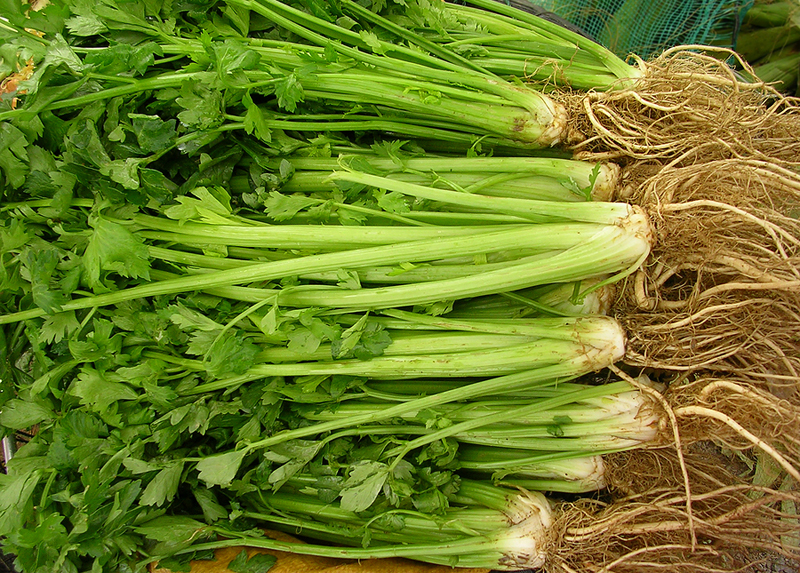
The leaves of this vegetable are dissected along the edges, the inflorescences look like small umbrellas, and within them you can see several small flowers.
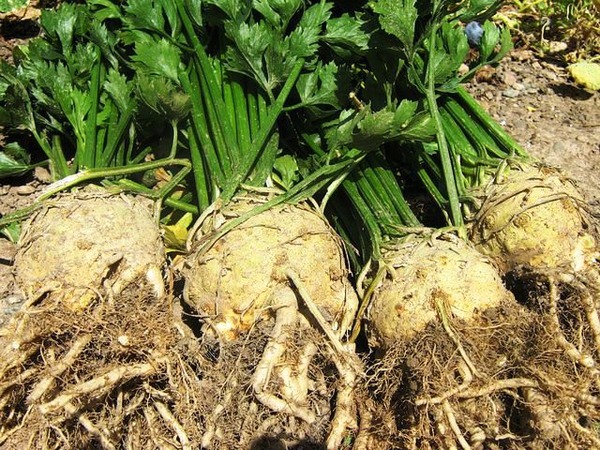
Celery, regardless of plant species, has a taproot. It is round in shape.
The plant propagates through seeds, which form in the second year after planting. They germinate very slowly. Therefore, gardeners try to grow this vegetable crop from seedlings to ensure uniform germination. This is convenient for the overall harvest, but does not significantly affect the results.
There are three types of celery: leaf, root, and petiole. Each of these plant types has its own unique characteristics.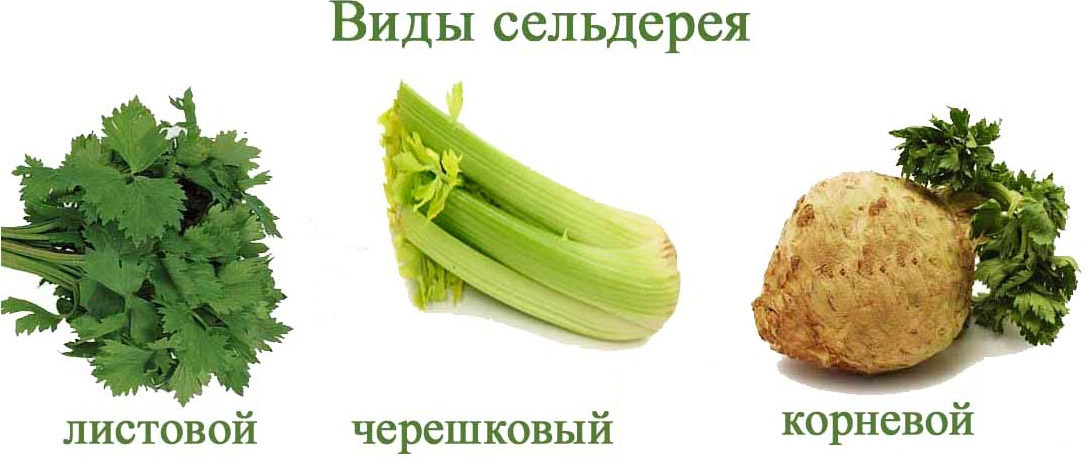
Beneficial properties
I often use celery in various dishes. It enhances the flavor, but it doesn't pair well with all foods. This green is very beneficial for the body, rich in vitamins and other nutrients. It improves the immune system and digestion, and also helps strengthen blood vessels.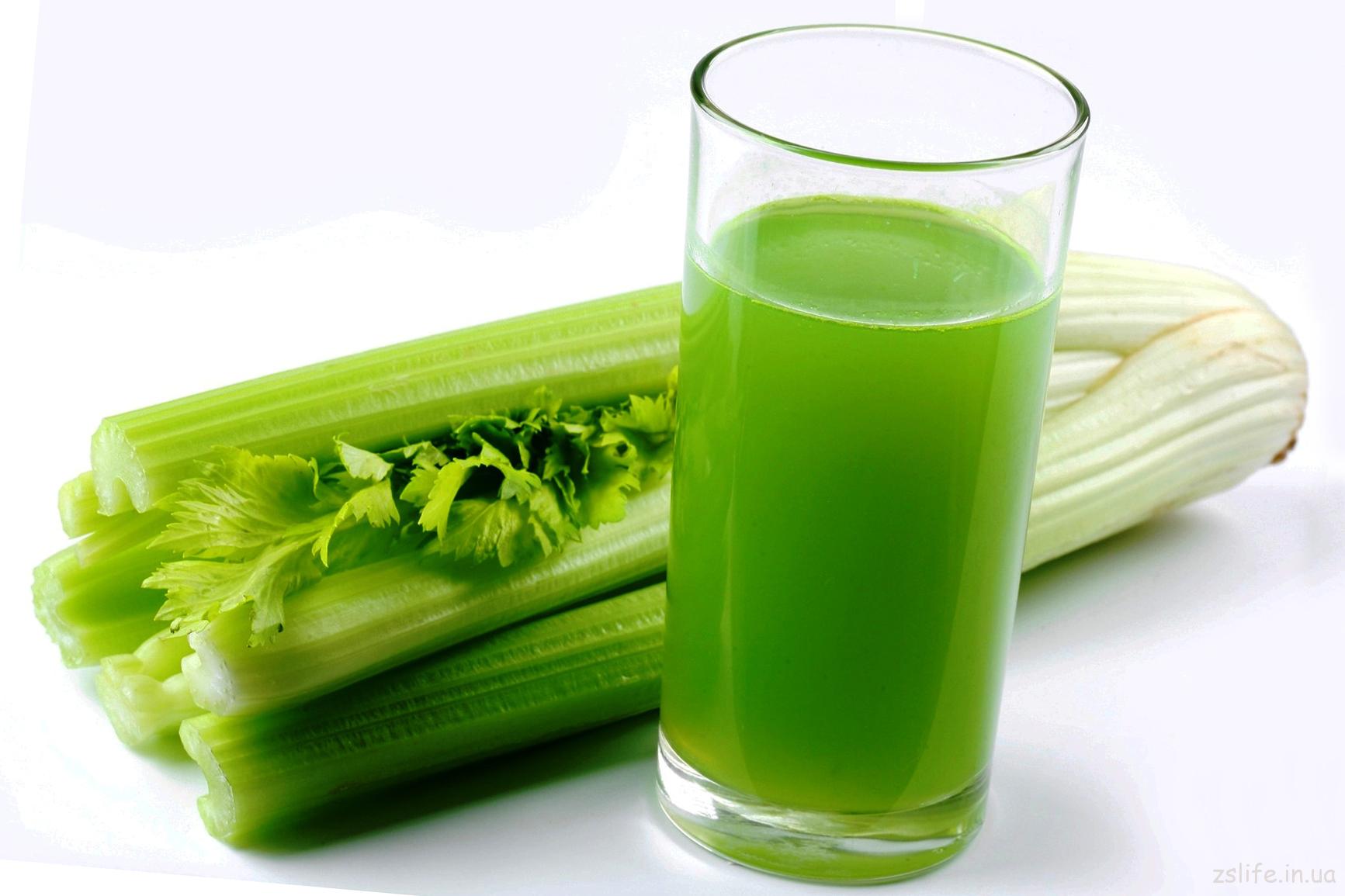
Celery is often included in diets for gastritis, stomach ulcers, and other gastrointestinal conditions. It is also beneficial for genitourinary disorders. This vegetable prevents kidney stones and has anti-inflammatory, antiseptic, and diuretic properties. It relieves constipation and is used for obesity.
Regularly eating celery can not only normalize cardiovascular function but also help alleviate insomnia. It restores the body's water-salt balance, improves overall energy, stimulates brain function, and enhances physical performance.
Thanks to the wide range of positive qualities that celery has on the human body, many farmers and gardeners have begun to grow it.
Video "Celery Root"
Watch the video to learn about planting and growing celery root.
Planting and care
Leaf celery can be grown from seeds. Planting is almost always done in open ground. Once the soil warms to 10 degrees Celsius, you can begin planting.
Warming times vary by region. Accordingly, in some places, planting vegetables outdoors may begin in April, while in others, it may not begin until late May.
Since growing leaf celery from seed is very slow, uniform germination is impossible. Therefore, ready-made seedlings can be used. These are usually purchased at markets, as they allow you to choose the best plants and their size. When growing leafy vegetables, seedlings are also preferable because they can increase the yield of greens. This method allows you to extend the growing season, which is when the plants begin to produce their harvest.
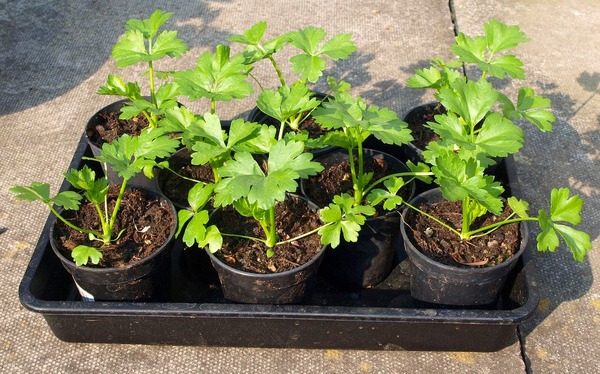
It's best to sow seeds outdoors in late March or early April. Preferably, the seeds should be placed in a light potting mix. You can prepare your own or purchase one from a specialty store.
To create the soil, use mulch, humus, and well-rotted compost. Mixing everything in equal proportions will create a good base. Peat moss and a little sand can also be used.
To speed up seedling growth, it's advisable to treat the seeds with special growth stimulants before planting them outdoors. After treatment, you can soak the seeds in water to soften and gradually activate them.
Small, portable containers can also be used for planting. Seeds are sown in boxes, covered with peat moss to avoid the need for transplanting. This type of care is suitable for leaf celery, as the goal is to eventually produce dense foliage. Periodic thinning of the emerging seedlings will suffice, allowing each seedling more space for adequate nutrition.
Before the first shoots appear after sowing the seeds, it's a good idea to cover the soil with plastic film to warm it up better and prevent excess moisture. If you care for the seeds properly and follow the preparation recommendations, the shoots should appear within a week and a half. After this, remove the plastic film and place the boxes in the brightest, warmest location.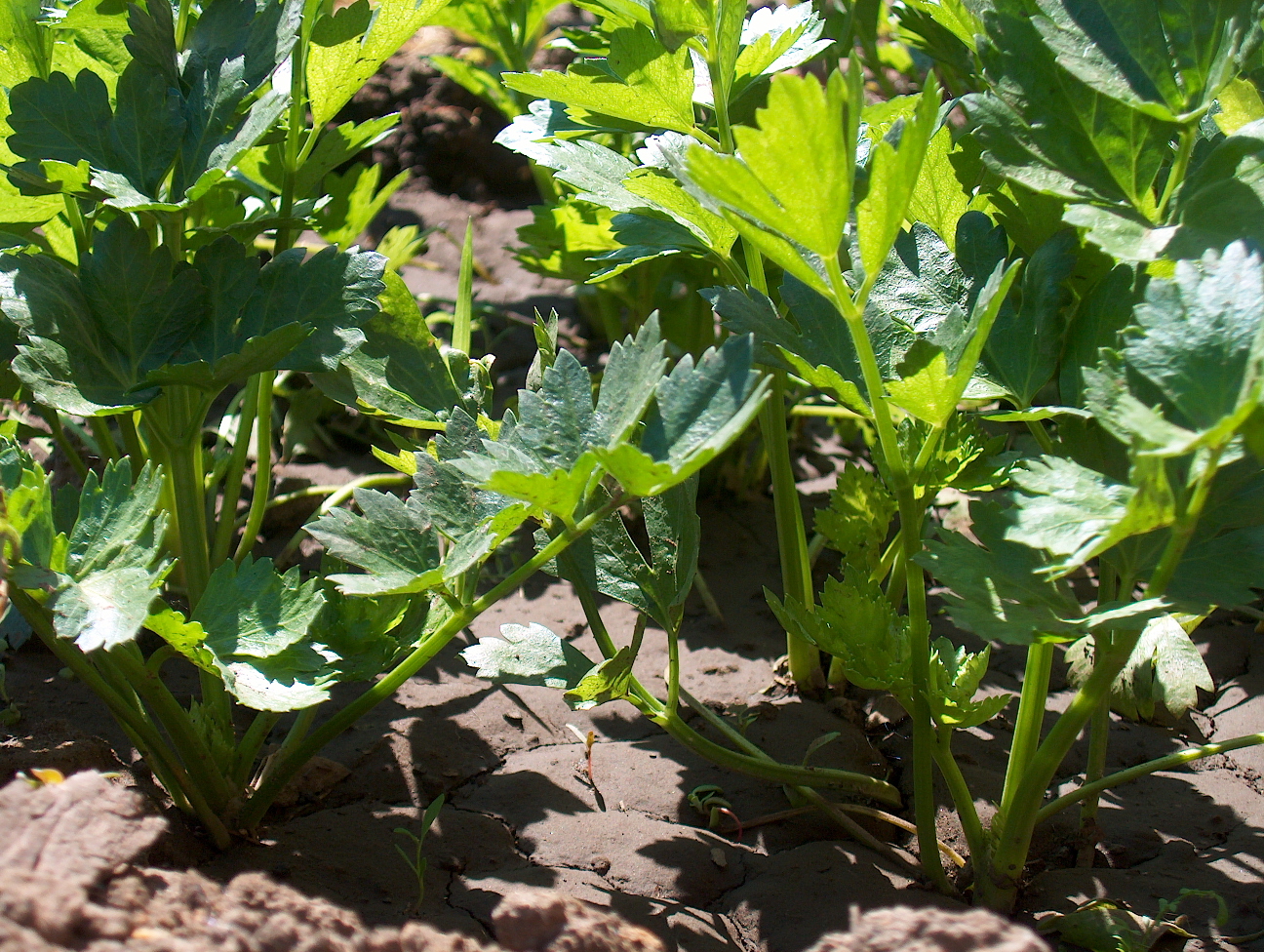
The optimal temperature is 14-16 degrees Celsius. This care will strengthen the root system, which is crucial for young seedlings, and will prevent them from becoming stretched.
The key to successfully growing leaf celery seedlings is regular watering and good lighting, as the plant thrives in sunlight. Periodic soil loosening will also be necessary to ensure better water and air penetration to the root system. Once the seedlings develop a few leaves, they can be thinned out.
Then, after the weather warms up, in mid-spring, you can begin transplanting the seedlings. It's best to keep a distance of about 25 centimeters between rows and 20 centimeters between plants. After a month, the greens will become stronger and bushier, and will begin to crowd each other. Since celery is highly cold-resistant, frost is not a problem for them.
For proper care, it's best to ensure regular watering. It's a good idea to lightly loosen the soil after each watering, as it often gets compacted. It's also a good idea to water the seedlings thoroughly after each pruning. This type of care will help them recover better and regrow.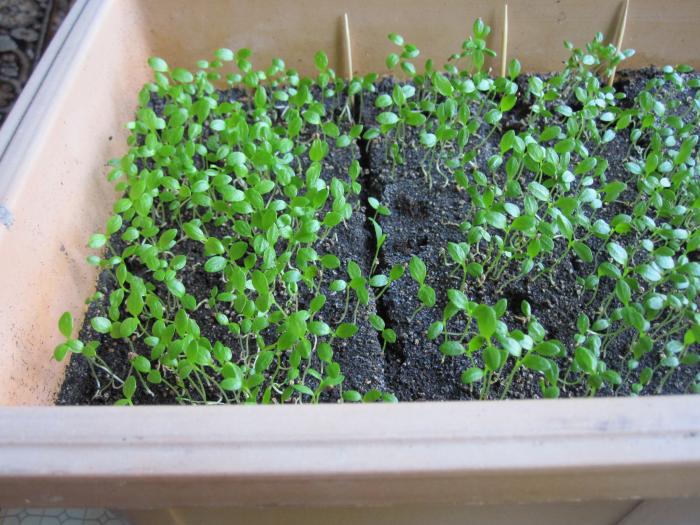
To ensure proper care, the plant needs to be grown in a sunny location. Sunlight accelerates growth and also affects the vegetable's juiciness and flavor.
Fertilizers can also be used for care. Two applications per season will be required. The first should be three weeks after the first shoots emerge. For proper care, organic fertilizers are used—bird droppings, a diluted mullein solution, wood ash, and rotted leaves. The second application is applied to the soil three weeks later. In addition to organic fertilizers, complex mineral fertilizers can be used, which facilitate and speed up the process of growing leaf celery.
Growing leafy greens allows you to harvest the greens as early as six weeks after the first shoots emerge. With proper care, leaf celery can be harvested 3-4 times per season. If you started growing from seedlings, you can make 4 cuts.
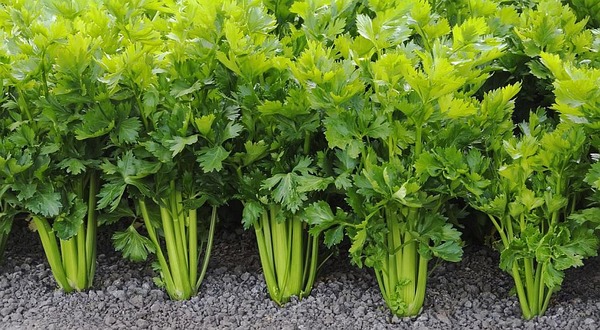
Celery that reaches 25-30 cm in length has thick green stalks with a distinctive, slightly bitter taste. When the stalks are exposed to limited light, they lose excess essential oils, and the vegetable acquires a more delicate, pleasant flavor and turns white.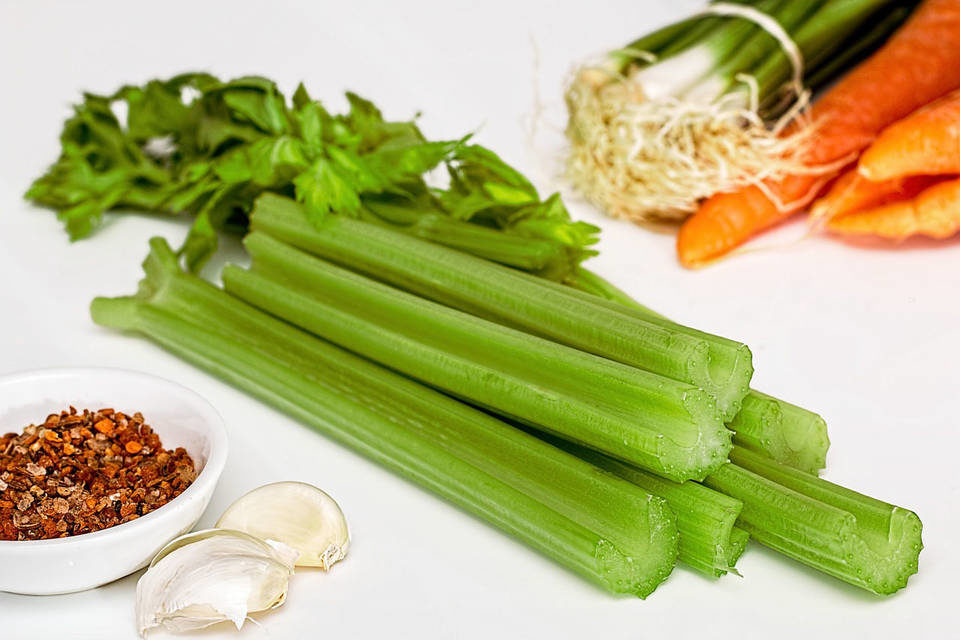
Diseases and pests
Caring for celery is fairly simple, but keep in mind that problems can arise in the garden due to pests or diseases. Always pay attention to the appearance of the foliage. If it appears wilted or has begun to wilt, it's best to inspect the plant carefully for characteristic signs of disease.
Growing celery properly doesn't present any particular problems or difficulties. Carrot fly larvae, slugs, cutworms, and snails can be harmful. These can contribute to the development of diseases such as various types of rot, viral mosaic, and blackleg. To protect plants from these problems, it's important to water them regularly, remove weeds, and thin them out. Planting celery among other vegetables and herbs also yields excellent results.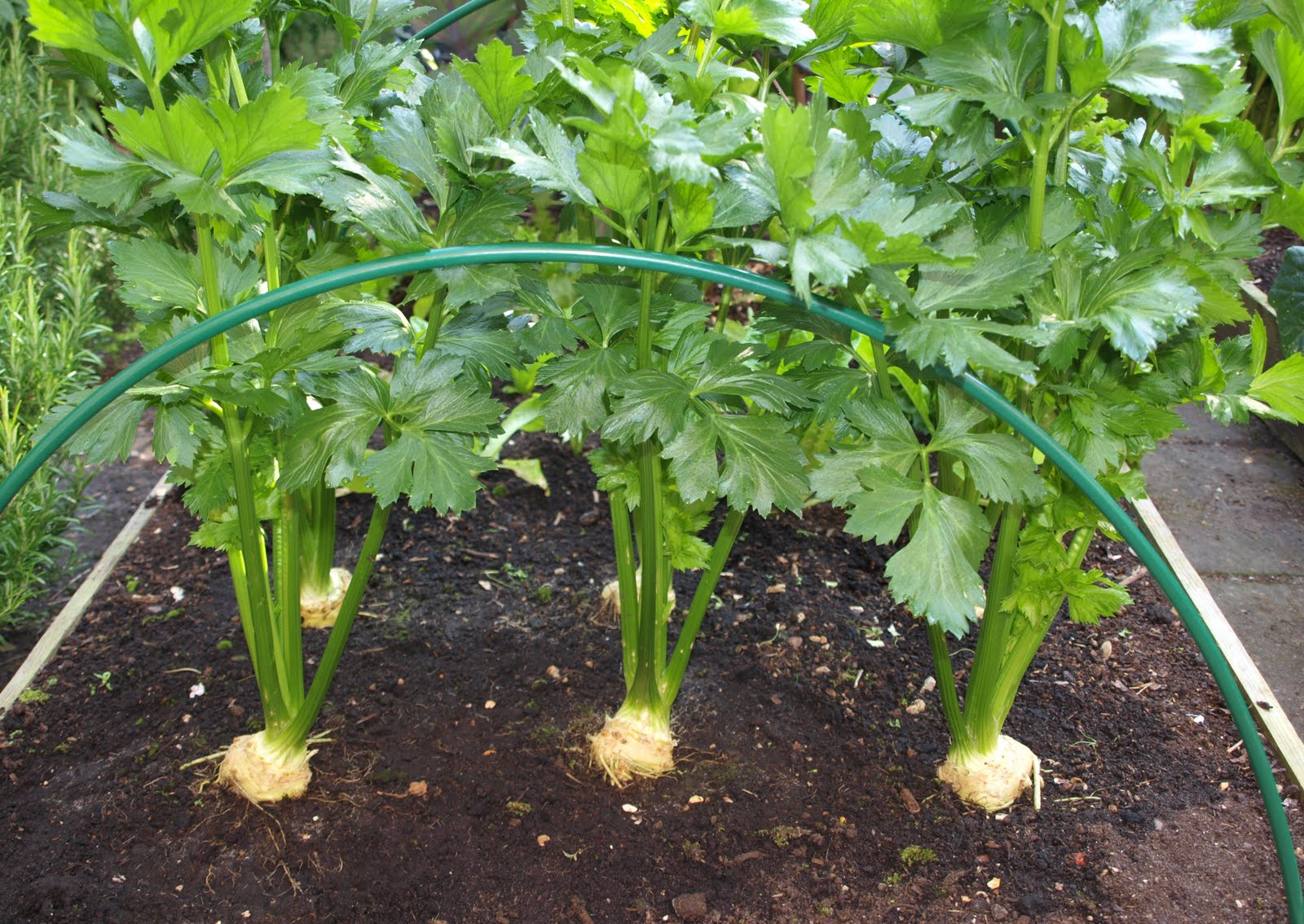
These are all the nuances of how to grow celery in your garden. By understanding the proper growing techniques and applying them correctly, any gardener can reap a bountiful harvest of this aromatic and nutritious herb.
Video "Celery Root"
Everything about growing celery root is explained in the video.