
Features of growing and using lemon basil
Description
Basil is a perennial herb grown in garden beds and on windowsills. It is native to South Asian countries (India and Sri Lanka), and as a wild plant, it is widespread in Africa, Iran, China, and tropical America. This aromatic herb is often used in Mediterranean cuisine. Basil is very popular in Italy, France, Greece, and Spain. In Russia, this plant has been cultivated since the 18th century, primarily as a bactericidal, antiseptic, antifungal, anti-inflammatory, and antitussive agent, widely used in medicine. In the Caucasus and Central Asia, basil is considered a herb of longevity and is known as reyhan, regan, rean, and raykhon, which translate as "fragrant." This plant also makes an excellent basil lemonade or compote, a great thirst-quencher in hot weather.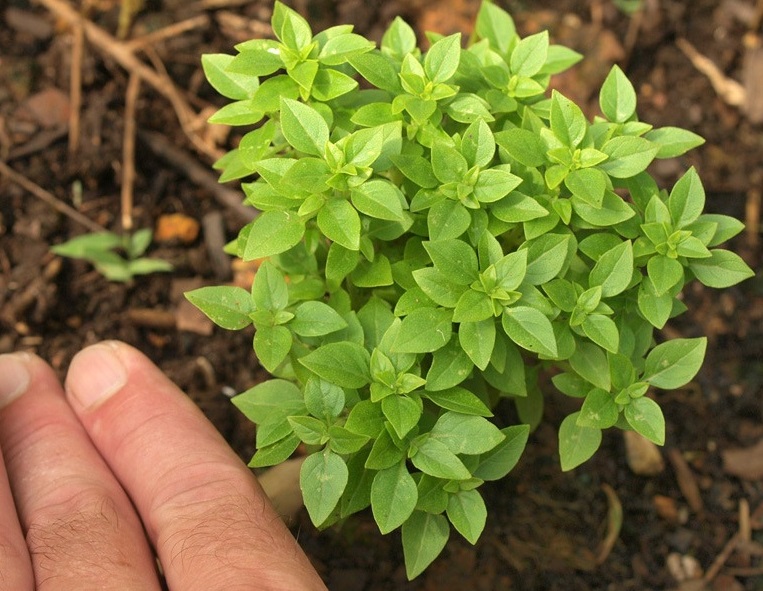
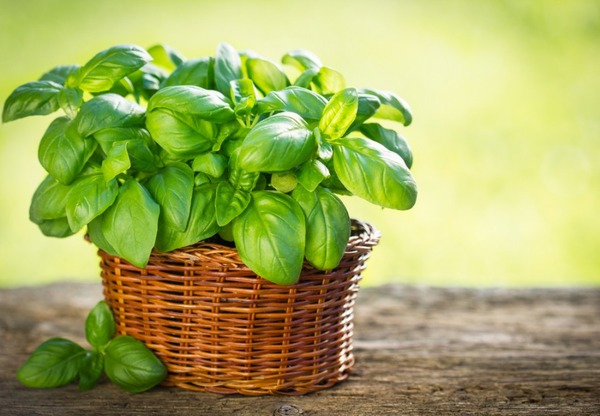
Lemon basil has a straight, branched stem with small, light green, oblong leaves covered with fine hairs. The plant can reach a height of up to 70 centimeters. Two-lipped flowers, white, light pink, or purple, emerge from the axils of the terminal leaves. Subsequently, a fruit forms, consisting of four nutlets containing seeds. These seeds remain viable for 4-5 years. A single basil bush yields approximately 200-250 grams of leaf pulp.
Video: Growing Basil
From the video you will learn how to grow this spicy herb.
Growing
Basil is a warm-weather plant native to the south, grown as an annual in temperate climates. It's best planted outdoors in a well-lit, wind-protected location.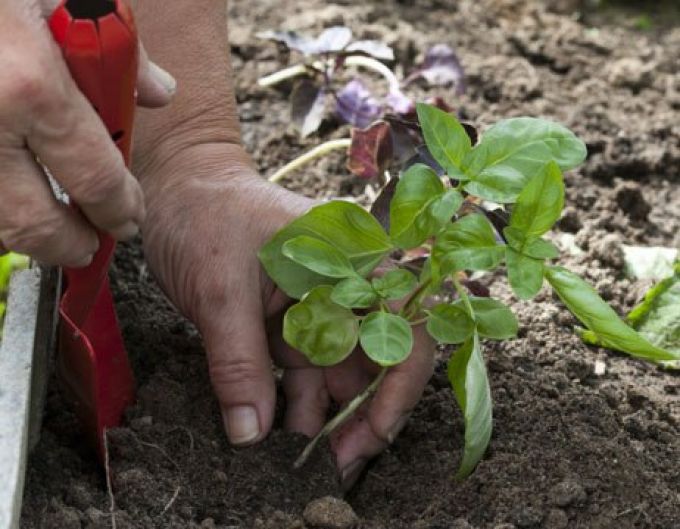
If the plant is placed in the shade, it will grow poorly and lose its wonderful aroma. It requires light, nutritious soil and regular watering. It thrives at temperatures of 25°C and above, but stops growing at temperatures below 12°C. Basil can be grown from seeds or cuttings.
Sow seeds in late March to early April in small boxes or cups at a depth of 0.5-1.0 cm, spaced at least 5 cm apart. Then lightly moisten the soil and cover with plastic wrap, removing it for a few hours daily. Under normal conditions, seedlings emerge in 7-10 days. When the seedlings reach 5 cm, they can be transplanted to a hotbed, greenhouse, or open ground, provided the ambient temperature is sufficient. Seeds are sown directly into open ground only during the summer; the best time is early June. When the young plant has more than 6 leaves, pinch the top to encourage widening and prevent it from becoming overgrown. Seedlings are planted in the ground no earlier than the second half of May, when nighttime temperatures do not drop below 10 degrees Celsius.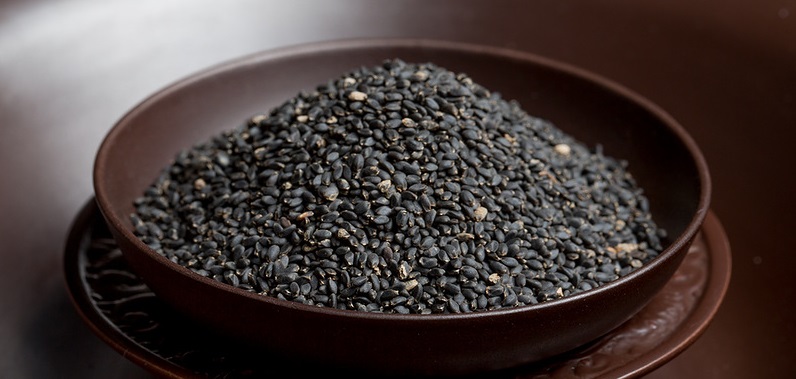
If basil is already growing in the garden, it can be propagated by cuttings. Cut stem sections are placed in water for 5-7 days. Once roots appear, the young plants are transplanted to their permanent location.
It's important to note that if basil is grown for edible purposes, it should not be allowed to flower; the buds should be removed. During flowering, the leaves become tough, making them no longer suitable for consumption. Harvest the basil when the stem reaches 10-15 centimeters, leaving 4-6 leaves. Three prunings may be performed per season.
Basil is recommended for growing near tomatoes, various types of cabbage, and peppers. It thrives in areas previously occupied by cucumbers, zucchini, carrots, and onions.
Basic requirements for basil care:
- It is necessary to adhere to a moderate watering regime.
- The water temperature should be at least +24 degrees.
- In open ground, the plant should grow in well-fertilized soil with organic and mineral fertilizers. Fertilizing is done twice per season.
- Bushes should grow at a distance of 50 centimeters between rows and no closer than 20 centimeters between plants.
- When harvesting greens, leave a few leaves on the stem so that the plant can grow lateral shoots and continue its development.
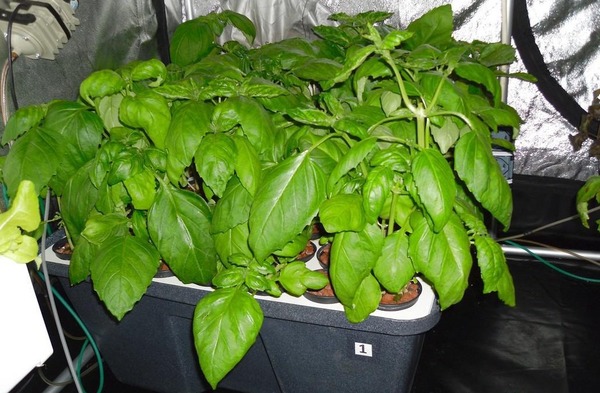
When cold weather sets in, the dense bushes can be transplanted into pots to grow fragrant greenery throughout the winter.
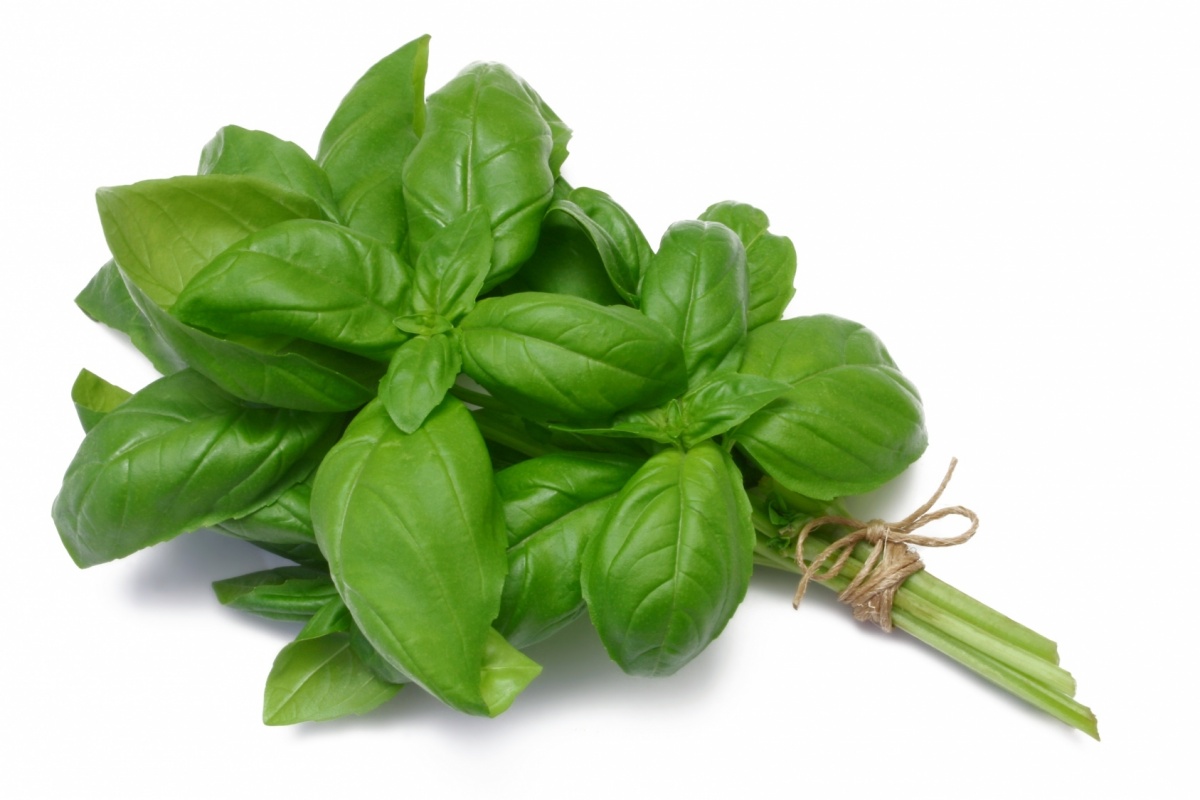
Video: "Beneficial Properties of Basil"
From the video you will learn about the beneficial properties of this herb.