
When to harvest and how to store celery root
Cleaning times
If this plant is new to your garden, you're probably wondering when to dig up celery root and how to harvest it properly. It's important to know that the roots begin to form only in the second half of summer, and the bulk of the harvest occurs from late August to September. Furthermore, the tubers need time to mature, otherwise they won't taste good and will spoil quickly.
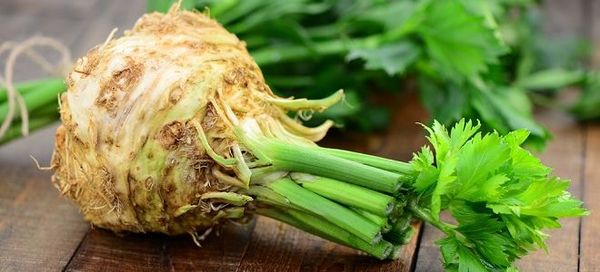
This means there's no need to rush harvesting celery roots. The plant tolerates cold and light surface frosts well, so it can be left in the ground until the first snow. However, exposing the tubers to real frost is undesirable, as even a light freeze will negatively impact their flavor and shelf life.
The climate of the region where celery is grown also influences the timing of its harvest. In the south, the tubers can be left in the garden until mid-November, but in temperate climates, the harvesting period is limited to October. However, the easiest way to determine the ripeness of celery is by its tops.If the tops start to turn yellow, this is a sure sign that the root is no longer growing and it is time to dig it up.
Harvesting technology
Once you've decided when to harvest celery root, you should choose a suitable day and plan the harvesting process. Since celery tubers have numerous fibrous roots and are located quite deep in the ground, it's recommended to dig them up after rain, but not immediately, but rather, for example, the following day, when the soil has loosened. If there's no precipitation, the bed should be watered; otherwise, the roots may be damaged during digging, significantly reducing their shelf life.
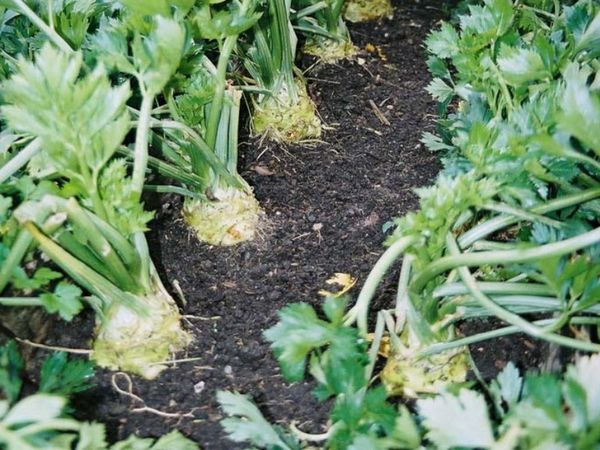
Harvesting can be done in one of the following ways:
- Using a garden fork, shovel or large knife, carefully pry up the roots and bring the plants to the surface;
- If the soil is moist and loose, the tubers can simply be pulled out by holding them by the tops.
After harvesting, shake the soil off the tubers and, weather permitting, leave them in the garden bed for a short time to dry. Then trim the tops to a height of 2–3 cm, and spread the tubers in a dry, well-ventilated area to dry further. The cut tops can be left in the garden bed; they will turn into excellent fertilizer over the winter.
Root vegetables with slight mechanical damage are not suitable for long-term storage; it is better to use them immediately for food.
Storage rules
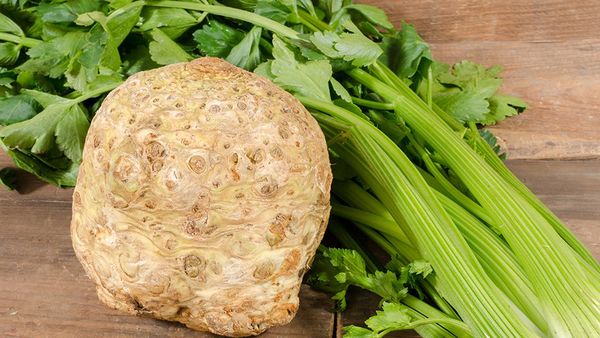
Celery can be stored fresh, frozen, or dried. The first method is undoubtedly the most beneficial, as fresh roots contain more nutrients and vitamins. To preserve its nutritional value, it should be stored in a cool place—at temperatures between 2 and 8°C. A cold room (cellar, basement) or refrigerator is suitable for this purpose. A cellar maintains the optimal temperature and humidity levels for root vegetables, providing the longest shelf life.
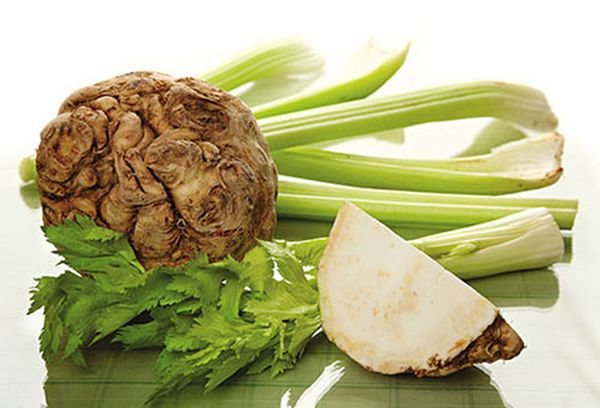
Only healthy and undamaged tubers are suitable for storage, so they should be sorted before storing. Roots are selected visually, by tapping and pressing. A ringing sound when lightly tapped indicates voids within the celery. If the top of the root sags, this is a sign of the beginning of rotting. Healthy tubers should remain firm when pressed, with a smooth surface, free of scars and growths of unknown origin.
Next, the sorted roots need to be prepared. For refrigerated storage, wash them thoroughly with a soft brush, dry them, then wrap them in plastic or cling film and place them in a vegetable container. For cellar storage, simply clean the roots of the vegetables from the soil and trim off the tops, then use one of the following methods:
- place the tubers in a box with wet sand (they should be placed in one layer with the stalks facing up);
- dip into a mixture of water and clay, and after drying, arrange the vegetables in rows;
- In the south of the country, where the soil does not freeze in winter, root vegetables can be kept in the ground by laying them in layers in a shallow trench, and sprinkling each layer with moistened sand.
To prevent tubers from rotting, it's recommended to add a little lime or ash to the sand. Also, don't allow the sand to dry out. Drying and freezing root vegetables loses most of their nutritional properties during this process and is only suitable for heat treatment.
Now you know when to harvest and how to store celery tubers, and perhaps your garden bed will be replenished with this vegetable, even if you didn’t pay attention to it before.
Video: Harvesting Celery Root
This video will teach you when and how to harvest celery root.