
When to Plant Spinach: Tips from the Pros
Content
Growing conditions requirements
Spinach is an annual dioecious vegetable plant growing up to 45 cm in height. Experts believe its origin is Iran. The crop was known to the ancient Egyptians. Spinach arrived in Europe from Spain as early as the 15th century. Overall, the history of this crop spans over 5,000 years. It has triangular-lanceolate leaves and small green staminate flowers gathered in inflorescences. Pistillate flowers are arranged in clusters in the leaf axils. The fruits are oval and borne in woody bracts. Flowering occurs from June to August. Why do many gardeners prefer to sow spinach in their gardens? Because it contains vitamins P, PP, C, E, D, B3, B6, and K. Spinach contains 1.5 times more protein than dry milk. It is rich in magnesium, iron, and folic acid.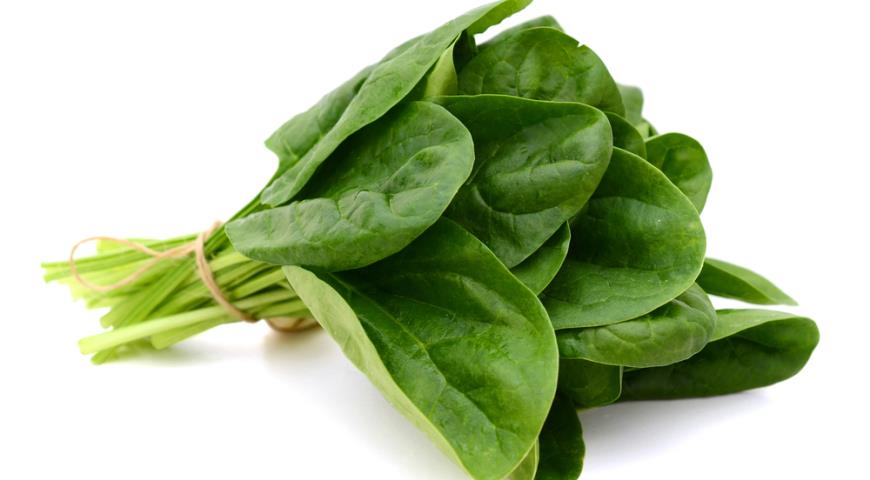
Beginning gardeners often wonder when to plant spinach. It's resistant to low temperatures, so it can be grown outside of summer. It can recover well from light frosts.
When planted as seedlings, you can enjoy the crop before May. It thrives alongside many other crops, so choosing a spot for spinach in your garden is easy. Spinach can be sown in a sunny area. It's recommended to choose soil with any texture, except clay or highly acidic soil. It's recommended to build a raised bed with organic matter in the bottom layer. It's best to add fresh or well-rotted manure. To prevent nitrate accumulation in plants, it's recommended to cover the plantings with a 2-cm layer of sawdust and a layer of organic matter.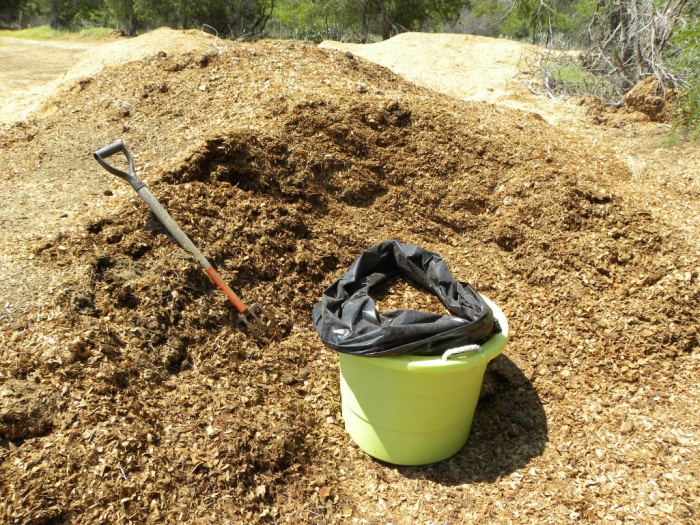
If your soil is excessively acidic, adding lime can help. Regular watering is essential when growing, as this promotes high yields. Popular varieties include Godri, Krepysh, Virofle, Ispolinsky, and Matador.
Planting with seedlings
For those who love early greens, growing from seedlings is a good option. Seeds should be sown in March or early April. You will need boxes or cups made of paper or plastic. It is recommended to plant the seeds no more than 1 cm deep in prepared soil. Then, firm the soil. Cover the container with glass or plastic film and store it in a warm place. In a greenhouse microclimate, the seedlings will sprout quickly. Remove the plastic or glass. Place the container on a balcony or veranda. Regular watering is required.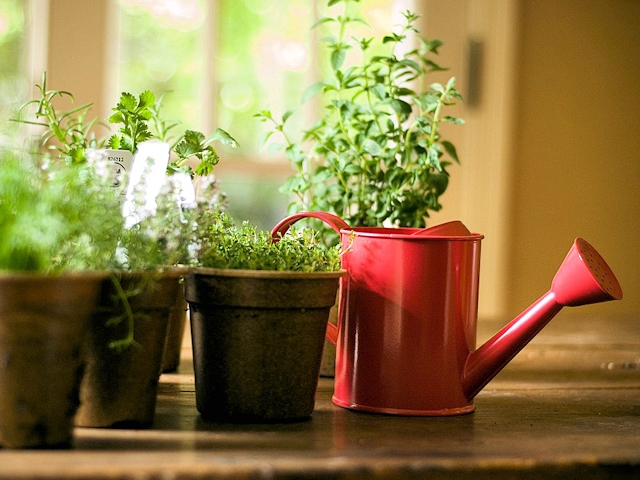
Seedlings grow well on a southeast- or south-facing windowsill. Seed germination occurs at temperatures starting at 4°C (39°F). Spinach should be planted outdoors when the soil has warmed up sufficiently. It's recommended to install hoops and cover the beds with special non-woven agrofibre. This will protect the crops from the scorching sun and temperature fluctuations.
Sowing in open ground or greenhouse
Spinach planting in a greenhouse depends on the local climate, the quality and layout of the greenhouse, and the varietal characteristics of the planting material. Vegetables can be grown year-round by creating an artificial lighting and heating system in the greenhouse. A film structure remains a budget-friendly option. However, in practice, it does not retain heat well, especially if night frosts are frequent. Therefore, spinach, planting, and care are easy if you follow a few guidelines; it is often grown in polycarbonate greenhouses.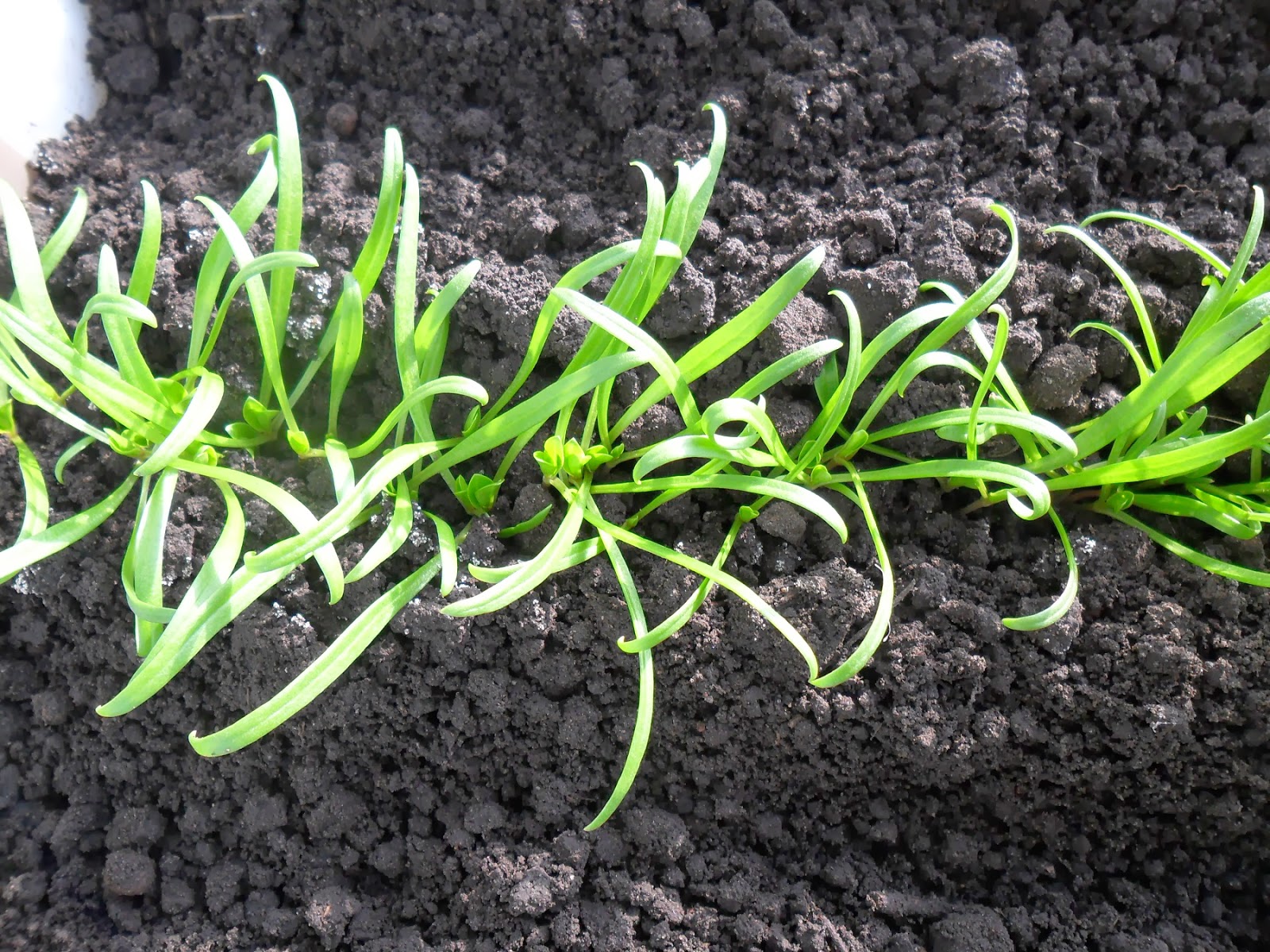
Planting in the greenhouse begins when the daytime air has warmed up considerably. The holes are generously watered with boiling water. The seeds are covered with 2 cm of soil. Next, agrofibre is placed. This helps retain the desired level of moisture and heat. The ideal temperature is considered to be +15°C (59°F). Plants can withstand frosts down to -10°C (14°F). If temperatures remain above +20°C (68°F), varieties that are susceptible to bolting may begin to sprout. It is recommended to remove the agrofibre after seedlings emerge.
The crop is usually planted in early spring at the same time as green onions, lettuce, and radishes. To prolong the harvest, sow spinach at 7-10 day intervals. This will ensure uniform and even germination.
If you need to save space in your garden beds, this plant can be sown as a thickener. This is most often done between tomatoes, dill, radishes, carrots, and beans. To avoid frequent watering and loosening of the soil, it is recommended to mulch it with sawdust and add a little urea. Thinning should be done when a couple of full-fledged leaves appear. The soil where spinach is grown should have sufficient boron. Dilute 10 grams of boric acid in one bucket of water and water the crops with a watering can.
The soil for spinach is usually prepared in the fall. To do this, the plot is dug to the depth of the humus layer. Fertilizer is added at a rate of 30 grams of superphosphate and 15 grams of potassium chloride per square meter. In early spring, it is customary to apply about 20 grams of urea per square meter using a rake.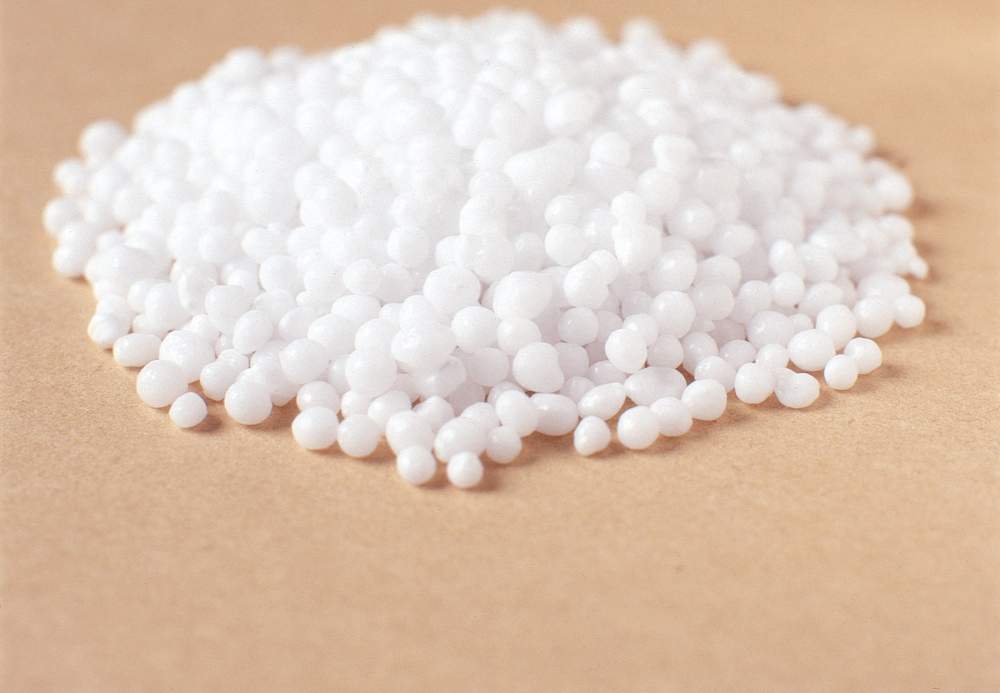
Spring-sown vegetables are ready for harvesting 8 to 10 weeks after emergence, while summer-sown vegetables are ready for harvesting 10 to 12 weeks later. Failure to harvest early risks plants with rough leaves and significantly diminished flavor. It's best to harvest spinach in the morning. However, avoid harvesting immediately after watering or after rain. The crop's yield typically averages up to 2 kg per square meter.
Video: Planting Spinach
This video will show you how to properly plant spinach in the ground.
Autumn sowing
Spring is a busy time for gardeners. That's why experienced gardeners prefer to plant spinach in the fall. The same goes for cold-hardy crops like garlic, sorrel, radishes, and carrots. This is very convenient. There's still plenty of time in the fall, as well as plenty of space in the garden. The soil is well-moistened. There's no need to worry about the green shoots being killed by frost. With the arrival of spring, the plantings recover normally. And you get the opportunity to harvest fresh, vitamin-rich greens from the garden beds and have them on the table.

Video: Sowing Spinach Seeds
This video will show you how to sow greens seeds correctly.