
When to plant sorrel: in spring or autumn
Content
Planting sorrel – basic rules
Not everyone knows the best time to sow sorrel. The seeds begin to germinate at 5 degrees Celsius, and the shoots appear a week and a half after sowing. It thrives in light shade. It can withstand temperatures as low as -10 degrees Celsius, but it's best to cover the vegetable with a special film before the cold weather sets in, and it's best to know when to plant sorrel before winter.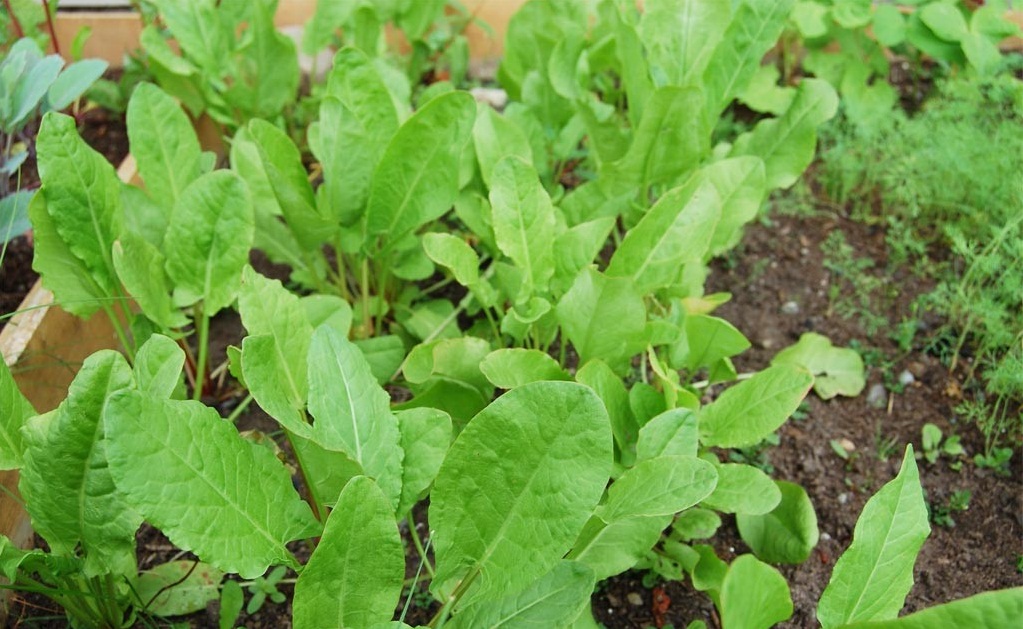
It does not grow in the same place for more than 6-7 years, as the yield decreases.
Video "Correct Growing"
This video will show you the steps to take when planting and growing this plant.
Selecting a location, preparing the soil
To ensure a good harvest, sorrel should be planted in a fertile area of the plot. However, it will produce a good harvest even in slightly acidic soils, so it can thrive without liming.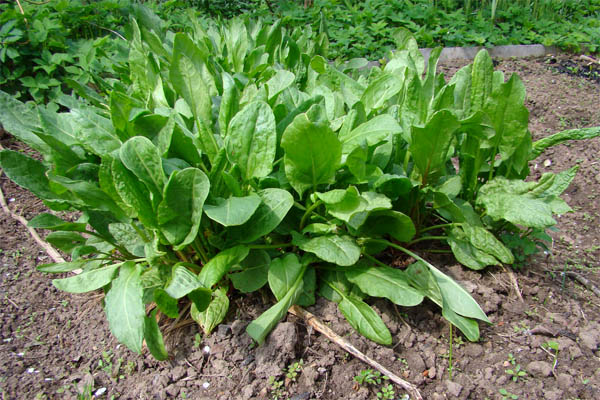
In the fall, mineral fertilizers are applied to the areas where it will grow. Nitrogen fertilizers are added in the spring. Therefore, the choice of fertilizer depends on when you sow the sorrel. Before sowing, the soil is thoroughly cleared of weeds.
It can be sown in early spring, summer, or even fall. In spring, sow as soon as the soil can be cultivated. In summer, sow in the very middle of the field, after the early crops have been harvested. This sorrel can be harvested the following spring. Fall sowing is done in November to allow the seeds to germinate before the onset of sustained frost.
If you live in a region without black soil, choose the first method, as at this time the outer soil layer contains enough moisture for the sorrel to grow vigorously. If you decide to plant sorrel in the summer, you'll need to water it frequently, which isn't easy. If you choose to sow in winter, there's a high risk of seedling failure, resulting in a small harvest.
Autumn sowing is best done on sandy soils in temperate climates (Kaliningrad, Moscow, Tver). The key is to have soil rich in organic matter; sorrel grows well in neutral or slightly acidic loams, so don't worry if you can't transplant it to black soil.
Planting sorrel in spring
Sow sorrel in rows spaced 0.25 m by 0.25 m apart. When planting, make furrows up to 7 cm wide. If the soil is damp, use a metal dowel instead of a hoe. Then take a pinch of seeds and scatter them evenly along the furrow. Then cover the entire area with loose soil. Never cover with heavy soil, otherwise the sorrel may not sprout! After sowing, compact the soil slightly with a rake to ensure better germination.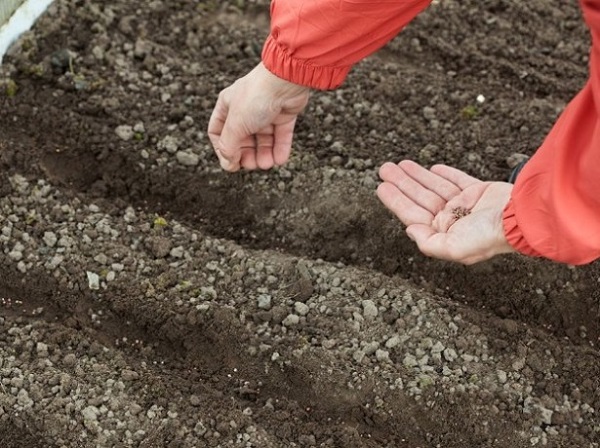
Initial care consists of loosening the soil, weeding, watering, fertilizing, and pest control. First, the sorrel will begin to form leaves, followed by stem formation and flowering. Getting rid of these flowers is easy—cut them off. You can also mow them with a brush cutter. After a few weeks, you'll have beautiful sorrel again. After pruning, water it generously to encourage new leaves to grow.
First-year leaves should be cut no later than two months before the ground freezes. Otherwise, they may be killed by snow. Sorrel is also a favorite pest of sorrel leaf beetles and aphids. Chemicals should only be used after the entire harvest has been collected.
Autumn sowing
In order to get sorrel at the beginning of April (because then you can sell it at a high price, and you will enjoy eating the greens yourself), you need to do the following.
We mark out where it will grow, taking into account that at the end of winter it will need to be covered with film.
We add fertilizer to the soil. If we have manure, we use it. However, this isn't always the case. No problem. Gardening stores carry specialty fertilizers in bags, though most are quite expensive. We need superphosphate, potassium chloride, ammonium nitrate, and complex fertilizers. You can grow sorrel without them, but it won't always grow as desired. Therefore, you need to consider the sorrel itself to determine whether it needs fertilizer.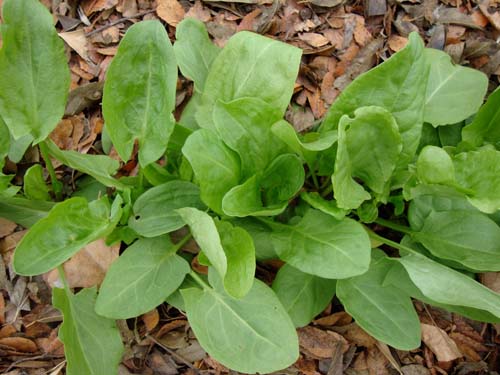
Then we dig up the area so that we can plant the plant.
Finally, we plant sorrel. Since we plan to transplant the seeds in summer or early fall, we must sow them soaked. We also need to water the furrows. Then we cover them with loose soil.
Keep the soil where you planted the sorrel moist until the seedlings emerge. However, be careful not to overwater them.
Now, make sure the sorrel has time to take root before the frost. To help it survive the winter, you can cover it with leaves to facilitate growth. In early March, place arches of twigs or wire over the sorrel and stretch plastic film over them (creating a mini greenhouse). Choose the thickest plastic film, but medium-thick plastic will also work. On a hot spring day, you can slightly open the plastic to prevent the sorrel from overheating. Don't open it too much, or the plant will burn.
In the fall, add compost or humus at a rate of 10 kg per 3 square meters to mulch the roots. The following year, apply a full-value fertilizer.
Harvesting begins when 6-7 full-sized sorrel leaves appear. Before weeding, they are cut at a height of 6-7 cm from the ground. Harvesting begins in May and ends in early August. Four to five full harvests are possible. It's important to be aware of pests and diseases that sorrel can encounter to avoid any potential problems.
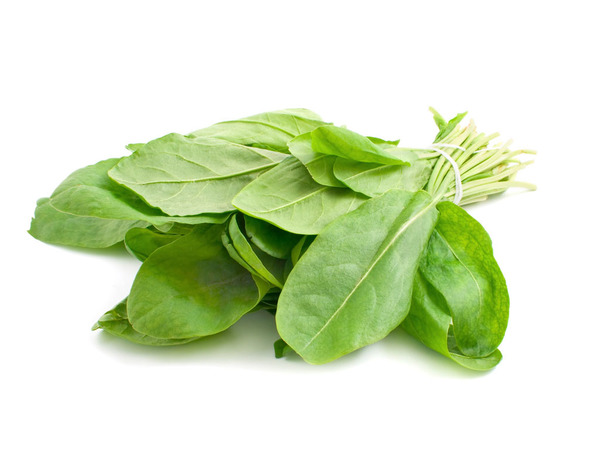
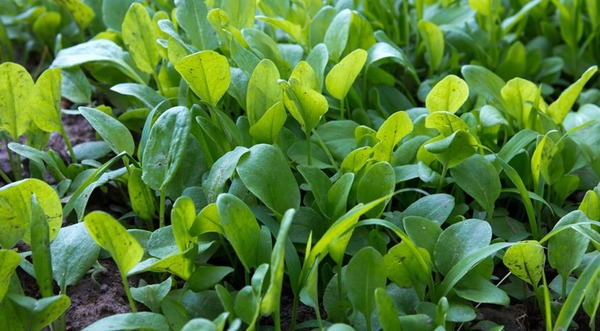
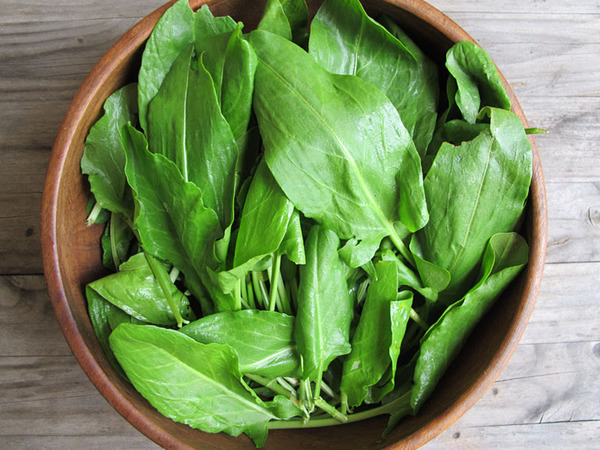
Downy mildew – spots with a powdery coating appear on the underside of the leaves. To combat the disease, spray the leaves with Bordeaux mixture or treat them with phytosporin 1.5 weeks before harvesting.
Rust - when affected by it, small yellow spots appear on the leaves and petioles, and on them dark honeycombs.
Sorrel aphids simply suck out all the juices. They can only be controlled through prevention. In the fall, water the cuts with an infusion of bitter or pungent herbs—they will repel the aphids.
Now you'll know how to plant sorrel at any time of year, and what to do with it to ensure it lives as long as possible!
Video: Planting Sorrel in Winter
This video will show you how to plant sorrel in late autumn for the winter.