
How to Grow Parsley on a Windowsill: Tips for Beginners
Content
Greenery on the windowsill
Growing parsley on a windowsill is a simple process. Just choose your favorite variety and gather some seeds. You'll also need pots filled with soil. And, of course, your desire!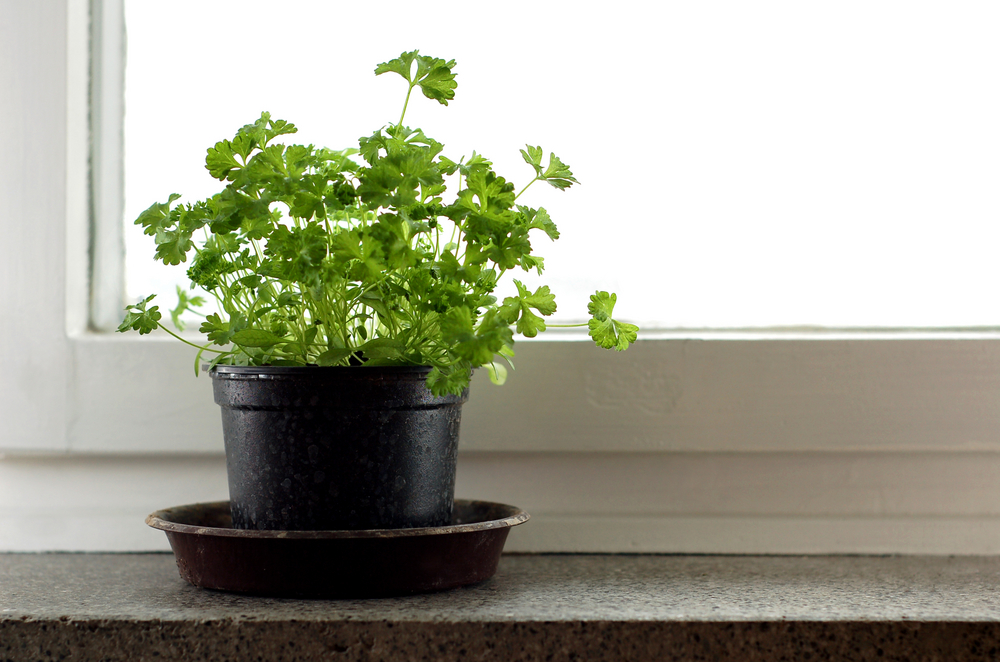
By sowing in pots, you can hope for an environmentally friendly, aromatic, and, most importantly, healthy harvest. What's more, you can harvest herbs almost year-round! This method of growing herbs is especially suitable for those who don't have a garden.
Video: Growing Greens on a Windowsill
From the video you will learn the rules for growing herbs at home.
Which varieties should I choose for planting?
The specific variety of parsley you choose for your pot isn't all that important. However, it's preferable to choose an early-ripening variety. This type of herb can be harvested 10 days earlier than mid-season or late-ripening varieties.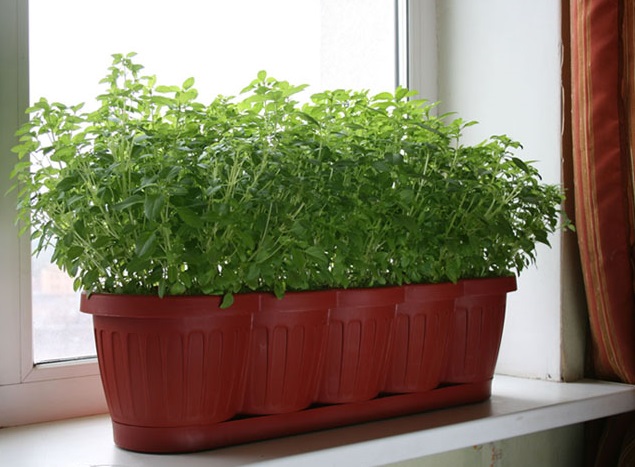
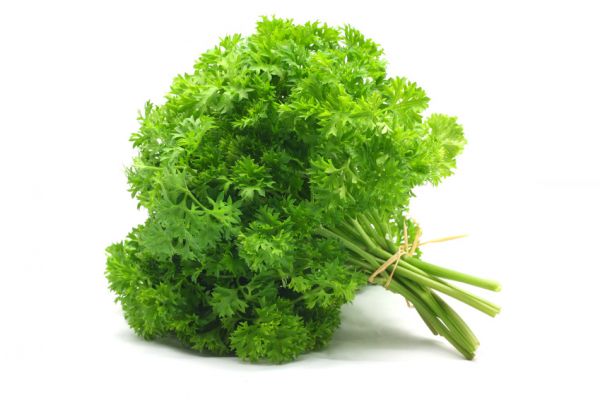
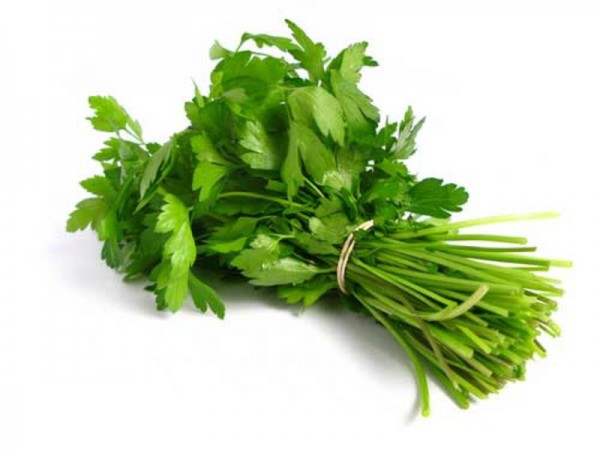
Early ripening varieties include, in particular, Astra, Gloria, Biser, Morning Freshness Fitness, Emerald Lace, Grandmother's Bed, Vorozhey and a number of others. Among the varieties listed, there are both the familiar leafy greens and curly greens. Curly greens most often serve an aesthetic culinary purpose: they make all dishes more "pretty." But this is purely a matter of taste.
Growing methods
How to grow parsley on a windowsill? There are two main ways to do this: by planting root vegetables or by seed.
Planting parsley roots
Growing herbs on your windowsill during winter helps add flavor and aroma to all your meals. Furthermore, parsley has a number of beneficial properties that have a positive effect on the body and help treat many ailments.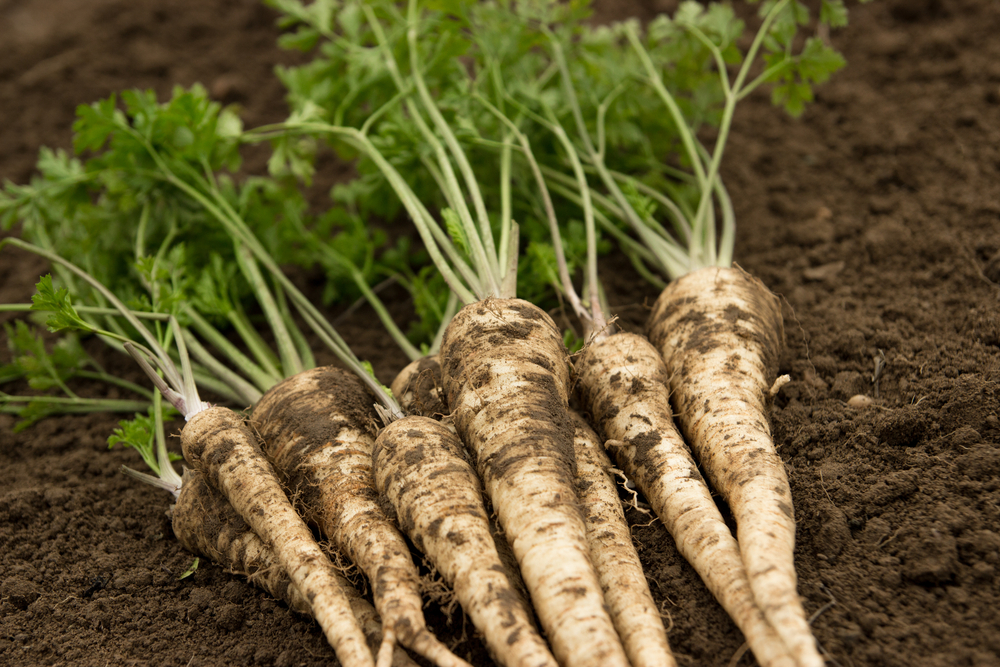
Growing herbs at home by forcing root crops is simple. Just dig up several root crops with cuttings from the plot before the soil freezes. A much simpler approach is to simply purchase these plant parts at the supermarket. However, in this case, carefully inspect the plant parts to ensure they are not damaged, even slightly. The size of the plant parts can vary, but a diameter of 0.002 to 0.004 meters is optimal. The larger the root crop, the more leaves and buds it can produce. This will prolong the vegetative growth of herbs indoors.
Before planting greens, treat the prepared containers with a potassium permanganate solution. You can prepare the planting medium yourself by mixing garden soil, turf, and humus with lime in a ratio of 0.7:0.1:0.2. You can also buy a ready-made mixture at specialty stores.
The prepared box (or container) is filled with soil and moistened. The root vegetables are then planted in rows. The distance between plants should be at least 2 centimeters, and between rows, 4 centimeters. The root vegetable heads should not be covered with soil. After planting, the soil should be compacted and watered thoroughly.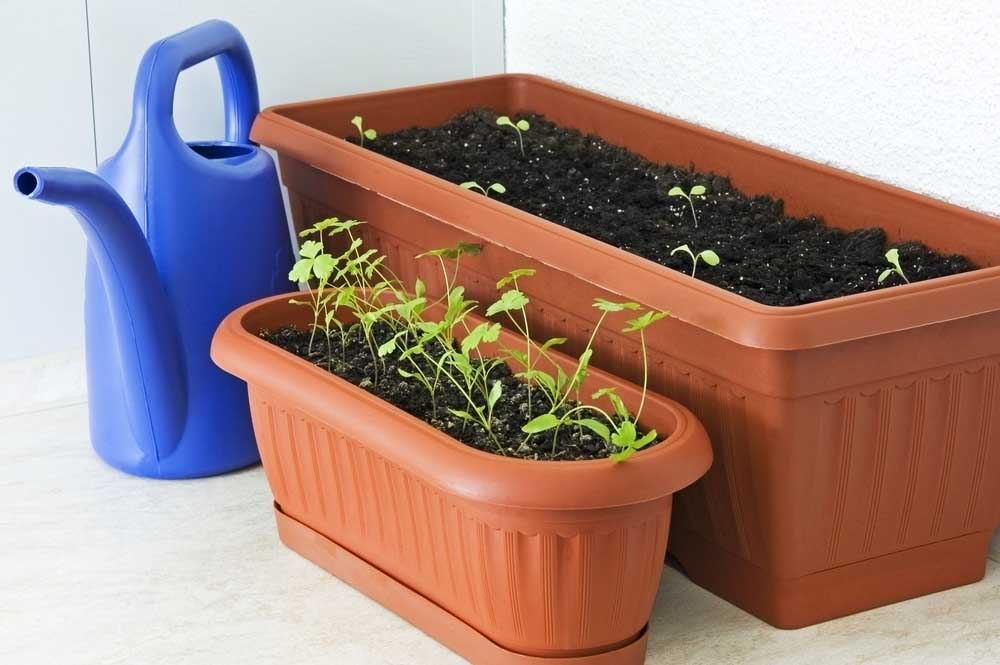
Growing herbs at home is also a simple process. It involves a few key steps:
- the box with plantings is transferred to a cool place (insulated loggia or balcony), where the plant needs to be provided with sufficient, but not excessive, moisture;
- when the cuttings begin to grow, the box should be moved to the windowsill;
- pots with planted plants need to be turned periodically, which will ensure symmetrical and uniform growth of the green bushes;
- in cloudy weather, additional lighting must be provided for the crop;
- It is necessary to water frequently and in sufficient quantities;
- the optimal temperature for plants does not exceed 20°;
- in a few weeks you will be able to harvest the first crop;
- If the plants appear exhausted, special fertilizers should be applied before cutting the foliage.
During the winter, the plant should be forced several times. Small root vegetables are planted first, followed by larger ones a month later. In early spring, several pots containing the plant should be moved to the balcony.
Propagation by seeds
Planting this way has its pros and cons. In particular, this type of parsley requires more careful care, and the first greens can be harvested no earlier than six weeks after planting. However, a seed-grown plant will provide you with greens for more than a year.
Seed cultivation involves:
- The day before sowing, the seedlings should be placed in a container of water. This will allow the essential oils contained in the seeds to evaporate, ensuring rapid germination.
- a few hours before sowing, the seeds should be placed in a weak solution of manganese;
- It is essential to place a drainage layer in the pots and make holes in the bottom of the container, which will help remove excess moisture;
- the substrate in this case can be a mixture of vermicompost (1 part) and coconut fiber (2 parts);
- Don't plant the seeds too deep. After planting, cover them with a centimeter of soil;
- pots with plantings should be moved to the shade and watered every 2 days;
- when the seedlings turn green, they should be transferred to the windowsill;
- young plants should be thinned out, keeping a 4-centimeter distance between them;
- After a little more than 5 weeks, the greens can be cut and eaten fresh.
Plant care tips
When describing the process for growing parsley at home, it's important to consider caring for the herb while it's actively developing foliage. To ensure the plant's leaves are vibrant, juicy, and lush, it needs regular watering. Avoid using tap water, as it contains a number of harmful elements.
Allow water for irrigation to settle. Avoid using cold liquid to moisten the crop.
During particularly hot weather, as well as in winter when apartments are heated, parsley should be sprayed with heated water.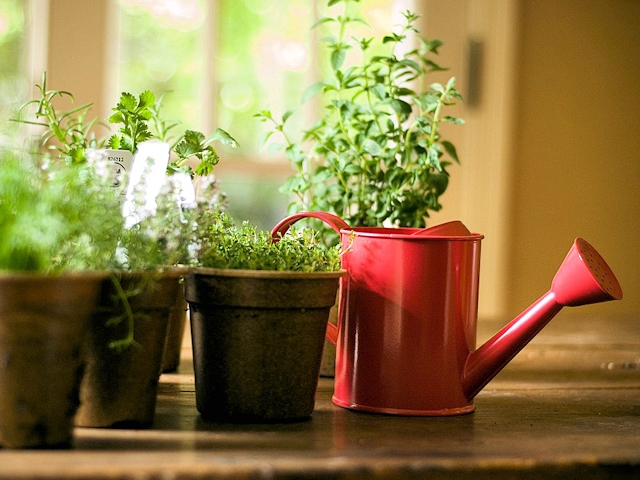
If a crust appears on the soil, it needs to be carefully loosened.
In autumn and winter, when the plant suffers from a lack of light, it is worth hanging special white spectrum lamps over the pots.
So, growing parsley at home is quite simple. However, it allows you to enjoy fresh, aromatic herbs almost year-round, without much effort. Growing parsley at home is worth a try!
Video: "The Benefits of Parsley"
From the video you will learn about the beneficial properties of parsley.