
How to Grow Mint at Home on a Windowsill: Planting and Care Tips
Content
Growing methods
How to grow mint on a windowsill? There are three most common methods preferred by experienced gardeners: seeds, root layers, cuttings, and division.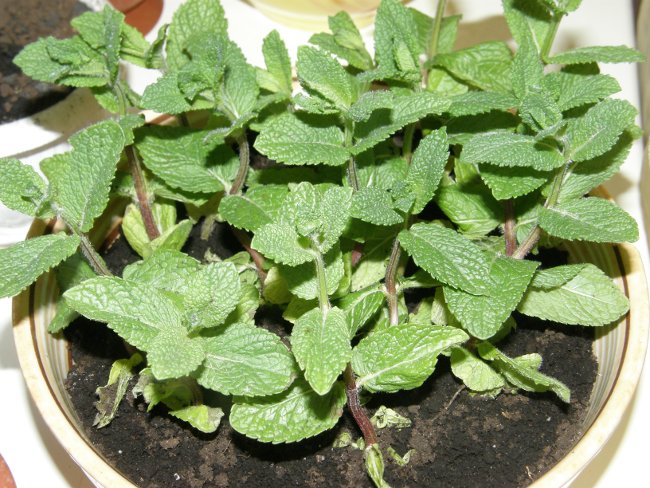
When it comes to the speed of growth and maturation of the mint plant, the first method takes longer. After all, you'll be growing mint from scratch—from bare seeds. Cuttings are much more effective, but you'll need to put in some effort to obtain good, viable cuttings. All of these methods allow you to grow a plant called indoor mint, but it's worth understanding the specific features and advantages of each method in more detail.
Seeds
Growing mint indoors can involve sowing seeds. For less experienced gardeners, this method can be labor-intensive and multi-step. However, if you want to grow a specific mint variety on your windowsill, the best solution is to purchase seeds from a specialist store.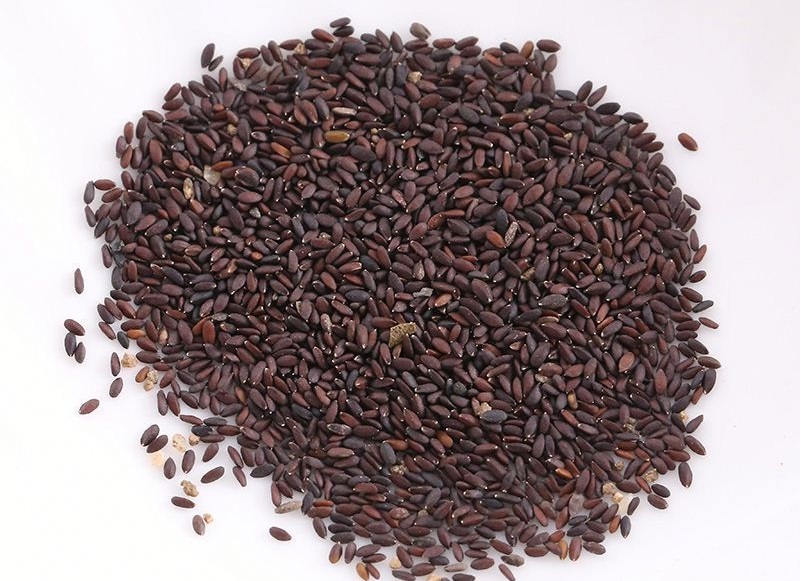
Of course, if you have the resources, you can collect them yourself. However, be aware that seeds from the parent plants don't always retain all the characteristic traits of the variety. The likelihood of getting any results is low if you try to manually collect seeds from a hybrid plant. Beginner gardeners often overlook these details, while a hybrid plant can actually grow into a common garden variety. This is why it's recommended to choose store-bought seeds. Here's what the process of growing mint directly from seed entails:
- First, it's important to determine the optimal time for sowing mint seeds. The best time to sow is March or April.
- Once you've sown the seeds in the soil, it's a good idea to cover them with a layer of nutrient-rich soil or humus. Next, cover the substrate with glass or transparent film.
- The period from sowing the seeds is crucial for any gardener. It's essential to provide all the necessary conditions for the mint to sprout quickly. Be sure to water or mist the soil. The key is to strike a balance between overwatering and allowing the soil to dry out. Another important consideration is ventilation of the container containing the mint seeds. The glass or film should be opened occasionally.
- After 2-3 weeks, the indoor mint will produce its first shoots. Wait until the plant has two leaves. After this, you can transplant the seedlings into different flowerpots.
Knowing how to grow mint at home from seeds allows you to grow a healthy plant that will delight you with its greenery and refreshing aroma for years to come.
Root cuttings
Mint can be grown indoors not only from seeds. A fairly common method is propagation by root layering or division. This houseplant grows quite vigorously and is characterized by a long, dense root system. As it grows, it produces new shoots, which eventually develop into shoots and bushes.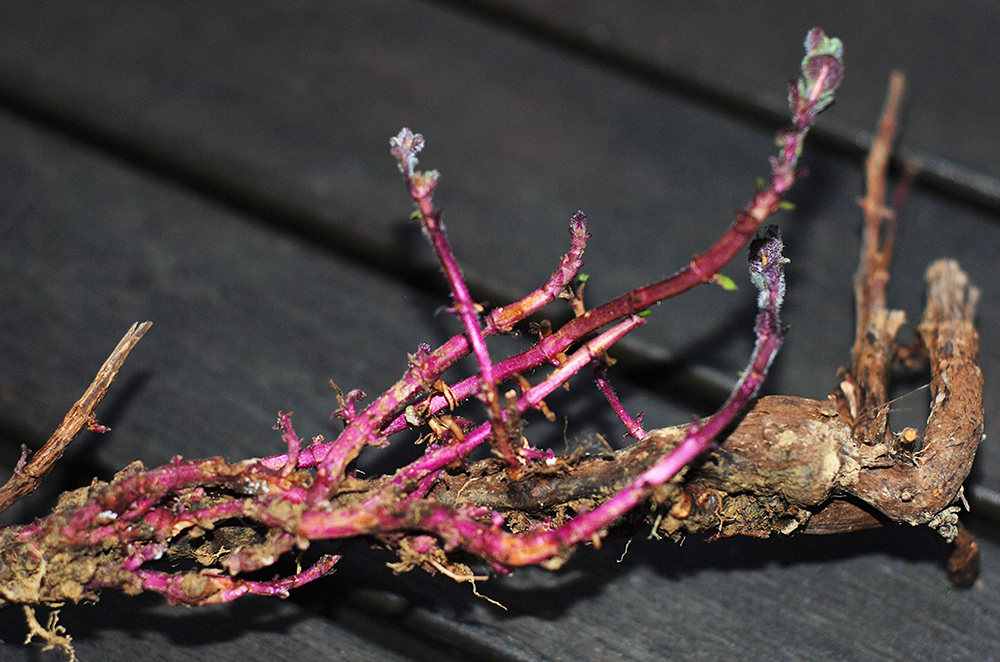
How do you carry out this procedure? It's best to do it in August or September. First, select strong root cuttings, then plant them in moist soil at a depth of approximately 5-7 cm. Let's say your cuttings have already sprouted shoots. In this case, it's best to trim the shoots, leaving only a few centimeters of stem above ground level. If you're planting a young bush after dividing a larger one, you should proceed in a similar manner. First and foremost, you need to allow the root system time and space to fully develop. Mint grown indoors will eventually become a perennial with medicinal properties, requiring only basic care, not much fuss.
By cuttings
Mint grows quite quickly when propagated from cuttings. It becomes stronger and begins to produce new shoots, so for quick results, it's best to choose this method.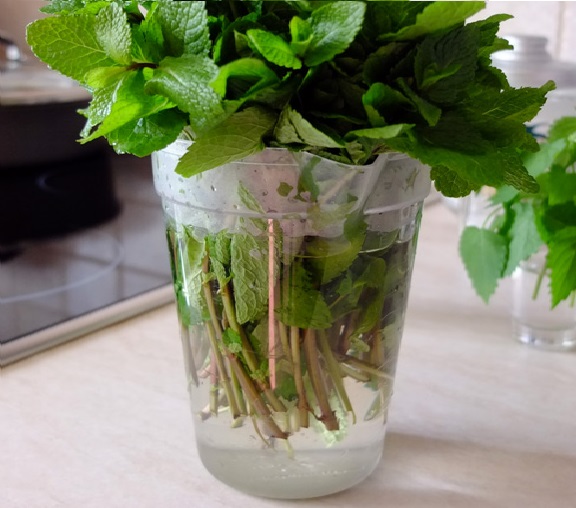
Separate the cutting from the main plant and place it in a glass of water for a few days. You can also bury it in sand. Once the mint sprouts roots, you can plant it in moist soil. After that, knowing how to grow mint indoors on a windowsill, all you need to do is provide easy but regular care for your houseplant.
Video: How to Grow Mint
This video will show you how to grow mint at home.
Care
During the summer, it's enough to place the mint flowerpot on a windowsill or balcony, as long as the plant receives enough light. Mist the leaves occasionally to prevent dust from forming.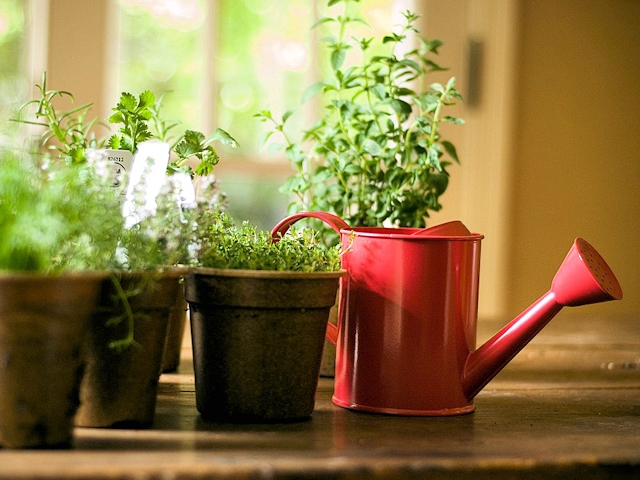
Potted mint doesn't require particularly meticulous care. In winter, the plant requires much more careful attention. It's during this time that mint infuses its stems with essential oils and juices.
Water it with settled, room-temperature water. Also, try to avoid drafts. Additional considerations for proper care of your mint include:
- Spraying. This should be done regularly, as this allows the plant to breathe;
- Fertilize the soil with special fertilizers. It's important not to overdo it. In summer, a single application of 1-2 grams of the beneficial mixture per liter of water is sufficient. In winter, you can do without fertilizers altogether.
- A shaded location. The plant needs full sun, but if you place the mint flowerpot in an open area, direct light can simply harm it. Therefore, it is recommended to place the potted mint in a slightly shaded area.
Potted mint will not only be a wonderful green addition to your indoor garden, but will also be useful in everyday life and cooking.
Video: "The Healing Properties of Mint"
From the video you will learn about the beneficial properties of mint.