
How to Grow Basil on a Windowsill at Home: Step-by-Step Instructions
Basil is a herb that perfectly complements the flavor of fish and meat. The herb adds a distinctive aroma to salads, sauces, and a variety of marinades. It's quite easy to grow, so even a beginner won't have any trouble growing it.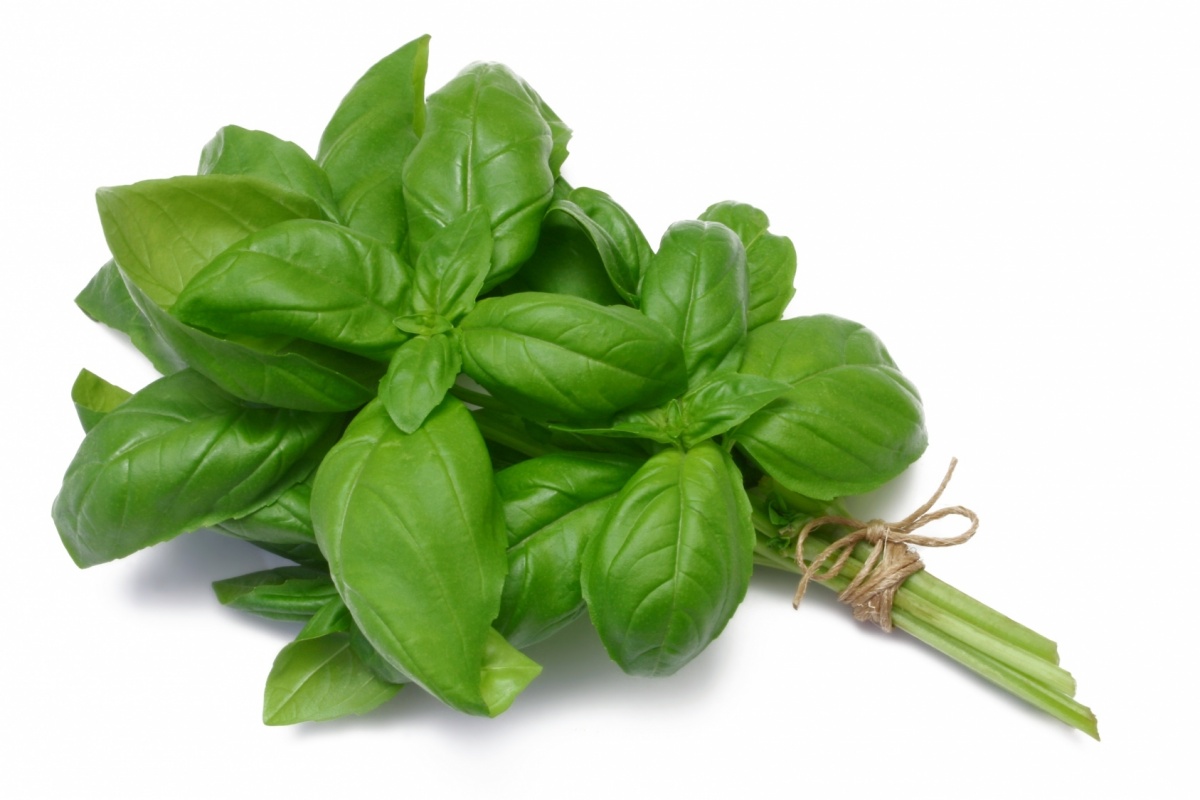
Content
Selecting a soil mixture and planting containers
How to grow basil on a windowsill? It's important to keep in mind that you can grow basil not only in store-bought soil. It's also possible to grow the plant in regular garden soil. However, using soil from your garden requires the addition of mineral fertilizers. Growing basil at home requires the use of:
- High-quality soil – a purchased mixture or fertilized garden soil.
- Seeds.
- Planting containers – if you plan to plant seedlings in pots, you can use regular plastic cups for sowing seeds. If you don't plan to transplant, it's better to use larger containers with holes in the bottom. This will prevent excess moisture from lingering in the soil. Therefore, growing plants in pots or plastic containers will be more productive.
- Drainage, which will make the soil more “airy”.
- Watering cans for convenient watering of crops.
- A water sprayer to moisten the green parts of the basil.
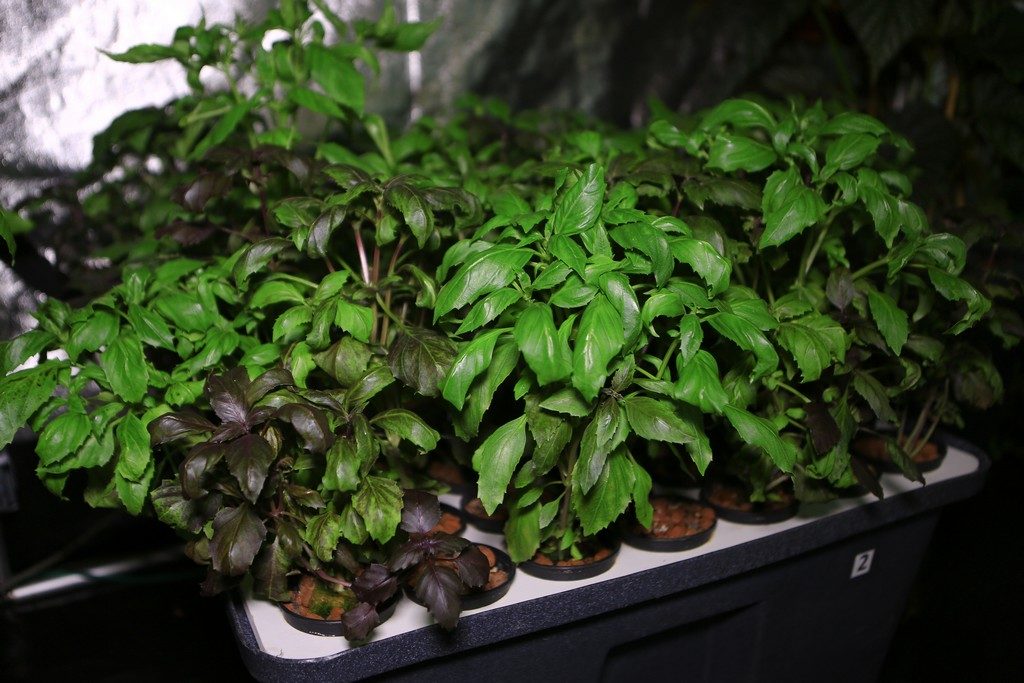
If you're growing herbs indoors in a ready-made potting mix, no soil preparation is required. Simply add a small amount of drainage material to the bottom of the container and fill it with soil.
If you're using soil straight from your garden, it's worth adding mineral fertilizer. The ideal soil for herbs is light, fertile, and, most importantly, airy and permeable.
You can prepare the growing mixture yourself:
- Mix peat, humus and soil in equal quantities.
- Mix coconut fibers and humus in double quantities.
- Mix humus and peat in a 1:2 ratio. Then add urea, superphosphate, and potassium sulfate.
- Mix some fresh compost with double the amount of soil.
Some gardeners recommend baking the soil from the garden bed in the oven on a metal baking sheet and then adding minerals. Seed germination will only be successful if drainage is provided. Otherwise, the crop will not thrive due to a constantly damp environment.
Preparation of planting material
Want to enjoy basil almost year-round? When growing basil indoors, you need to pay special attention to preparing the seeds for planting.
Proper seed preparation involves soaking the seeds in a potassium permanganate solution. The seeds are then planted in a prepared and moistened soil mixture to a depth of 1 centimeter. A distance of 10 centimeters between seedlings must be maintained. The "seedlings" should be carefully covered with cling film or regular cellophane and left in place until the first sprouts appear.
The most comfortable temperature for seed germination is between 22° and 28°. Under these conditions, sprouts begin to appear within a week.
Planting technology
Germination of almost all spice seeds is very slow and takes a long time. This is usually due to the formation of a film of essential oils on the seed. This impedes moisture penetration, prolonging the germination process.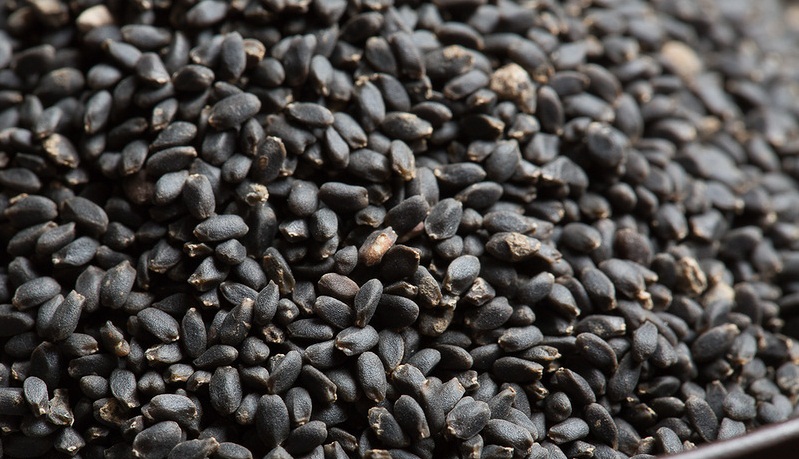
Therefore, basil should be planted only after the seed has warmed up. To do this, simply leave the seed in a warm place for a couple of weeks and then soak it in warm water for a day.
When sowing, you can place more than one seed in a hole. If they all germinate, the weakest plants will need to be removed.
Video: How to Grow Basil at Home
The video explains how easy it is to grow basil in urban conditions.
Care
For basil seeds to germinate, they require plenty of light and warmth. Therefore, care is considered one of the key components of successful cultivation. First, cover the seedling containers with plastic wrap or cellophane and leave the basil on the windowsill. Care for the plant requires maintaining a constant temperature of at least 23° - 24°. Remove the plastic wrap briefly every day to allow the sprouts to air out.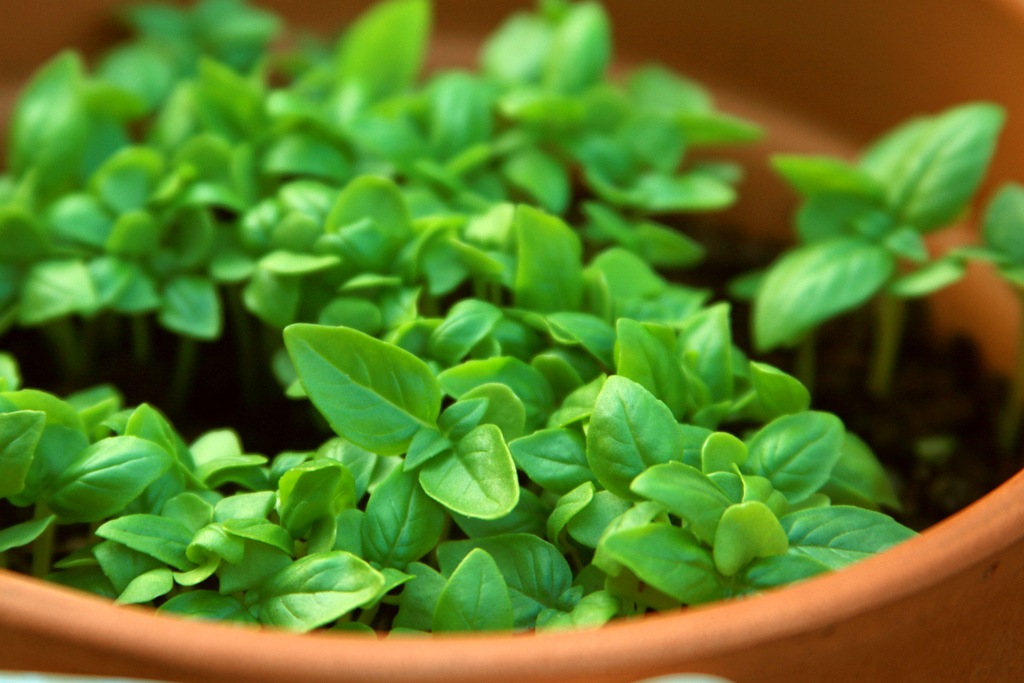
Seven to ten days after planting, sprouts begin to emerge. During this period, the film is removed, and the temperature is reduced to 20°C. It's important to remember that the plants are sensitive to drafts, especially in winter. Therefore, special care should be taken when growing them on balconies.
Caring for the spice requires providing it with maximum warmth and light. This is more difficult if the plant is growing on a north-facing windowsill. In this case, additional artificial light sources, such as fluorescent or LED lamps, will be needed. The plant requires 15 hours of daylight. If these conditions are not possible, sowing should be done in February or later.
Subsequent plant care includes regular watering and loosening the soil. The spice should be watered every morning, and in hot weather, this can also be done in the evening. Water the plant only with warm water. After side shoots form, they should be fertilized with an organic fertilizer.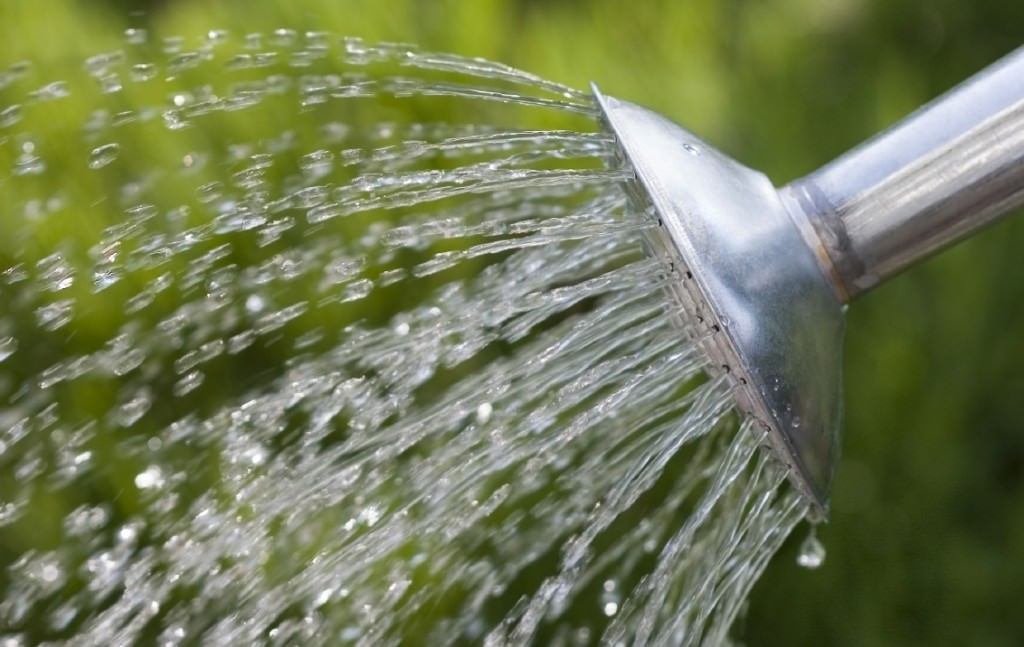
Harvesting
Care for the crop ends with harvesting. A couple of weeks after planting, the greens become a fragrant bush. The tips of the young stems should be used for food. This harvesting technique prevents the plant from branching and flowering. After all, a flowering herb is unfit for consumption.
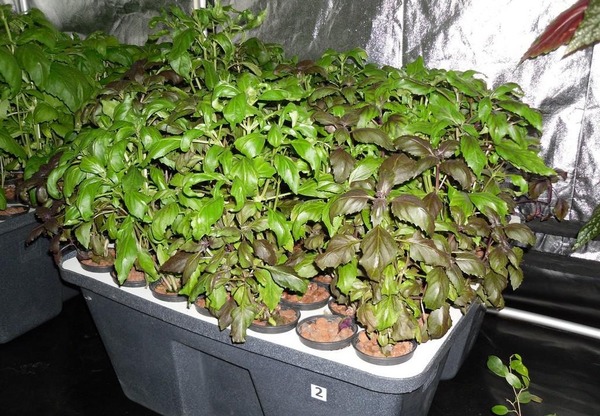
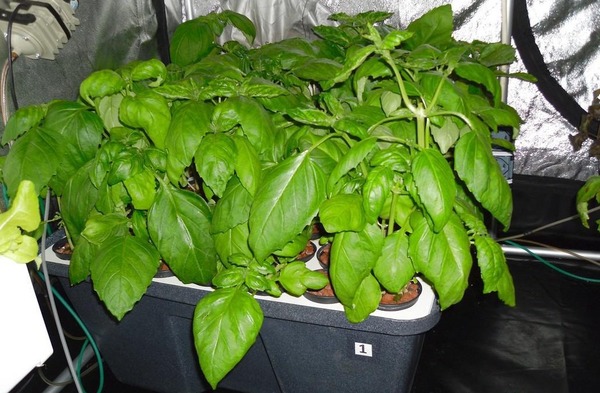
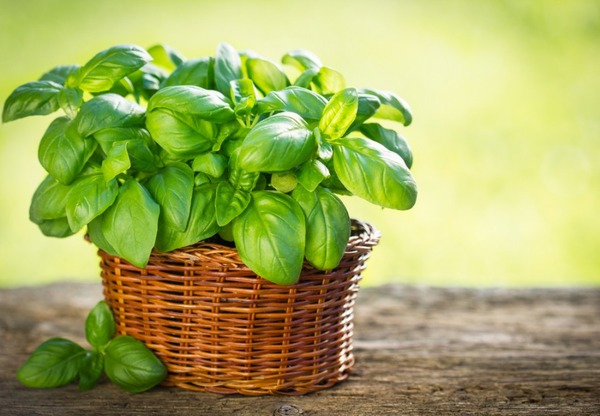
So, basil can be grown even in winter on your windowsill. Planting the plant is quite simple, and it's undemanding. So, anyone can grow this herb. The only thing you need to worry about is caring for it, as it requires a lot of warmth and light.
Video: Growing Fragrant Basil on the Balcony
In this video, city residents share their experiences growing basil on their balconies.