
How to properly dry and store mint
Content
Drying mint correctly
How to dry mint properly? Before drying mint, it needs to be prepared. To do this, simply:
- Wash the collected greens thoroughly in cold water (preferably under the tap);
- Dry the collected plants on paper towels in a place out of direct sunlight. This process takes several hours. If you have a centrifuge, it's best to use it for the initial drying.
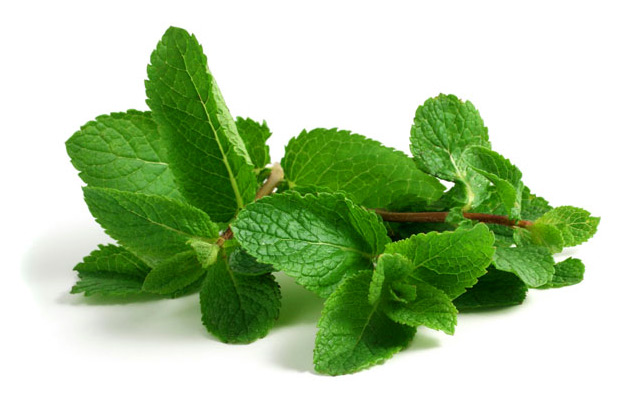
Now you can begin the main drying process. How to dry mint properly?
First, the collected plants should be formed into small bundles and lightly tied (only if the plant's leaves were collected along with the stems). This procedure will ensure air circulation to each individual plant. The finished bundles should be hung on ropes or special supports.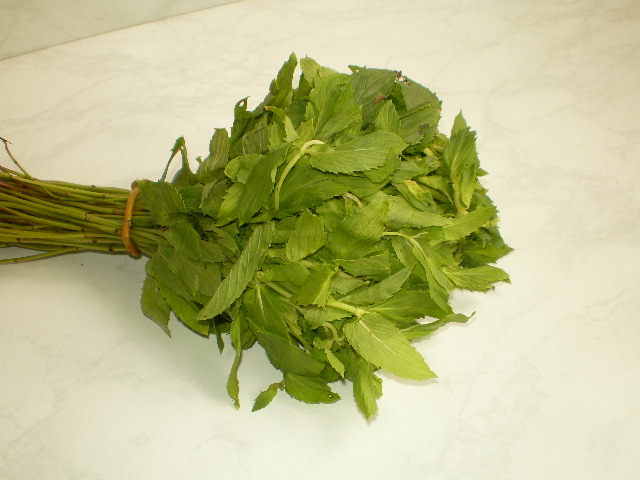
To dry individual leaves, spread them out in a thin layer. Use paper or natural fabric as a base. How do you keep mint intact while drying? And most importantly, where? You can place the plants high up, such as in a closet, or even indoors (in the kitchen or bedroom). You can also store them in an attic, balcony, or shed. Regardless of the location, however, proper ventilation is essential.
Mint should not be stored in dusty areas. Direct sunlight should also be avoided, as this will destroy all the beneficial substances in the plant.
To protect the dried material from the sun, you can use paper or newspaper covers. They can also be used to wrap bunches of plants. However, in such homemade devices, the plants should be freely positioned, and there should be no evaporation within the structure. High humidity in the air can cause rotting of the plant organs.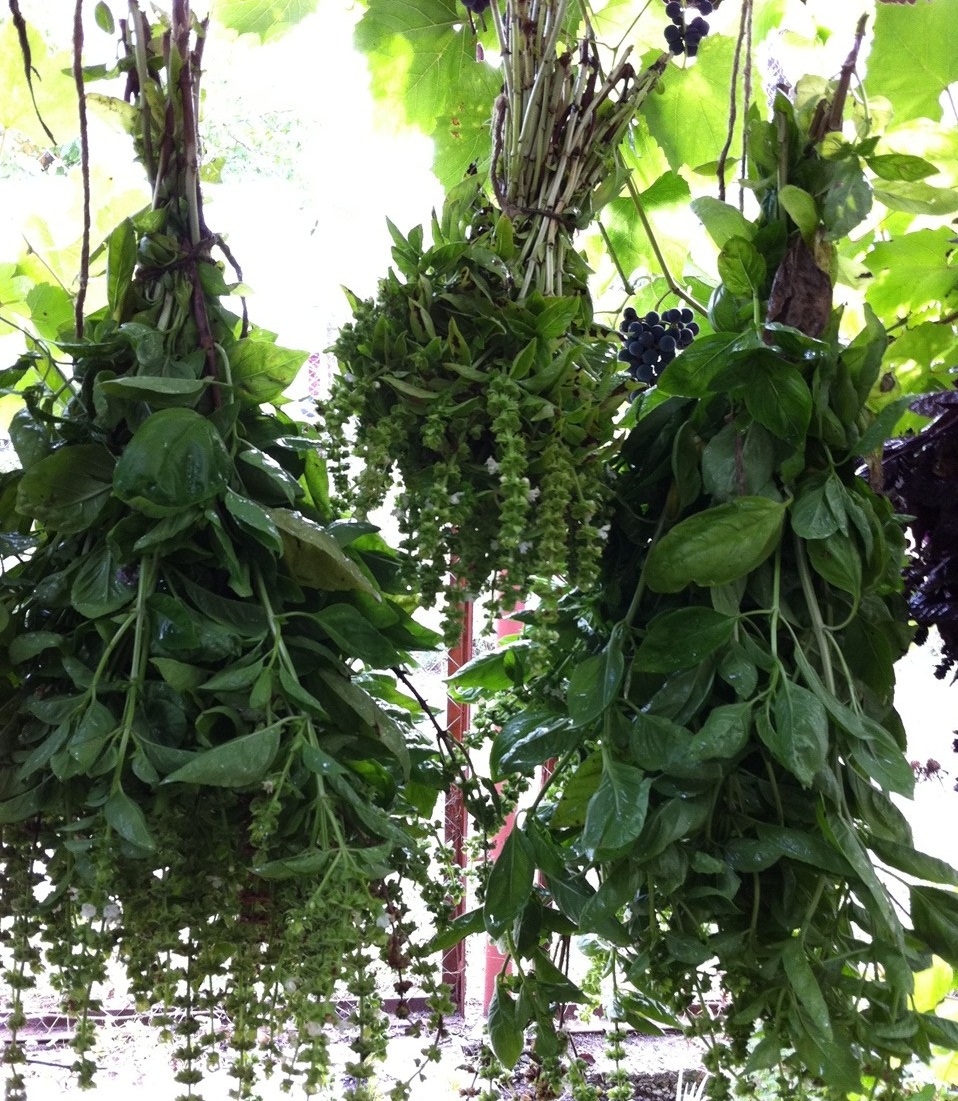
Turning the leaves periodically helps dry them. The ideal temperature for this process is between 20°-30°C.
If the procedure is planned for tea, drying can be done using several different plants at once. This will make the resulting tea even more flavorful and beneficial. Mint leaves and raspberry, cherry, or currant leaves pair well. The procedure is the same as described above.
Video "Secrets of Drying Mint"
In this video, you will learn about methods for drying mint for the winter.
Is accelerated drying acceptable?
Today, most fruits stored for winter are dried in ovens, stoves, or special devices called electric dryers. These days, all these devices are readily available at specialized retailers or online. But is it possible to harvest herbs using this accelerated method? In theory, it's possible, as long as the temperature doesn't exceed 30°C.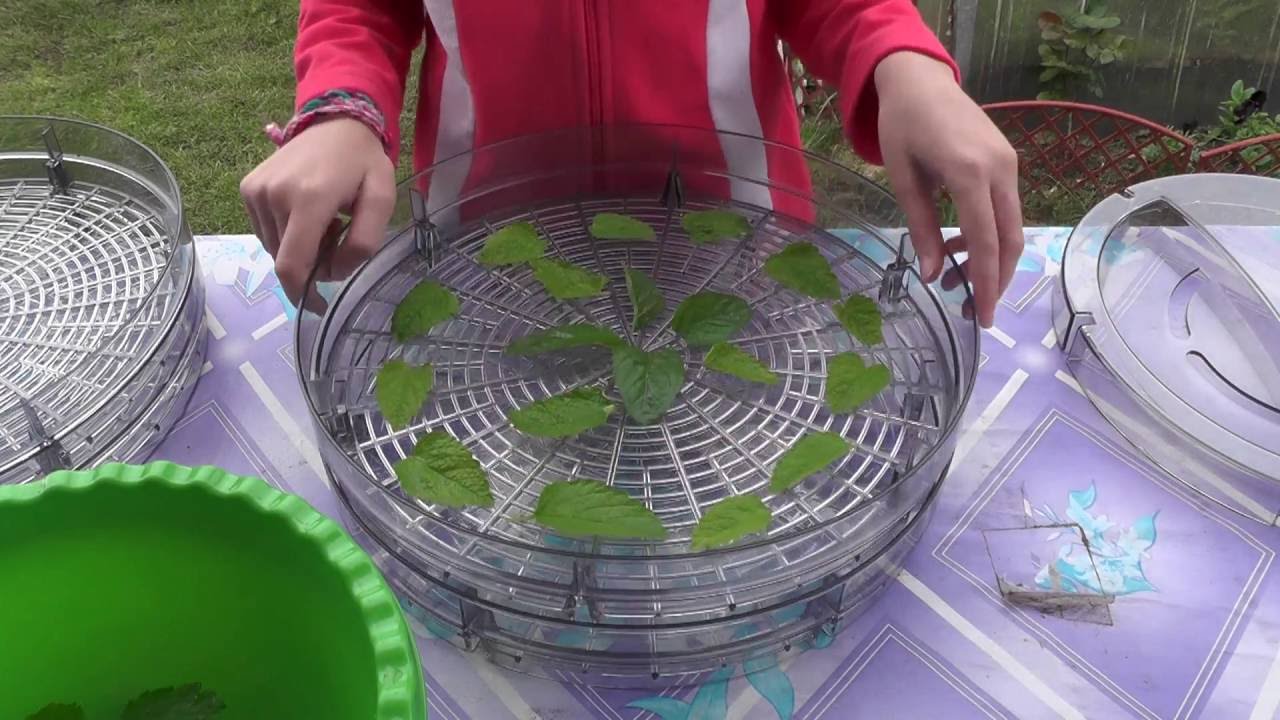
Any increase in temperature has a detrimental effect on the taste, aroma, and nutritional value of the crop. However, greens are generally harvested in late July and August, so maintaining the correct temperature is not necessary. It is already within the ideal range. Therefore, accelerated drying may only be necessary during cool summers with heavy rainfall.
Storing dried mint
How to store mint after drying so that it doesn't spoil and lose its essential properties?
Drying the herbs typically takes no less than a week. You can tell by touch that the herbs are dry enough and ready for storage. If the leaves rustle, they're easy to separate from the stems and crumble. This spice can be transferred to special containers for long-term storage.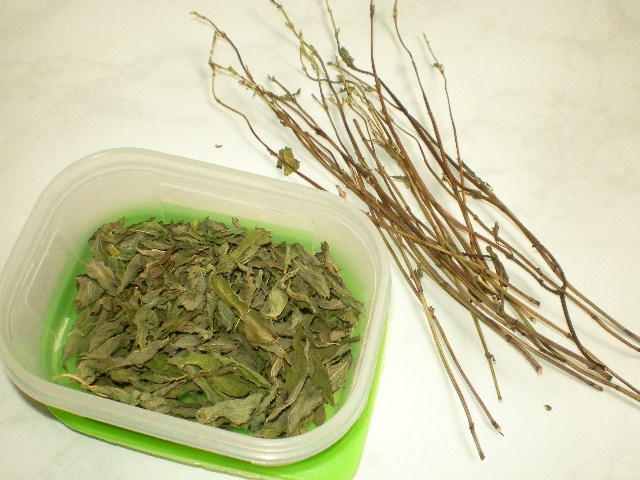
You can save space by simply crushing the spice or grinding it into powder. However, to preserve its unique flavor and aroma, it's best to store the dried material whole, along with the leaves and shoots.
The best option for storing spices is glass jars with screw-on lids or bags made of natural materials, preferably cotton or linen.
You can use airtight ceramic or wooden containers, vacuum-sealed bags, or zip-lock bags. However, it's best to avoid artificial materials like plastic or cellophane, as they absorb large amounts of essential oils. Therefore, avoid materials like paper or cardboard.
Properly packaged mint should be stored in a dark, damp place, away from heat sources. The plant's excellent properties can last for about a couple of years, regardless of environmental conditions. Therefore, it's always a good idea to mark the preparation date on the packaging and periodically inspect all supplies. Any stale mint that you don't want to throw away can be added to your bath. This simple mixture is very beneficial for your skin.
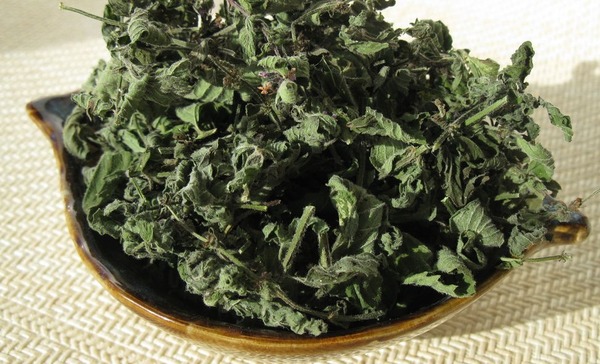
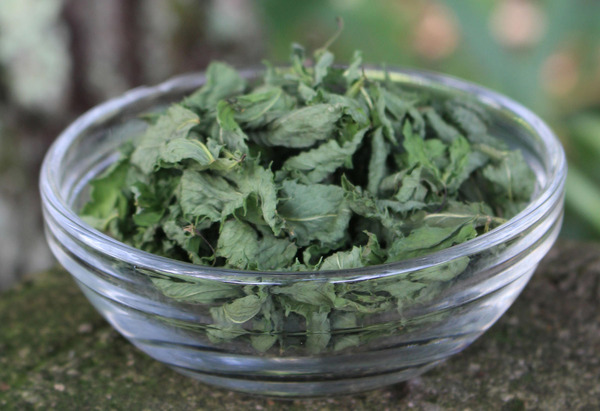
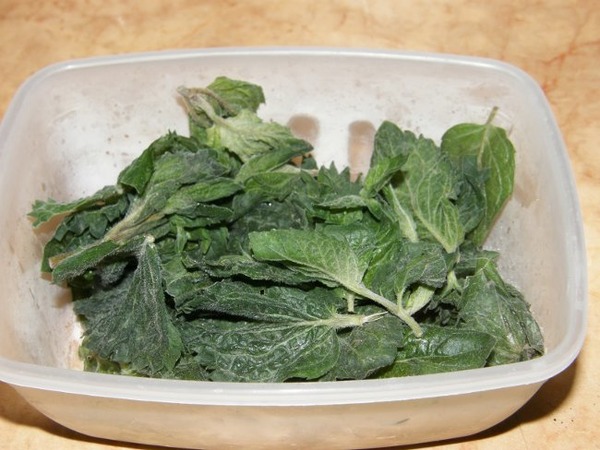
So, mint is a useful plant that stores well when dried. Dried mint has a wide range of uses. It can be used for medicinal purposes, to strengthen hair, and to nourish skin. And what a delicious and aromatic mint tea! It's also excellent for calming and strengthening the nerves. Crushed dried leaves are used as a spice in various dishes. This "seasoning" will impart not only a pleasant aroma but also a piquant flavor. So, be sure to grow and harvest mint. Especially since it's so easy!
Video: How to Properly Store Mint
This video will reveal the secrets of properly storing mint.