
How to properly dry basil for the winter
Content
Benefits and harms
Today, there are over 130 known varieties of basil, each of which is extremely beneficial. Its health benefits stem from the plant's unique composition, whose juice contains over 1.5% essential oils, phytoncides, carotene, rutin, as well as vitamins A, C, E, PP, B2, and folic acid.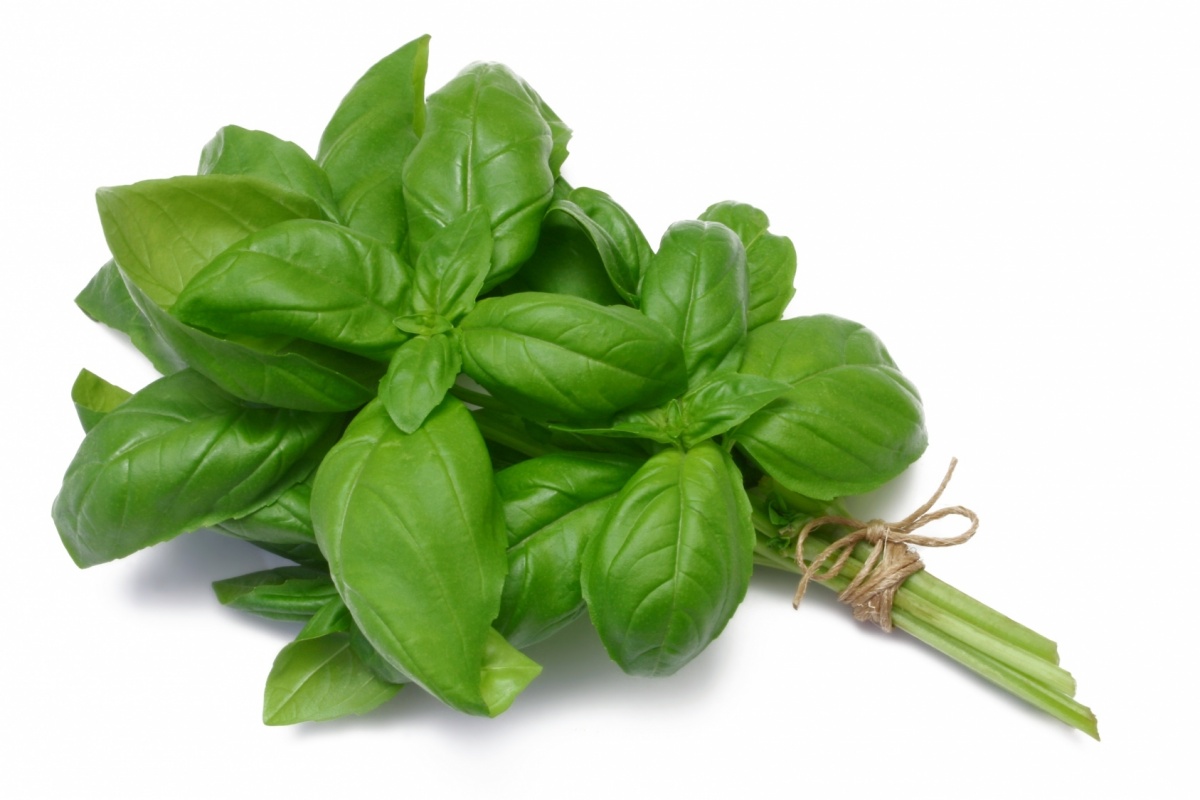
During flowering, the plant is rich in ascorbic acid, and its seeds are enriched with essential oils, which is why it is gaining increasing popularity in the pharmaceutical, perfume, and culinary industries.
Due to its unique composition, this plant is considered very beneficial. Its beneficial properties include: immune strengthening, bactericidal, antiviral, antipyretic, antiseptic, and antifungal effects. This plant is highly effective in treating upper respiratory tract inflammation. Improvements in asthma, elimination of bad breath, strengthening of gums, and anti-caries effects have been noted.
Effective against flatulence, improves sleep, prevents the formation of kidney stones, reduces cholesterol, and relieves toothache.
Despite the many beneficial properties, there are also contraindications to the use of this culture: any blood diseases, epilepsy, diseases of the cardiovascular system.
Since the plant's organic composition, along with numerous beneficial substances, also contains mercury, consuming it in large quantities is dangerous. The essential oil of this plant should be used with extreme caution. Avoid chewing fresh leaves for prolonged periods of time for medicinal purposes; prolonged contact with the plant's sap is harmful to tooth enamel.
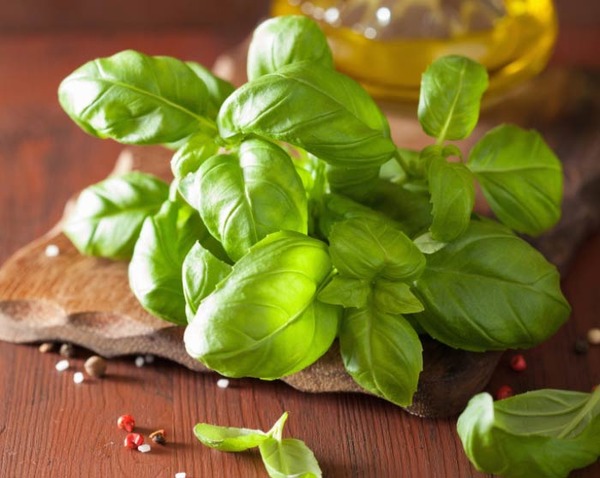
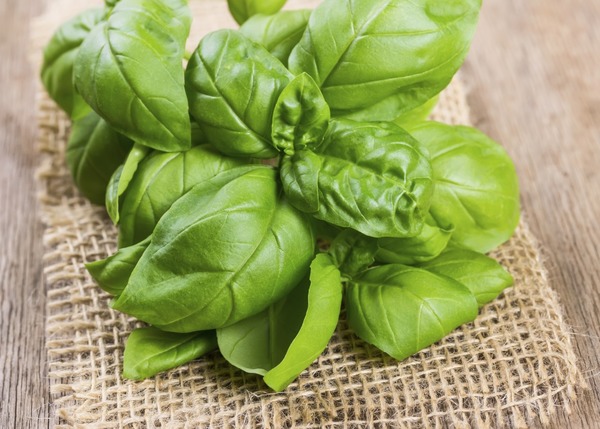
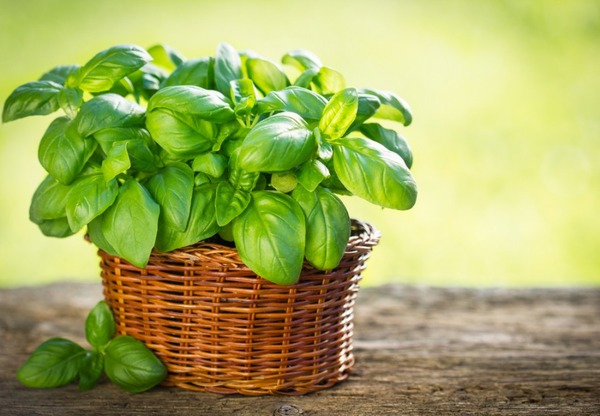
Thus, taking into account the benefits and harms of the crop, using it in moderation, you can achieve maximum benefit from such aromatic greens.
Video "Benefits and Harms"
From this video you will learn about the benefits and harms of this greenery.
Preparation
Properly dried herbs retain virtually all of their beneficial properties. Therefore, it's crucial to know how to dry basil at home. This way, you can enjoy these healthy purple and green leaves even in winter.
How to dry basil? Typically, it's dried in a variety of ways: in an oven (gas or electric), in a microwave, in an electric dehydrator, and in the open air.
The plant's leaves are cut throughout the entire growth period, both before and during flowering, when the plant contains a greater amount of microelements and essential oils, and its stems have not yet become woody.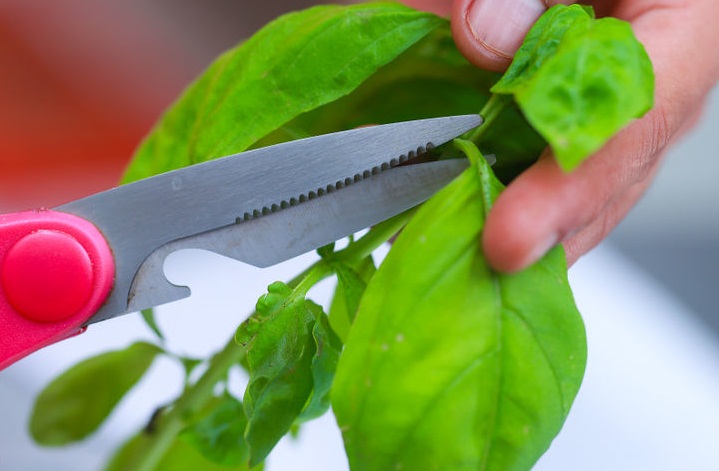
Typically, basil plants are harvested twice: in July and in the fall, when the second harvest is formed. Basil is prepared not only by drying but also by freezing. Before drying, the plant is washed, chopped, the leaves are torn off, and bunched. Dried basil loses over 80% of its moisture.
It is best to collect the plant for preparation in the morning, after the sun has dried the dew on the plants.
Drying in bunches (bush)
Drying basil in bunches (or bushes) is done by hanging it in a ventilated, shaded area. An attic or shed can also be used for this type of drying.
The plant bunches are suspended at a distance, without touching each other. To do this, first form the branches into bunches and secure them with rubber bands and thread.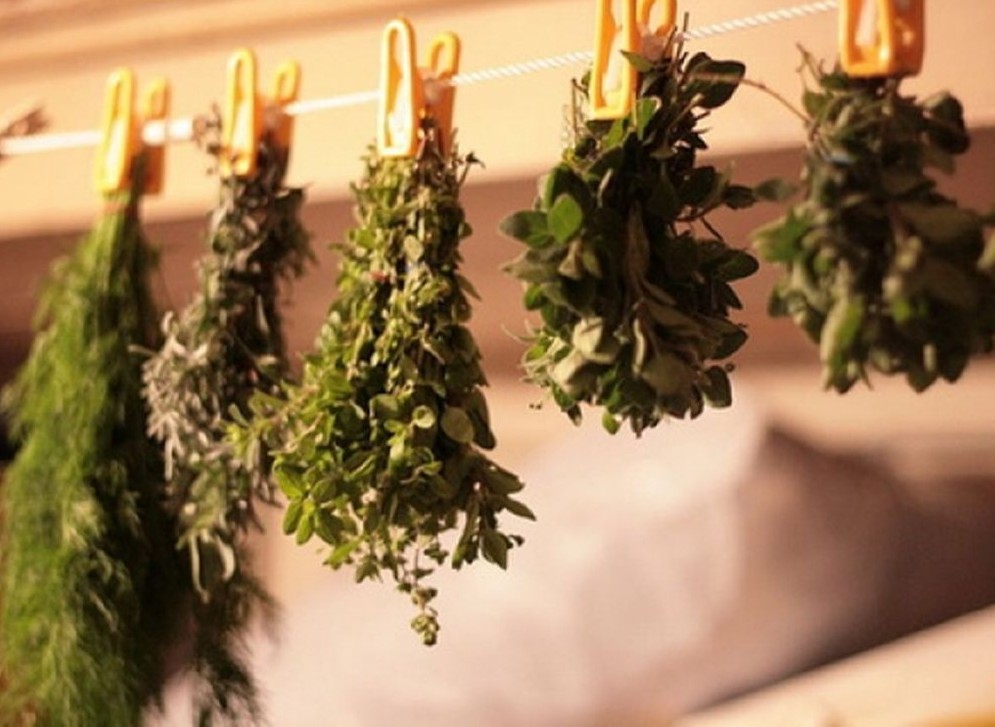
The hanging bunches are dried for about two weeks.
The plant is ready when the leaves are so dry that they break off and fall off, and the branches snap when bent, which means the plant is dry and ready for storage for the winter.
How to dry with a sheet
The most popular method is drying basil in natural conditions.
If you choose to dry greens in leaves, without shoots and twigs, then you first need to prepare the leaves.
They are carefully cut or torn from the branches, laid out in a single layer on natural fabric, gauze, window screens, and towels.
Since the leaves will be drying for more than two weeks, they need to be protected from dust and gusts of wind.
However, air circulation must not be obstructed, so cheesecloth is ideal for this purpose. Covering the herbs too tightly will cause the leaves to wilt, and the taste and smell will become unpleasant.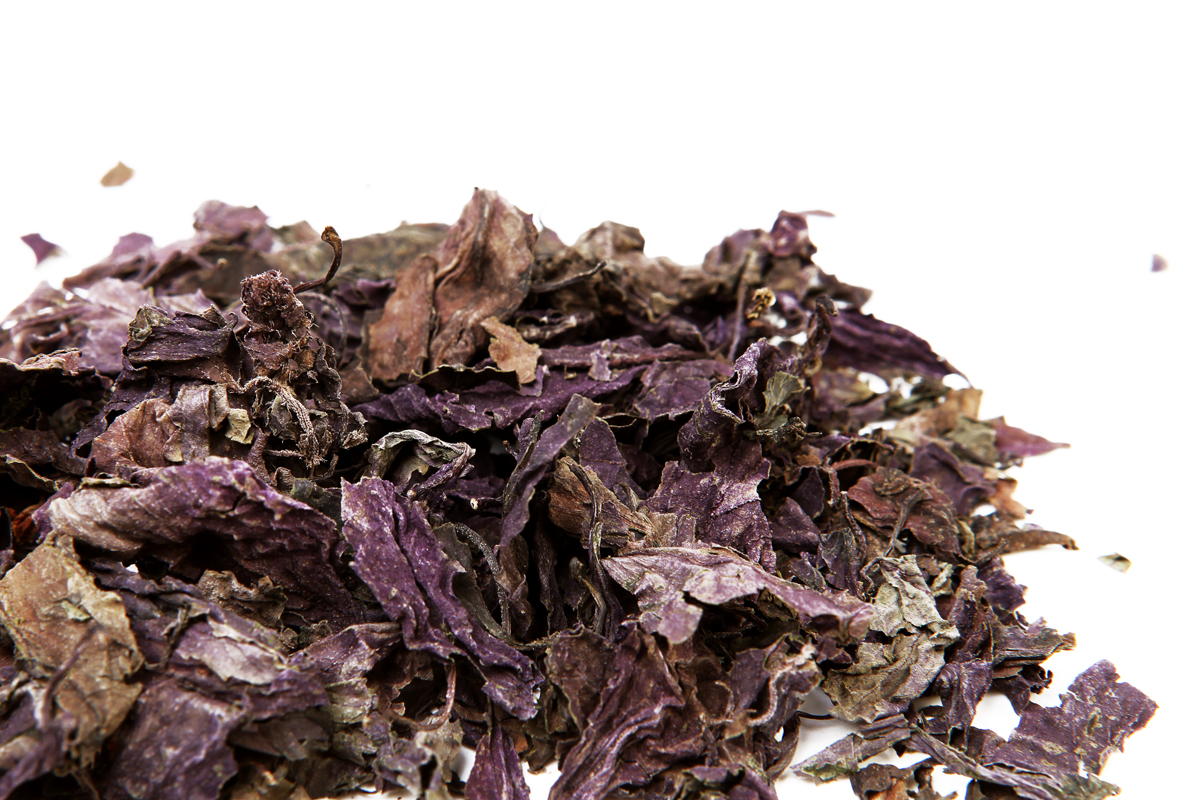
Drying basil leaves in the refrigerator is a relatively new method that is gaining popularity. It involves spreading the leaves in a single layer on paper towels or plastic trays. The low temperature in the refrigerator draws out moisture, and the leaves are completely dry in 6-8 days. This drying method perfectly preserves the plant's color and aroma, and therefore all its beneficial components. Depending on the cooling rate, the leaves are completely dry in 5-7 days.
Electric dehydrators for vegetables, fruits, and herbs have become popular recently. Preparing basil leaves in an electric dehydrator is a quick and effective method.
Ovens are also used for drying herbs. Place the chopped leaves, spread in a thin layer on a baking sheet, in a preheated oven.
Basil can also be prepared for the winter using a microwave. To do this, spread the washed and dried leaves in a thin layer on a plate. Microwave the plate at full power for 1-1.5 minutes. Don't try this unattended the first time, as the time will need to be adjusted individually. This method is quick and effective, preserving the aroma and beneficial properties of the herbs while minimizing the time required.
How to store
Once you've decided on a method for drying basil, and the herbs are ready for winter storage, there are a few rules to follow for storing dried basil.
On average, it takes between 1 and 15 days to prepare dried herbs, depending on air humidity and the drying method.
Basil dried in sprigs is prepared for winter as follows: remove all the dried leaves, discarding the branches and shoots. If large leaves were dried separately, they are crushed slightly; the dried leaves can easily be ground into a fine powder between your fingers.
Dry leaves should be stored in a cool, dark place in a tightly sealed container, preferably a glass jar or a natural fabric bag.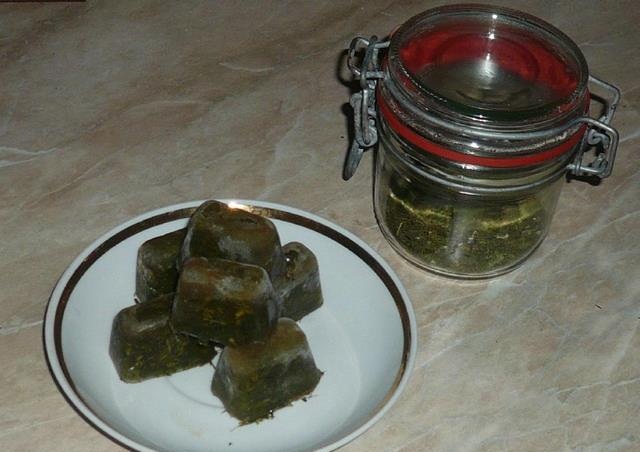
You can store it in paper bags or a plastic container, but make sure it is not constantly exposed to air, otherwise the basil aroma will evaporate.
Freezing
You can freeze basil like this:
- collect fresh leaves with thin stems;
- wash and pat dry with a paper towel;
- chop with a knife or blender;
- drizzle with a small amount of vegetable oil (olive or sunflower);
- pack into individual portions in sealed bags;
- Place in the freezer, turn on the quick freeze mode.
You can also freeze the basil whole, after washing and drying it. Place the basil sprigs or individual leaves in a freezer-safe container, spacing them apart. After a while, when the leaves have frozen slightly, place the basil in bags, pressing out any excess air, seal them, and return the frozen basil to the freezer.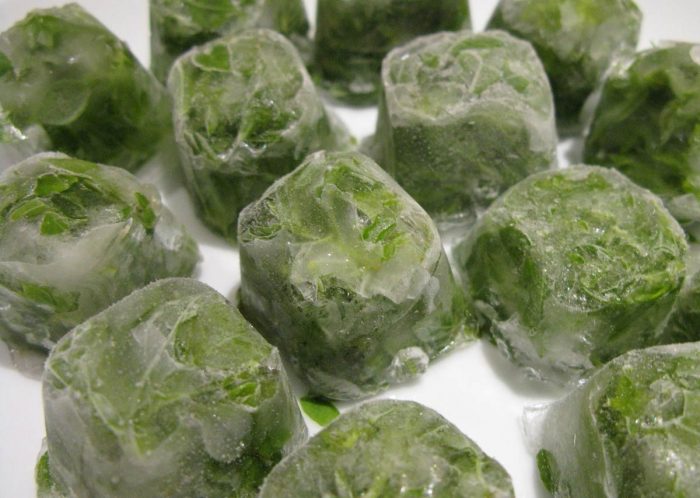
Basil is also frozen in ice cube form. Finely chopped basil is placed in ice cube trays, covered with water, and placed in the freezer on the fast-freeze setting. Once the basil has frozen solid, remove it, place it in airtight bags, and store it in the main freezer compartment.
Basil harvested for the winter is perfect as a fragrant seasoning for preparing various sauces, soups, and vegetable purees.
Video "How to Dry"
This video will show you how to dry this aromatic spice.