
How and when to harvest coriander seeds?
Growing seeds
How many wondrous discoveries await us as we delve into the mysterious world of gardening! For example, someone whose life has been inexorably transformed by a dacha will one day discover with surprise that coriander and cilantro are one and the same. Yes, indeed! That is, the store-bought seasoning in packets with tiny seeds labeled "Coriander" and the bright green tufts of pungent-smelling herb at the market are the same plant. To be completely precise: while it's just a garden herb, it's called cilantro; when it's a seed-bearing plant, it's called coriander.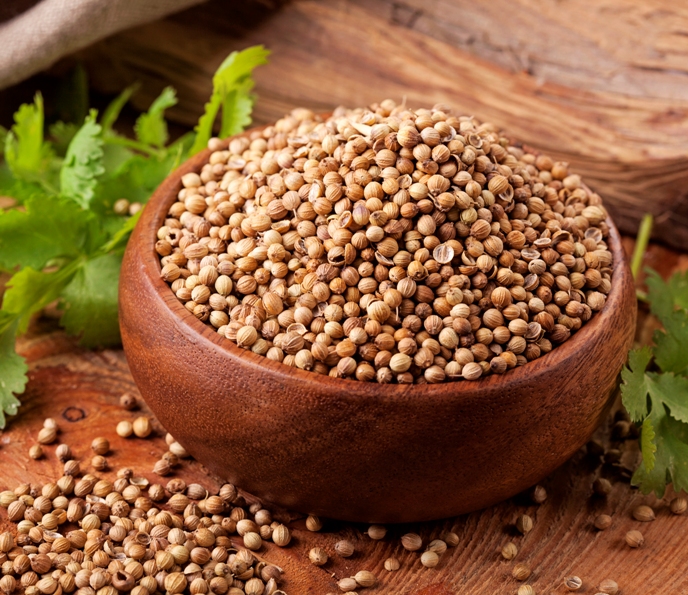
Cilantro isn't your run-of-the-mill parsley, though it looks similar. Nor is it like dill, which everyone routinely uses, adding it to soups and salads. This herb is provocatively unusual. Some people are obsessed with its unique aroma and flavor, adding it to everything, even compotes. Others shudder in disgust at the very same taste and smell, unable to understand how such a thing could exist on the table.
If you're one of those who understands and appreciates the charm of the unearthly flavors of cilantro and coriander, you'll surely want to always have it. Not bought from someone else, but your own, homegrown, grown with your own hands.
Then you need to know that growing coriander for its own sake and growing it for seed are two very different things. It grows simply and effortlessly, like any small garden herb.
If you are going for seeds, you need to meet the following requirements:
- Shaded areas are not suitable for coriander;
- choose a place on a plain or on a hill;
- the best option is a plot where something has already been grown - and for more than one year;
- such a site will also have to be thoroughly dug up - it should be very loose;
- compost will need to be added to the soil.
Plots previously used for growing legumes, potatoes, and grains are preferable. Unsuitable are plots where late cabbage, carrots, and herbs (parsley, anise, celery) were grown. These crops will deplete the soil of nutrients needed by coriander.
Here, in this sunny, carefully tended meadow, the coriander will bloom well – and therefore bear fruit well.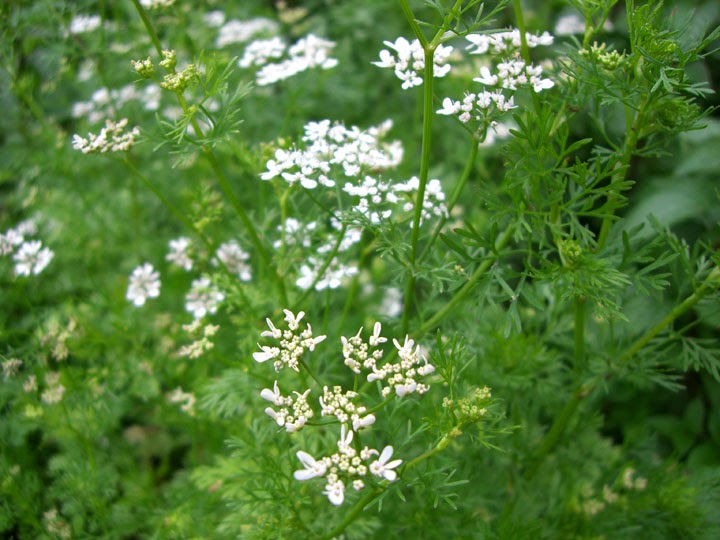
Before planting, coriander seeds should be thoroughly rinsed—not just in cold water, but in cold running water. This is because these tiny seeds contain a whole host of essential oils. Such a high concentration can prevent the cilantro from sprouting properly. After "bathing," it's a good idea to warm the seeds for 3-4 days.
The best time to sow is spring, when the soil still retains moisture from melted snow. Cultivators recommend sowing cilantro in rows, with a spacing of 30-45 cm between rows. Strip sowing, with a half-meter gap between rows, is also successful. During the growing season, cilantro needs plenty of water, so make a rule of watering your planting once a week, or at most every 10 days. Seedlings will appear in about two weeks. Once stems and flower stalks begin to form, skipping watering is unacceptable. Mulching the soil during this time also helps retain much-needed moisture. This moisture is essential for the seeds to set when the weather is warm.
Video "Growing"
This video will show you how to grow this aromatic herb.
Care
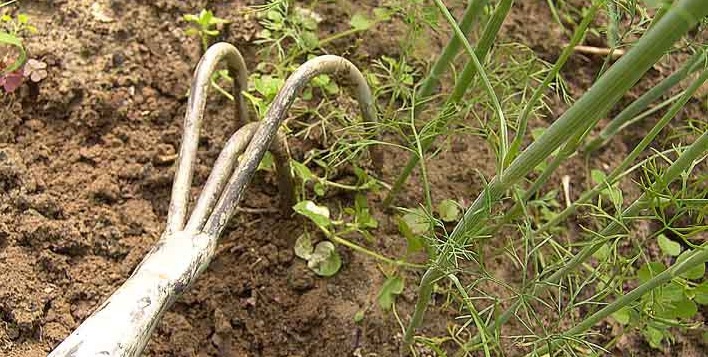
Cilantro requires careful, yet traditional, care. Its needs are similar to those of parsley and dill. Of course, regular and timely watering, cleaning, and loosening of the soil are essential. Loosening the soil is essential five days after sowing and again ten days later.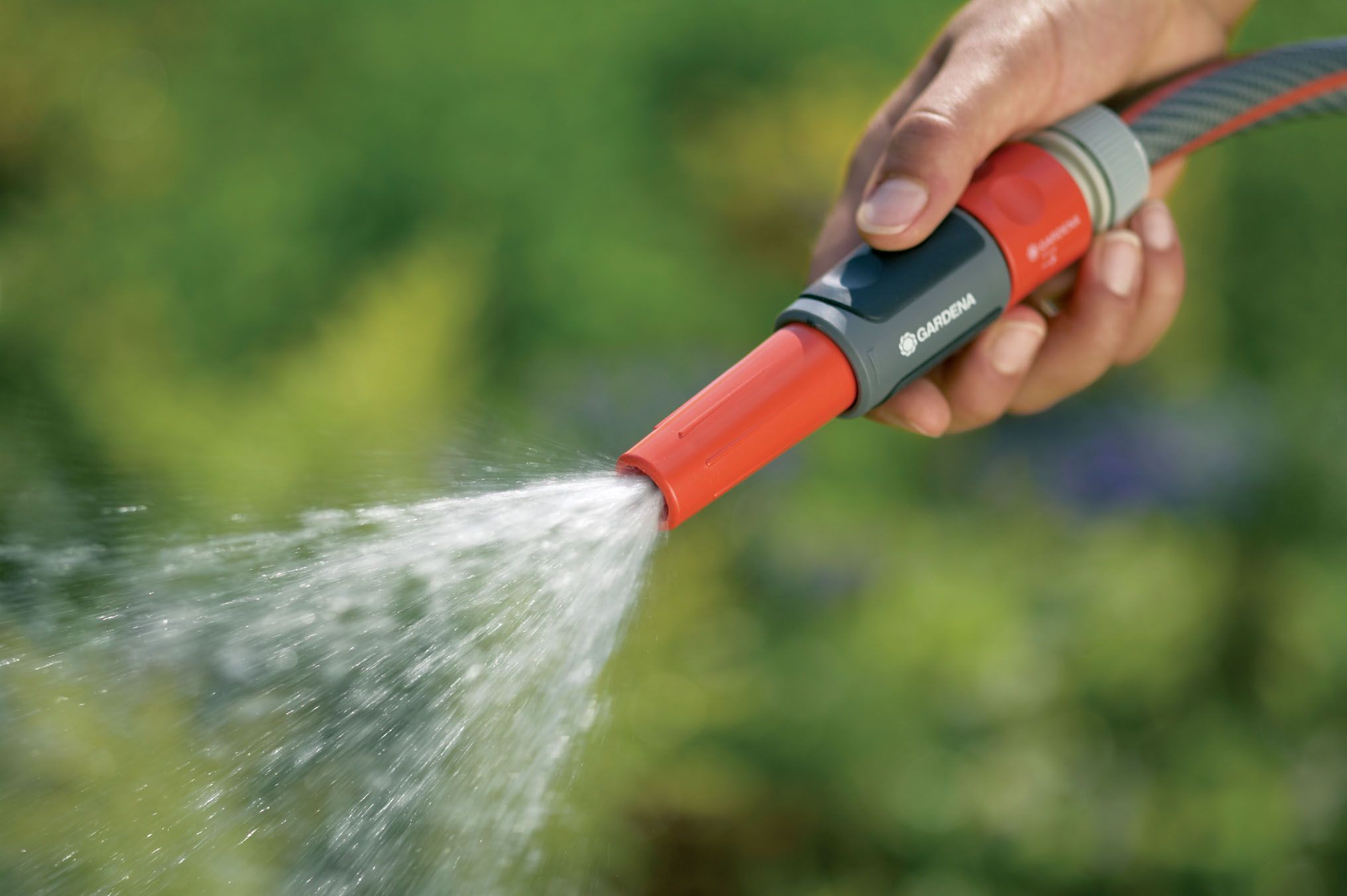
And thinning. Cilantro grows quite vigorously. Every gardener knows: overgrowth is not good for any crop. It's important to leave the strongest plants and ensure they grow normally, receive adequate nutrition, and receive the necessary amount of sun and fresh air. The optimal distance between them is up to 20 cm.
Protecting coriander from pests is an important part of care. It can be attacked by parasol moths, coriander seed beetles, and parasol and striped bugs. Other pests can gnaw at the stems and damage the root system. But, of course, the most real threat is the coriander seed beetle, which destroys the seeds. How to combat it? Agricultural experts recommend stocking up on specialized chemicals that kill sucking pests and spraying the coriander with them in early spring.
Coriander fruit blackening is a common disease. This can lead to a complete loss of the seed harvest. How can you save it? Systematic preventative measures are essential. This should be undertaken while you're still planning what you'll plant in the garden next season. After harvesting the coriander, dig the plot deeply, thoroughly burying all plant debris. Waste from threshing the seeds should be burned. And, of course, it makes sense to plant only the most resilient varieties, those least susceptible to disease.
In fact, prevention is the key to combating any ailments that can affect coriander. Use basic agricultural techniques:
- observe crop rotation;
- perform deep digging of the area;
- remove and destroy plant debris;
- Regularly clear the garden bed of weeds.
It's quite possible that lush, curly bushes of fresh greenery will make you want to pick some cilantro for the table. Don't be tempted! It's one of two things: either the herb or, eventually, the seeds. A single plant can't provide you with both the seasoning and the seeds. However, a Solomonic solution is literally right there: start two beds. "Grab" one, and keep the other until autumn.
The bushes you're growing for seed shouldn't be touched at all. Don't pluck their leaves, and especially don't cut anything until it's time to harvest. If you pluck the shoots, they won't bloom—and consequently, no fruit.
After a while, the plants will begin to bloom. You'll see pretty little flowers appear—white or slightly pinkish umbels. This is a sign: it's time to harvest.
Collection and procurement
After a short time, the cilantro seeds will turn brown. That's it, time to harvest!
Now comes the most practical question: how to harvest these tiny grains? They look so tiny that it seems like the harvest must be done under a microscope.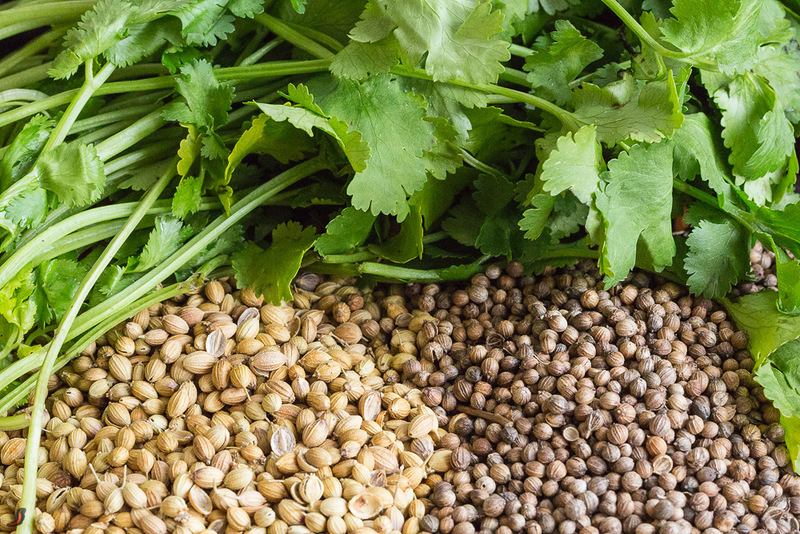
It's not really that complicated. The technique is, you could say, primitive. The bushes are carefully cut right down to the root, so to speak. And then we tie small bunches. Next, you'll need a quiet, wind-protected room—an attic, for example. Here, you need to cover the floor with oilcloth or fabric, and hang the bunches above it. That's it; now they'll just fall off.
However, not all of the harvest will fall out on its own. After two weeks, shake the bunches to manually extract the remaining seeds. Now all that's left to do is collect them and sift them.
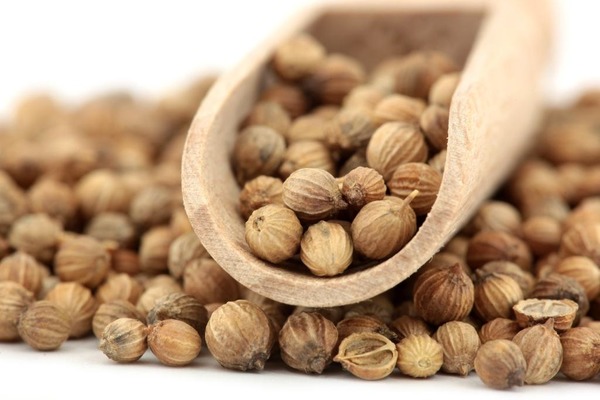
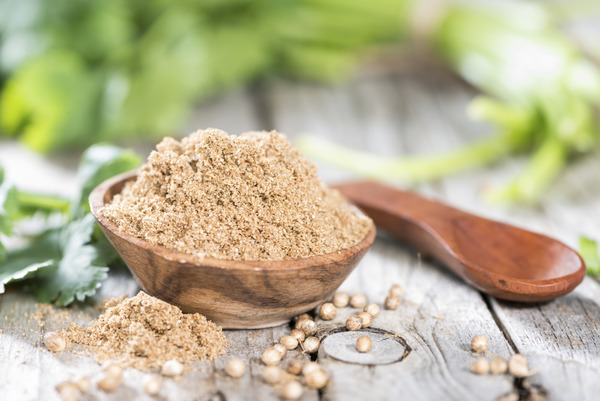
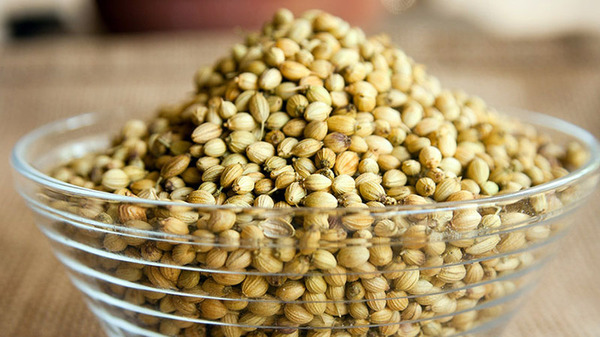
If you've grown seeds for seasoning, store them in jars. No other special treatment is required; they're suitable for use in the kitchen. If you need them for sowing, pack them in paper envelopes and store them until the next season. Just remember: their maximum shelf life is two years.
However, coriander can handle sowing on its own. You don't need to do anything—just let the ripe seeds fall into the ground. And next year, you'll see a vigorous, green shoot of fresh cilantro—future coriander.
Video "Seed Collection"
This video will show you what to do and how to harvest coriander seeds.