
How to plant dill correctly
Content
Features of growing dill
Before planting a crop, it's important to understand its characteristics. This is the only way to achieve the best possible results. Specific characteristics of dill include:
- A strong “love” for light (both natural, solar, and artificial);
- Grows only in well-watered soil;
- Resistance to low temperatures;
- Grows quickly in nutrient-rich soils;
- Dill takes a long time to germinate because its seeds contain a large amount of essential oils.
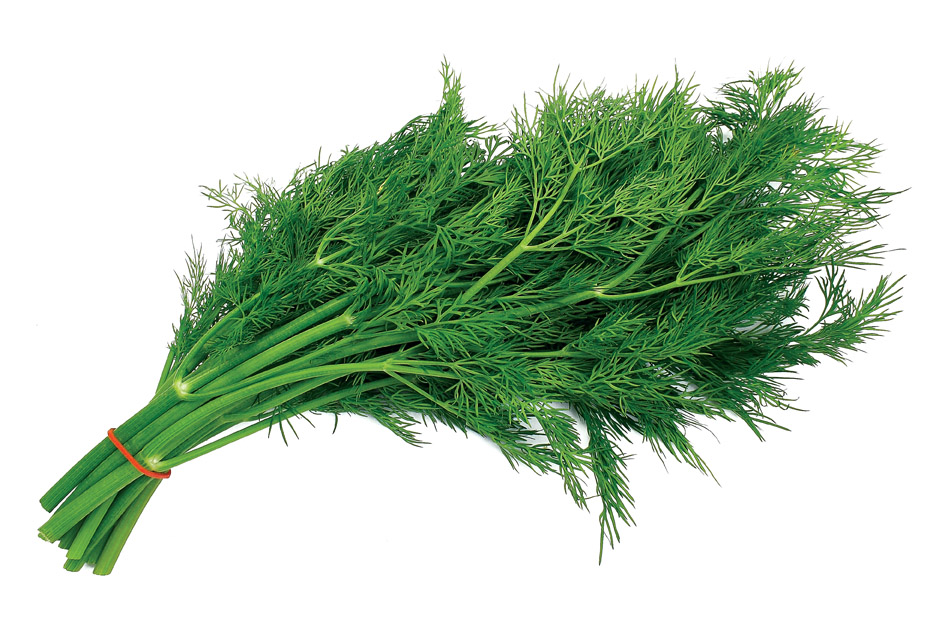
All these characteristics of the herb must be taken into account to plant dill correctly. After all, knowing the crop's specifics allows you to choose the most suitable location for the bed and identify key planting considerations.
Video: How to Grow Fragrant Dill
This video shows you how to grow fragrant dill from seeds.
Seed preparation
How to plant dill correctly? First, prepare the seeds. Seeds that have overwintered in the soil germinate more quickly than those sown in the spring. This phenomenon is easily explained by the presence of essential oils in the seeds. These substances can cause the seeds to germinate late. Therefore, before sowing, it's essential to properly prepare and soak the seeds.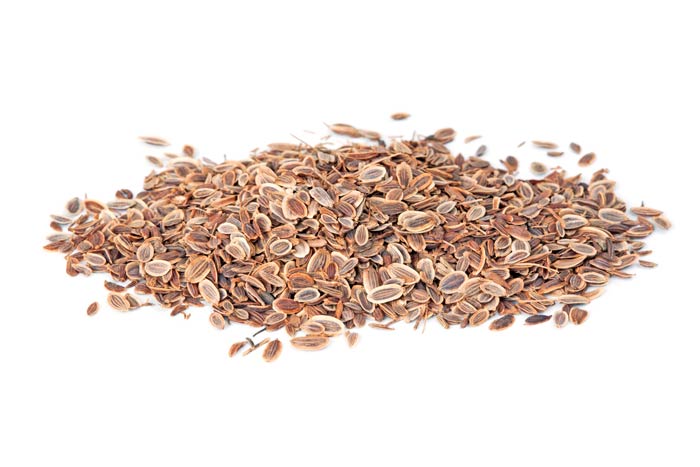
To disinfect the seeds and speed up their germination, place the seeds in cheesecloth and soak them in water. How long does this process take? Soak the seeds for three days. The water temperature should be 50°C. Change the water about five times a day, or roughly every five hours. This is because water tends to settle.
Once the treatment is complete, the seeds can be placed in the same gauze bags that were disinfected. Cover the seeds with a damp cloth or sawdust and leave them there for several days. The air temperature should be at least 20 degrees Celsius (68 degrees Fahrenheit). The procedure is complete when the first sprouts appear. Only seeds that have been allowed to dry for half an hour can be sown. The soil should be thoroughly moistened.
You can also use hydrothermal aeration and seed bubbling in oxygen-rich moisture. At home, you can use an aquarium compressor.
If you want to harvest dill as early as possible, try growing it as seedlings on a windowsill. Once the sprouts are large enough, they can be planted in open soil, approximately 35 days after sowing. This growing method is more difficult, but it allows you to save on seed and produce high-quality, dense greens.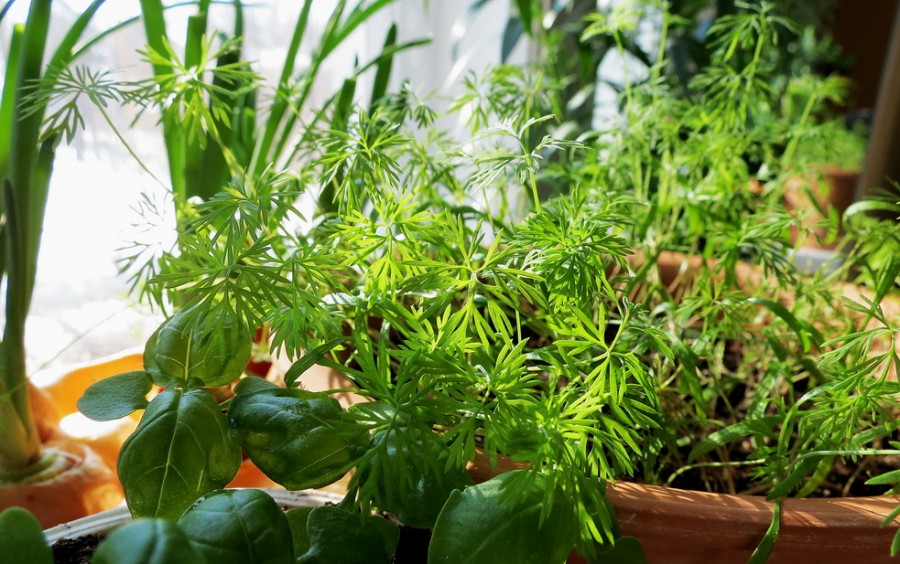
Timing and technology of planting
Dill tolerates low temperatures and even frosts around -4°C (33°F). Seeds can be sown in mid-spring, after the snow has cleared. The first shoots emerge at 3°C (37°F), and the most comfortable temperature for growing the herb ranges from 15°C to 20°C (59°F to 68°F).
To harvest dill early, you can start sowing it as early as April. The key is to ensure the temperature is suitable. Continued plant development can be achieved by sowing seeds every 10-14 days. In temperate climates, dill is typically planted in the third ten days of April.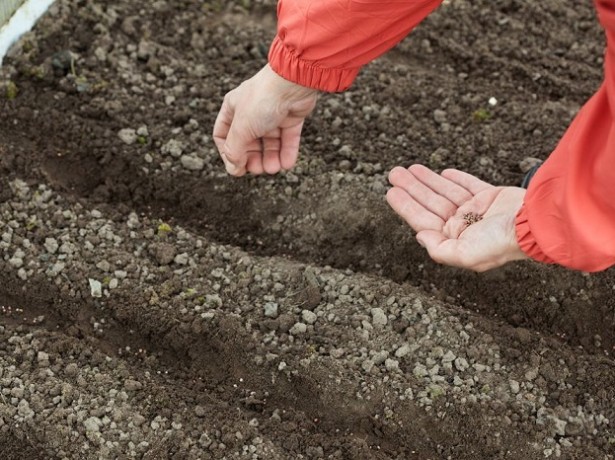
The crop thrives in loose, neutral soil. It's best not to plant it in heavy soil, as you may not get a harvest at all.
Prepare the area for the garden bed in the fall to sow the crop early. When digging the soil, add mineral fertilizer and compost to a depth of 20 centimeters. In this case, in the spring, you only need to level the soil, creating 2-centimeter-deep holes. How many rows can be formed, and how far apart? Rows are spaced every 0.2 meters. Next, water the soil and sow the seeds. Cover the seeds with soil and firm it down. Avoid watering immediately, as this will push the seeds deeper into the soil.
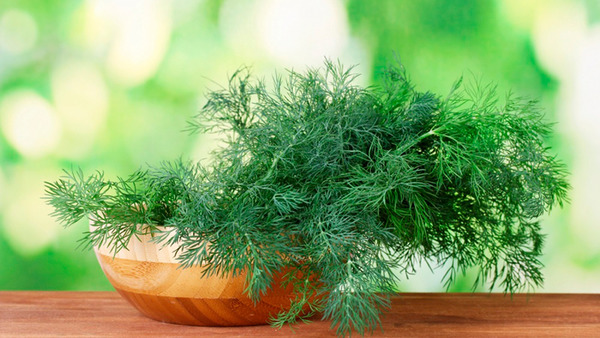
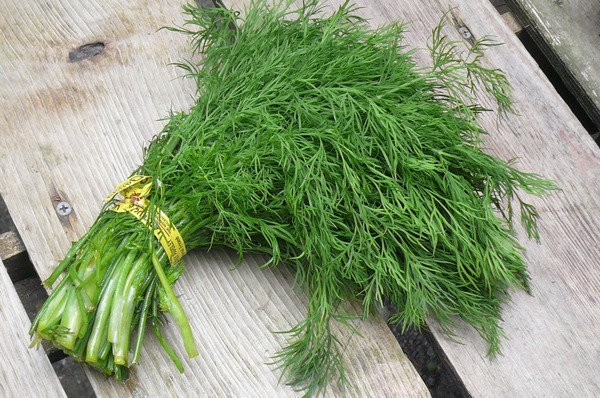
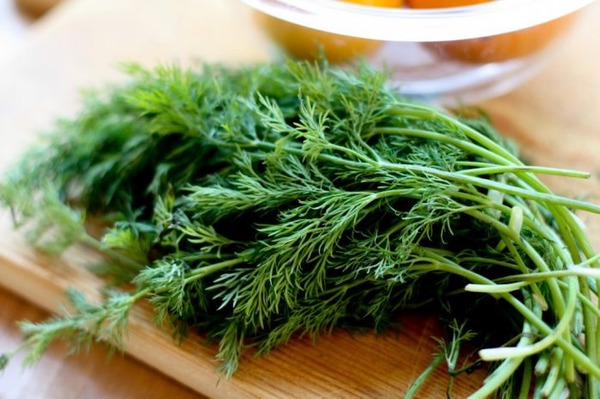
Winter and sub-winter sowing
To get your homegrown dill on the table sooner, plant it in winter. Prepare the soil in the fall, adding mineral and organic fertilizers. Plant while the ground is still warm. Increase the number of seedlings by a quarter, making holes 1.5 centimeters deep. Cover the bed with mulch. This will prevent a crust from forming on the soil, which would prevent the seedlings from germinating. When sowing in winter, avoid compacting the soil.
Greens can also be planted in winter. A few hours before planting, clear the bed of snow. Scatter the seeds at intervals. Then cover them with clean compost or compost mixed with soil. When the snow melts, the seeds penetrate deep into the soil and germinate under the influence of the meltwater.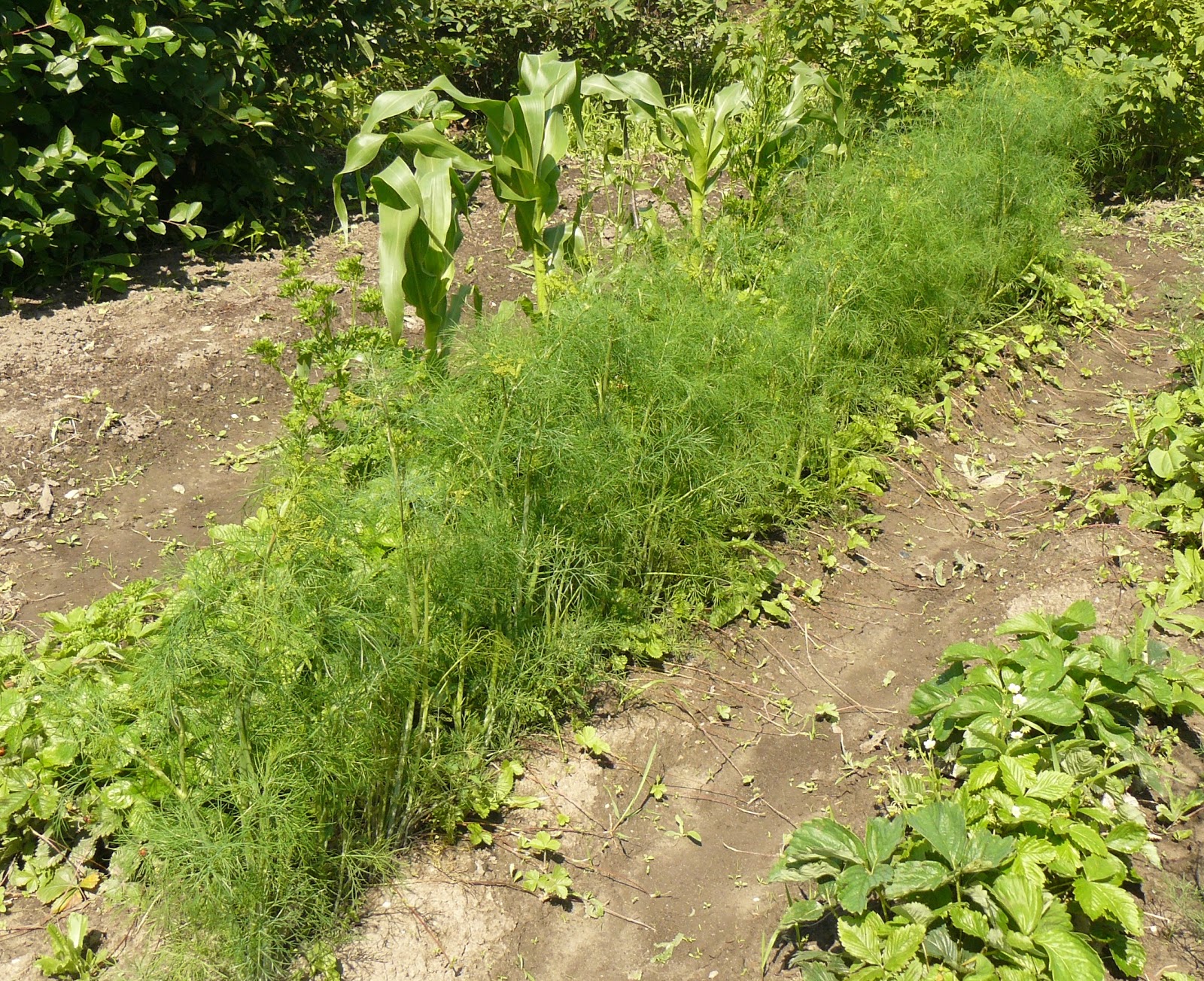
When planning a winter or pre-winter planting, cover the crops with material and secure it. Dill planted in winter or near winter will yield a harvest a couple of weeks earlier than a spring plant.
So, dill is a common herb. It's a frequent guest on our tables. The plant is typically used as a spice, but also in salads and as a garnish for many dishes. Oddly enough, this herb is becoming more expensive every day. Therefore, it's in our best interest to grow it. Firstly, it saves money, and secondly, it's an environmentally friendly product. Furthermore, dill can be planted both in the usual spring and in winter. This will allow you to enjoy the crop throughout most of the year. However, the highest quality, most delicious, and most flavorful harvest can only be achieved by properly growing and caring for the crop.
Video: Growing Dill
This video shows all the intricacies of growing dill at home.