
When and how to plant celery?
Content
How to choose the right seeds
Although celery was long overlooked by gardeners in our country, in recent years it has become increasingly common in both greenhouse and open-air gardens. This vegetable has gained popularity not only for its piquant flavor but also for the nutrients found in its root and green parts.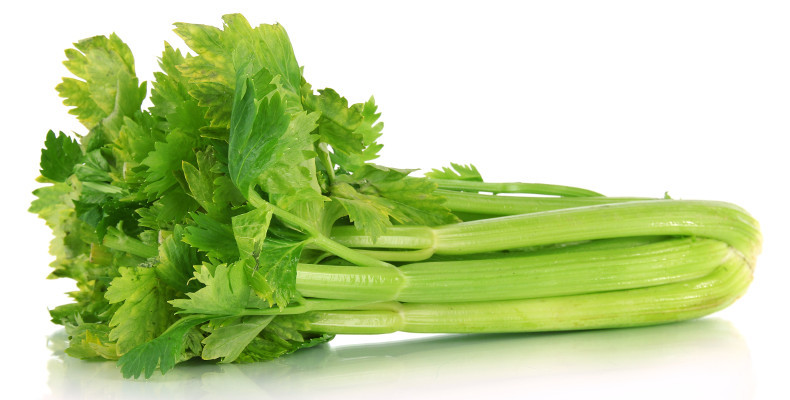
The very first step in growing celery of any variety is selecting the right seed. This step must be completed correctly to ensure the harvest is ready for harvesting and storage before winter.
First, you need to decide on the variety. Today, there's a wide selection of celery varieties. Everyone will find the perfect option, both in terms of growing conditions and taste. Next, you need to decide when to sow the selected planting material and how to properly prepare it. The method of cultivation (seedling or direct-seeding) plays a crucial role here. Seed sowing times are usually indicated on the packaging. However, you can also prepare the seedlings from the previous year yourself. In this case, the planting time should be determined based on the plant type (roots, foliage, etc.). However, many gardeners recommend purchasing seeds to increase their chances of success. It's not always possible to properly prepare seeds for future plantings yourself.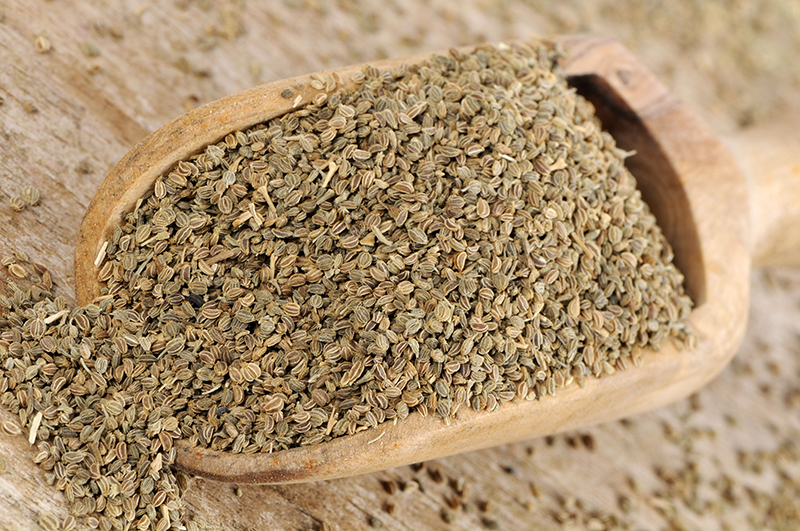
Selecting the right planting material is crucial, as it determines the ripening time, harvest volume, and taste of the crop. To ensure an excellent harvest, follow these steps when purchasing seeds:
- select only those planting materials whose expiration date ends next year;
- Preference should be given to varieties that produce large roots or green mass. For root varieties, the mass of their root portion should be approximately 500 g;
- Many experts recommend choosing early-ripening varieties. This way, the harvest will have time to ripen before the frost, and you'll have enough for the winter. However, late-ripening varieties will likely not have time to ripen if they were planted outdoors.
Today, imported seed is considered the highest quality. However, don't assume that domestic breeders are inferior. There are many worthy options to consider. However, it's important to purchase products from producers you've worked with before or have been recommended by neighbors.
Also, to avoid surprises when growing, it's important to familiarize yourself with the characteristics (planting time, growing conditions, agricultural practices, etc.) of the chosen variety well in advance. This way, the harvested crop before winter will 100% meet your expectations.
However, regardless of the seeds chosen, they should be prepared to increase germination (this is especially important when planting directly into the ground). Celery seeds take a long time to germinate. This is due to the high concentration of essential oils they contain, which slow down the germination process. Therefore, in this situation, pre-preparation of the planting material is not recommended. Otherwise, seed germination may take up to a month, and ultimately, only a few will germinate. Furthermore, if planting and care were improper, germination may be significantly delayed.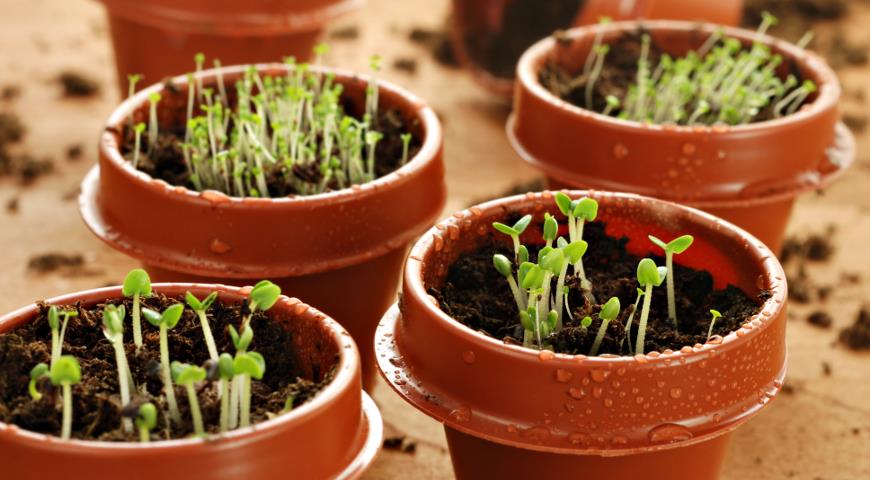
To stimulate seed growth, they need to be soaked. It's worth noting that the preparation process for root celery and leaf celery will differ slightly. Seed preparation itself can be accomplished in a variety of ways:
- The first method is to bubble the planting material in oxygenated water. After this, the seeds should be soaked for 45 minutes in a weak solution of potassium permanganate (1%). The temperature of the solution should be 20-22°C.OC. Then they are washed with running water, after which the planting material is ready for planting;
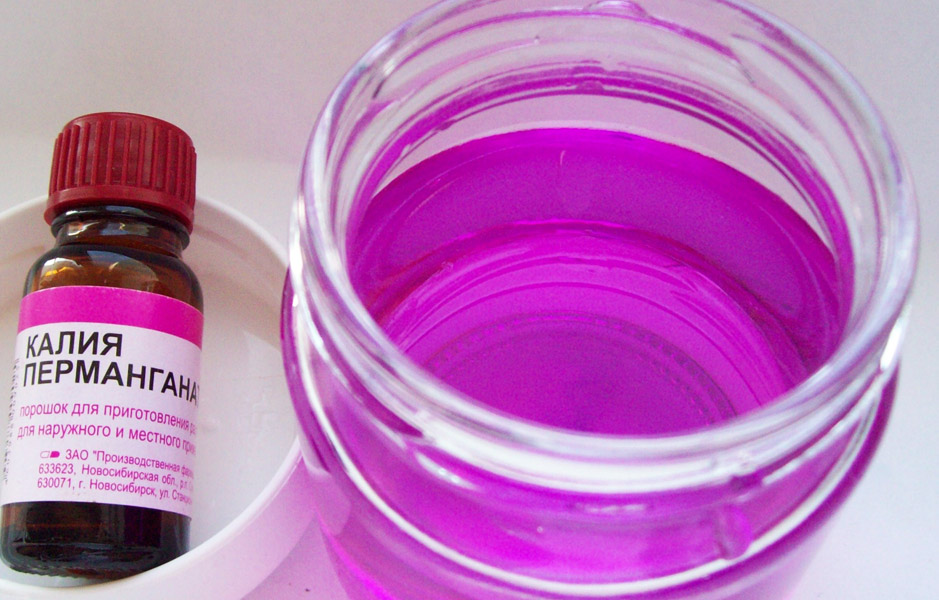
- The second method involves soaking the seeds in a weak solution of potassium permanganate (1%) for 45 minutes. Then rinse the planting material thoroughly. Now soak it in a solution of Epin (dissolve 4 drops in a glass of water). The seeds should be soaked in this solution for 18 hours. After this, they can be planted in the ground.
- The third method is to rinse the seeds with hot water. Then place them in damp cheesecloth and leave them there for three days. This time, let them dry a little on paper. Now they're ready to sow.
When preparing planting material, it's important to remember that no matter which seed preparation method is chosen, the order must never be altered. Otherwise, achieving good germination is unlikely.
Video: How to Properly Plant Celery
This video will show you how to plant celery correctly and then reap a good harvest.
Planting seedlings
After thoroughly preparing the seed, celery is planted. However, there are some nuances, primarily related to the long maturation period of this crop. Therefore, gardeners in our country prefer to use seedlings.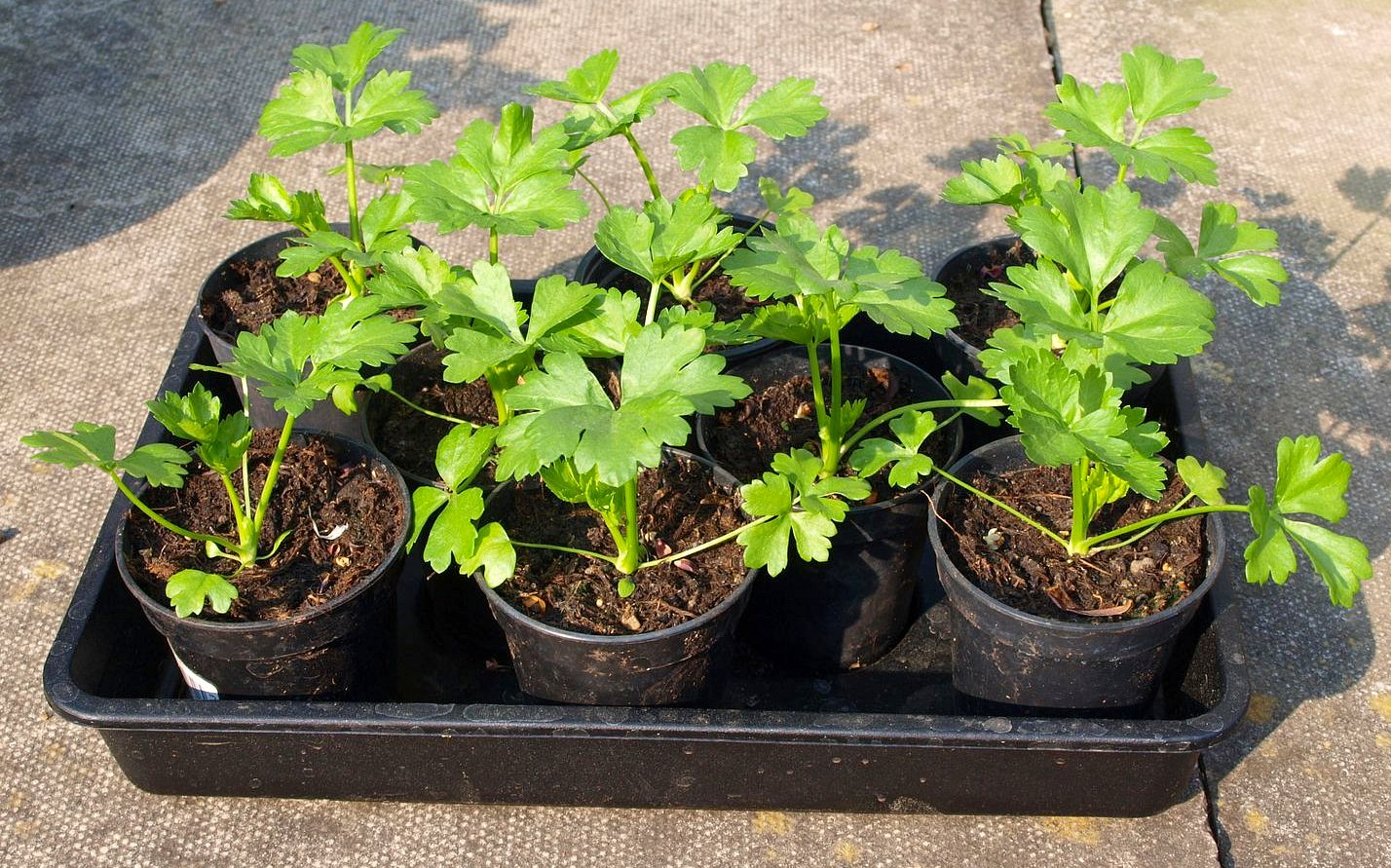
For this reason, many beginning gardeners often ask the question, "How to plant celery using seedlings?" However, this isn't quite the right question, as it's not so much "how" as "when" that matters. After all, the seedlings need to be planted in the garden beds on time, allowing them to develop into a full-fledged harvest before winter. So, when should you sow celery? In Russia, growing celery using seedlings should begin no later than mid-February. However, you should also follow the dates indicated on the seed packaging.
Once you've determined the right time to sow the seeds, you can begin sowing. The process of sowing seedlings involves the following steps:
- Prepare containers. Wooden boxes are best;
- Fill them with loose soil taken from the garden. It should be mixed with humus and sand beforehand. To avoid messing with the soil, you can buy a ready-made potting mix at the store;
- a few days before sowing, it is recommended to water the soil in the boxes with boiling water in which a little potassium permanganate has been dissolved;
- Before sowing, the soil in the containers must be moistened;
- then we make furrows in it, the depth of which is 1 cm;
- we place seeds in them at intervals of 5 cm;
- Next, cover the planting material with a thin layer of soil. However, you can leave them uncovered. This will help them germinate a little faster.
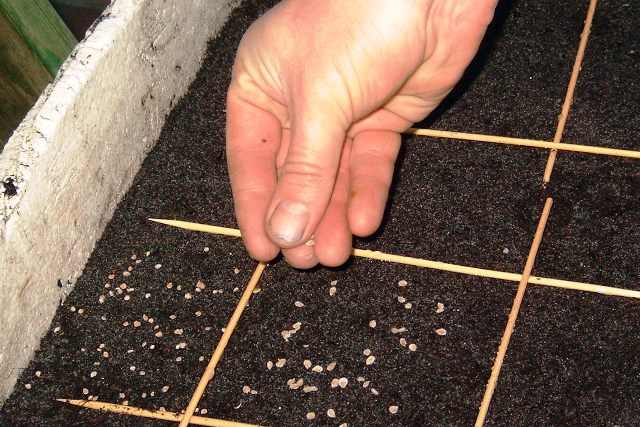
After planting the seeds, the soil should be moistened with a spray bottle and then covered with plastic wrap or glass. This creates a greenhouse-like environment.
Now all that's left is to wait for the seedlings to emerge. But for that to happen, the temperature must be around 25°C for the first five days.OC. After five days it is lowered to +16OC. The drop in temperature should coincide with the emergence of the first shoots. Otherwise, the seedlings will become elongated. Once the seedlings emerge, they should be thinned out, leaving only the strongest and tallest plants.
Throughout the entire period of growing seedlings, it is necessary to regularly water the seedlings from a spray bottle.
Don't forget about the need to transplant. This procedure should be done when the seedlings have developed their second true leaves. At this point, they are transplanted into individual containers. The pots should be spacious enough to accommodate the root system. This will ensure smooth, bushy root development.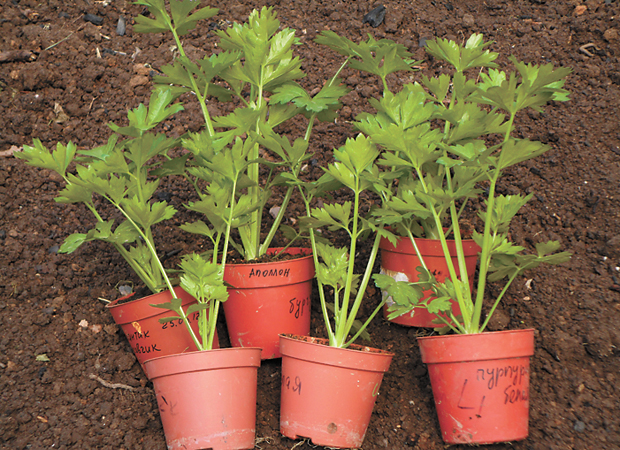
If you decide to grow celery seedlings in winter, they will need additional lighting. To achieve this, the grow light should be placed 30-40 cm away from the seedlings. Keep in mind that seedlings planted in mid-February require additional lighting. If the seedlings don't get enough light, they may fall over or become leggy.
The care rules described above will allow you to achieve good, strong, and tall seedlings that can be planted in a greenhouse or even in open ground.
Planting celery in beds
Before planting seedlings in the garden beds, they need to be prepared. This preparation begins in the fall, after harvesting crop residues from the fields. The location for growing celery should be chosen according to crop rotation rules. Cucumbers, zucchini, and potatoes are excellent predecessors for this crop. The soil should be fertile and loose.
Preparation of beds in autumn is carried out as follows:
- When digging, add approximately 3-4 kg of organic fertilizer to the soil. It is recommended to add 35 g of phosphorus and 20 g of potassium fertilizer per square meter.
- Remember that different plant varieties require different amounts of organic matter. For example, manure should be used for petiolate and leafy varieties, while compost is more suitable for rooted varieties.
- If necessary, deacidify the soil (liming it). Celery does not tolerate acidic soils.
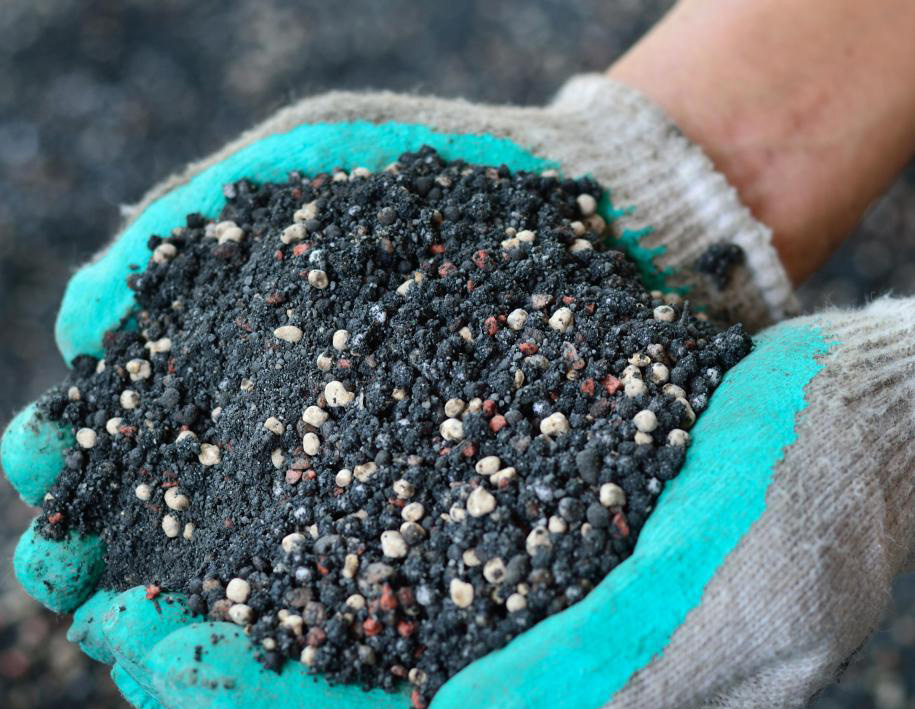
The timing of planting grown celery seedlings in a greenhouse or in open ground beds varies depending on the variety and growing region. The climate conditions specific to the region play a significant role in choosing the right time for planting. This procedure is typically carried out in mid-May.
Seedlings should be planted in warm, dry weather. Compliance with these conditions is essential, as cold weather will cause the seedlings to flower, leading to poor development of the underground part of the plant.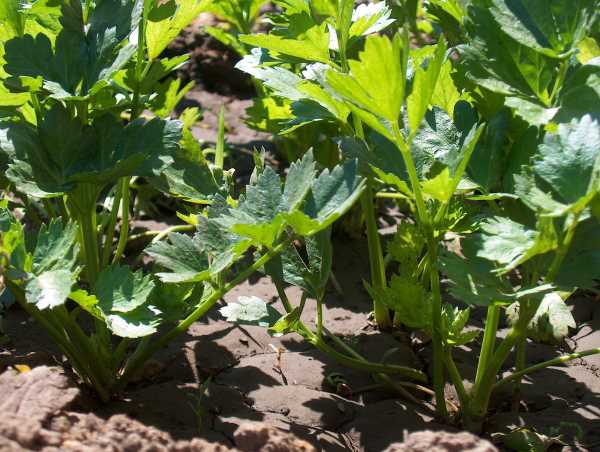
Planting of seedlings occurs as follows:
- holes are dug in the beds;
- the distance between them should be 30 cm;
- Plants are placed in holes so that their growing points are above ground. If planted too deeply, the plant will begin to form adventitious roots, which will lead to crooked roots.
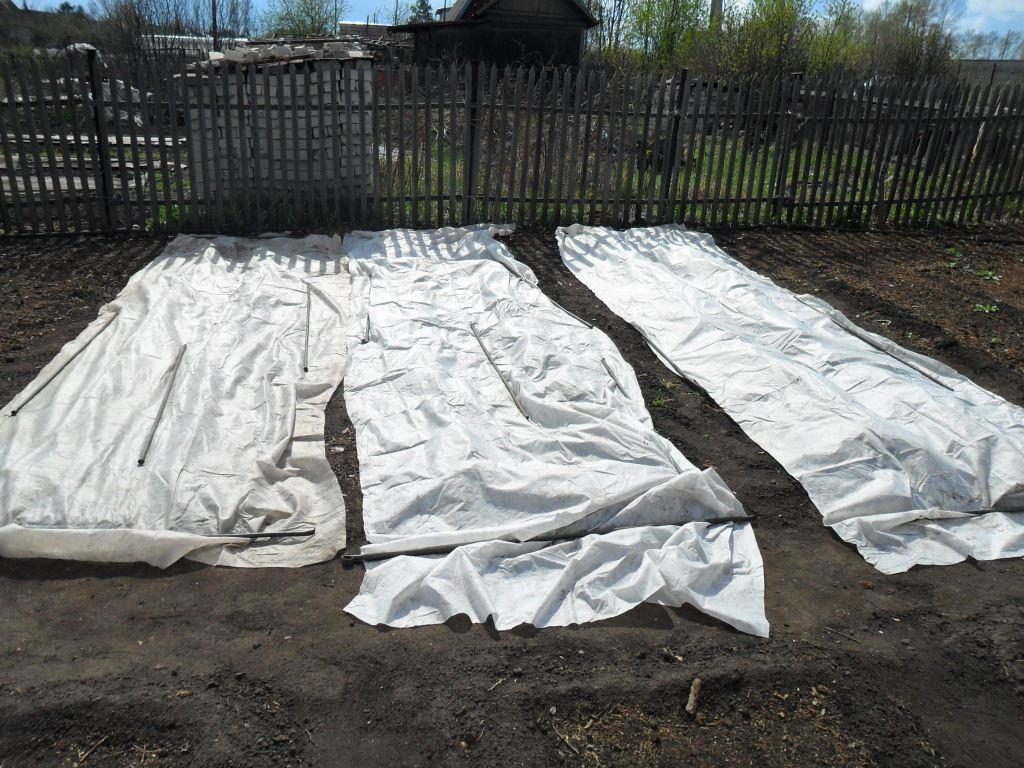
- After planting, the beds are covered with plastic film. They should remain in this condition until June.
Please note that no fertilizer is needed when planting the seedlings in the holes. This is because the bed was well fertilized before winter during the fall preparation.
Care
To grow celery in your garden, you need to properly care for the planted seedlings. This involves the following steps:
- Timely and regular watering. This will be almost identical for all varieties;
- Mulching. To prevent moisture evaporation, immediately after watering, the soil around the plantings should be mulched with sawdust or peat. Grass clippings can also be used for this purpose;
- weeding the beds;
- Soil loosening. This procedure should be performed to improve soil aeration and prevent weed growth. Loosening between rows is especially important;
- Fertilizing. The first feeding is done 1.5 weeks after planting the seedlings in the soil. At this time, mineral fertilizers are added (2 g of nitrophoska should be diluted in 1 liter of water). This procedure is repeated after two weeks. If the plants are wilting, they should be fed with urea (0.5 g of the substance should be added to 1 liter of water).
- hilling – carried out for petiolate varieties.
- For root celery, in midsummer, remove the top portion of the root from the soil. This simple procedure will increase the size of the underground portion of the plant.
With proper care, no matter which celery variety is grown, a high-quality harvest will be produced by fall. Harvesting typically occurs in October. Root and stalk varieties should be harvested completely, while leafy varieties can be left to force greens during the colder months. To do this, dig up the plant and transplant it into a flowerpot. This way, you'll always have fresh greens throughout the winter.
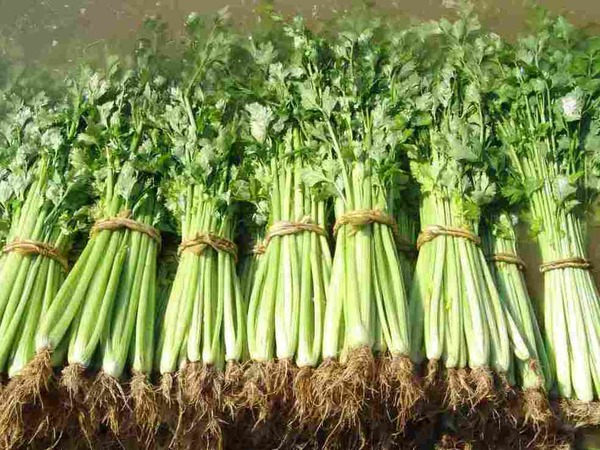
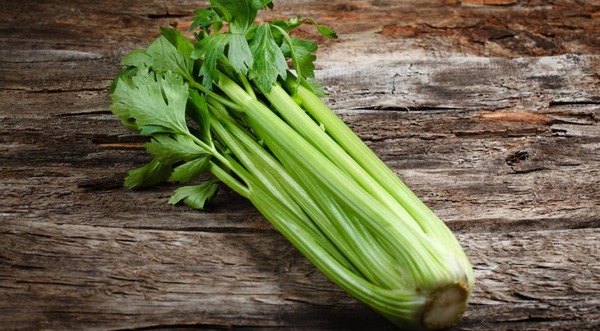
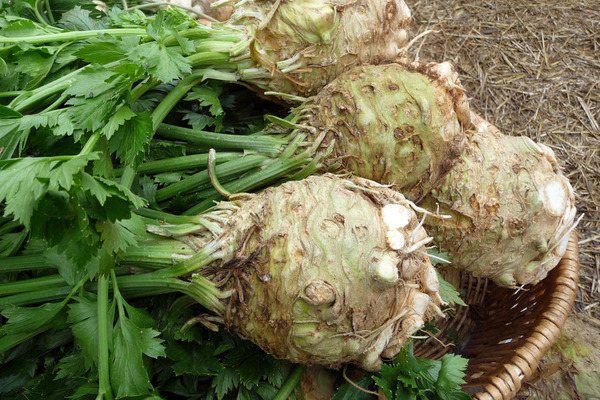
As we can see, growing celery (various varieties) in your garden isn't all that difficult. It doesn't require any complicated farming techniques, and plant care is limited to standard procedures. Moreover, if cultivation and care are followed correctly, you'll be able to harvest an excellent crop of both greens and root vegetables for the winter.
Video: "Celery Care Tips"
In this video, experienced gardeners will tell you how to properly care for celery to ensure a good harvest.