
How to plant basil seeds
Content
When to plant
Many beginning gardeners wonder how to plant basil. It's recommended to plant it in well-drained, wind-protected, and draft-free areas. Since the plant is intolerant of frost and freezing temperatures, it shouldn't be planted too early. Sandy loam with added organic matter makes good soil for the plant. The soil for planting basil outdoors should be prepared in the fall, when the soil is easy to till and fertilize.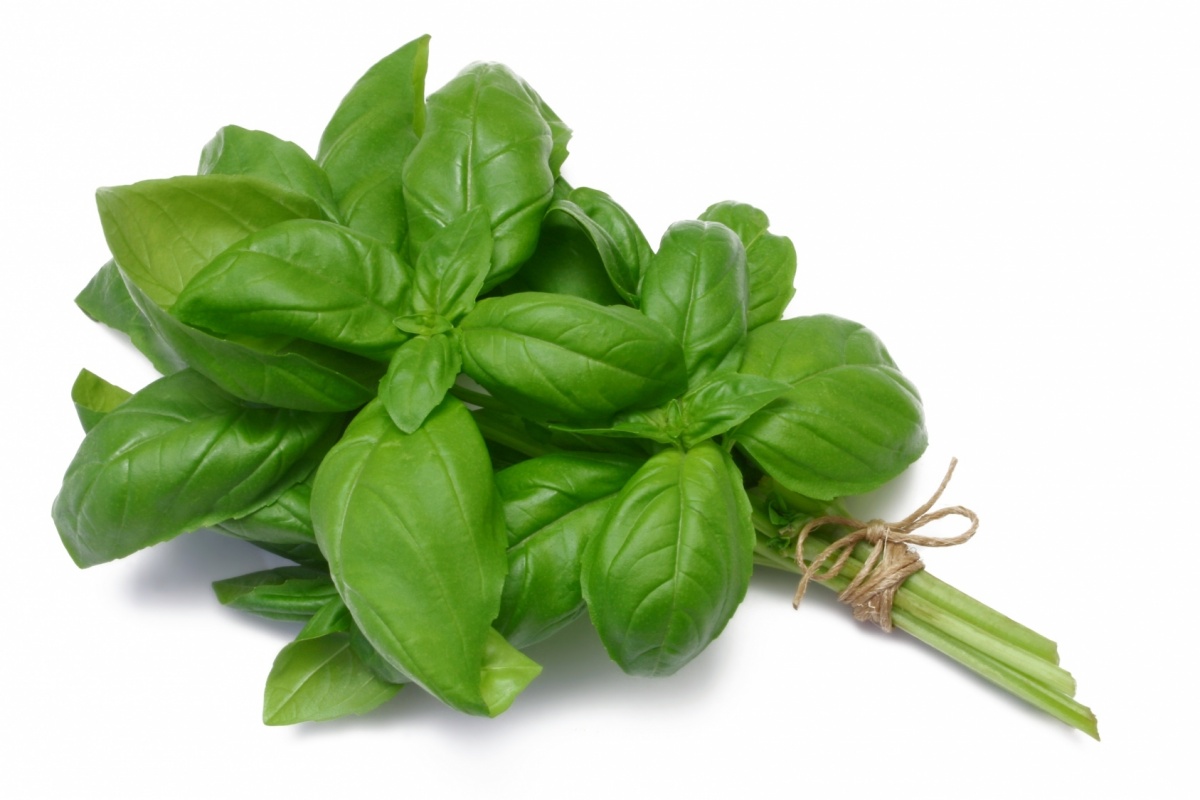
To get a quick and good basil harvest, you need to use the method of growing basil from seedlings. Seedlings can be started from late March or early April. Place the seeds in the soil to a depth of approximately 1 cm.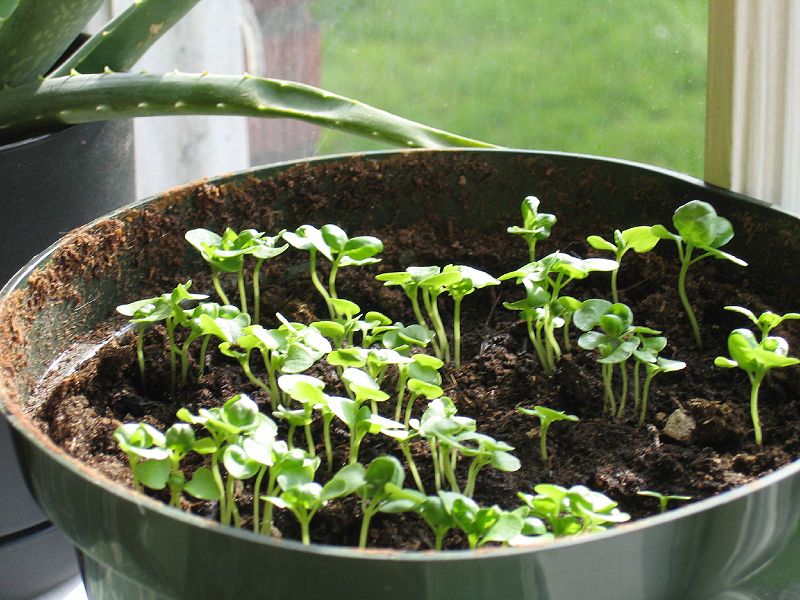
To ensure rapid germination, the temperature should be maintained at around 25°C to 27°C for the first ten days. After this, the basil can be transplanted into small pots. And in early June, when night frosts no longer pose a threat to the soil, it can be transplanted outdoors.
Video: "Efficient Planting Methods"
From the video you will learn how to properly plant this spice.
Planting instructions
Pots containing young seedlings should be kept and fertilized in a greenhouse, where they can harden off. Mineral fertilizers can be added as early as the first leaf stage if the seedlings' development is slow. Making this fertilizer is easy: add 3 g of potassium, 5 g of phosphorus, and 2 g of nitrogen fertilizers to a liter of water and water the planted seeds with the resulting mixture. Hardening off the plants begins about a week before planting them in the ground. This is accomplished by limiting watering and providing ventilation while slightly lowering the greenhouse temperature. As mentioned above, before transplanting basil, prepare the soil in advance by tilling the soil and adding fertilizer to the beds.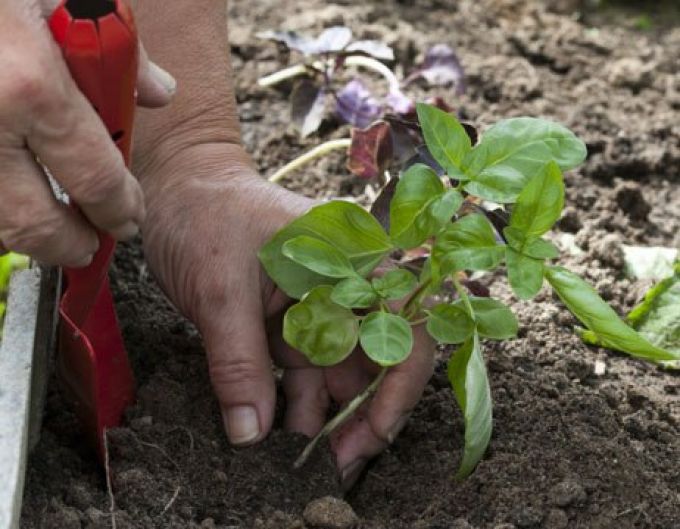
Transplanted basil should be arranged in rows at least 30 centimeters apart, with at least 25 cm between each plant. Plants should be planted in shallow holes, approximately 7-8 cm deep, filled with about a liter of clean water beforehand. Basil should be planted directly in pots, but care should be taken to ensure that the central bud and young leaves do not remain exposed. When planting basil, be sure to use a pot that is not too small.
To know how to plant basil, you need to follow the basic rules for planting this plant. First and foremost, remember the importance of loosening the soil and adding sand, as these are key factors for good germination. It's also important to mulch the soil with compost, but it's best to do this several months before planting to allow the compost to decompose and the soil to absorb all its beneficial elements.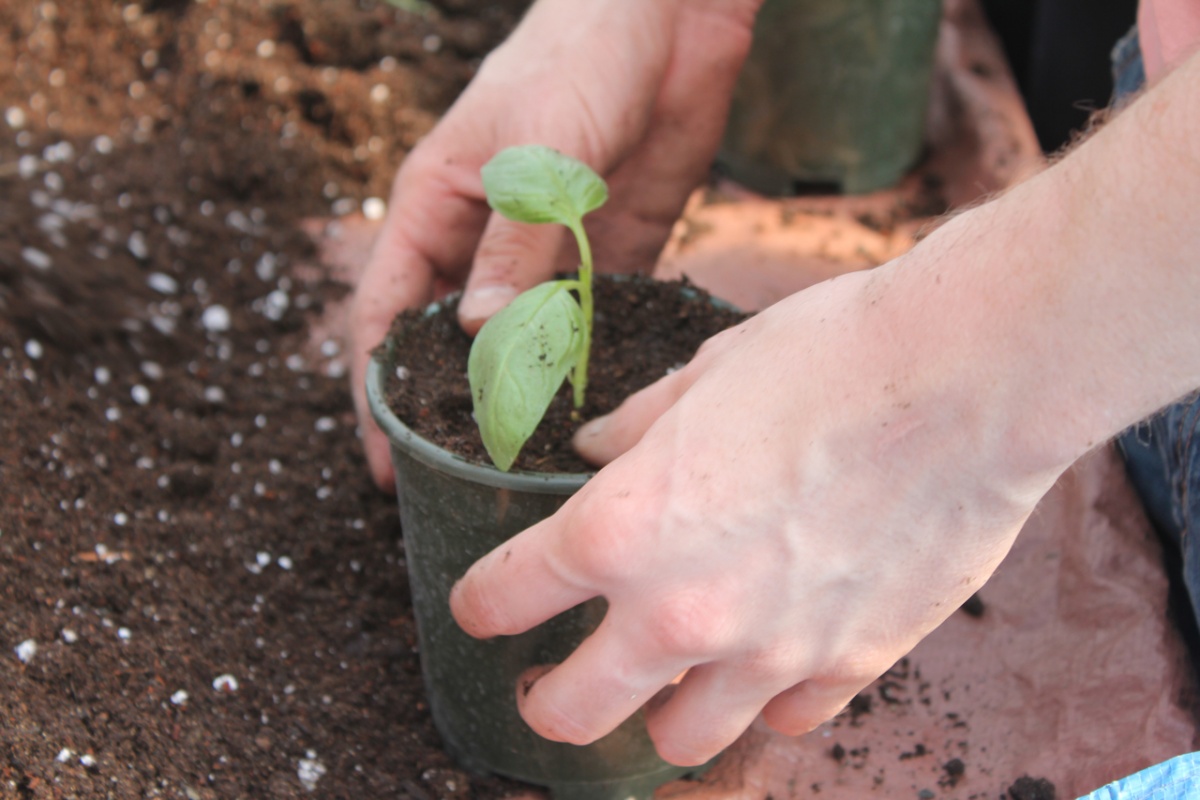
It's notoriously difficult to achieve uniform germination and a good harvest from small seeds, whereas healthy plants grown on a windowsill have a much better chance. This makes the seedling method very popular for growing crops outdoors.
How to care for seedlings
Now that we know how to plant basil, we need to learn how to care for the seedlings to ensure the best results and healthy growth. First of all, keep the soil consistently slightly moist. Basil grows best in well-drained soil, but avoid allowing it to sit in standing water. Mature plants can be watered once a day, preferably in the morning, so the water has time to soak in and evaporate, and the plants won't sit in water overnight.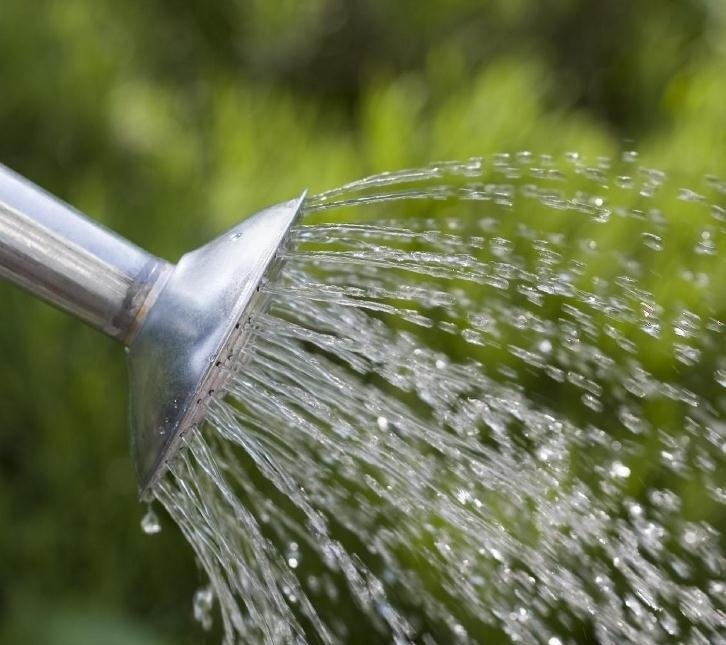
Experts also recommend pinching off blooms. If buds appear on basil, they should be pinched off, along with the two pairs of leaves beneath them. Flowering can trigger hormonal changes, significantly reducing the number of new leaves and depriving the plant of its flavor. Flowering is usually triggered by exposure to excessive sunlight, causing the plants to become leggy, and the leaves to become smaller and less flavorful.
It's equally important to monitor for mold and pests. The most dangerous insect for basil is the Japanese beetle. The easiest and safest method of controlling it is to simply remove each insect from the plants. Mold can also be caused by plants not receiving enough sunlight or being too close together.
Harvested basil leaves should be stored in the refrigerator, after thoroughly washing, patting dry, and wrapping them in paper towels. It's best to store them in food containers with airtight lids. Basil leaves are also often frozen, although this is considered a bad idea.
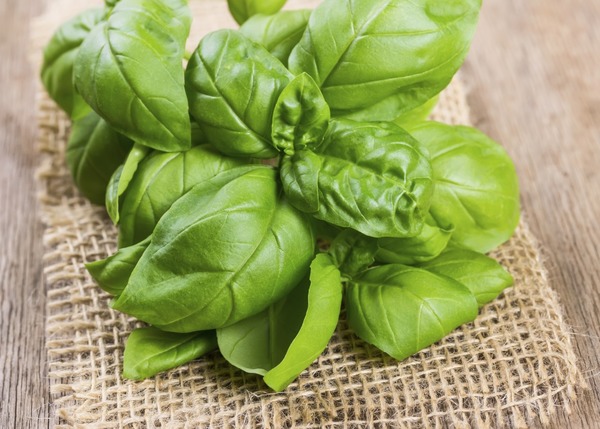
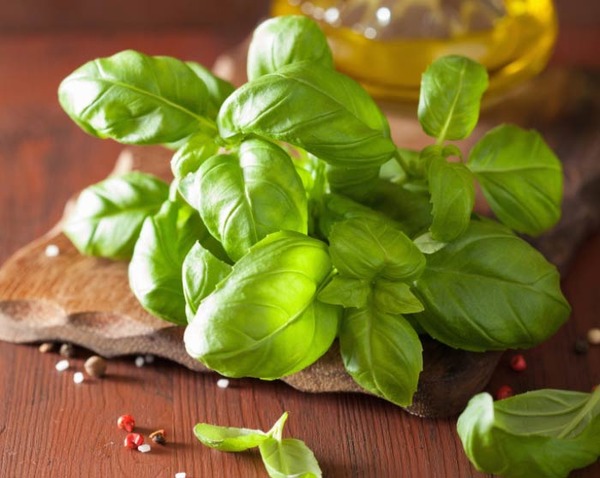
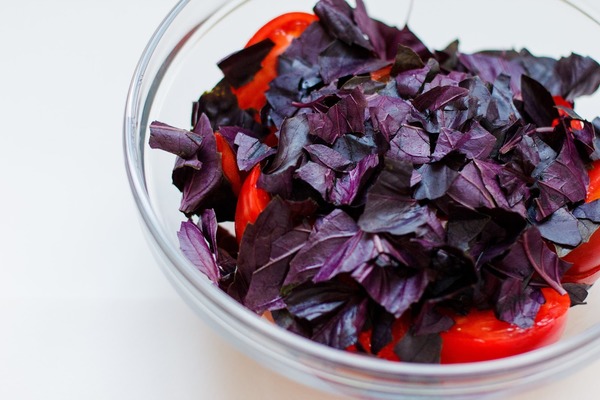
Even though basil is a plant that requires extra attention and care, every gardener and lover of good cuisine will be happy to have its fresh, tasty leaves.
Video: "Caring for Basil Plants"
From the video you will learn how to properly care for this aromatic spice.