
How to plant mint: growing outdoors and indoors
Content
Types
There are dozens of species and hybrid forms of mint. These include not only cultivated forms but also wild varieties, as well as those native to specific regions (Japanese, Asian, Canadian), and those with no practical use.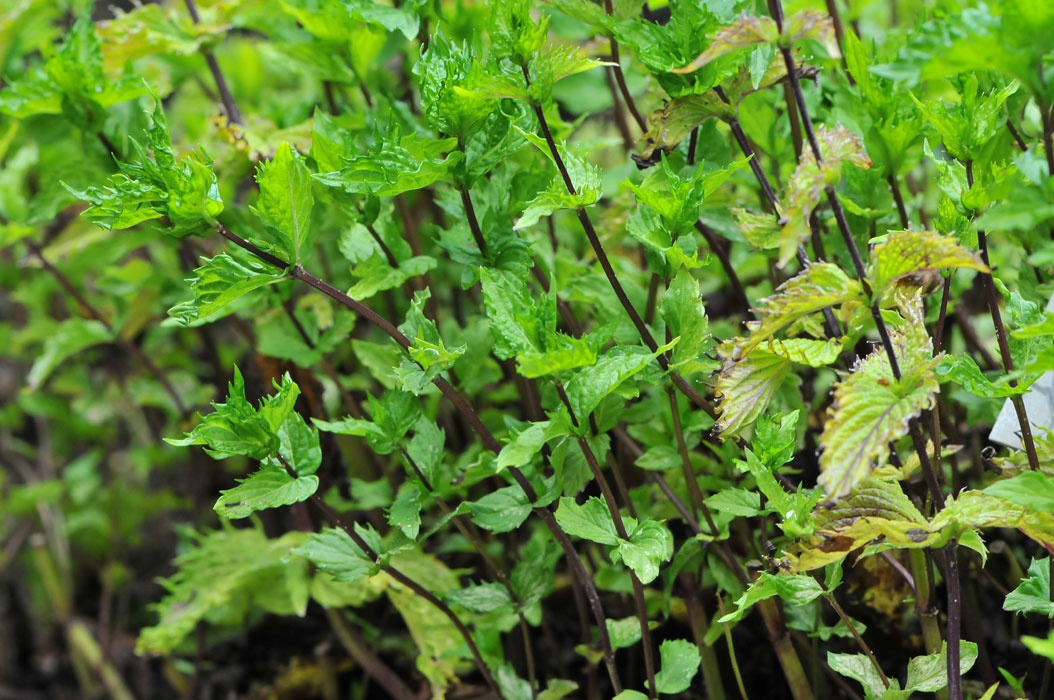
However, there are also types that are widely used in industry – food, pharmaceutical, perfume, tobacco, liquor and vodka and other industries:
- Field (wild) mint has a subtle and delicate aroma; it is used in medicine as an anti-inflammatory, expectorant and tonic, and in cooking as a flavoring additive to any dish, from soups and hot appetizers to chocolate desserts;
- Curly or curly is used in cooking, has a mild aroma, due to which it is not contraindicated for children, its ether contains 70% carvone - a terpenoid substance used to make essences, liqueurs, and medicinal preparations;
- lemon balm (melissa) quickly grows throughout the area, is an excellent honey plant, contains many esters, flavonoids, tannins, and is widely used in medicine for the treatment of neurotic disorders, hypertension, asthma, and colds;
- Water cinquefoil grows near bodies of water, does not contain menthol, therefore it has a weak aroma, in folk medicine its collection is used for healing wounds, normalizing digestion, and as a choleretic agent;
- garden (spiked) - a tall (up to 1 m) plant, flowering with white ears, contains many essential components, is used in perfumery and folk medicine, does not leave a cold aftertaste in the mouth;
- Peppermint is the most famous mint, which is a hybrid of garden and water mint, and has a very wide application in medicine and pharmacology as a vasodilator, analgesic, tonic, cardiac, stomachic, diaphoretic, as well as in cooking and perfumery;
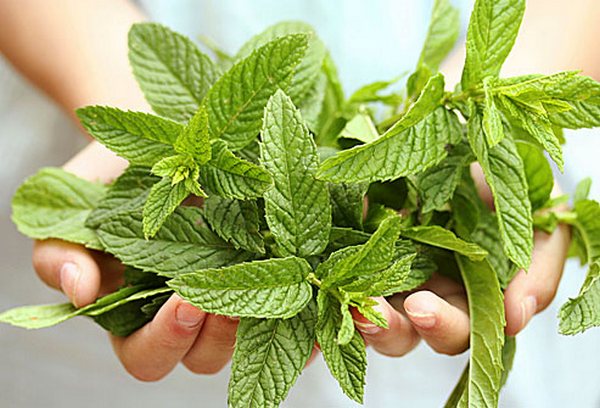
- Menthol is a type of peppermint, characterized by a high menthol content and a sharp minty aroma. It is used mainly as a flavoring additive, but care must be taken with it, as even one leaf can be too much for a glass of tea.
All of these species can be planted in the garden or at home, and many of them are also grown on an industrial scale.
Video: "The Healing Properties of Mint"
From the video you will learn about the beneficial properties of this spicy plant.
Growing
Mint can be grown from seedlings, by dividing the rhizome, or from cuttings. The first method involves germinating and sowing seeds, which is time-consuming. The second method (dividing the plant) is only possible if you already have a growing plant, so cuttings remain the simplest method of propagation. Simply soak the cutting in water until it roots.
If you have the patience and time, you can grow seedlings. It's actually not that difficult if you use high-quality seeds. They can be pre-germinated, or they can be scattered directly into the soil and kept moist until the shoots emerge. Then, the plants are pricked out, nurtured, and after 20-30 days, planted in the ground. It's important to note that hybrid mint seedlings cannot be grown from seeds.
In open ground
When growing mint outdoors, it's best to plant the bush in a separate bed rather than in a flowerbed, as many gardeners do. This is because the plant's root system grows rapidly, crowding out other plants. If planting in a flowerbed is unavoidable, it's important to immediately dig in barriers, such as pieces of slate. Otherwise, the mint will grow like a weed and will have to be controlled.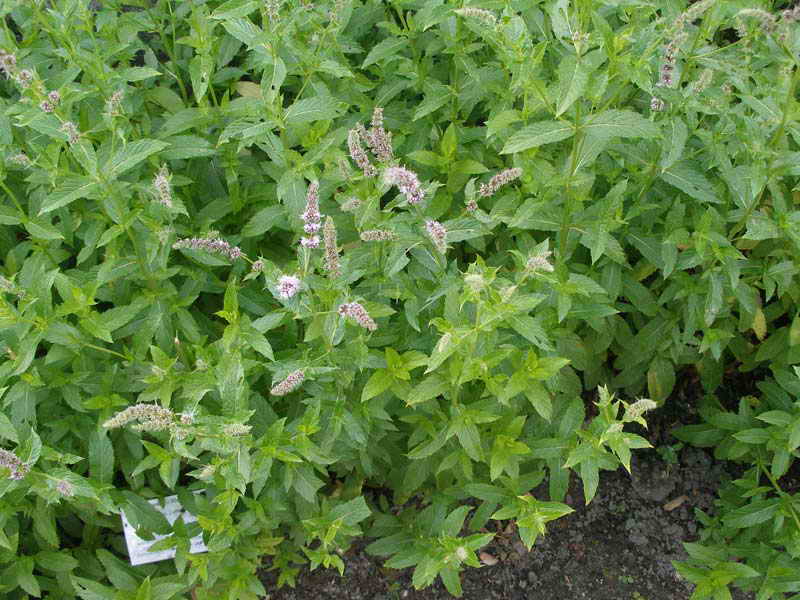
When planting, you need to take into account that this is a perennial plant and choose a place where you do not plan to plant other crops for 3-5 years. Mint isn't picky about soil composition, as long as it's lime-free and not waterlogged. Loose black soil is ideal. It grows well in partial shade, but its menthol aroma will be more pronounced in full sun.
Mint is usually planted in the ground in spring, beginning in the second half of April, but young plants can be planted throughout the summer. Seedlings are planted in furrows or small holes. Before planting, it's advisable to fertilize the soil with organic matter, such as humus or leaf compost. Mint doesn't require frequent fertilizing; a single application in the spring is sufficient.
At home
Mint can be planted indoors in any container, but a clay flowerpot is the most suitable, as plants planted in attractive pots can become a beautiful addition to your home. It's well-known that mint dislikes overwatering, so ensure proper drainage before planting. The soil should be fertile, yet light and loose, with a neutral pH and rich in humus.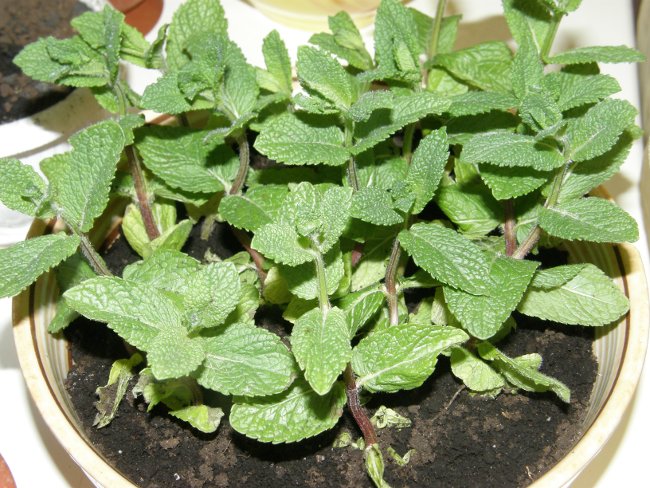
Indoor mint is placed on east- or southwest-facing windowsills. For normal growth, maintain a temperature of 20-25°C, water regularly, and, like all potted plants, fertilize periodically. In winter, ensure the leaves do not come into contact with the glass, as this can cause them to die, and monitor the temperature on the windowsill.
Care
Mint doesn't require complex care. If grown in good, fertile soil, you won't need to worry about fertilizing. Then, care will consist of the following:
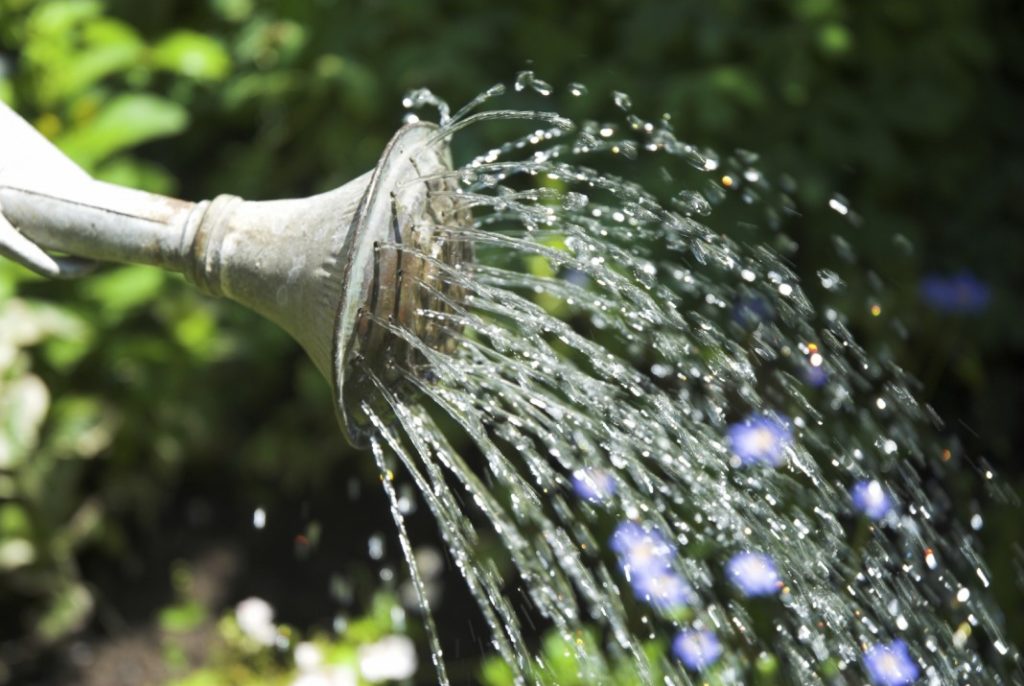
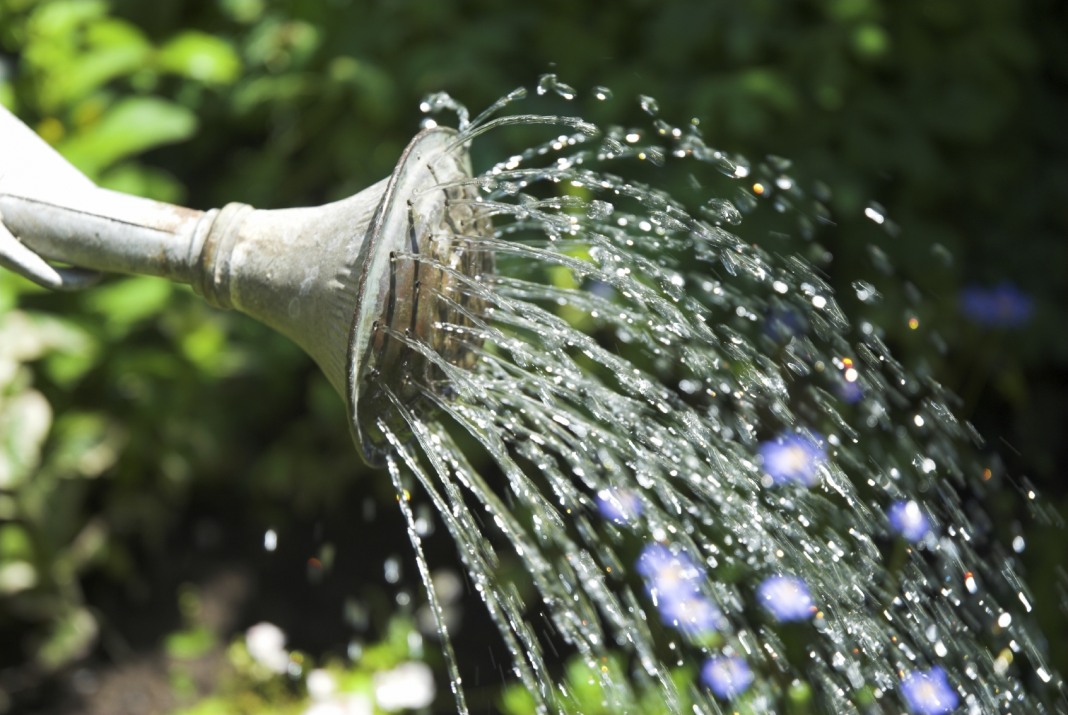
- watering as needed;
- loosening the soil and removing weeds;
- mulching the soil (optional);
- pest protection.
Due to its high concentration of essential oils, mint is virtually disease-resistant and pest-free. However, it may occasionally be attacked by spider mites, aphids, and mint flea beetles. A solution of laundry soap is effective against these insects, and in severe cases, insecticides are used.
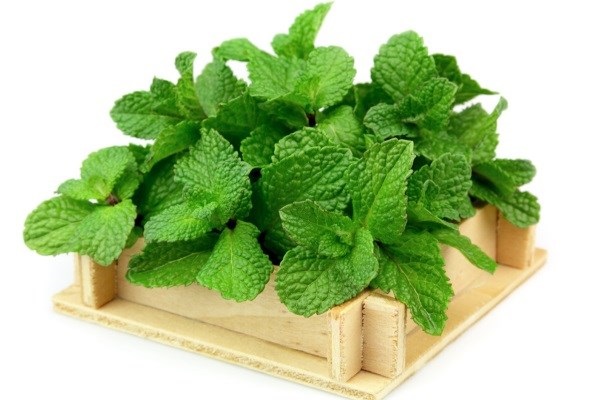
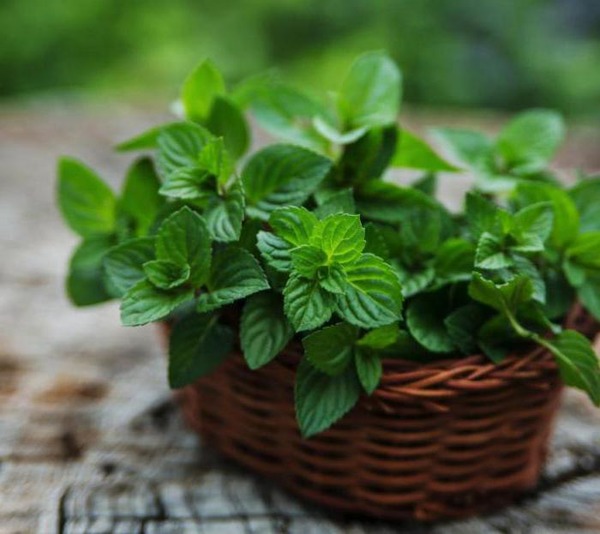
Mint is harvested 2-3 times during the season, once 4-5 new leaves have grown. Flowering should be avoided, as the concentration of essential oils decreases during this time, making the plants less beneficial.
For the winter, the bushes need to be cut and covered with warming mulch (straw, leaves) or spruce branches.
Video: Growing Mint
This video will show you how to grow and care for mint.