
How to preserve celery root and leaf for the winter
Content
Timely harvesting
Harvesting celery root should be done promptly, and there's no need to rush. The longer the roots remain in the ground, the larger and more mature they will be. During long-term cultivation, the rhizome's skin thickens and can serve as protection against damage and help preserve the vegetable's nutrients during harvesting, transportation, and storage. However, waiting until the first frost is a bad idea, as this can make celery difficult to store.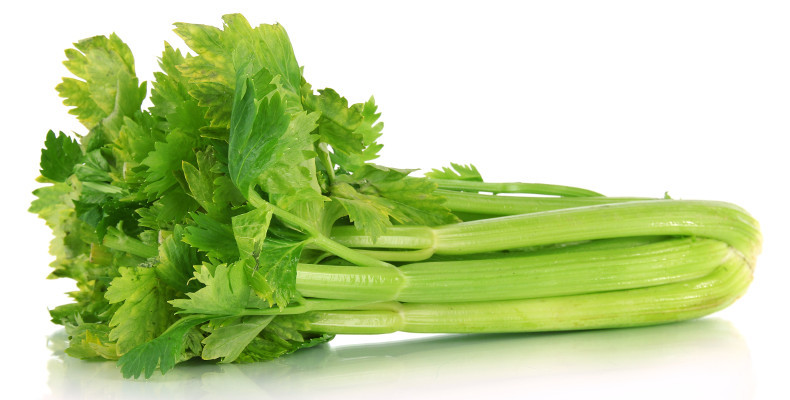
On average, the optimal time for harvesting is considered to be late September, but it's important to take the weather forecast into account. Typically, a month before harvesting, lower shoots and branches are pruned to allow the root to ripen and develop a more rounded shape. When digging the root out of the soil, be very careful not to damage the skin. It's best not to use any tools; simply pull firmly by the tops. To make it easier to remove the root from the soil, soak it thoroughly in water for a few days beforehand.
To check the quality of the tubers, carefully inspect them before harvesting. If they're soft, they've begun to rot. If they sound hollow when tapped, they're dry and hollow inside. These parts are not suitable for harvesting.
To harvest the roots, trim off the tops, leaving stumps a few centimeters high, remove the thin roots, and clear away any stuck-on soil.
After harvesting the celery tubers, they should be sorted, and if their number has grown significantly, then a few roots can be left in the garden bed, so that they will produce juicy and young greens in the spring.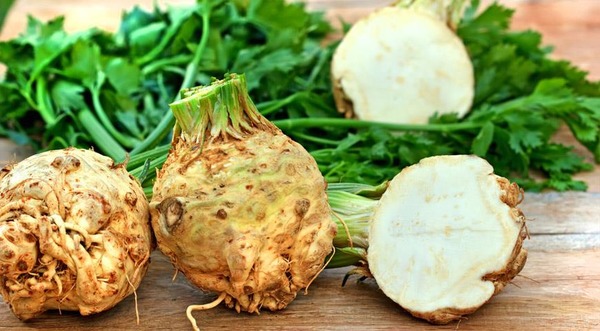
If you want to grow herbs indoors, plant small roots in a flowerpot and enjoy your own fragrant and healthy greens all winter long. The young shoots will look like houseplants and make a beautiful interior decoration. This way, you can grow healthy herbs indoors even in winter.
Video: Storing Celery Leaf
This video will show you how to properly store leaf celery.
Storing root vegetables in a city apartment
How to store celery root in an apartment? This vegetable isn't particularly fussy when it comes to storage; it can be stored for a long time, even into summer, but only under certain conditions. The tubers can be stored in the refrigerator's vegetable drawer. Before storing, thoroughly wash, dry, and wrap the roots in plastic.
Root vegetables prepared in this way can be consumed at any time, prepared in salads, added to soups and vegetable stews.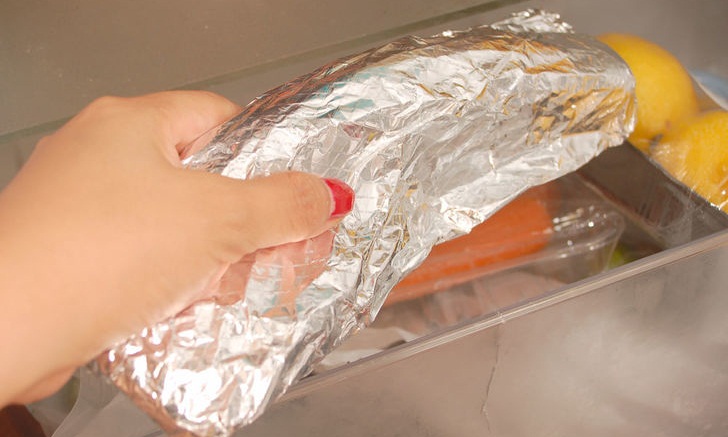
This method of storage is certainly very convenient, but if you've grown more root vegetables than your refrigerator's vegetable drawer can accommodate, you'll need to resort to other storage methods. In this case, you should bring the root vegetables from the cellar in portions. However, the rule remains the same: to avoid any unsanitary consequences, each root is thoroughly washed and wrapped in plastic before placing it in the refrigerator.
Even if you have a large freezer, it's not suitable for storing celery roots. Roots placed in the freezer are only suitable for cooking, meaning they can't be eaten fresh. Therefore, you can freeze celery tubers, which you'll use exclusively for cooking and then cook.
Wintering in a cellar, garage, or dacha
In fact, preserving celery roots over the winter isn't all that difficult, and there are a multitude of well-known methods. And there are many answers to the question of how to store celery. Each method is effective, so choose any one you like, but remember, the temperature in the storage room should be between 0° and 1°C, and the humidity should be 90% or higher.
How to store celery for the winter? Methods for preparing celery for winter storage in cellars, basements, garages, and summer cottages have been known since ancient times.
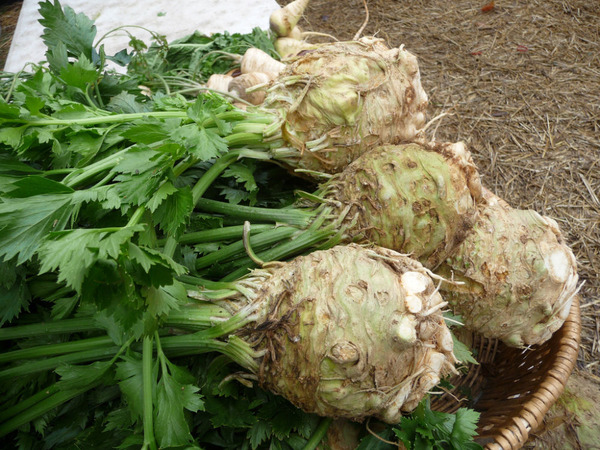
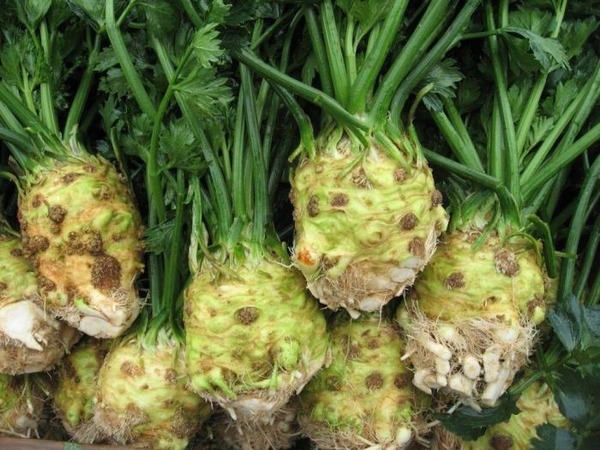
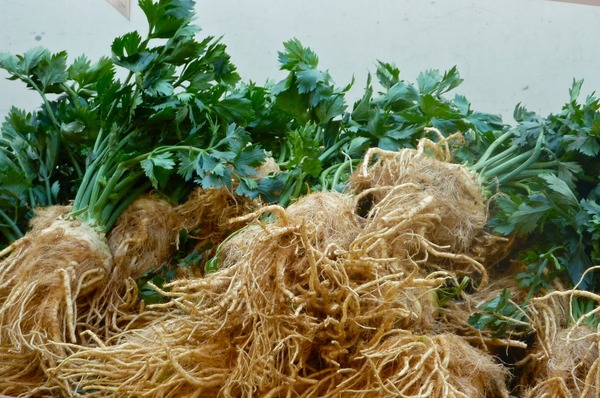
One method is storing root vegetables in a box filled with sand. To use this method of preserving root vegetables for the winter, you'll need a box and damp sand. The root vegetables are buried in the sand, just like in a garden bed, and left there for the winter. This method will perfectly preserve the tubers in excellent condition.
Another long-standing method of preparing root crops for winter is the use of clay. To do this, the roots are soaked in a mixture of clay and water, then dried and left to overwinter.
In southern regions, where winters are not particularly harsh and the ground doesn't freeze deeply, tubers are laid in prepared trenches, covering each layer with sand. The stacked and sanded vegetables are covered with straw, and then with at least 20 cm of soil.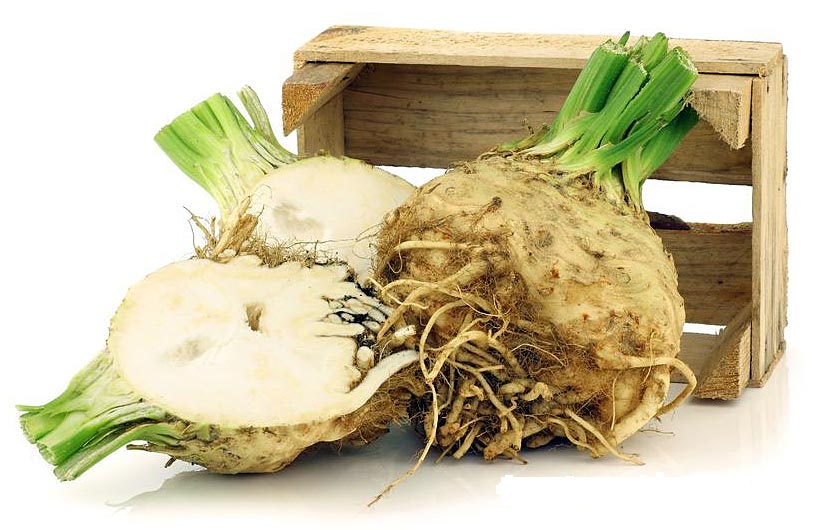
Since celery is a component of many vegetable seasonings, you can make this herb yourself if you wish. To do so, prepare the leaves and stalks: wash, dry, and chop. Then, spread them between two layers of natural fabric or paper towel and leave to dry in a dry place. On average, leafy greens will take about a month to dry. After a month, grind the dried greens in a blender, coffee grinder, or by hand (the dry parts will easily crumble into dust). It's best to store the resulting aromatic mixture in a glass container with a lid.
Celery leaves and stalks are also used to make a salted preserve. For this preparation, you'll need 100 grams of salt per 0.5 kilograms of celery stalks and leaves. The stalks and leaves are chopped, packed tightly into jars, each layer sprinkled with salt to act as a preservative, and the jars are sealed with lids. Store these preserves in a cool, dark place.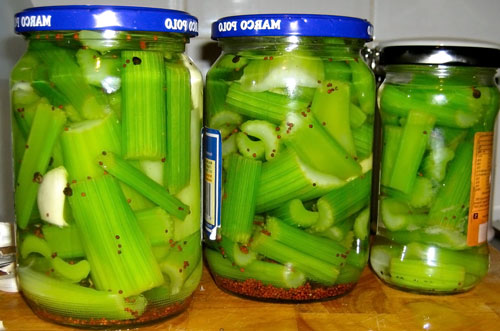
Using various storage methods, you can prepare delicious and healthy dishes at any time using various parts of celery (tubers, leaves, petioles). And if you grow the plant yourself, you can be completely sure that your dishes will contain a wealth of vitamins and minerals.
Zero-waste technologies
Even when large, beautiful tubers are ready for winter storage, and there are still parts of the plant that are unsuitable for this type of storage (small, rotten, small, or half-empty), don't rush to throw them away. They can be used to make very useful vitamin supplements for main dishes this winter.
To do this, peel the roots, trim off any spoiled parts, cut them into small cubes or sticks, and dry them. How to dry celery?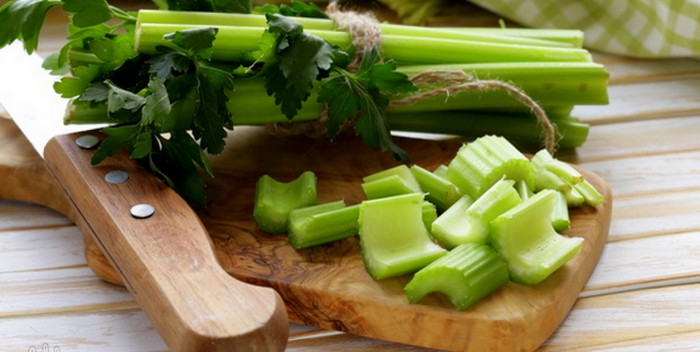
Place the vegetables in a well-ventilated room with a temperature of at least 25 degrees Celsius, on natural fabric or paper towels, and leave for several weeks. Once the vegetables have dried, store them in a glass container with an airtight lid. Vegetables prepared this way will have a long shelf life. They can be added to a variety of soups, broths, and vegetable side dishes, as long as they are properly cooked.
And if you make a seasoning from dried celery by grinding it almost to dust using a blender, then you can use it raw, sprinkling it on ready-made dishes.
By spending a little time growing celery roots, you'll be able to enjoy them fresh until the next harvest. This way, you'll have delicious and healthy dishes on your table all year round.
Root Storage Video
From this video you will learn how to store the plant root.