
How to Properly Store Arugula – Tips from the Pros
Features of greenery
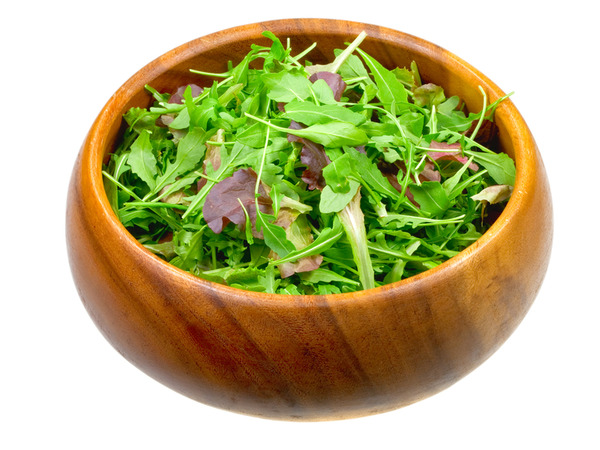
Arugula is a salad plant that belongs to the Cruciferae family. People eat the green leaves, which have a distinctly bitter, nutty, and peppery flavor. For this reason, it is also commonly known as mustard grass. The leaves can be used to make both unusual salads and piquant sauces.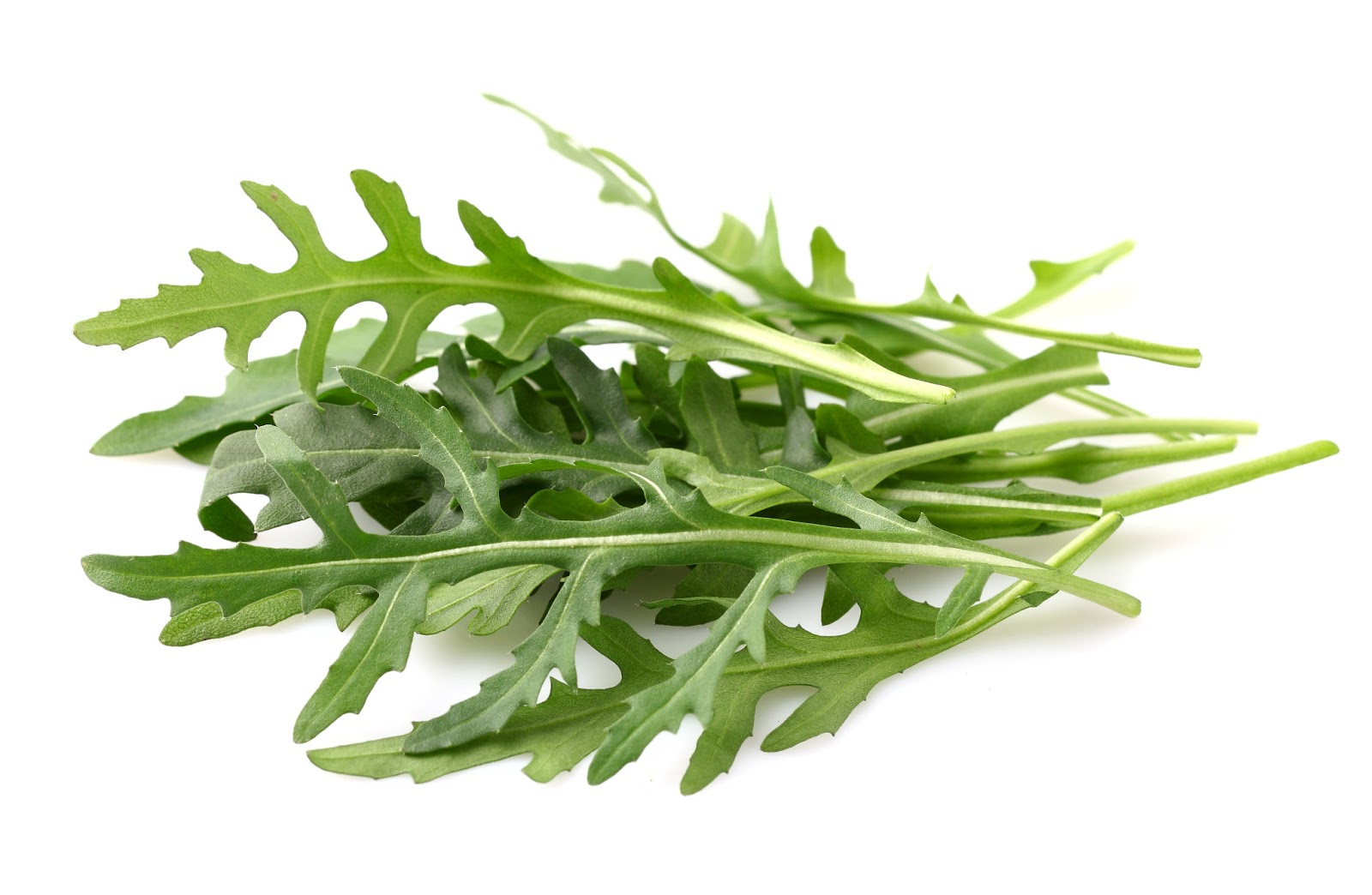
Arugula leaves contain many useful substances:
- vitamins (it is especially rich in vitamins E, B, A, C and K);
- essential oils;
- mustard oil;
- tocopherol;
- phylloquinone;
- flavonoids;
- macro- and microelements: zinc, magnesium, sodium, selenium, iodine, calcium, phosphorus, manganese and a little iron.
At the same time, it's a dietary product. Despite its rich nutritional content, 100 grams of leaves contain only 25 kilocalories. Therefore, it can and should be consumed by people suffering from excess weight.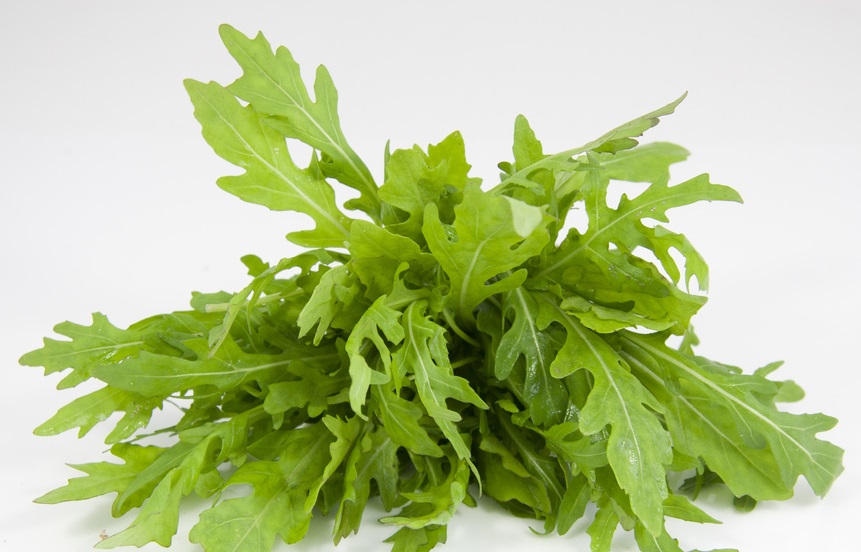
Thanks to its rich composition, this plant is used not only as a seasoning for dishes but also as an effective folk remedy for various ailments. This herb has the following medicinal properties:
- diuretic;
- tonic;
- antimicrobial;
- promotes improved metabolism;
- strengthens the immune system;
- helps improve the functioning of the digestive tract.
In ancient times, this herb was even believed to be able to stimulate sexual desire. In the Caucasus, this plant was once used to combat scurvy.
Arugula was first cultivated about 100 years ago. Before that, people collected the leaves from the wild plant.
Numerous studies have demonstrated its benefits to humans, which contributed to the herb's domestication. The plant is also completely undemanding of the soil in which it grows. Therefore, it is now widely cultivated in Asia and Europe.
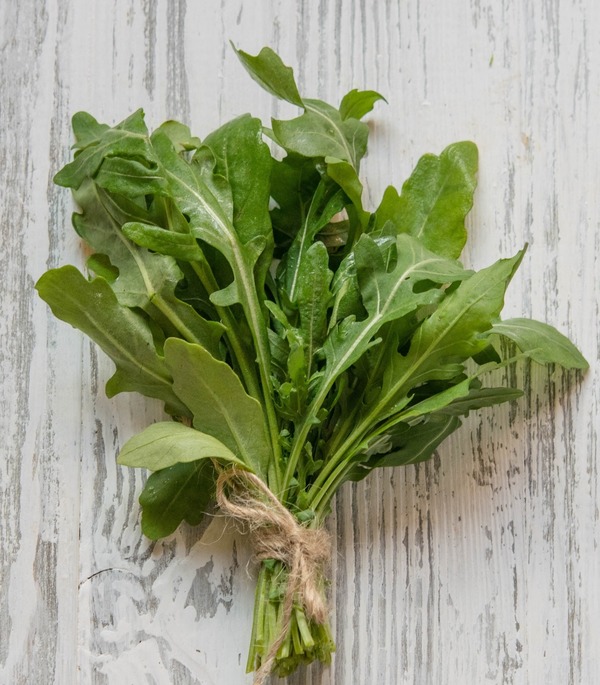
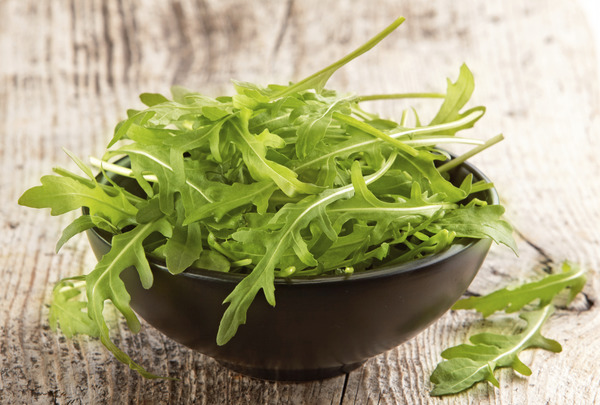
After planting the seeds, the first shoots appear within five days. If well-watered, they'll quickly develop their first tender leaves. Arugula can easily be grown indoors. The seeds are sown in a pot, allowing you to create a small garden on your windowsill. Those who don't want to bother with growing this herb at home can simply harvest the produce grown in their garden during the summer.
Video "Growing"
This video will show you how to grow aromatic arugula.
How to store
To ensure your harvested arugula enjoys all its beneficial properties, you need to know a few nuances. After all, not everyone knows how to properly prepare this plant. Before harvesting, you need to select the best harvest. To do this, carefully inspect the leaves and select only those with a vibrant color. The plant's leaf blades should be free of damage, disease, or insect infestation. This inspection should be applied not only to home-grown arugula but also to those purchased at the market or supermarket.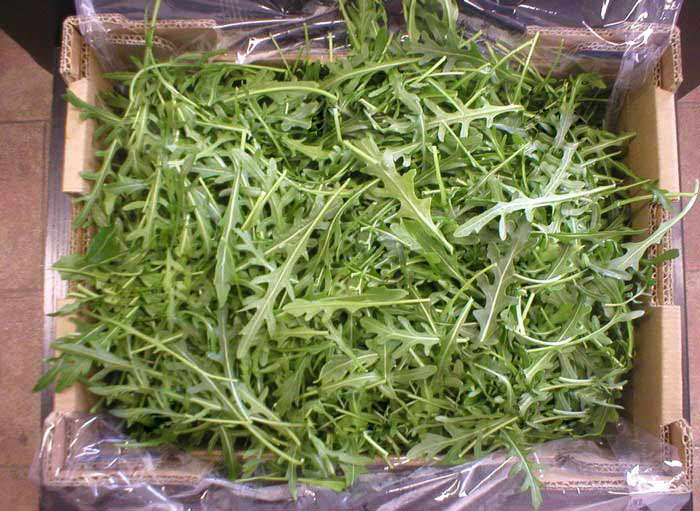
The answer to the question "how to preserve arugula for the winter" will depend on the method chosen. Currently, there are several ways to store this herb:
- in dried form;
- in the refrigerator.
To determine which method will be more effective in preserving the plant's beneficial properties, it's important to understand both options. Therefore, let's examine them in more detail.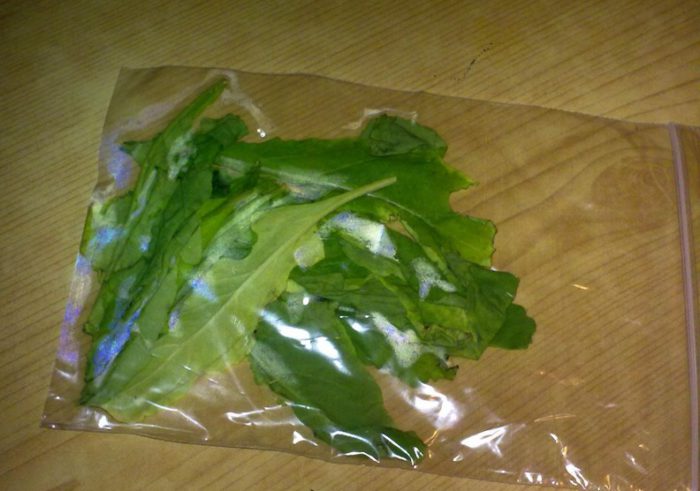
Drying is the best way to preserve this spice. However, arugula must be dried in a specific manner to preserve all its valuable properties. The following procedure is used to prepare the dried herb:
- we select good and fresh greens;
- we wash it well with water;
- then we cut the leaves into small pieces and lay them out on a baking sheet or newspaper;
- Next, the greens need to be dried. To do this, it is recommended to place the chopped greens in a warm, dark place. Drying should continue for 5-6 days.
The process of drying and preserving arugula is very similar to preserving parsley and dill. So, if you've preserved these herbs before, you shouldn't have any problems with arugula.
Drying the plant in the oven is also possible. However, when choosing this drying method, remember that the oven temperature should not exceed 40 degrees Celsius. The leaves should be laid out in a single layer to ensure better and more even drying.
Once the herb is thoroughly dry, it should be transferred to a glass jar for storage. In this form, the dried product is good for use throughout the year, and then the next harvest will be ready.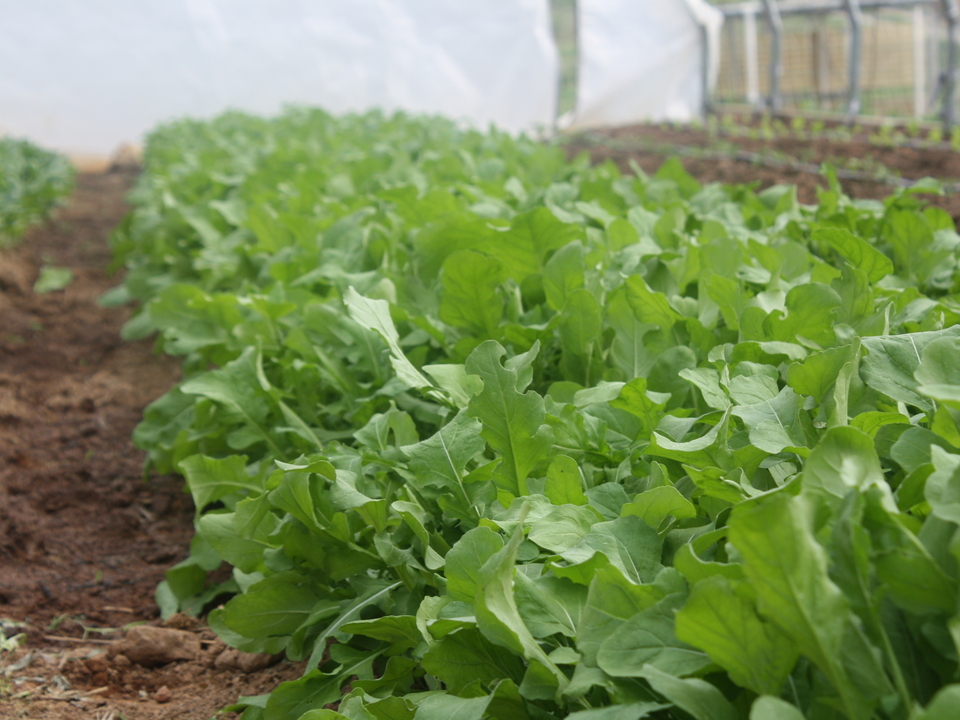
In dried form, this crop is used as a spice for meat and fish, and is also added to stewed beans and various broths.
The second method for storing the herb is frozen. In this case, the process of preparing the leaves themselves for storage is not much different from the first method. The plant also needs to be thoroughly washed, cut into small pieces, and slightly dried. Drying in this case removes any moisture that remains on the leaves after washing. Once the arugula has dried slightly, it is packaged in plastic bags. For convenience, the herb can be placed in plastic containers if you have extra ones. Containers are considered a better option, as bags can be damaged during storage. Store containers and bags in the freezer.
This storage method allows the leaves to remain fresh until winter. Therefore, arugula can be used as a valuable ingredient in a variety of salads.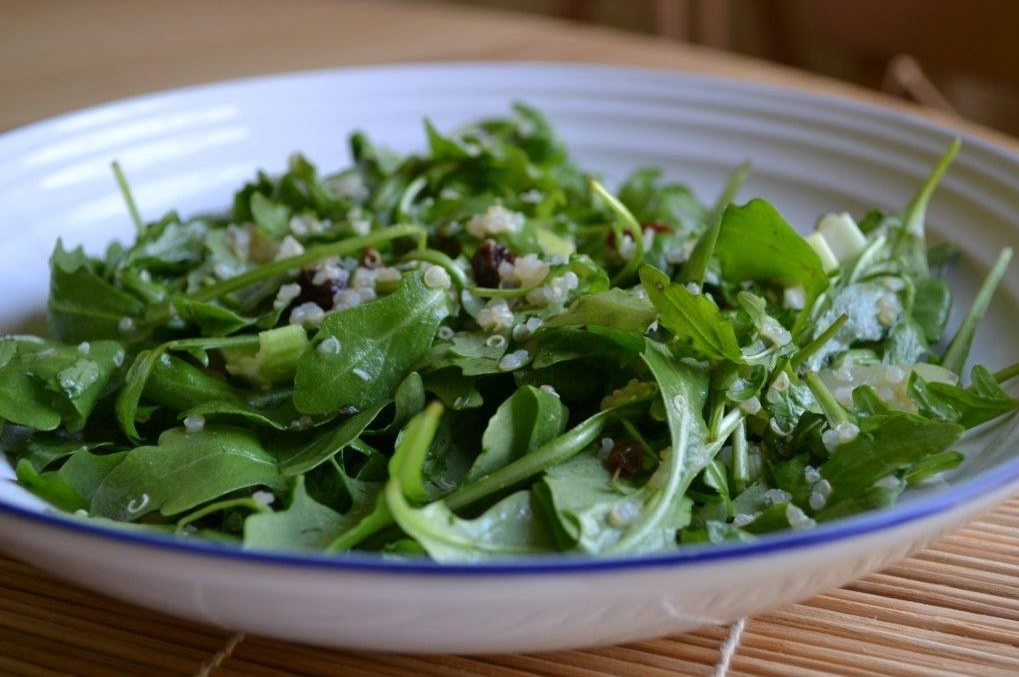
When storing the plant in the freezer, you can freeze the leaves whole instead of cutting them into small pieces. To do this, rinse them thoroughly with water and place them on paper towels. Allow the leaves to dry in this manner. No moisture should remain on their surface, as this will negatively impact the product.
Once the leaves are dry, arrange them in containers and place them in the freezer. Remember not to overfill the containers with leaves. Leave some space inside to easily remove as many leaves as needed. It's important to keep the leaves away from air during storage. Therefore, they are often tightly sealed with plastic wrap. Otherwise, they may absorb the odors of other foods stored in the freezer, creating an unpleasant odor. Therefore, when using containers and other containers, always ensure the lids fit tightly to create a 100% airtight seal.
Whole frozen leaves are suitable for salads and can be fried to make a paste.
Experts note that frozen herbs can be stored for no more than a year. Therefore, it's advisable to use both storage methods. This way, when the frozen leaves are used up, you'll still have some dried herbs left over.
When planning to store arugula at home, it is important to remember the following points:
- Purchased or picked herbs should be dried or refrigerated immediately, as they quickly lose their vitamins. For the same reason, buying herbs for future use is not recommended. The only thing you can do in this situation is wrap the stems of the plants in plastic wrap. Fresh herbs can last a few days longer this way.
- Finely chopped leaves can be poured into cubes with butter. They can also be stored in the refrigerator in this form;
- In the freezer, store bags or containers of arugula on the bottom shelf.
Arugula is a valuable product rich in many beneficial nutrients. It's easy to grow both in the garden and at home. Therefore, eating it can improve your health. Therefore, storing this herb at home is becoming increasingly important, as it allows people to obtain its beneficial nutrients year-round. Properly storing the leaves of this crop for the winter will help you maintain your energy and health throughout the year.
Video "Harm and Benefit"
This video will tell you about the benefits and harms of arugula.