
How to Store Celery Root: Basic Rules
Content
Selection of root crops for storage
During the cold season, garden and allotment crops become more expensive. Growing your own is a great way to avoid this. If you approach the matter correctly, you can have a good harvest of celery root by the end of autumn.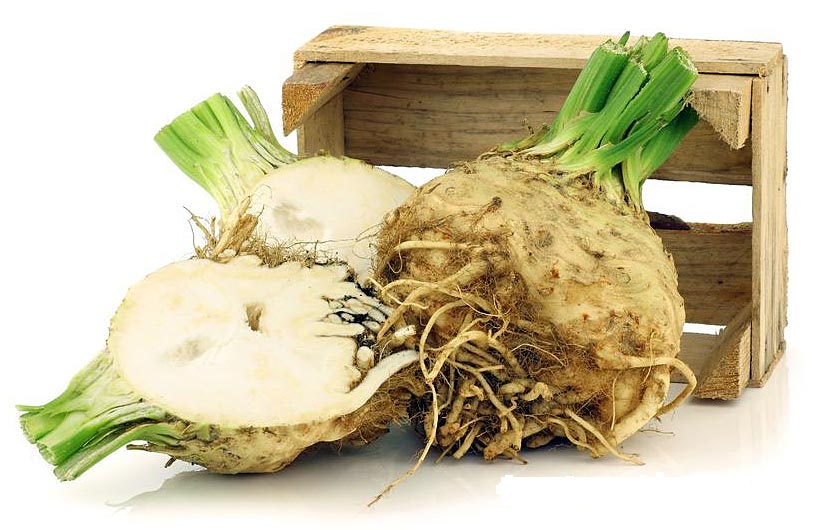
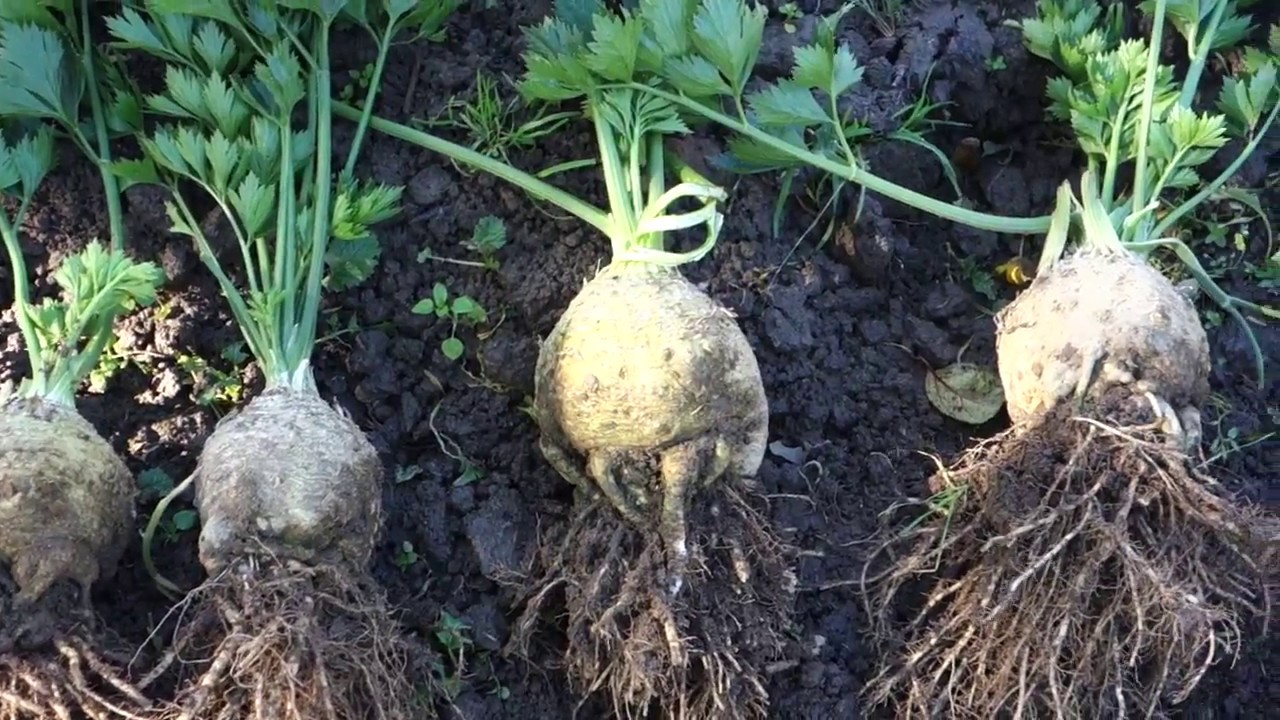
But in order to store celery root for the winter, it is necessary to properly select the underground part of the plant and prepare it for storage. Experts advise against rushing to harvest root vegetables from the garden. After all, after spending a long time underground, they acquire the following beneficial properties:
- increase in size and become more mature;
- The surface skin acquires the necessary hardness, making the roots less susceptible to the negative effects of pathogenic microflora. During harvesting and transportation, the risk of damage to the underground parts of the plants is reduced.
When harvesting and selecting root vegetables, avoid the first frost. Frozen roots will not store well. Therefore, choosing the right timing is crucial.
In temperate regions, celery root harvesting occurs in late September. A weather forecast will help determine a more precise timeframe.
A month before the expected harvest, trim the shoots and lower leaves from the plants. They've already served their purpose. The root vegetables will ripen on their own for the last month. However, you can leave the tops on, as they'll make it much easier to extract the rhizomes from the ground.
It's not recommended to use a shovel to remove roots from the soil, as it can easily damage the underground parts of the plants. Damaged roots should not be stored.
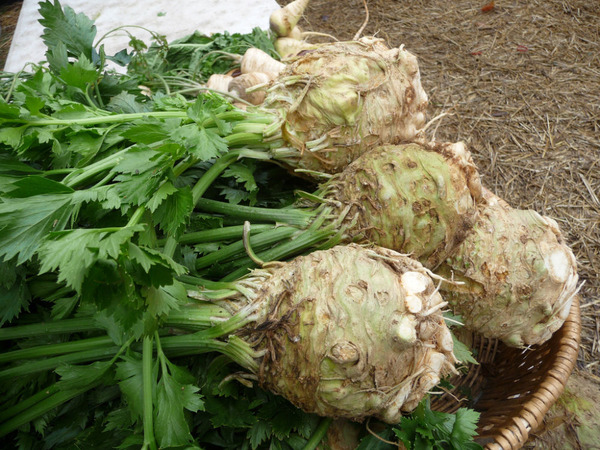
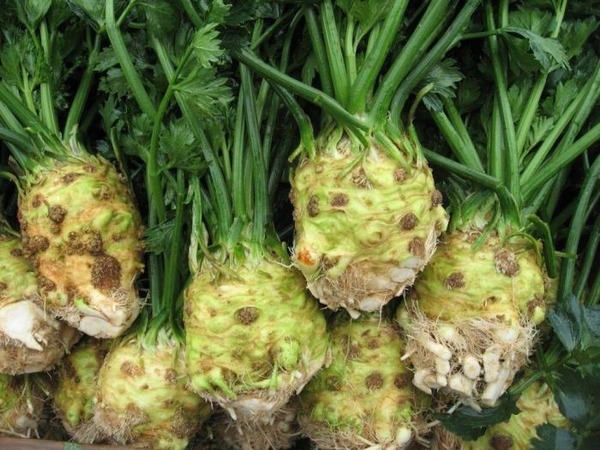
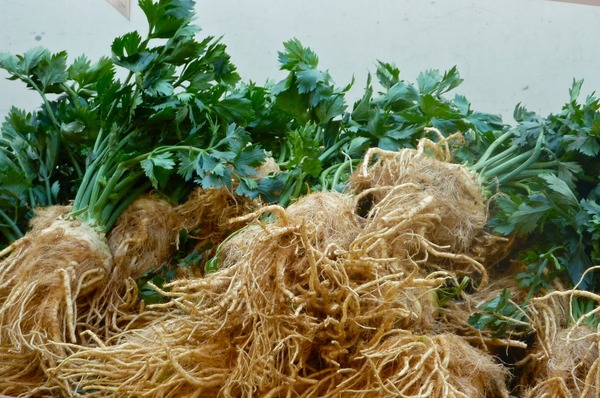
The best solution is to pull the crop by the tops. Once the roots have been removed from the soil, it's important to select the best ones. This is done by checking for quality:
- a soft top indicates that the root will soon begin to rot;
- When tapping on the underground part, there shouldn't be a ringing sound. This indicates that there are voids inside. Such specimens won't last long.
Once the root crops have been selected, the following actions are carried out with them:
- All tops are cut off (if they haven't already been removed). Leaves are cut at an angle. Only petioles, which should be a maximum of 2-3 cm long, can be left. When pruning, it's important not to damage the apical bud;
- thin roots are removed;
- the roots are cleared of soil;
- Sorting the specimens. Root vegetables with smooth, even skin are best for storage. The skin surface should not be knotty.
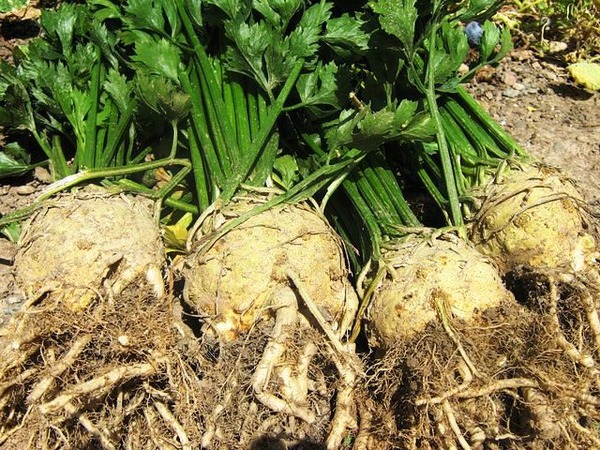
It's worth noting that good celery should have vibrant coloring on both the leaves and the underground portion. There shouldn't be any spots or yellowing on the plant. Naturally, all specimens should be healthy. If any specimens look untrustworthy, they should be discarded. These are excellent for processing and can be dried and used as a seasoning.
Video "Growing"
From the video you will learn how to grow celery.
Storage in an apartment
Celery root is a forgiving plant that, if stored properly, can retain its beneficial properties until summer. However, to ensure this, it's important to periodically check the stored crop.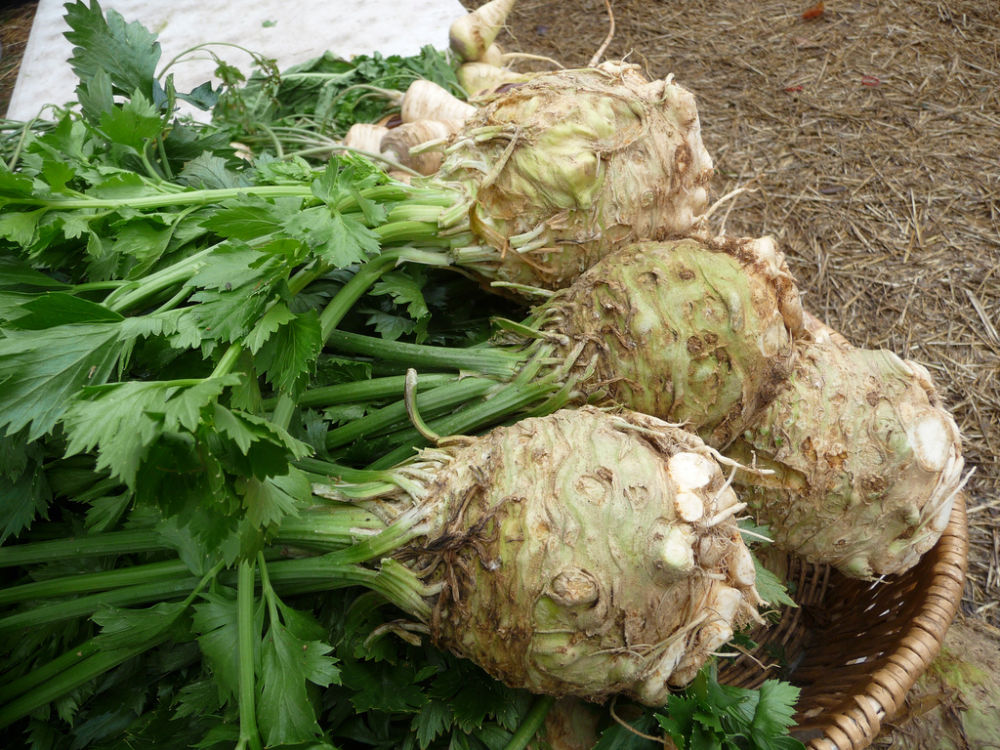
Many people, due to lack of other storage options, store celery roots indoors. A refrigerator is ideal for this purpose. Before storing the roots in the refrigerator, follow these steps:
- the selected specimens are washed;
- Dry them thoroughly. There should be no water left on the surface of the roots;
- The dried root vegetables are packed into plastic bags.
In this form, the harvest is placed in a compartment intended for storing vegetables.
If you cover each root with cling film, it will stay fresh for about 10 days.
The main drawback of storing prepared foods in a refrigerator in an apartment is the lack of space. The refrigerator will only hold a small amount of food, which is unlikely to last the entire winter.
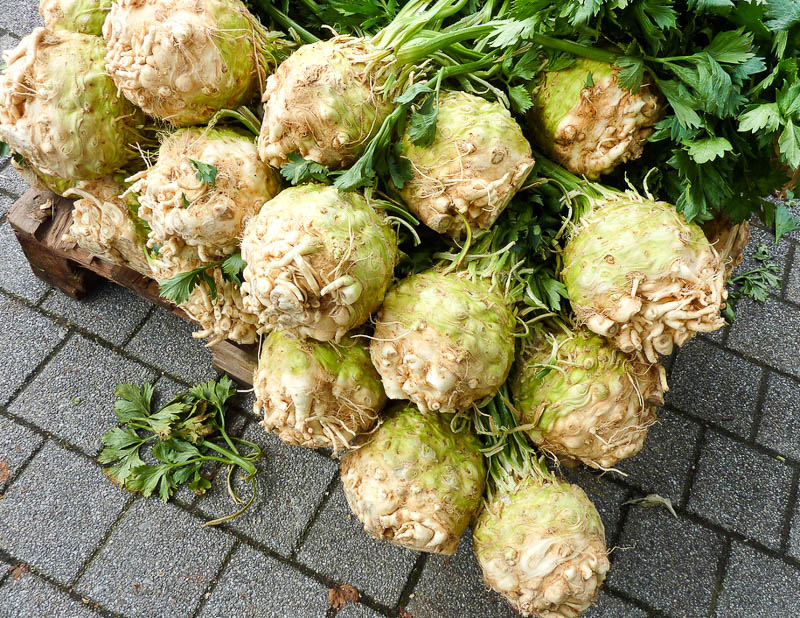
Additionally, celery root can be stored this way for use in vegetable stews or soups. Celery root becomes unsuitable for raw consumption if exposed to subzero temperatures for extended periods. This is important to keep in mind when stocking up on this produce at home.
Storage in the basement, garage
The best storage solution for this crop is a garage or basement. However, it's important to remember that best results are achieved with a humidity level of at least 90% and a temperature between 0 and 1°C (32°F and 33°F). If the room maintains these conditions during the cold season, it can be safely used to preserve the harvested crop.
The harvest can be stored in a garage or basement, as well as in any other suitable room, in the following ways:
- A large box is filled with damp sand. This will be where the root vegetables will be placed. Externally, this structure will resemble a modified garden bed. The underground portion of the plants should simply be "planted" in the sand. The top of the container should have holes for ventilation.
- Root vegetables can be dipped in a "mash" made from water and clay. After soaking, allow the roots to dry thoroughly. Once dried, they are stored in stacks;
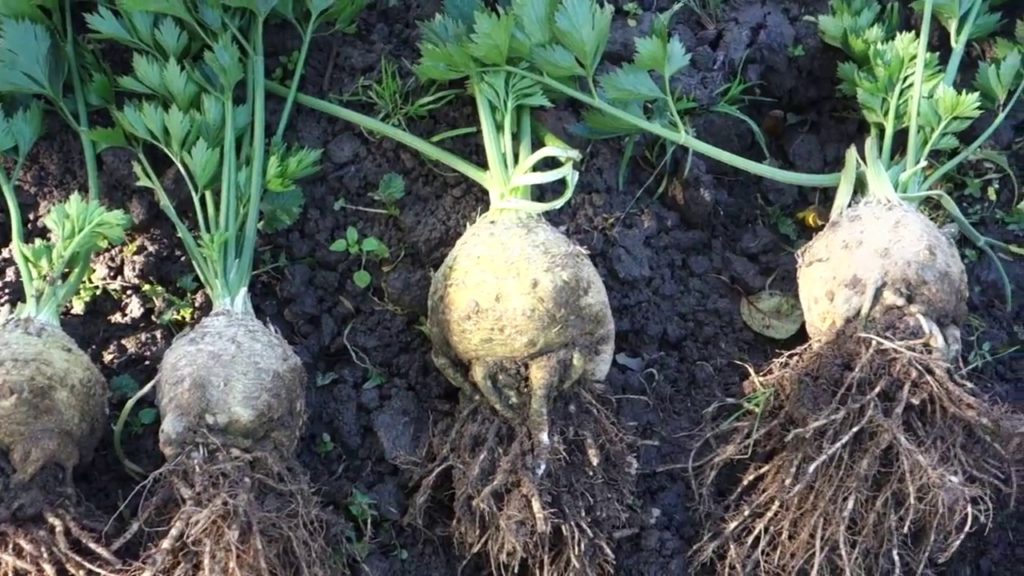
- The rhizomes can be laid in trenches. Each layer of the harvest should be sprinkled with sand. The trenches are covered with straw, and then topped with soil. The soil layer should be approximately 15 cm thick. This method is suitable for southern regions of the country, where the soil does not freeze deeply during the winter.
To better store root vegetables, you can add lime, chalk, or onion peels to the sand. Make sure to keep the sand moist at all times. Vegetables can be placed in plastic bags to ensure better preservation.
Now you know how to properly store celery root in an apartment, garage or basement.
Video "How to store"
This video will show you how to properly store celery.