
What you need to know about houseplant hygiene
Content
The role of hygiene in general care
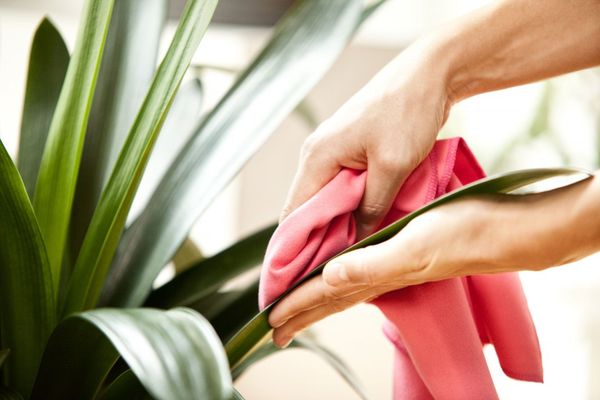
All indoor plants grow in a specially created climate and rarely experience external conditions. Therefore, they are protected from adverse environmental influences. These plants are unaffected by heavy rains, strong winds, dust, and dirt.
Despite this, indoor plants become contaminated with dust, which can clog their stomata, leading to the following negative consequences:
- respiratory and gas exchange disorders;
- slowing down the evaporation of moisture from the surface of the leaf blade;
- deterioration of photosynthesis.
Pet hair can also contaminate flora. Therefore, flowers growing on windowsills require additional hygiene procedures, while their wild relatives are "cleaned" by nature itself.
Specimens growing in the kitchen especially often require cleaning. It is this room that is considered the dirtiest in the house due to the almost continuous process of cooking.
It's worth noting that proper hygiene not only cleanses plants of impurities but also rejuvenates them. Therefore, flowers that are regularly "cleaned" delight their owners with more abundant and beautiful blooms.
Video: How to Care for Houseplants
This video will teach you how to care for indoor plants so they don't get sick.
Hygiene procedures
There are various approaches to cleaning indoor plants, each with its own unique characteristics. We'll discuss each in more detail.
Dry cleaning
Dry cleaning usually precedes wet cleaning. However, if necessary, plants can survive on this method alone for a while. Both wet and dry cleaning are essential for species that produce folded and pubescent leaves. Cacti are also included in this category.
Dry cleaning should precede wet cleaning because when wet, dust turns into sticky, dirty clumps that are very difficult to remove even with thorough washing. Furthermore, dirt on the leaf surface makes it difficult to thoroughly wash.
This type of cleaning is performed with a brush. Its softness allows it to effectively remove any dry dirt, avoiding damage to leaves and other debris.
Spraying
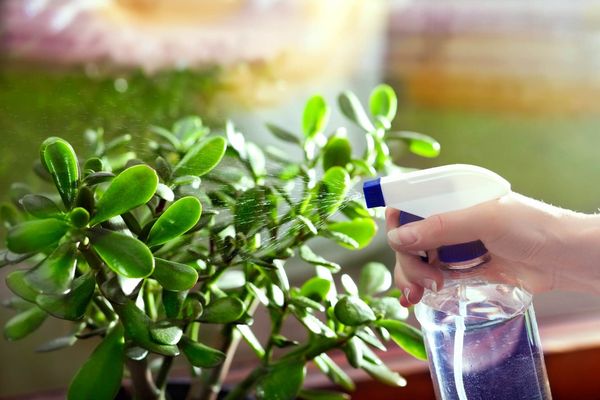
All moisture-loving species respond well to misting. Fast-growing varieties and those in the budding stage respond particularly well. A "warm shower" can accelerate bud break, stimulating the formation of not only buds but also new shoots. The only exception are plants that produce pubescent leaves.
This procedure should be performed exclusively with soft, settled water. If hard water is used, limescale stains will form on the plants after the moisture dries. These stains not only spoil the flower's appearance but also clog its pores. Spraying should be done with a spray bottle. Avoid contact with the buds.
Wet cleaning
This is used if the flower has become heavily soiled. The leaves should be washed with soapy water. This procedure also serves as an excellent preventative measure against various pests and pathogenic microflora.
The leaves are first washed with soapy water, and then rinsed with clean water. Be sure not to let the soapy solution get into the soil.
Time and frequency
During the warmer months, hygienic procedures are performed every 14 days (more often if necessary). In winter, they can be skipped altogether. The only exceptions are tropical varieties. Cleaning is best done in the evening after watering or early in the morning, before the first rays of sunlight hit the pot.
By properly performing hygiene procedures, you will protect your flowers from dirt, pests, and diseases.