
Secrets to growing and caring for fennel at home
Content
Description and characteristics
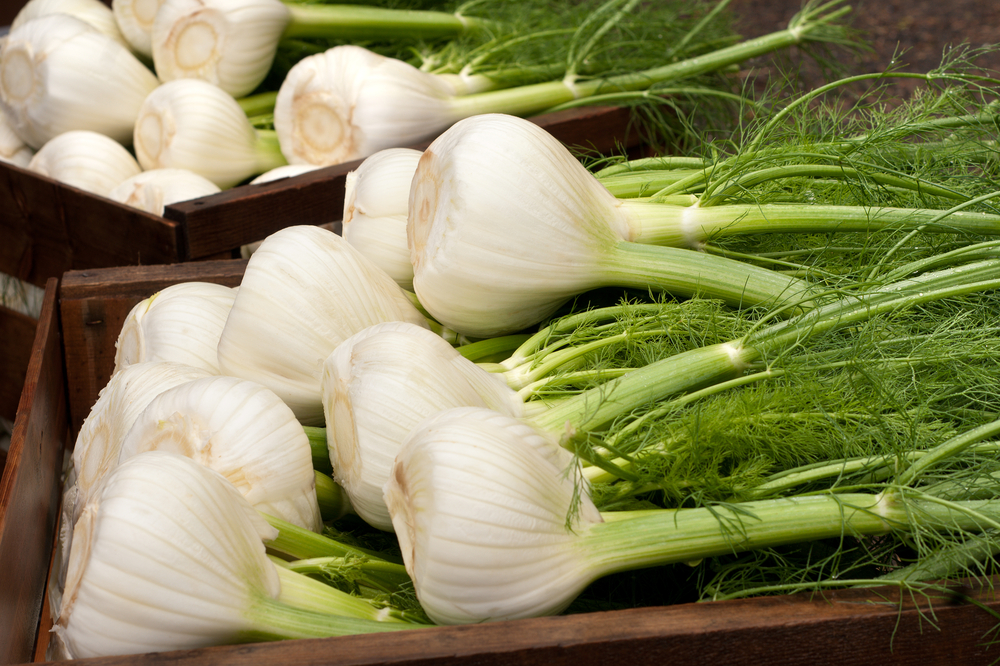
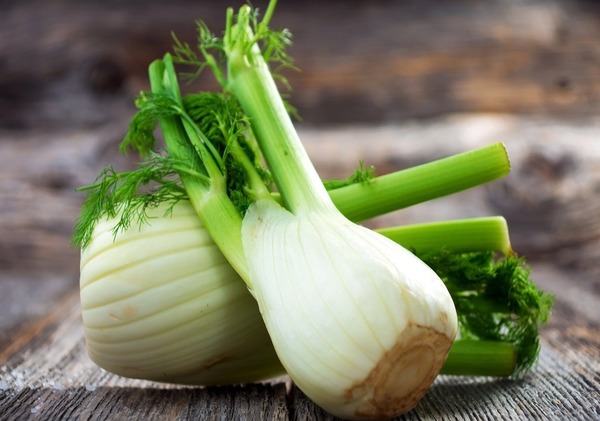
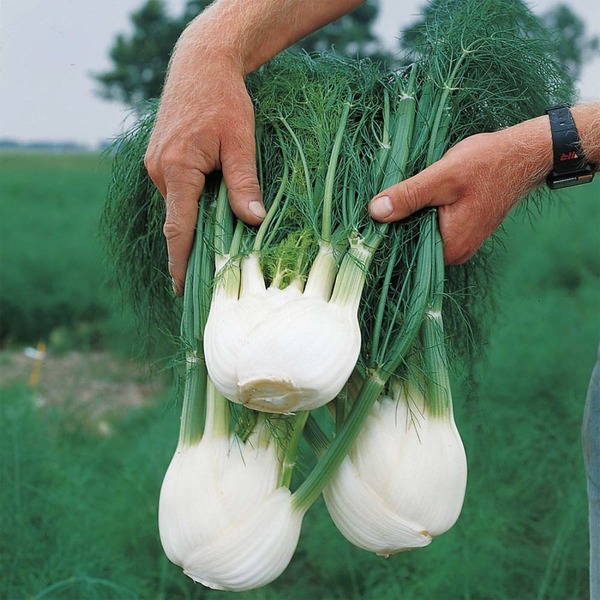
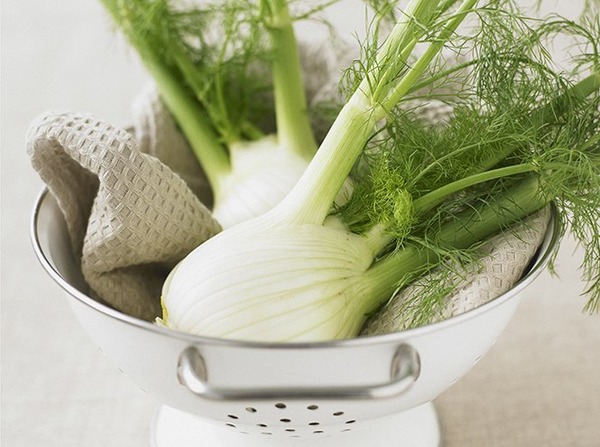
Common fennel is a member of the Apiaceae family and is a perennial herb. However, many gardeners and homesteaders prefer to plant it annually. The most well-known type of fennel is vegetable fennel. Its fruits have a pleasant, distinctive flavor, making them widely used in cooking.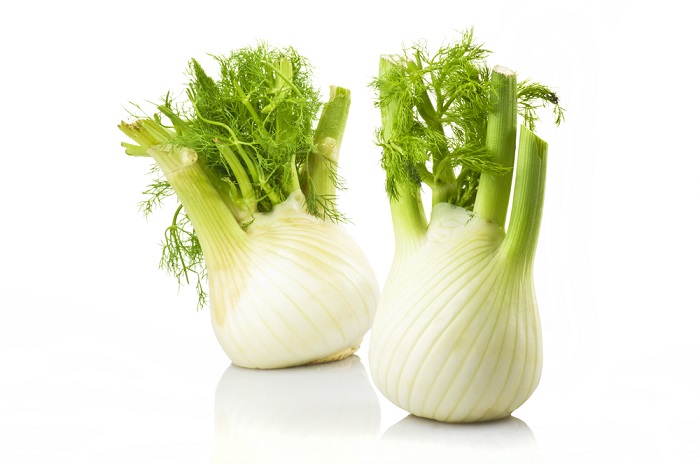
The plant is quite tall, reaching up to 2 meters in height. It is also quite vigorous and branches vigorously. Vegetable fennel has a whitish coating on its green parts. Its bright green leaves resemble dill. During flowering, umbels of small yellow flowers form on the plants.
Vegetable fennel isn't the only type of plant commonly grown in gardens. There are also:
- Aroma is a plant characterized by medium ripening speed. Harvesting begins just 2.5 months after planting. Up to 3 kilograms of fruit can be harvested from a square meter.
- The leader is vegetable fennel, which matures quickly. The plant reaches a height of 1.8 meters. The seeds usually germinate 1.5 months after planting.
- Udalets is a mid-season, medium-sized variety. Fruits average 120 grams in weight. Individual plants reach up to 0.6 meters in height.
- Luzhnikovsky Semko. The fruit of this variety weighs over 0.2 kilograms. Seed ripening takes 2.5 months.
- Autumn Beauty is an early-ripening variety, maturing in about 40 days. Plants reach 1.8 meters in height. The leaves of this "beautiful" variety have a pleasant scent.
Features of cultivation
Want to grow fennel at home? Be aware that growing fennel has a number of unique features.
It's best to give the crop plenty of space in the garden. This means fennel should be planted away from other plants. Care requires ample watering. If the herb doesn't get enough water or nutrients, it will grow roots toward other plants, thereby suppressing them.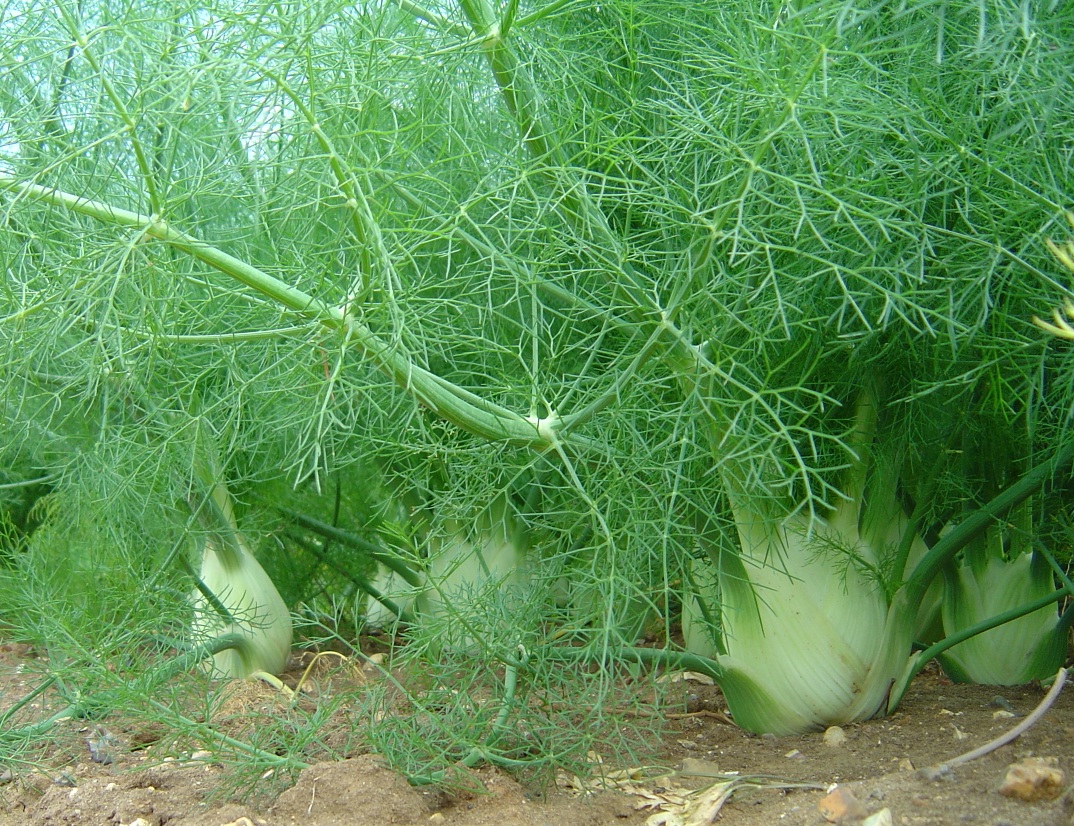
Common fennel reproduces well by self-seeding. This feature is a boon to many gardeners.
Just as caring for the plant itself is important, so is its "neighbors." Tomatoes, legumes, peppers, cumin, and spinach are undesirable companions, as they will be suppressed by the fennel. However, the plant will have a beneficial effect on cabbage and cucumbers: the aroma of the herb will repel aphids. However, it's important to water cucumbers and fennel frequently and thoroughly, as they thrive on water.
Common fennel benefits not only humans but also the land where it grows. The scent of its flowers attracts insects that pollinate other plants.
Video: How to Grow Fennel Properly
In this video, experienced gardeners explain all the intricacies of growing fennel.
Growing from seeds
The easiest way to grow the crop is by sowing seeds. Plants have a high germination rate, and seeds can retain this germination rate for two to three years after harvest. Fennel can also be propagated by root division, but this method is rarely used at home due to its complexity. Furthermore, plants propagated this way have a significantly lower survival rate.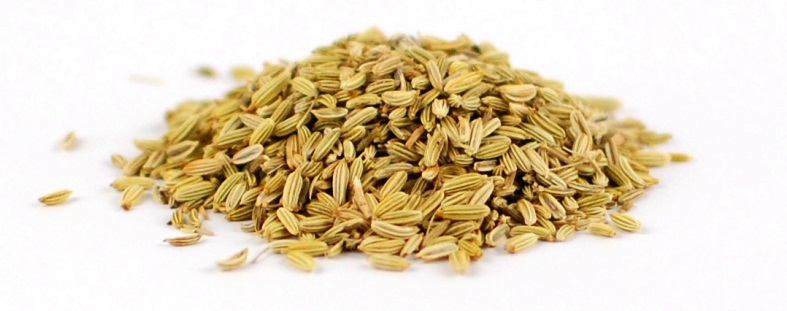
Planting seeds outdoors can be done twice a year. The first time is in April-May, the second time in August-September. When planting seeds outdoors, they are planted an average of 2 centimeters deep. Fertilizers should be added to the soil: compost and slaked lime. The ratio of nutrients should be one bucket of compost per square meter. Minerals can also be added to the soil: a couple of tablespoons of superphosphate per unit area.
After planting the seeds in the spring, cover the area with plastic or cling film. The bed should remain covered until the first sprouts emerge. This will ensure the seedlings remain warm and moist.
To successfully grow fennel from seeds, you need to select good seed material. It's best to purchase it from specialty stores. They typically offer two types of seeds: common fennel and vegetable fennel. The former is grown for seeds or greens, while the latter produces fruits, which are widely used in cooking.
The first shoots usually appear 10 days after planting. Young seedlings need to be pricked out, removing any "unnecessary" plants (weak or poorly developing ones). This will allow the remaining fruits to fully develop, ensuring a high-quality harvest.
After transplanting, the seedlings should be spaced at least 15 centimeters apart. They should be fertilized with a mullein solution.
Subtleties of care
Caring for the plant primarily involves abundant, regular watering. Fennel thrives on water, so the soil in which it grows should be consistently and well-moistened. If the plant doesn't get enough water, it will "steal" water from nearby crops through its roots. Care also includes periodic loosening of the soil around the planting. To prevent excessive evaporation of soil moisture, the soil is usually mulched.
Proper care, such as periodic hilling of the stems, also contributes to the active development of fruits. This procedure promotes oxygen access to the plant's roots. Fertilizing fennel with a solution of mullein or green grass will also have a positive effect on the plant.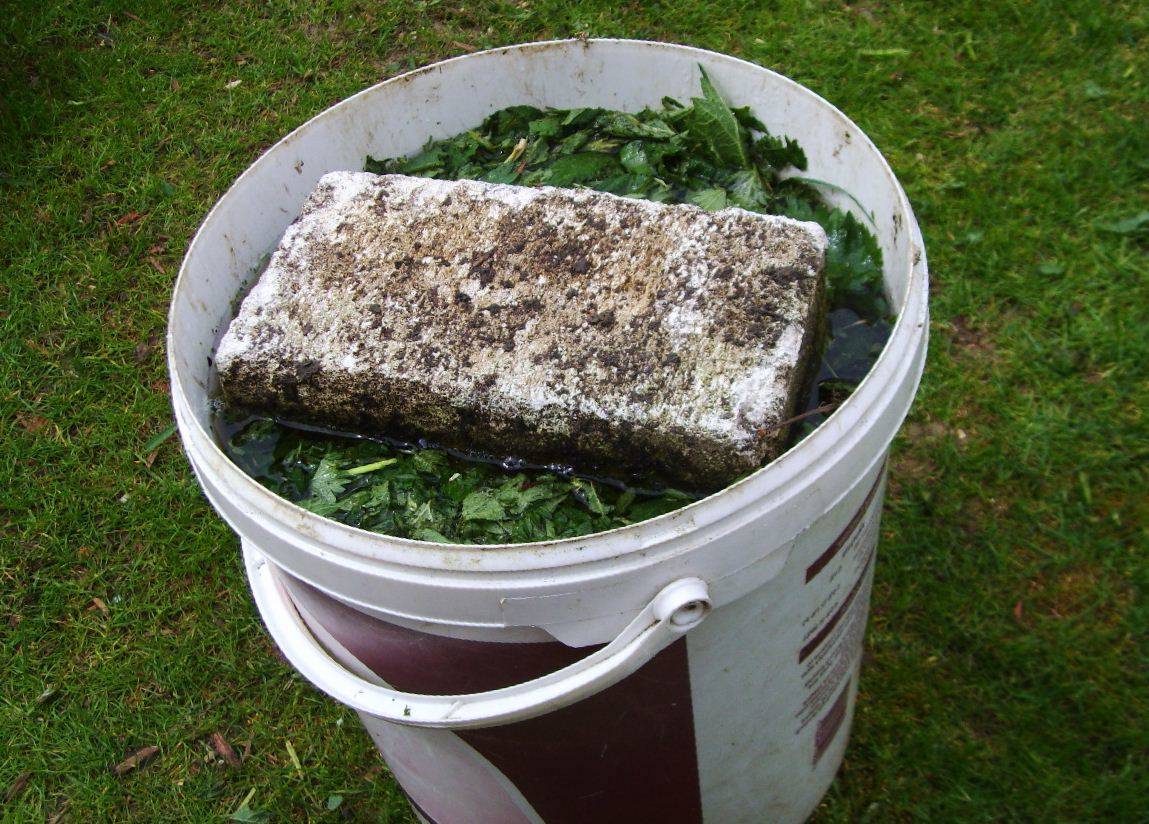
Diseases and pests
In cold summer conditions with a lot of precipitation, the crop can become infected with gray mold.
The plant is often attacked by caraway or carrot moths. In May, the insects lay their eggs, which become fully fledged caterpillars by early summer. They feed on the green parts and fruits of the fennel plant, and cover its inflorescences with webs. Removing the affected plants by the roots and burning them will help get rid of the pest. Prevention involves regular weeding, timely collection of seed, and treating seedlings with special solutions.
So, fennel is an aromatic herb that's quite popular today. Its advantages include various propagation methods, the ability to sow seeds directly into the soil, and the wide range of uses for its fruits and leaves.
Video "Fennel Vegetable"
This video shows how to properly plant fennel seeds.