
Growing black allspice in your garden
Content
Difficulties of growing
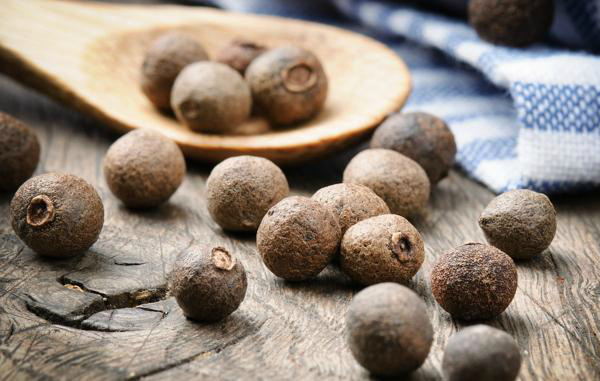 What difficulties might await those who decide to grow allspice indoors? If your plant appears elongated and bare, this could be due to a lack of nutrients and insufficient natural light. If the tips of black pepper leaves have turned brown, this indicates insufficient soil and air humidity. In winter, when growing allspice, yellowing foliage is a risk, which occurs with high humidity. This can result in chlorosis in the soil. If your beloved plant begins to dry out indoors, it could be due to too much light. Placing the plant pot in direct sunlight will result in pale foliage.
It's important to remember that black pepper is a tropical plant, and like all heat-loving plants, it doesn't respond well to cold temperatures. Your favorite plant can even die at temperatures below 10 degrees Celsius.
If you notice white specks on the underside of a leaf during cultivation, don't be alarmed. They will soon turn black, and these formations are a characteristic of the plant and are completely normal.
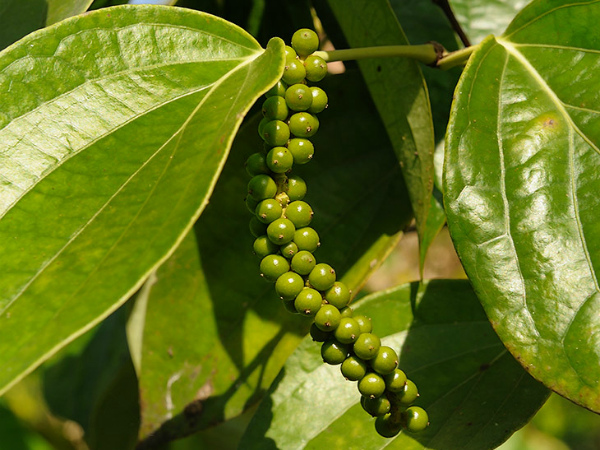
Growing seedlings
Allspice can be propagated in several ways: by seeds, layering, cuttings or division.
To get high-quality seedlings, simply purchase peppercorns from the store. June is the best time to plant the seeds, as the optimal temperature for the crop is 25–28°C (77–82°F). Pre-planting preparation includes calibration. After selecting the largest peppercorns, soak them for 24 hours and then plant them in pots. Before planting, be sure to rinse the peppercorns with boiling water; afterward, they are ready to be planted in the soil. For sowing, you'll need a soil mixture that contains 1 part sand and 50 part sod.
The first fragile sprouts of seedlings can be seen after about a month. Once the sprouts have matured into full-grown plants, transplant them into pots a few centimeters apart. Use pots with a diameter of 7-8 cm for transplanting. When transplanting, black pepper plants should be transplanted carefully, as their roots are fragile.
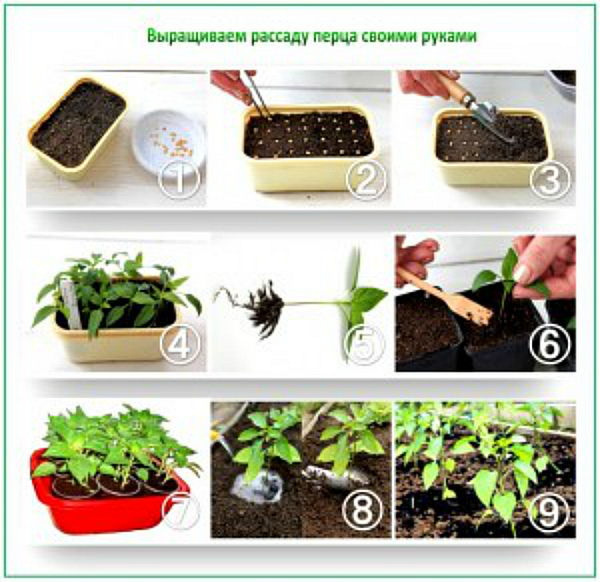
Fertilizing is recommended when the seedlings develop a second leaf. Chicken manure, diluted with water and left for a couple of days, has proven to be an excellent fertilizer. The ratio is 1:10. Alternatively, you can use a ready-made fertilizer designed for deciduous crops.
Once the plant's roots have grown, which usually happens within a week, many people transplant it into a larger pot. It's important to remember that this beloved plant grows wild as a vine, twining around trees, so it will need sturdy support indoors.
You can actually get white peppercorns from black peppercorns by soaking them in water for a week, then peeling and drying them. Green peppercorns are obtained from unripe peppercorns.Only black peas are used for cultivation. Pink, white, or green peas will not produce the plant.The culture of foreign breeds does not require picking, but grows only for one season.
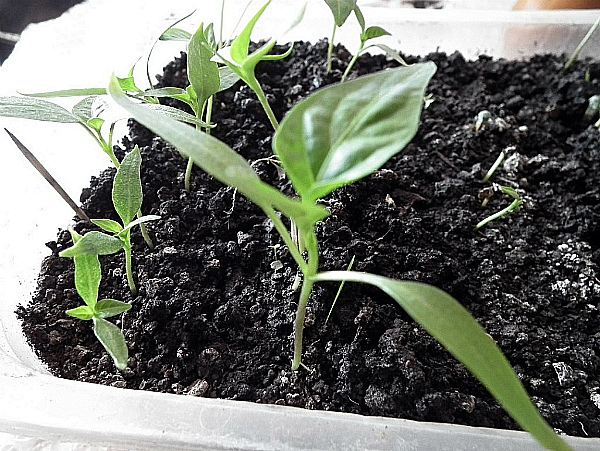
Transplanting into pots and care
After transplanting into separate containers, allspice requires proper care.It requires indirect light. It's best to place the pots on east- or west-facing windowsills. If the pot is located on a south-facing window, it will need to be shaded. If it's located on a north-facing window, the plant may suffer from insufficient light.
When black pepper enters its active growing season, it requires temperatures between 20 and 25 degrees Celsius. A slight drop in temperatures is acceptable in autumn. In winter, temperatures should not drop below 18 degrees Celsius, and in exceptional cases, not below 16 degrees Celsius.
Water generously in the spring and fall. Use settled, soft water. Before each subsequent watering, check to see if the top layer of soil is dry. Watering frequency decreases in the fall, and even less frequently in the winter. Both dry and waterlogged soil are equally harmful to this plant.
Peppers also require high humidity. If neglected, your favorite plant will be susceptible to disease. It's important to mist twice a day. To provide additional moisture, it's recommended to place the pot on a special tray filled with peat or moistened expanded clay.
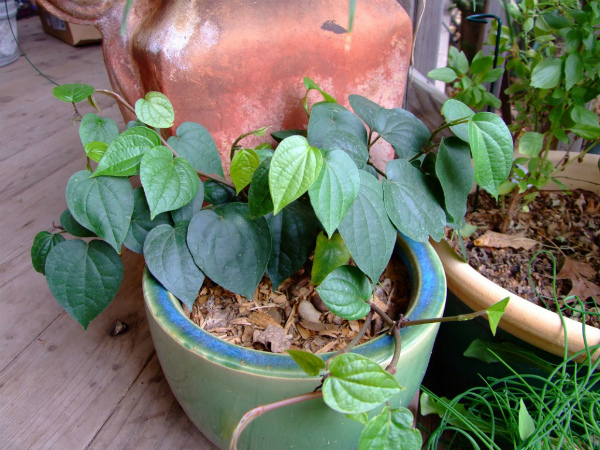
Fertilizer should be applied to the soil once every two weeks during the spring and fall. The plant does not require fertilization during the winter and fall. This plant typically goes dormant during the winter. During this period, temperatures should be maintained at 17-18 degrees Celsius.
Allspice is repotted every two years—this is especially true for mature plants. Young black pepper should be repotted once a year, preferably in the spring. The plant requires a loose, nutritious substrate. One suggested composition is equal parts leaf mold, sod, humus, sand, and peat.
To prevent the soil from drying out, it's recommended to grow allspice in plastic pots rather than clay ones, although clay pots are considered more durable. Good drainage should be placed at the bottom of the pot.
Allspice is a perennial crop. Planted at home or in the garden, it will yield a harvest for years to come.
Video: How to Grow Black Pepper at Home
This video will introduce you to a plant whose fruits are one of the most popular spices, and will also teach you how to grow it on your own windowsill.