
Stalk celery: when to harvest and how to store
Content
Bleaching of petioles
After harvesting, the vegetable's stems may become dull, losing their natural color. There's a high risk of bitterness and excessive spicy notes developing in the flavor. How can you keep the harvest fresh and delicious? It's essential to block sunlight. This procedure is performed when the plant's stems reach 30 centimeters in height. The vegetable ripens quite late, so the stems usually turn white in early fall.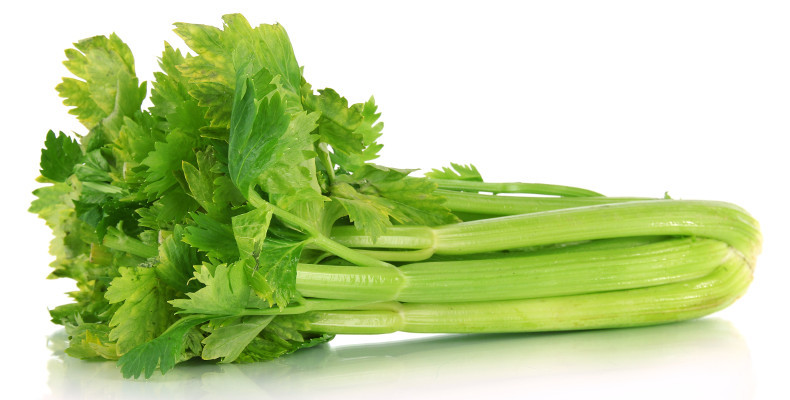
First, gather the leaves into a "bundle" and tie it with thread or fabric. Next, wrap the leaves in whatever material is available. The "wrapper" should lie flat against the ground and be tall enough to accommodate the leaves themselves. Secure the material with twine or regular tape. After about 20 days, the vegetable can be harvested by the roots and, if possible, buried in damp sand in a cellar.
Cleaning times
When is the best time to harvest petiole celery? There's no need to rush to remove the rhizomes from the ground. After all, the longer they remain in the ground, the larger and riper they become. Also, over time, the skin of the fruit hardens, ensuring the flesh of the vegetable becomes well-protected. It can be easily stored and transported. Never leave the plant in the ground during frosts. Under such conditions, the harvest will be completely lost.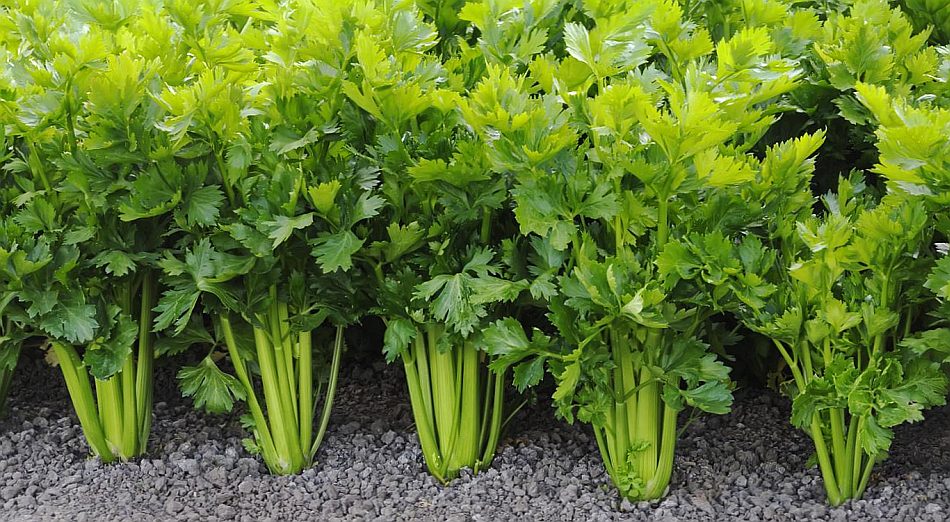
In temperate climates, celery should be harvested around the end of September. The exact harvesting period is determined based on climate and weather conditions. When a month remains before the planned harvest, remove the lower leaves and shoots that have served their purpose. Now the root vegetable should ripen without its green parts.
To avoid damaging the skin of the crop, it is better to harvest without a shovel. The best option is to simply pull the radishes out of the soil by hand. Checking the quality of the radishes is very simple: just touch their tops. If this part of the root is soft, it's starting to rot. Tap the radishes. Do you hear a ringing sound? This means there's a cavity inside the root.
Next, trim the green leaves, leaving small stumps. Thin roots should be removed, and the vegetable itself should be freed from any mounds of soil.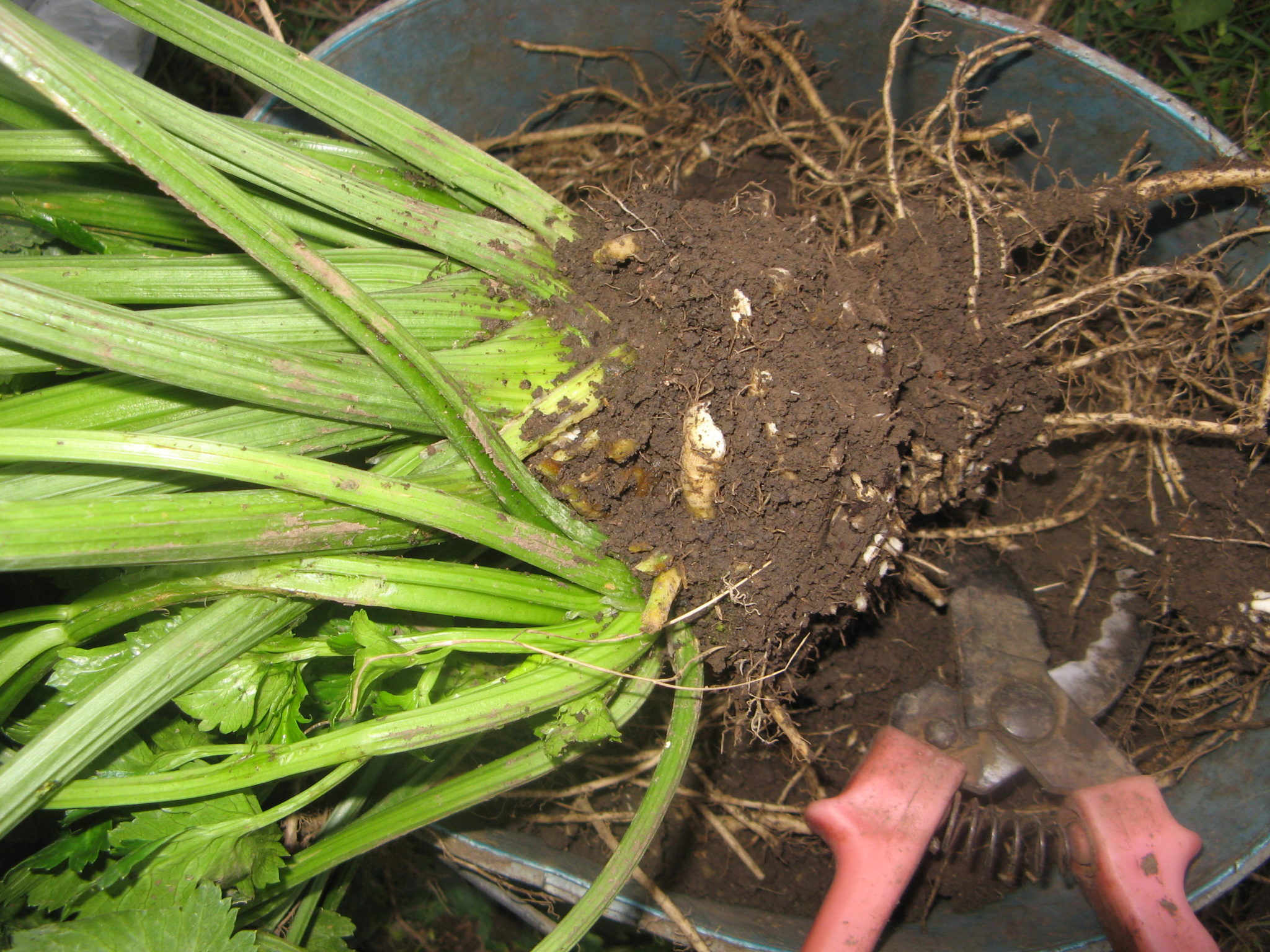
The harvested crop needs to be sorted. Are there a lot of fruits? You can leave a few right in the garden. The underground part of the plant will become unusable, but in early spring, new leaves will emerge. These make an excellent salad. Want to grow a vegetable for yourself for the winter? Grow it on your windowsill in a regular flowerpot.
Video: Harvesting and Packing Celery
This video shows the intricacies of harvesting celery in the garden.
Cleaning technology
When harvesting vegetables, try to avoid physical damage to the fruit. Otherwise, it will be impossible to preserve the harvest. The stalked vegetables will quickly rot. Therefore, harvesting should be done with extreme care and precision.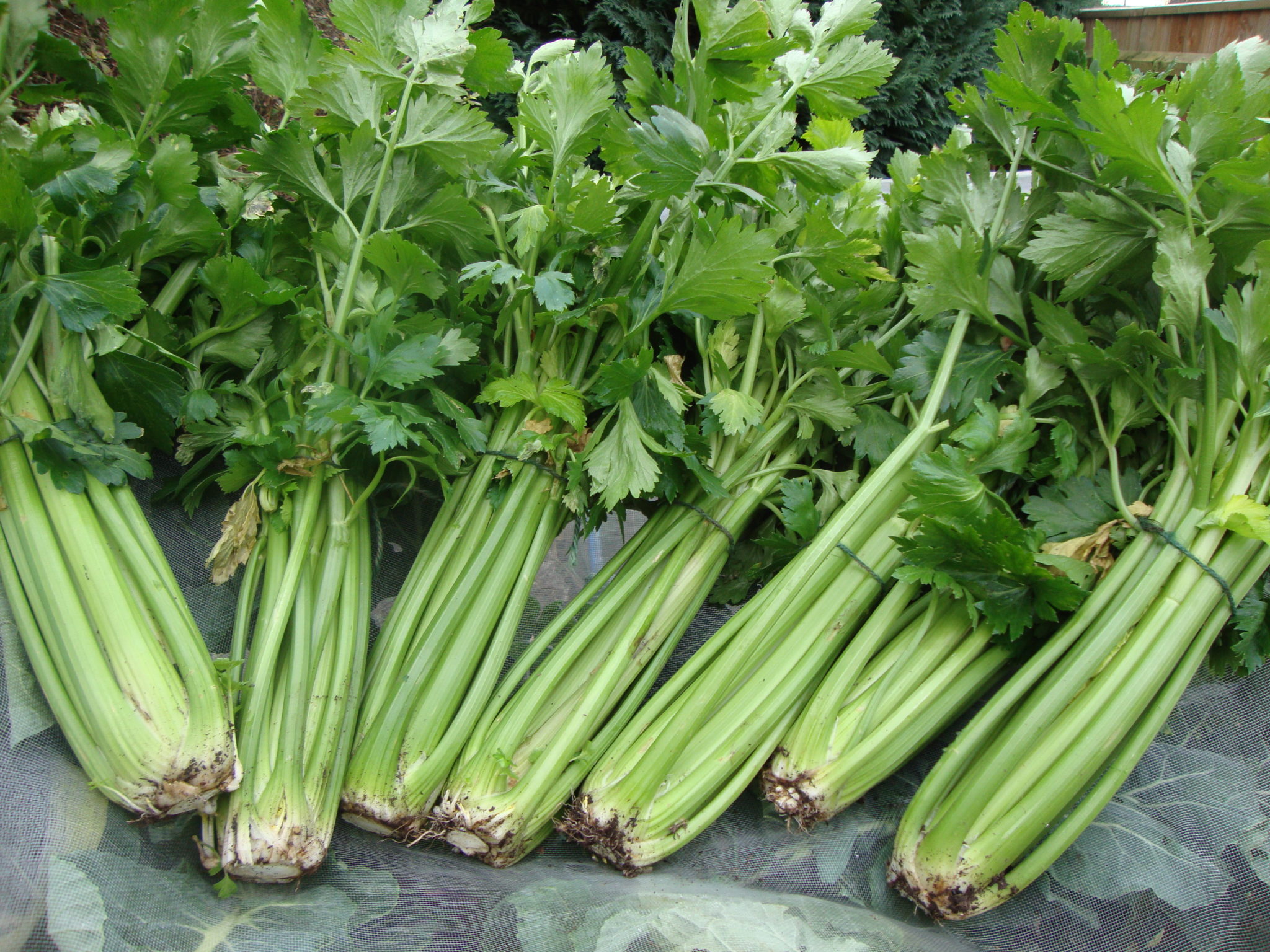
After harvesting the roots and trimming the tops, it's time to sort out any rotten or damaged ones. Drying celery will help preserve it for the winter. Simply leave it in the fresh air for a few days.
Storage
There are several ways to store crops for the winter:
- in the refrigerator;
- in the freezer;
- in dry form;
- in the form of canned food.
Refrigerating the root vegetable preserves all its beneficial properties and nutrients. When storing it this way, thoroughly wash the green parts of the plant, removing any dirt or damaged parts. Afterward, dry the petioles. To prevent the plant from turning yellow and losing its freshness, maintain the correct humidity level. Foil or a regular plastic bag is ideal for this purpose.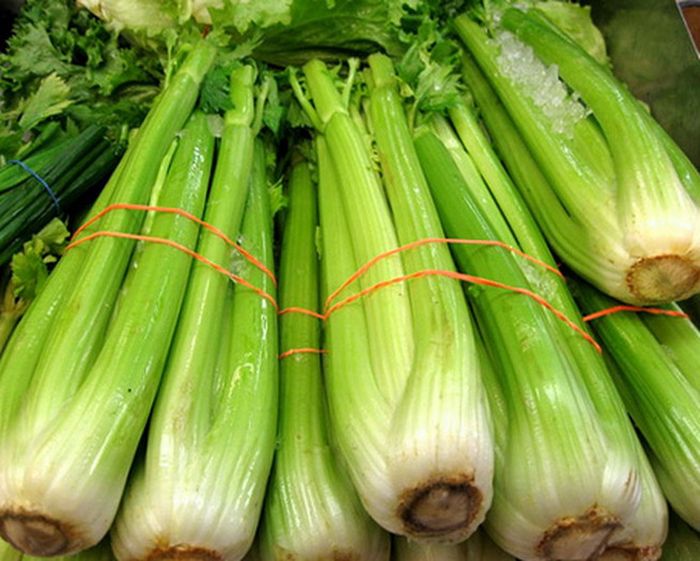
You can either wrap the washed and dried shoots in foil to help maintain humidity, or wrap the dry cuttings in a paper towel and place them in a bag. The first option allows oxygen to prevent rotting, while the second option allows the green parts of the plant to breathe and retain moisture. Harvested in this way will last approximately a month without changing.
Freezing allows the harvest to last significantly longer. Wash and dry the shoots, chop them, and place them in a plastic bag or container. Freezing the harvest allows the crop to last all winter without change. This method of preserving the vegetable allows it to be used at any time. Furthermore, the root vegetable retains its nutritional value even at sub-zero temperatures.
Celery is often used as a seasoning, so it's best to store it dried. Wash and dry the shoots, wrap them in parchment paper, and store in a warm, dry place. After a month, grind the completely dry root in a coffee grinder or blender. Store this seasoning in a jar with a lid.
The vegetable can also be preserved. The salt ratio is 0.2 kilograms per kilogram of petioles. The stalks are packed into the jar as tightly as possible, covered with salt, and sealed. The jars are then stored in a cool, dark place, such as a cellar.
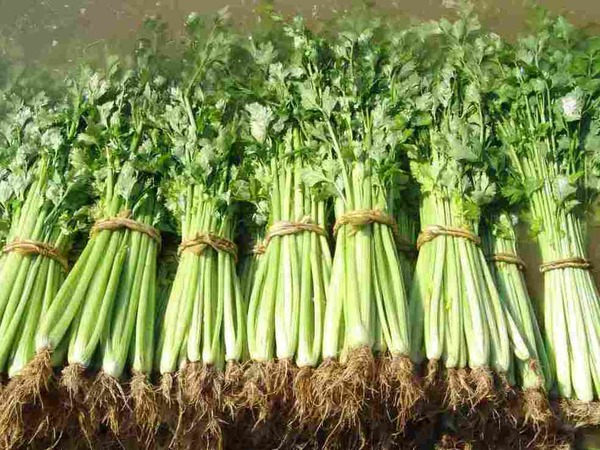
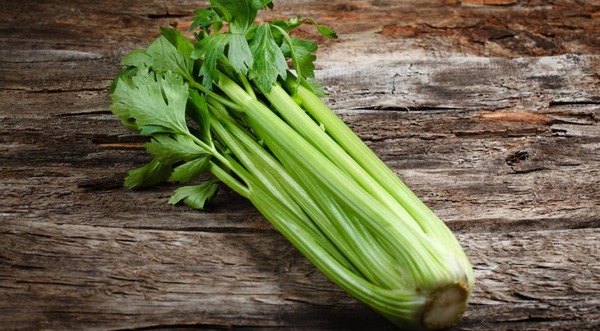
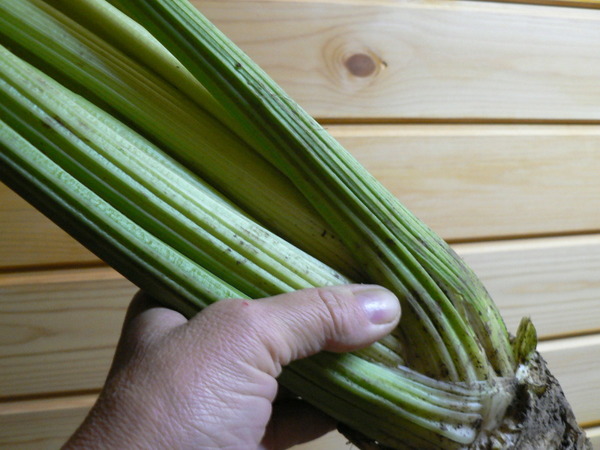
Using different storage methods for this vegetable allows you to enjoy it year-round. You can prepare delicious and healthy dishes simply by adding preserved vegetables. And if you even grew the vegetable yourself, its benefits are unquestionable.
So, stalk celery is a tasty and healthy herb. Proper, timely harvesting is the key to successful vegetable storage. Moreover, there are many ways to preserve this root vegetable.
Video: How to Store Celery
This video shows how to keep celery fresh for as long as possible.