
How to treat sorrel against pests and diseases
Content
Pests and their treatment
It would seem that who would need sour sorrel leaves in early spring, when all living things are just waking up from hibernation? Since it's the first to emerge from the thawed ground, sorrel has many enemies and predators. Around the same time, parasitic beetles and butterflies awaken, needing something to feed on. Since other cultivated plants haven't yet emerged, they attack the sorrel leaves, carrying viruses and bacteria.
Cold and damp soil—what else is needed for fungi that overwinter in the soil to become active? All these factors lead to all sorts of diseases and damage to sorrel, which must be controlled by cultivating the beds and removing pests mechanically. It's worth noting that sorrel bushes suffer not only in the spring. Often, in midsummer, healthy green leaves turn yellow, dry out, or become spotted. There are many ways to restore the plants to a healthy appearance: insecticides, folk remedies, traps—the most effective treatment for each pest must be selected.

Video "Growing"
This video will show you how to effectively grow sorrel.
Aphid
These microscopic, black insects, 2-3 mm long, settle in colonies on stems and the undersides of leaves. They reproduce very rapidly, producing up to 15 generations per season. The aphids feed on the sap of the above-ground parts of the plant, causing the leaves to wrinkle, then turn yellow and dry out.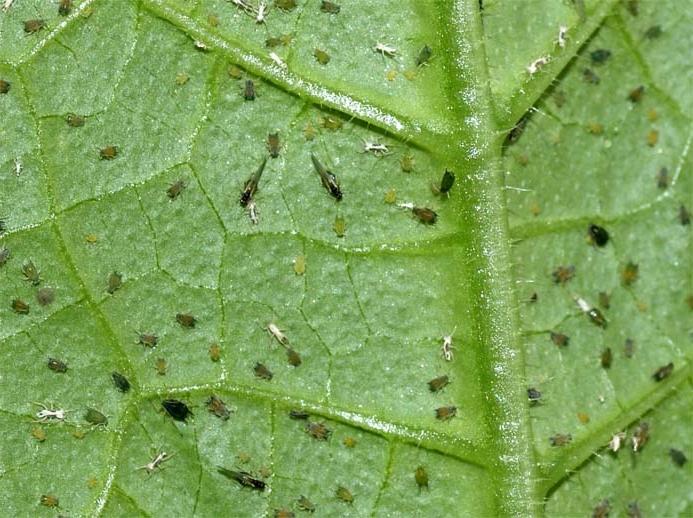
Aphids attract other pests to sorrel, such as spider mites and ants, so they need to be dealt with seriously. Prevention involves thoroughly cultivating the soil and eliminating weeds (aphid larvae overwinter on weeds and in the soil). You can fight aphids with folk remedies: decoctions of burdock, tobacco, garlic, onion peels, and an infusion of ash and laundry soap. The garden bed can be sprinkled with dry ash or tobacco dust.
Sorrel sawfly
This insect with paired wings is also very prolific, producing 2-3 generations per season. The sorrel sawfly parasitizes throughout the summer, so by autumn, only the veins may remain on the leaves. Green caterpillars, which emerge from the larvae and feed on the plant sap, cause particular damage to sorrel. By autumn, the caterpillars metamorphose into adults and overwinter in plant debris.
The primary control measure is weed removal throughout the season and the complete destruction of plant debris in late summer and early spring. A chamomile infusion with laundry soap is used to combat the pest. Spraying with the infusion is done every 7-10 days.
Leaf beetle
Hollow leaves indicate that the sorrel is being eaten by leaf beetles—a small (5-10 mm), shiny, black-green insect. They lay eggs on the underside of leaves and can produce 2-3 generations per season. They overwinter in the soil, so in the fall, the area should be thoroughly dug over and, if possible, the pests removed.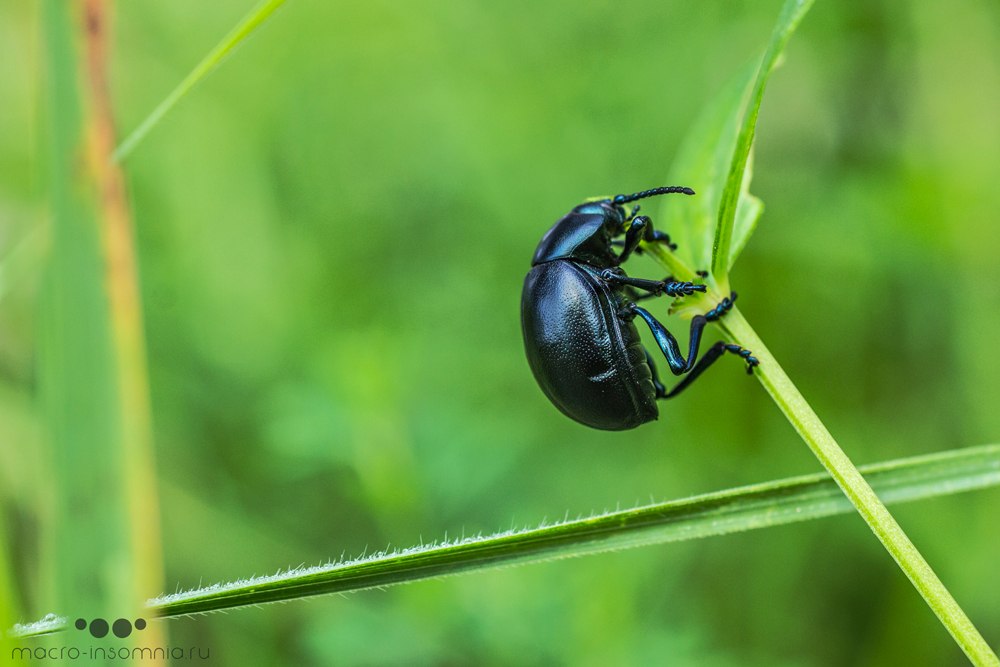
Since the beetle thrives on moisture, instead of spraying, it's recommended to sprinkle the plants with tobacco dust mixed with ash at a ratio of 1:1 for 4-5 days until the pest disappears. Regular weeding is essential. The beetle dislikes manure; a liquid infusion can be used to periodically water the bed.
Winter moth
A small (2-3 cm) butterfly with gray-black wings lays eggs in late May, which hatch into similarly colored caterpillars. The insect itself is harmless, but over the course of a season, it can produce two to three generations of very voracious caterpillars that feed on sap and chew large holes in leaf blades.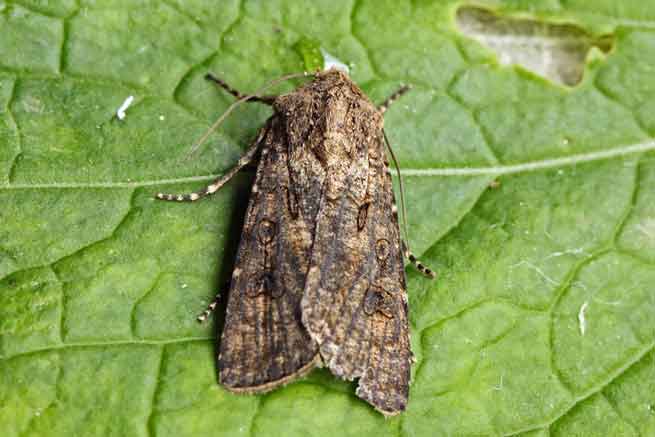
To get rid of caterpillars, sorrel leaves can be treated with burdock infusion 3-4 times a week. You can distract the pests by placing jars of bait—a sweet, fermenting liquid (honey, malt).
Wireworms
The thin, yellow-brown caterpillars are the larvae of the click beetle. This small insect (up to 15 mm) has a red body and a black head. The beetle overwinters in the soil, where it lays its larvae.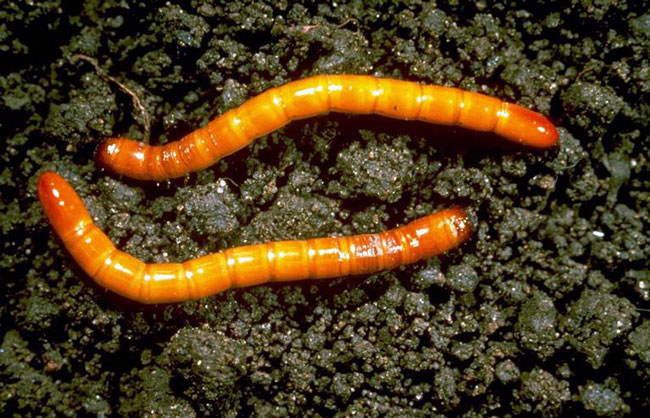
Wireworms live a long time (3-4 years), burrowing deep into the soil and feeding on the underground parts of plants—the roots. Damage to the roots leads to the death of the entire plant. You can protect your garden beds from these pests by regularly removing weeds, liming the area (wireworms prefer acidic soil), and replanting the sorrel annually.
Mole cricket
This is the most destructive pest of all garden crops. It lives in the soil, burrowing deeply and damaging plant roots. The mole cricket can swim and fly, making it difficult to control. If a bush dries up and is easily pulled from the soil, this is a sign of mole cricket damage. The pest has a complex and lengthy reproduction and larval development period.
As a rule, gardeners fight the mole cricket by mechanical destruction and folk methods: they plant fresh garlic and eggshells in the soil, water the area with an infusion of onion peels, chicken manure (2 kg/10 l of water), or kerosene diluted with water.
Piles of manure are used as bait—the insects slither into them, making them easier to kill. A radical method of controlling mole crickets is the granular insecticide "Anti-Medvedka."
Naked slugs
These pests thrive in excessively wet soil and may appear in early spring or during the rainy season. They live underground, emerging only at night to feed on leaves. After feeding, they leave silvery marks on plants. They breed in damp places, under piles of plant debris. Control methods include treating the garden bed with hot pepper tincture or a 10% ammonia solution, and spreading lime and ash between the rows. Slugs slither into traps containing fermenting liquids and beer.
Rust
Brownish-yellow spots on leaf blades and petioles are a sign of fungal growth. Multiple spots with a swollen, yellowish surface, containing fungal spores, lead to drying out and death of the sorrel. Treatment involves a solution of potassium permanganate (5 g/10 l of water) or a solution of copper sulfate and laundry soap (1 g of sulfate, 20 g of soap/1 l of water). Rust control products include Plangiz and Fitosporin.
Mildew
Another fungal disease that affects green vegetable crops. It manifests as a grayish, spotty coating on the leaf blades. The leaves wrinkle and curl, and the coating darkens in color.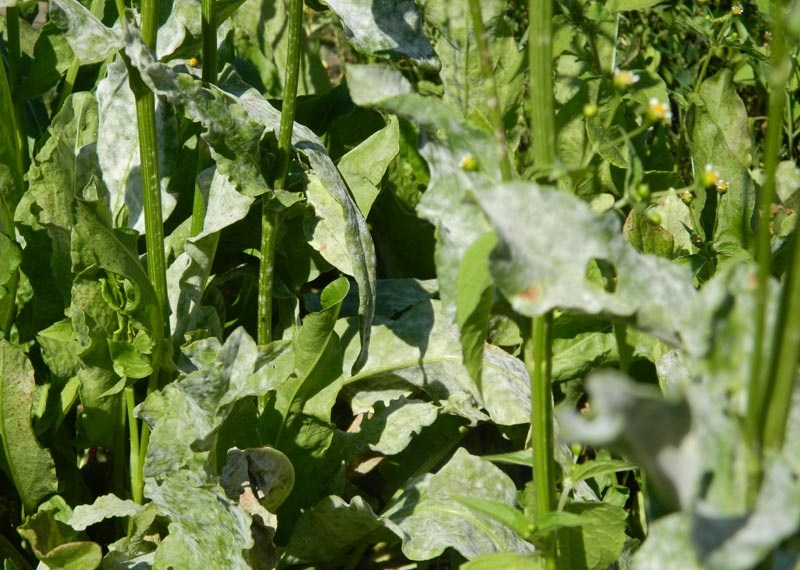
Folk remedies against downy mildew include solutions of mustard powder (2 tablespoons per 10 liters of water) and rotted manure (1 part manure per 3 parts water, leave for 3 days). Spray twice a day. Chemicals include Vitaros and Previkur.
Video "Leaving"
From the video you will learn how to properly care for sorrel.