
Characteristics of the late summer apple tree variety Yubilyar
Content
Description of the variety
The popular, beautiful Yubilyar apple variety is triploid. It was developed thanks to the efforts of specialists at the All-Russian Research Institute of Fruit Crop Breeding, who sowed the seeds. The seedlings only began bearing fruit seven years after the new variety's development (in 1982). In 1990, the new apple variety was recognized as elite, and in 1995, it was submitted for state testing in the Central and Central Black Earth regions of Russia.
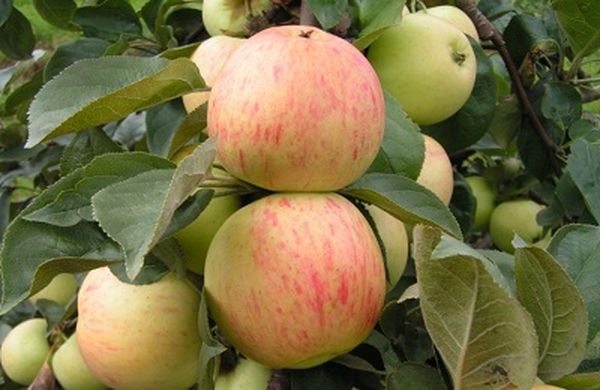
The Yubilyar tree is a medium-sized, self-sterile cultivar. It has a spherical, not very dense crown. Skeletal branches extend from the trunk at a 90-degree angle. The tree has medium-thick shoots covered in gray bark. The leaves have wavy edges, are a rich green, and are quite firm to the touch. This variety produces mixed fruit, most often on the ring-shaped branches.
The fruits can weigh on average about 135 grams. They are naturally round in shape and have a yellow-green skin. When fully ripe, the fruit develops a distinctive crimson blush on the surface. Inside each fruit is a dense, juicy, fine-grained pulp. According to gardeners, the apples have a sweet and sour taste. The fruit contains 10.5% sugar, approximately 0.96% acid, 453 mg of P-active substances per 100 grams, and approximately 17.6 mg of vitamin C per 100 grams.
Characteristics
Yubilyar apples are versatile, as they are eaten not only fresh but also used to make juices, compotes, kissels, preserves, marmalades, mousses, jellies, ciders, fruit wines, and dried fruits. In Oryol, the harvest of this beloved fruit can be from August 25 to September 5. This apple tree is not considered an early-bearing variety, as it does not bear fruit for the first time until seven years after planting. Fruiting is regular, and the yield is characterized as high.
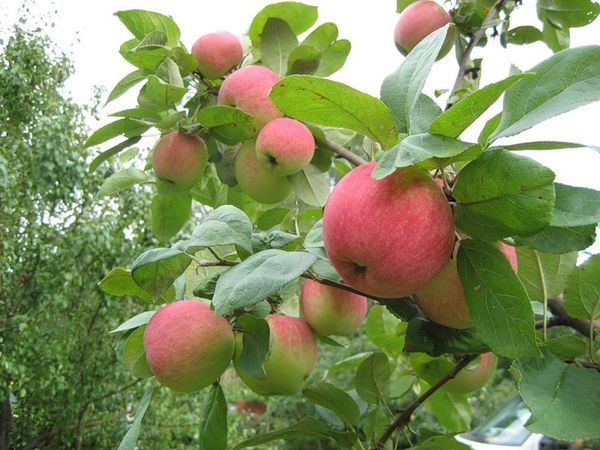
According to statistics, from 1991 to 1994, approximately 182 centners of fruit per hectare were harvested from trees of this variety. In terms of winter hardiness, it is high when grown in the Oryol region. These apple trees have developed a strong immunity to such a dangerous disease as scab. The fruit has a relatively short shelf life – no more than one month. They should be stored in wooden boxes filled with sand, which are then placed in a cool room.
It is recommended to plant seedlings on loamy or sandy loam soil, which is fertile, moisture-retentive and well-aerated.
Pros and cons
Gardeners value these apple trees for their many virtues. Among them is their high yield. Because they bear fruit regularly, they can harvest the tasty and nutritious fruit for enjoyment every year. Tree care is easier because they are resistant to scab and powdery mildew. There's no risk of diseases that can damage foliage and fruit.
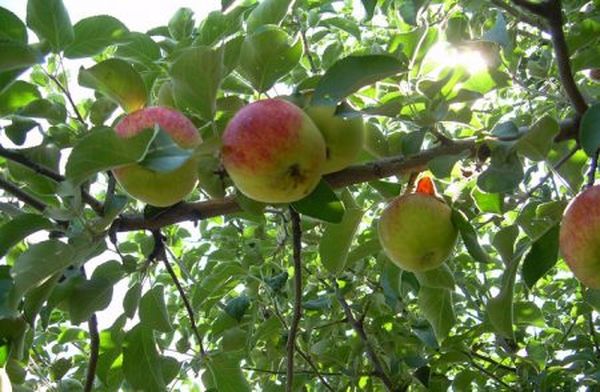
There's no need to worry about Yubilyar apple trees picking up diseases from other varieties growing in your garden or yard. They can be grown in a variety of regions due to their high frost resistance. The trees can easily withstand low temperatures and sudden changes in temperature. They also tolerate any precipitation. The fruit itself has excellent commercial qualities and transports well. They are not only beautiful in appearance but also delicious and have a pleasant aroma. There are no obvious shortcomings to this apple variety.
Video "Apple tree variety Yubilyar"
In this video you will hear the characteristics of the Yubilyar apple tree variety.