
How to effectively combat codling moth
Content
Description of the insect
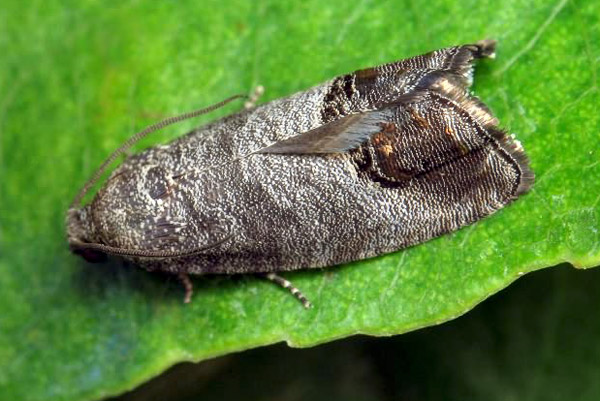
The codling moth is a moth with an inconspicuous appearance. Therefore, its presence often goes unnoticed by humans. However, this moth is quite large, with a wingspan of approximately 20 mm. The codling moth's forewings are dark gray with distinct, wavy, dark stripes. These stripes are arranged transversely. The hindwings, however, are light brown.
This coloring allows the pest to remain undetected while perched on tree bark. The insect reproduces at night. The moth typically appears in the garden during apple blossom season. Three days after emergence, the codling moth lays 1 mm-long eggs on shoots, leaves, and fruit. A single moth can lay up to 120 eggs.
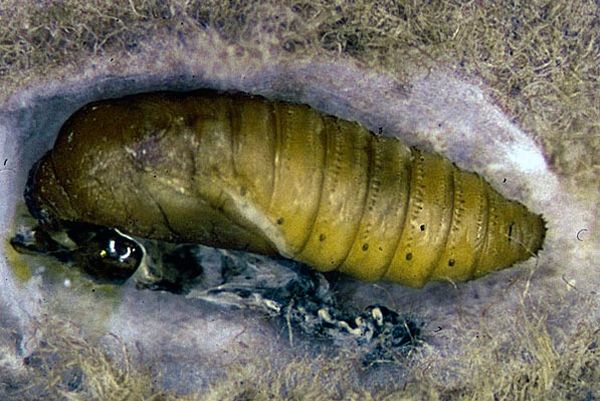
White caterpillars hatch from the eggs, each with a black head. With age, the head turns light pink. It is the caterpillars that cause the most damage to ovaries and fruit. They burrow inside the apples, creating wormholes. After 16 to 45 days, the caterpillars burrow into the bark or soil, where they overwinter.During one season, the codling moth is capable of producing up to 2–3 generations. Pupation occurs in spring.
There is no way to protect against the codling moth. Effective control of the moth on orchard apple trees is only possible with the correct use of specific pest control products.
Symptoms of appearance
Codling moth control should begin as soon as the first pest is detected. Otherwise, the parasite will quickly overrun the entire orchard. The following signs indicate that trees are under attack by the codling moth:
- caterpillars and butterflies appear on the trunk, leaves and fruits;
- Microscopic holes form on apple ovaries. The caterpillar stage of the insect's development also actively feeds on the fruit. This is why wormholes appear on apples.
The presence of the above symptoms indicates that the codling moth has infested the garden and that control measures are needed. If left untreated, the caterpillars will consume almost all the fruit buds.
What is dangerous?
The codling moth is dangerous because it attacks not only apples but also other fruit trees. These insects feed on the following fruits: apricot, quince, pear, peach, and plum. The caterpillars penetrate the fruit through the petiole. At the point of entry, rot develops, caused by bacteria. These bacteria are found on the caterpillar's body.
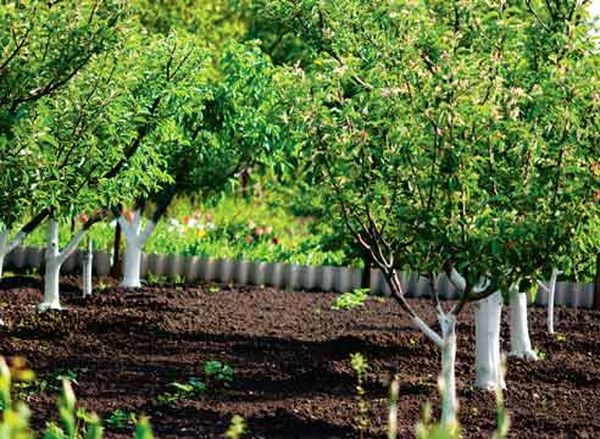
One caterpillar can damage 2-3 fruits. Therefore, if there are many of them, the harvest will be almost completely lost. While the first generation of caterpillars destroys approximately 25% of the crop, the second generation destroys 80-90%. Therefore, it is important to know how to control codling moths on apple trees to save at least part of the harvest.
How to fight
Today, there are various ways to get rid of this pest. The choice of codling moth control for apple trees depends on each gardener's personal preferences. It's worth noting that each method has its own advantages and disadvantages.
The following control methods can help people effectively get rid of butterflies and caterpillars:
- use of chemicals;
- ecological method using folk remedies.
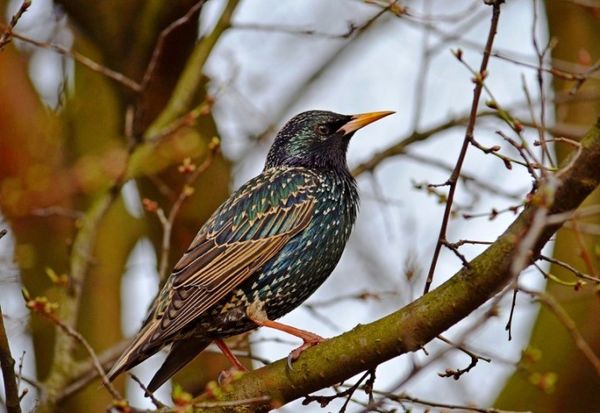
Starlings, which feed on caterpillars, can also help exterminate these pests. These birds actively consume pests. Therefore, many gardeners welcome these birds if they build nests close to their garden. Let's take a closer look at each control method.
Chemical methods
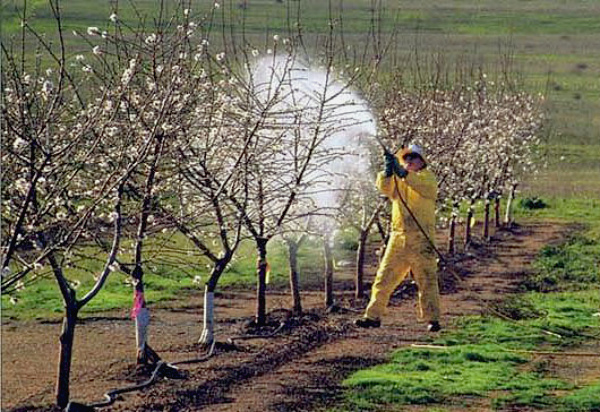
Chemical treatment of apple trees against codling moths is the most effective. However, it's important to know how to get rid of the pest without harming the tree or yourself. Experts recommend using gentle treatments first. Only if these prove ineffective should you move on to more aggressive products. Viral and biological agents can be used to protect trees. These include various insecticides (e.g., Binom, Zolon, Atom, etc.). Pyrethroid products (e.g., Calypso, Alatar, Ivanhoe, etc.) can also be used.
In severe garden infestations, treatment is repeated four times. This will eliminate parasites of different generations.
One variation of the chemical method is the use of a pheromone trap. If more than five butterflies are caught within a week, chemical treatment is necessary.
Ecological methods
You can get rid of butterflies and caterpillars not only with chemicals but also with eco-friendly methods. These include:
- You can spray the trees with folk remedies;
- attracting birds to the garden;
- carry out manual collection of parasites.
However, it's worth noting that using organic pest control methods is only worthwhile if there are only a few pests in the garden. Of the methods listed above, folk remedies are the most effective. Many gardeners don't know how to treat apple trees for codling moths using folk remedies to effectively eliminate all pests. In this case, the garden is usually treated with solutions prepared from the following ingredients:
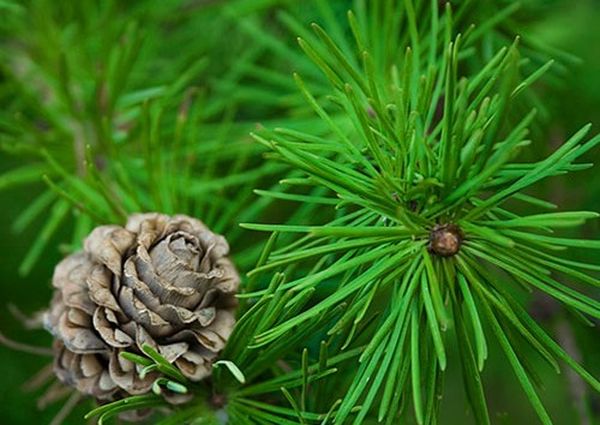
- needles;
- tobacco;
- tansy;
- burdock;
- sagebrush.
Fruit trees are often sprayed with these solutions as a preventative measure. This is because they repel pests from the apple trees. For maximum effect, trees should be sprayed with these solutions several times.
Prevention
The most effective way to combat this pest is to implement effective preventative measures. If preventative measures are followed correctly, the codling moth will avoid your apple orchard.
Preventive measures in this case include the following actions:
- spring treatment (spraying) of apple tree bark with a solution of copper sulfate;
- Removing old sections of bark. It may contain pupae;
- removal of plant debris from under trees;
- preventive pruning of branches;
- all plant remains (leaves, branches, pieces of bark) must be burned;
- planting herbs and crops that repel codling moths (for example, tomatoes);
- attracting insectivorous birds.
You can also set traps that catch the codling moth when it first appears.
Resistant varieties
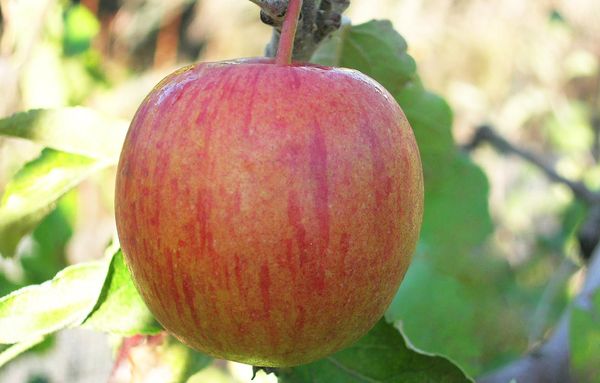
Breeders have developed various apple varieties that are highly resistant not only to pathogenic microflora but also to insects. Many varieties (for example, Vinnoe) are characterized by high resistance to the codling moth. Autumn and winter apple varieties also exhibit good resistance to this pest.
Knowing the signs of codling moth infestation on an apple tree and how to combat it can help maintain a high fruit tree yield.
Video: "Codling moth in the garden"
This video offers helpful tips on how to control codling moth.