
What you need to pay attention to when choosing seedlings
Content
Availability of information about the plant
The first thing to look for when choosing seedlings is information about the plant's species and growing conditions. Today, many fruit and berry crops are available in a wide variety, so each variety may have its own growing nuances. This is crucial information, which must be included on the label and attached to the young plant.
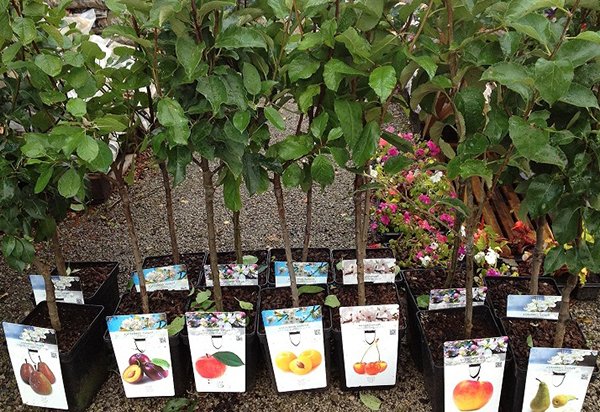
Some sellers verbally explain to buyers how to care for their new purchase. In this case, it's best to at least write down the basic growing instructions. Also, if you know the exact variety name, you can look up all the care details on a dedicated resource.
If the plant doesn't have a label with at least the name of the variety, you could easily be sold a completely different variety, since bushes of the same species are not much different from each other in appearance.
Video: "What to Look for When Buying Seedlings"
In this video, an expert will explain what to look for when purchasing fruit plant seedlings.
Age-size relationship
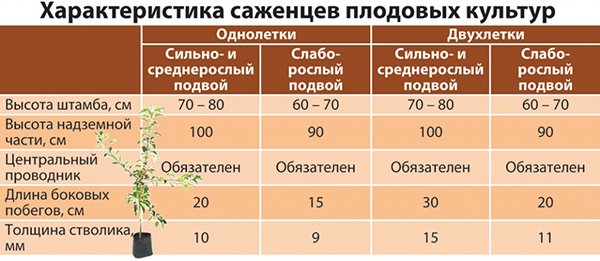
How can you avoid mistakes when choosing a seedling for a specific crop? It's important to be able to correctly correlate the age of the young plant with its size.
Seedlings are typically sold at 1–2 years of age, as older plants have a much lower survival rate. Plants 4–5 years old often become diseased in new locations and may simply die after planting.
At 1–2 years of age, a young bush or tree should have a well-developed trunk or shoots. The height of the specimen directly depends on the plant itself. For example, one-year-old trees can reach 1 meter in height, while berry bushes or roses can reach several dozen centimeters.
Therefore, when shopping for such berries, it's important to determine in advance what appearance and size a particular plant will have at 1-2 years of age. For example, young berry bushes at this age should have 2-3 developed, woody stems. If a shoot hasn't had time to woody, it may not survive the winter.
Root system condition
The most important aspect of choosing flower, berry, or fruit seedlings is properly assessing the plant's root system. If a seedling has poorly developed roots, it will likely fail to establish itself in its new location and will soon die.
Despite differences in biology, most garden crops, even at such a young age, develop a well-developed root system that should resemble a "beard." It should have several main roots, from which numerous lateral rootlets extend. This type of fibrous root system is typical of berry bushes and flowers. Blackcurrants have a more fibrous system than gooseberries or red currants.
The taproot system is also found in both shrubs and trees. It consists of a single, well-defined root with lateral branches extending from it.
Before purchasing, carefully inspect the roots. They shouldn't be heavily broken or contain numerous rotten areas. You can check the roots for viability by making a small cut on their surface or simply scratching them with your fingernail. You should see light-colored tissue underneath the removed top layer. If it's dark, it's rotting. The roots should also be moist, not dry.
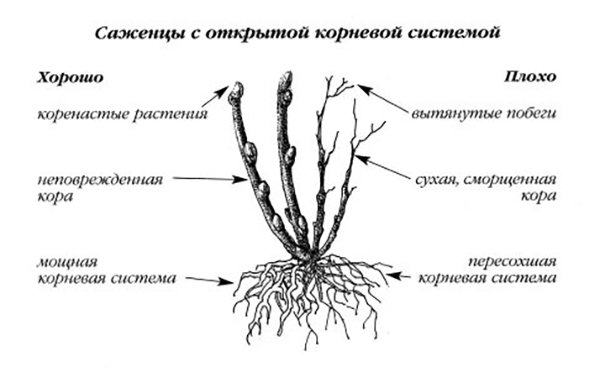
Knowing what a healthy seedling's root system should look like allows you to easily choose the best option and avoid making mistakes.
General appearance
When choosing, it's important to properly evaluate the appearance of the young plant. It's especially important to know how to choose seedlings of any rose species based on appearance. Roses are very similar in appearance to wild roses.
The bush or tree should have a healthy appearance:
- the bark is of the same color along the entire length of the shoots;
- no damage to branches;
- no traces of fungal or any other infection.
Minor damage to small branches and leaves is permitted, as they are inevitably damaged during transportation.
Presence and status of vaccination
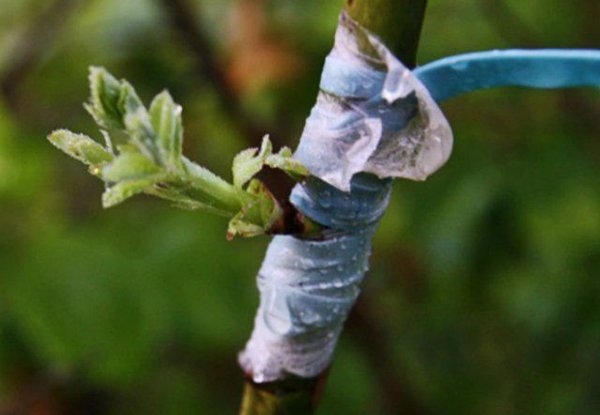
Some bushes are sold already grafted (for example, roses). For these varieties, the seller must indicate the grafting site, which should not be buried during planting. The graft itself must also appear viable: with developed leaves or swollen buds ready to open.
Now you know the parameters you should use to select new seedlings. The above criteria apply to all crops grown in gardens and vegetable patches across our country.